

Dehydrated Sweet Potato: From Traditional Crop to Modern Shelf-Stable Superfood
Dehydrated sweet potato is produced by removing most of the water content from fresh sweet potato tubers (Ipomoea batatas L.), resulting in a lightweight, shelf stable product that retains much of the original flavor, color and nutritional value while significantly reducing volume and weight. Dehydration is one of the oldest food preservation methods and involves the controlled removal of moisture typically reducing it to about 5–10% to inhibit microbial growth, enzymatic activity and spoilage. Common dehydration techniques include hot air drying, freeze drying and vacuum drying. This process extends product shelf life and helps reduce post-harvest waste compared to fresh produce, where spoilage and handling losses are common.
Sweet potato is a nutrient dense and versatile storage root crop that ranks among the world’s most important food crops, following rice, wheat, potato, maize, barley and cassava. It serves as a staple food in many regions, providing essential carbohydrates, vitamins and minerals and is particularly valued for biofortified varieties rich in beta carotene, which help address vitamin A deficiency and malnutrition. Cultivated in more than 100 countries, sweet potato thrives across diverse agro climatic conditions, especially in tropical and subtropical regions, making it an important crop for smallholder farming systems.
The growing global demand for shelf stable and convenience foods has increased interest in dehydrated sweet potato products. Urbanization, expanding supply chains and consumer preference for natural and minimally processed ingredients are key drivers of this trend. Dehydrated sweet potato also contributes to food security by reducing post-harvest losses which can exceed 40% in fresh tubers while enabling value addition through processing into flour, snacks, instant mixes and functional food ingredients.
Furthermore, dehydration supports sustainability by lowering transportation costs, improving storage efficiency and ensuring year-round availability. These advantages align with global sustainability initiatives including the United Nations Sustainable Development Goals focused on zero hunger and responsible consumption and production.
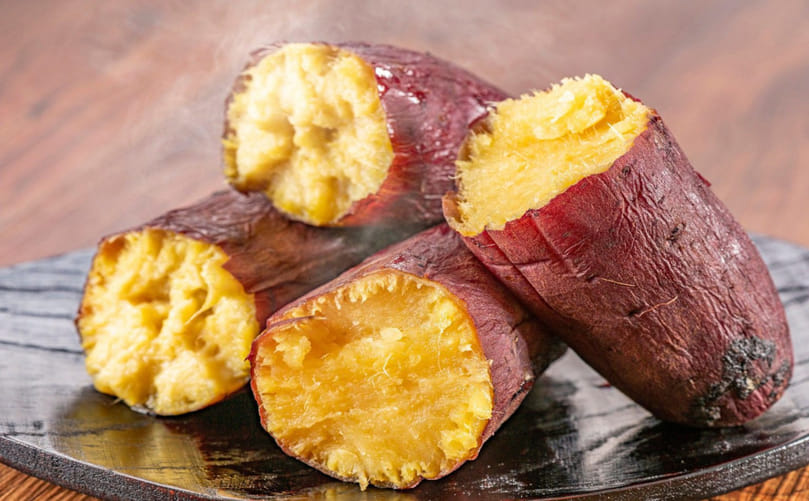
Dehydration Process and Global Importance of Sweet Potato as a Food Crop
Unlocking Value and Shelf Life: The Importance of Sweet Potato Dehydration
Dehydrating sweet potatoes serves several important purposes, with shelf-life extension being the primary advantage. Fresh sweet potato tubers typically remain marketable for only 2–3 weeks under normal storage conditions, whereas dehydrated products can be stored for 1–2 years or longer when properly packaged and kept in ambient conditions without refrigeration. This significantly reduces spoilage and helps prevent post-harvest losses which may reach 40–50% in tropical regions due to bruising, microbial decay and inadequate storage or handling practices. As a result, dehydration improves food availability, particularly in regions with limited cold chain infrastructure.
Dehydration also delivers substantial cost efficiencies. The process reduces product volume by approximately 85% and weight by up to 90%, lowering transportation and storage costs across domestic and international supply chains. Reduced bulk makes dehydrated sweet potato suitable for export markets, emergency food reserves, outdoor and travel foods and environments where storage space is limited.
Another key benefit is nutrient preservation. When properly managed, dehydration retains significant amounts of beta carotene, dietary fiber and essential minerals while concentrating natural sugars, enhancing flavor and sweetness. Pre-treatment methods such as blanching help inactivate enzymes responsible for quality deterioration, thereby maintaining color, texture and nutritional value during storage.
Dehydration enables year-round availability of sweet potato ingredients allowing their use in a wide range of processed foods including flours for baking, snack products, instant mixes and animal feed formulations. This supports food industries by stabilizing raw material supply despite seasonal production fluctuations. In addition, dehydrated sweet potato functions as a value-added ingredient in gluten free products and functional food formulations, aligning with growing consumer demand for clean label and minimally processed foods.
From an environmental perspective, dehydration contributes to sustainability by reducing food waste, improving distribution efficiency and lowering energy use associated with cold storage and transportation. The adoption of energy efficient drying technologies such as solar drying and microwave infrared hybrid systems, further enhances nutrient retention while minimizing environmental impact. Overall, dehydration transforms a highly perishable crop into a versatile, economical and nutritionally valuable product, creating new market opportunities for farmers while supporting global food and nutrition security.
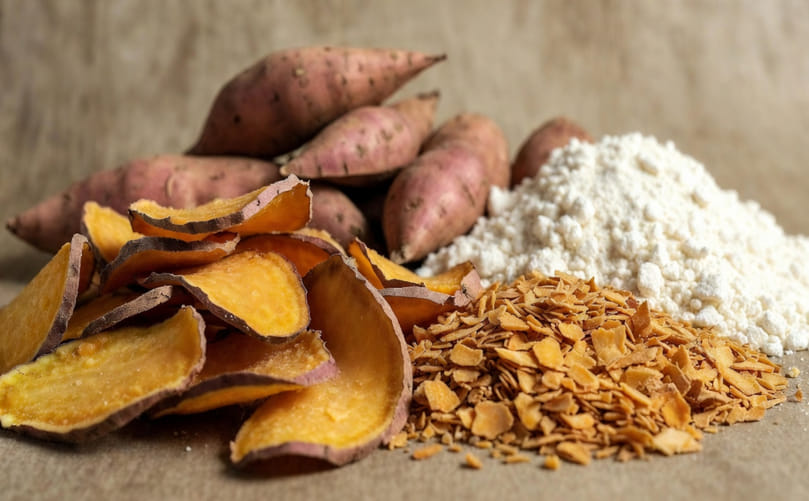
From Fresh Roots to Shelf-Stable Products: The Value Chain of Sweet Potato Dehydration
The Global Significance of Sweet Potato in Modern Food Systems
Sweet potato holds immense global significance as a resilient and nutritious crop that plays a vital role in food systems worldwide. Global production reached approximately 102.34 million tonnes in 2023, reflecting its importance as both a staple food and a commercial commodity. Major production regions include Asia, which dominates global output with more than 55%, led by China producing about 51.40 million tonnes (55.1% share). Africa is another key production hub with countries such as Malawi contributing 8.62%, Tanzania 4.84% and Nigeria 4.38%. In Latin America, sweet potato is widely cultivated across diverse agroecological environments, supporting regional food systems.
The global sweet potato market was valued between $314.5 billion and $357.2 billion in 2024 and is projected to reach $413.9–$485.4 billion by 2031–2033, growing at a compound annual growth rate (CAGR) of approximately 3.4–4.0%. This growth is largely driven by increasing consumer demand for healthy, plant-based and functional foods.
Within global food security systems, sweet potato provides affordable calories along with essential micronutrients, especially in low-income regions. Biofortified varieties rich in provitamin A play a critical role in addressing vitamin A deficiency, a major public health concern affecting millions of children and pregnant women worldwide. In developing economies, the crop supports smallholder farmers by generating income through both domestic markets and exports. For example, Egypt’s sweet potato exports increased significantly from 35,224 tonnes in 2020 to 149,551 tonnes in 2024, reaching a value of approximately $113 million, demonstrating its growing economic potential.
Sweet potato is also recognized as a climate resilient crop. It tolerates drought, poor soils and extreme weather conditions better than many staple crops while requiring relatively low inputs such as water and fertilizers. These characteristics make it highly suitable for sustainable agriculture under changing climate conditions.
Beyond food consumption sweet potato has diverse industrial applications including starch production for biofuels, processed foods and animal feed, further enhancing its economic value particularly in Asia Pacific and African markets. In developed regions such as North America, especially in the United States where production is concentrated in states like North Carolina, consumption continues to grow annually by about 5–7%, supported by health awareness and innovation in processed sweet potato products.
Overall, sweet potato’s combined contributions to nutrition, climate resilience, economic development and industrial utilization reinforce its status as a truly all-around crop capable of addressing multiple global agricultural and food system challenges.
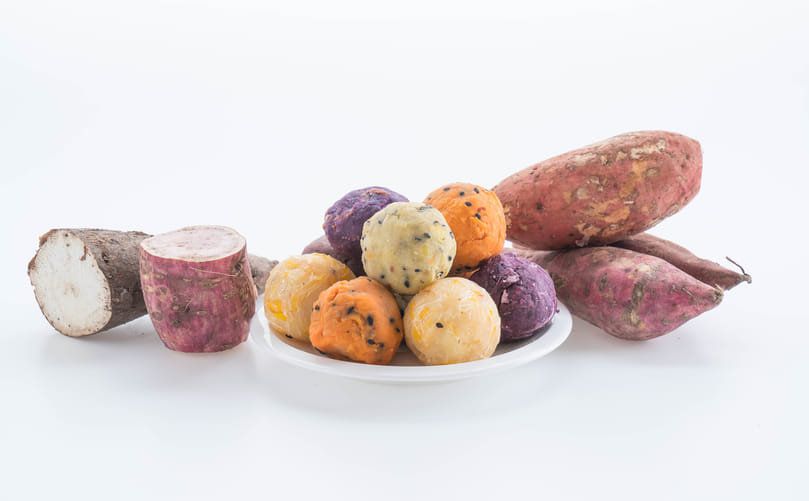
Global Role of Sweet Potato in Modern Food Systems
Nutritional Composition and Health Value of Dehydrated Sweet Potato
Dehydrated sweet potato possesses a highly concentrated nutritional profile due to the removal of water, which increases nutrient density while preserving most essential compounds. Per 100 g of dried product, it typically provides approximately 332–367 kcal, mainly derived from carbohydrates that constitute about 70–80% of dry matter. Fat content is negligible, while protein levels range from 1–8 g, depending on the variety and processing method.
One of the most notable nutritional attributes of dehydrated sweet potato is its high beta carotene content, a precursor of vitamin A. Levels can reach up to 2,428 μg per 100 g, significantly higher than in fresh roots due to concentration during dehydration. Beta carotene supports eye health, immune function and skin integrity. The product is also rich in dietary fiber, containing approximately 10.5–12 g per 100 g, which promotes digestive health, helps regulate blood sugar levels and contributes to cardiovascular health.
Dehydrated sweet potato provides several essential vitamins including vitamin C which contributes to antioxidant defense and collagen synthesis, although some loss occurs during drying. It also contains vitamin B6, important for metabolism and nervous system function as well as vitamin E which supports cellular protection. Mineral content remains significant including potassium (110–403 mg) for blood pressure regulation, magnesium (10–22 mg) for muscle and bone function, phosphorus (10–64 mg), calcium (20–41 mg) and iron (0.59–0.86 mg).
In addition to vitamins and minerals, dehydrated sweet potato contains beneficial antioxidant compounds such as phenolics and anthocyanins (particularly in purple fleshed varieties). These compounds exhibit anti-inflammatory properties and may help reduce the risk of chronic diseases including diabetes and certain cancers.
The dehydration process affects nutrient retention differently depending on nutrient type. Fat soluble compounds such as beta carotene generally retain 90–92% of their activity when drying is conducted under optimal conditions (typically below 60°C). In contrast, water soluble vitamins, especially vitamin C may experience losses of 10–25%. Overall, dehydrated sweet potato retains approximately 75–90% of the original nutrients, often outperforming canned products in nutrient preservation.
Because of its concentrated nutrients, extended shelf life and retained health benefits, dehydrated sweet potato serves as a nutritionally efficient food ingredient. In some dried forms it may also exhibit a relatively lower glycemic response compared to fresh sweet potato making it suitable for health conscious diets and long term storage applications.
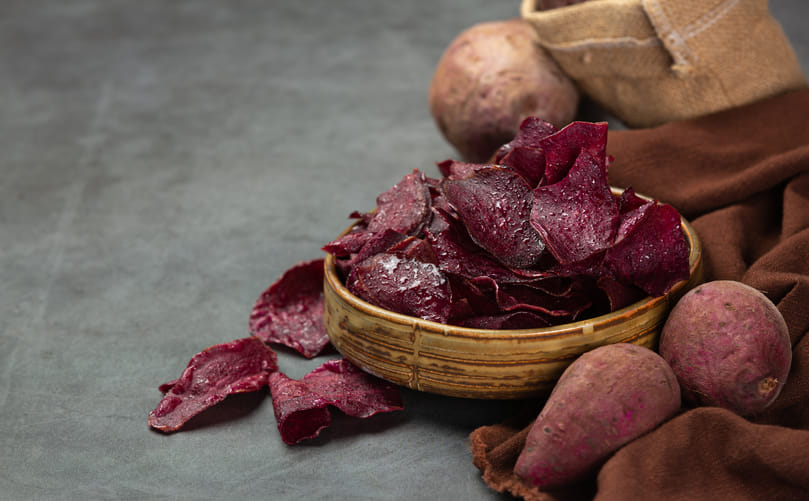
Nutritional Composition and Health Benefits of Dehydrated Sweet Potato
Raw Material Selection for Dehydrated Sweet Potato Processing
Selecting high quality raw materials is essential for efficient dehydration of sweet potatoes as it directly influences yield, product quality, energy efficiency and overall processing performance. Suitable varieties are generally categorized based on flesh color and compositional characteristics.
Orange fleshed varieties such as Beauregard and Covington are rich in beta carotene and possess a moist texture with dry matter content typically ranging from 19–23%. These characteristics make them highly suitable for nutrient dense dehydrated products and health focused food applications. White fleshed varieties, including Hannah, O’Henry and Murasaki, generally contain higher dry matter (25–35%) and elevated starch levels, resulting in firmer texture and lower sweetness after drying. These varieties are particularly appropriate for flour production and starch based industrial uses.
Purple fleshed varieties such as Okinawa, Purple Splendor and Purple Speclet are valued for their high anthocyanin and antioxidant content. They typically exhibit dry matter levels of 24–34% and starch content ranging from 43–67%, enhancing their suitability for functional and nutraceutical food products. However, these varieties require careful processing to preserve their characteristic color and bioactive compounds during dehydration.
Variety selection should align with the intended end use. High dry matter content (approximately 30–45%) is preferred for flour production due to improved processing efficiency and higher powder yield. Moderate dry matter levels (18–25%) are more suitable for snack products, while biofortified varieties are selected when nutritional enhancement is the primary objective.
Tubers should be harvested at full physiological maturity, typically 90–120 days after planting, when sugar content reaches approximately 10–12% and dry matter levels range between 25–35%. Harvesting at this stage optimizes flavor development and improves dehydration efficiency. Size uniformity is also critical; medium sized tubers weighing 100–300 g and measuring about 5–10 cm in diameter allow uniform drying and minimize processing losses. Irregularly sized tubers can lead to uneven moisture removal and inconsistent product quality.
Adequate sugar content, generally 5–15% on a dry basis, contributes to desirable sweetness in dehydrated products, while higher dry matter reduces energy consumption during drying by lowering initial moisture levels. Tubers must be free from diseases, pest damage, rot and mechanical injuries as defects increase contamination risks and reduce shelf life.
Post-harvest curing is an important preparatory step. Maintaining tubers at approximately 30 °C and 85–90% relative humidity for 4–7 days promotes wound healing, enhances sugar accumulation and improves storage stability prior to processing. Overall, raw material quality can influence dehydration yield by up to 50%. High starch varieties generally produce denser dried products, whereas lower starch types provide better rehydration characteristics, depending on the intended application.
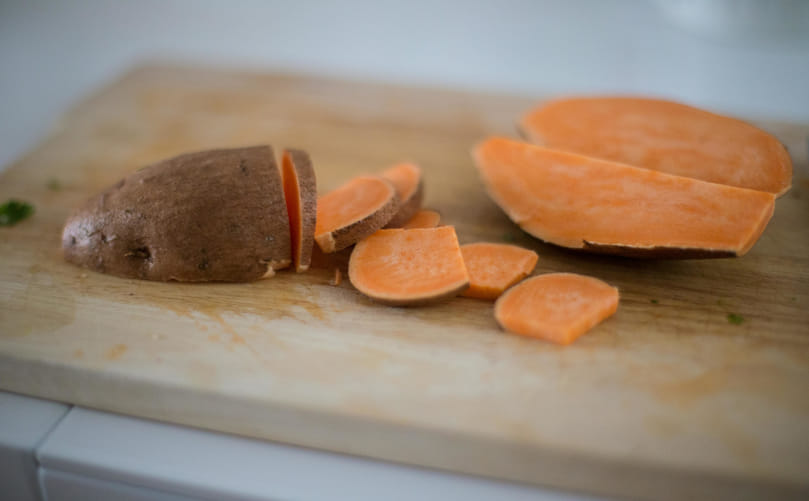
From Variety to Processing: Raw Material Selection in Dehydrated Sweet Potato Production
Processing Steps in Dehydrated Sweet Potato Production
Pre-processing: Pre-processing prepares sweet potatoes for efficient dehydration by ensuring cleanliness, uniformity and enzymatic stability prior to drying. The process begins with thorough washing using water jets or rotary brush washers to remove soil particles, debris and surface contaminants. Proper washing minimizes microbial load and improves overall processing hygiene.
Peeling follows washing and may be performed manually or mechanically using abrasive or knife peelers. Removal of the skin is important because it may contain pesticide residues and compounds that contribute to enzymatic browning. Peeling also improves texture, color uniformity and consumer acceptability of the final dehydrated product.
After peeling, the tubers are cut into uniform shapes through slicing, dicing or shredding. Uniform size is essential for consistent moisture removal and reduced drying time. Recommended dimensions include slices of approximately 2–10 mm thickness (about 4–6 mm preferred for uniform drying), cubes smaller than 12 mm (½ inch) or fine shreds depending on the intended product. Mechanical slicers or mandolines are commonly used to achieve precision and consistency.
Blanching is a critical step carried out to inactivate enzymes such as polyphenol oxidase and peroxidase, which cause browning and quality deterioration. Blanching is typically performed in hot water or steam at 70–100 °C for about 2–5 minutes, depending on piece size (approximately 3 minutes for cubes and up to 5 minutes for thicker slices). Immediately after blanching, the material should be cooled rapidly in cold or ice water to stop further thermal cooking. This step helps preserve color, nutrients and texture while also reducing microbial populations.
Following blanching, excess surface moisture should be removed using draining screens or clean absorbent towels before drying begins. In some processing systems, optional pre-baking at approximately 177 °C for about 20 minutes may be applied to enhance flavor development and improve rehydration characteristics, although blanching remains the standard industrial practice.
Drying Methods: Drying aims to reduce moisture content to approximately 5–10%, ensuring microbial stability, extended shelf life and reduced storage weight. Different drying methods vary in cost, scalability, energy use and nutrient retention.
Sun drying is a traditional and low-cost method in which slices are spread under direct sunlight for several days, typically up to 5–7 days under favorable conditions with relative humidity below 50%. Final moisture levels of about 7–10% can be achieved; however, this method is highly weather dependent and carries risks of contamination from dust, insects and environmental exposure.
Hot air drying is one of the most widely used commercial techniques. It employs forced convection air at temperatures ranging from 50–80 °C, with air velocity typically between 1 and 5.5 m/s and relative humidity maintained between 10–50%. Drying duration may range from 4 to 28 hours depending on slice thickness and equipment efficiency. While scalable and economical, excessively high temperatures may cause nutrient degradation and color loss.
Tray drying involves placing sweet potato pieces on stacked trays inside a controlled drying chamber operating at 40–80 °C. This method is suitable for small scale or semi-industrial production and provides relatively uniform drying for sliced products.
Tunnel drying represents an industrial continuous process where products move through a drying tunnel on conveyor belts. Operating temperatures typically range from 60–80 °C with airflow velocities around 0.4–1.1 m/s. Moisture reduction can be achieved within approximately 200–300 minutes. Lower air velocities generally help preserve sensitive compounds such as carotenoids.
Freeze drying removes moisture through sublimation of frozen water under vacuum conditions. Products are first frozen at approximately −40 °C and then dried under low pressure, preserving more than 90% of nutrients, structure and color. Although product quality is superior, processing time (24–48 hours) and energy costs are significantly higher compared with conventional drying methods.
Vacuum drying operates under reduced pressure (approximately 2–10 kPa) at temperatures typically between 80–140 °C. Reduced oxygen exposure minimizes oxidation and quality degradation while enhancing drying efficiency. Reported effective moisture diffusivity ranges from about 1.85–4.83 × 10⁻⁸ m²/s, with activation energy values between 7–17 kJ/mol depending on processing conditions.
Hybrid drying technologies, such as microwave hot air drying, combine microwave energy (for example, around 80 W) with hot air temperatures of 50–70 °C to shorten drying time while maintaining product quality. Drying duration can be significantly reduced (e.g., around 60 minutes) and moisture diffusivity generally increases with temperature and microwave power.
Across methods, the recommended final moisture content is 5–10%, typically achieved at product temperatures of approximately 52–57 °over 8–24 hours, depending on slice geometry, drying technology and airflow conditions.
Diverse Forms of Dehydrated Sweet Potato Products and Their Food Industry Applications
Dehydrated sweet potato products are available in diverse forms, each designed for specific applications across the food industry, ranging from snacks to functional ingredients. These products utilize the crop’s natural sweetness, strong nutritional profile and versatility while enabling extended shelf life and easy incorporation into various recipes. The primary forms include chips or slices, cubes, flakes, powder or flour, granules or niblets, bark or leather and shreds with variations depending on processing methods such as baking, boiling or steaming prior to dehydration.
Chips or Slices:Thinly sliced sweet potatoes (typically 1/8 to 1/4 inch thick) are dehydrated to produce chips or slices with either chewy or crispy textures depending on drying duration. These may be oven dried at low temperatures (around 57°C for 7–8 hours) or sun dried. They are widely used in the snack industry as healthier alternatives to conventional potato chips. Orange fleshed varieties provide vibrant color and high beta-carotene content, while purple varieties contribute anthocyanins, making them suitable for functional snack products. Chips are also used in trail mixes, pet treats and health focused snack products due to their low fat and gluten free characteristics.
Cubes or Dices: Sweet potatoes cut into small, uniform pieces (generally less than 1/2 inch) are typically blanched before dehydration. Once dried, they develop a hard texture but rehydrate effectively in soups, stews, casseroles and hash preparations. This form is highly suitable for the convenience food sector, including ready-to-eat meals and emergency rations, as it provides natural sweetness and nutrients without the need for added sugars.
Flakes: Flakes are produced by dehydrating cooked and mashed sweet potatoes into thin sheets that are later broken into flakes. These products rehydrate rapidly and are commonly used in instant mashed preparations, porridges and as thickening agents in sauces. In bakery and confectionery applications, flakes improve moisture retention in products such as breads and pies. Their large-scale use dates back to dehydrated military rations developed during World War II.
Powder or Flour: Sweet potato powder or flour is obtained by finely grinding dehydrated slices, bark or flakes. Processing methods may include drum drying or spray drying. This form serves as a gluten free ingredient in baked goods such as muffins and cookies and functions as a natural sweetener or color enhancer in beverages and dairy-based products. High starch flours, particularly from white fleshed varieties are used in noodle production and industrial starch applications, while biofortified powders enhance nutritional value in infant and weaning foods.
Granules or Niblets: Granules are coarser than powder and consist of small, irregular particles produced from baked or boiled sweet potatoes. Although firm when dry, they rehydrate well and are used in breakfast cereals, processed foods and animal feed formulations. They are especially common in pet food and livestock supplements due to their digestible fiber and energy content.
Bark or Leather: Sweet potato bark or leather is prepared by spreading mashed sweet potato into thin layers before dehydration. The dried sheets can be rehydrated to form mashed products or milled into flour. Flavored variants such as cinnamon infused versions are popular in dessert and snack applications, offering portable and nutrient dense options for the confectionery and health snack markets.
Shreds: Shreds are produced by grating sweet potatoes prior to dehydration. They rehydrate quickly and are versatile ingredients in hash dishes, puddings, baked goods and gluten free formulations, where they contribute both texture and nutritional value.
Each dehydrated form serves distinct industry needs: chips and slices are primarily used in snack products; powders support baking and functional food development and cubes or flakes are widely applied in processed and convenience meals. Collectively, these products promote year-round utilization of sweet potatoes while reducing post-harvest losses and food waste.
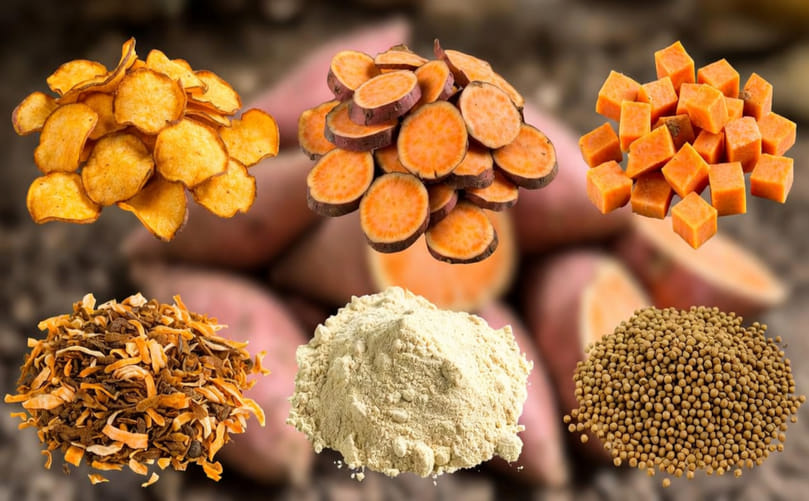
Value-Added Dehydrated Sweet Potato Products Across Food Industry Sectors
Key Quality Parameters Governing the Safety and Performance of Dehydrated Sweet Potato Products
Quality parameters for dehydrated sweet potato products are essential to ensure safety, sensory acceptability, nutritional integrity and market suitability. These parameters are assessed through physical, chemical, microbiological and sensory evaluations, all of which are strongly influenced by processing conditions such as drying temperature, humidity, air velocity and pretreatments. Proper dehydration aims to maintain low moisture content, preserve color and nutrients and achieve the desired texture and rehydration characteristics.
Final Moisture Content: The final moisture content should generally be ≤10% to prevent microbial growth and extend shelf life to approximately 1–2 years under proper storage conditions. Water activity (aₓ) should remain ≤0.60 to ensure product stability, as higher values increase the risk of spoilage and microbial proliferation. Pretreatments such as osmotic dehydration help reduce initial moisture levels and improve drying efficiency.
Color Retention: Color quality is commonly evaluated using color difference values (ΔE <15). Blanching combined with low temperature drying (40–70°C) helps preserve natural pigments. Orange fleshed varieties retain beta-carotene associated color, while purple varieties maintain anthocyanin pigments. Enzymatic browning, mainly caused by polyphenol oxidase activity is controlled through blanching or other enzyme inactivation techniques such as ultrasound assisted treatments.
Rehydration Ratio: A typical rehydration ratio ranges from 3:1 to 5:1, indicating the product’s ability to absorb water and regain a texture similar to fresh sweet potato. Higher ratios, often observed in freeze dried products, reflect better preservation of cellular structure. Functional properties such as the Water Absorption Index (WAI) and Water Solubility Index (WSI) are important indicators of rehydration performance.
Texture Characteristics: Texture parameters include hardness (H), crispness (CP >4 N/mm), breaking distance (BD) and work of fracture (W). High quality crispy products exhibit brittle fracture behavior. Pretreatments such as blanching and freezing improve structural stability and reduce excessive hardness. Shrinkage can be minimized under optimized drying conditions, while product porosity significantly influences rehydration capacity and mouthfeel.
Nutrient Retention: Under optimal drying conditions (generally below 60°C), dehydration can retain approximately 70–90% of beta-carotene and 75–90% of overall nutrients. Vitamin C losses may range from 10–25% due to heat sensitivity, whereas fiber and mineral concentrations often increase on a dry weight basis. Freeze drying preserves more than 90% of carotenoids, while high drying temperatures (≥90°C) accelerate nutrient degradation.
Microbial Safety: Microbial quality standards typically require an aerobic plate count below 10⁵ CFU/g. Implementation of HACCP-based processing ensures minimal contamination risks. Blanching reduces the initial microbial load and maintaining low humidity during drying prevents microbial growth during processing and storage.
Blanching plays a critical role in enzyme inactivation, color stabilization and texture preservation. Additionally, process parameters such as air velocity (1–5.5 m/s) and relative humidity below 50% significantly influence drying efficiency and final product quality. Sensory acceptance is strongly associated with moisture levels around 10% and optimized drying conditions, which help achieve desirable flavor, crispness and overall consumer appeal.
Applications and Uses of Dehydrated Sweet Potato Products
Dehydrated sweet potato products have wide ranging applications across the food industry due to their natural sweetness, high nutritional value and functional versatility. Rich in beta-carotene, dietary fiber and antioxidants, they enhance product nutrition, texture and shelf stability while supporting growing consumer demand for clean label, plant-based and gluten free foods. Their uses extend across infant nutrition, bakery products, snacks, convenience foods, animal feed and functional health markets.
Baby Food Formulations: Dehydrated sweet potato powders and purees are widely incorporated into nutrient dense weaning foods, porridges and infant formulations. They provide beta carotene as a precursor of vitamin A and dietary fiber that supports digestion. Their natural sweetness reduces the need for added sugars, making them suitable for infant nutrition programs and fortified baby foods.
Bakery Products: Sweet potato flour and flakes improve moisture retention, color and nutritional quality in bakery products such as breads, muffins, cookies, doughnuts, brownies and pies. Partial substitution of wheat flour (typically 20–50%) enhances mineral content, particularly magnesium and potassium, while improving the texture and nutritional profile of gluten free baked goods.
Snacks and Instant Foods: Dehydrated chips, leathers and extruded sweet potato products serve as healthier snack alternatives. Diced forms are used in trail mixes and energy bars, while flavored variants such as cinnamon seasoned products appeal to convenience focused consumers. Granules or niblets add texture and crunch to breakfast cereals and ready-to-eat snack formulations.
Soups and Sauces: Cubes, flakes and powders function as natural thickening agents in soups, stews, sauces and instant meal mixes. They rehydrate rapidly, providing viscosity, mild sweetness and antioxidant benefits, making them suitable for convenience foods and dehydrated meal kits.
Gluten Free Flour Blends: Sweet potato powder is commonly blended with other gluten free flours for pasta, noodles, batters and bakery mixes. Its moderate starch content improves binding capacity and texture in gluten free products, as well as in processed foods such as meat analogues and fried snack items.
Animal Feed Supplements: Dehydrated sweet potato roots and vines are used as nutritious feed ingredients for livestock and pet food formulations. They provide digestible carbohydrates, fiber and bioactive compounds such as lutein, contributing to improved digestibility and nutritional quality in animal diets.
Beyond food applications, anthocyanin rich purple sweet potato varieties are utilized as natural colorants in beverages, nutraceutical products, cosmetics and specialty liquors. Sweet potato starch derivatives are also used in biofuel production and industrial alcohol manufacturing. Overall, these diverse applications help reduce post-harvest losses, add economic value to the crop and promote health benefits associated with antioxidant and anti-inflammatory properties.
Global Applications of Dehydrated Sweet Potato Across Regional Food Systems
The applications of dehydrated sweet potato products vary considerably across regions, reflecting differences in dietary habits, economic conditions, processing capacity and nutritional priorities. In developing regions, dehydrated sweet potato supports food security and community nutrition programs, whereas in developed markets it aligns with health-conscious consumption and convenience food trends. The availability of multiple product forms, including powders, flakes, chips and cubes, enables adaptation to diverse regional cuisines and industrial uses.
Africa: In Africa, particularly across sub-Saharan regions, dehydrated sweet potato plays an important role in addressing malnutrition and improving food security. Vitamin A rich orange fleshed varieties are widely used in porridges, weaning foods and school feeding programs to combat micronutrient deficiencies. High dry matter content makes sweet potato suitable for shelf stable flours used in local breads, snacks and complementary foods. Countries such as Nigeria, Tanzania and Uganda incorporate dehydrated products into traditional diets as well as livestock feed systems, helping reduce post-harvest losses among smallholder farmers.
Community scale processing units generate rural employment opportunities, while biofortified varieties contribute to reducing vitamin A deficiency. The region’s strong share of global sweet potato production further supports its use in emergency food supplies and value-added exports.
Asia: Across Asia, dehydrated sweet potato is extensively utilized in noodles, snacks, confectionery and bakery applications due to its natural sweetness and favorable texture. Major producers and consumers such as China and Japan use sweet potato powders in beverages, desserts and processed foods, while countries like Indonesia and Vietnam incorporate chips and sweet potato leather into traditional snack products. Rapid urbanization and rising demand for convenience foods have expanded the use of dehydrated sweet potato in processed food manufacturing throughout the Asia Pacific region. Purple fleshed varieties are particularly valued for their anthocyanin content and are widely used in functional foods and health-oriented products. Additionally, sweet potato starch supports industrial applications including biofuel production.
Europe: In Europe, dehydrated sweet potato products are primarily positioned within functional, organic and gluten free food markets. They are incorporated into energy bars, soups, cereals, sauces and bakery products such as breads and muffins. Demand for clean label and plant-based foods has increased the use of sweet potato ingredients in vegan formulations and natural snack products. Countries including the United Kingdom, the Netherlands and Germany show growing adoption, supported largely through imports that ensure year-round supply. Mediterranean regions also integrate dehydrated sweet potato into locally adapted processed foods to enhance nutritional quality.
North America: In North America, dehydrated sweet potato is widely used in health-oriented snacks including chips, trail mixes and functional snack products. The United States market emphasizes convenience foods with flakes used in instant mashed products and powders incorporated into gluten free baking mixes and functional beverages. Sweet potato ingredients are also common in baby foods, soups and plant-based formulations aligned with wellness and sustainability trends. In Canada, food service applications include casseroles, prepared meals and hash style dishes, while small scale processors contribute to local value-added production and regional food economies.
Overall, regional applications demonstrate the adaptability of dehydrated sweet potato products, ranging from nutrition focused interventions and food security solutions in Africa to premium health and convenience foods in Europe and North America, while Asia drives large scale consumption through both traditional culinary uses and industrial processing.
International Trade and Market Trends of Dehydrated Sweet Potato Products
International trade in dehydrated sweet potato forms part of the broader global sweet potato market, which includes both fresh and processed products. The sector is experiencing steady expansion, driven by rising health awareness, globalization of food supply chains and increasing demand for shelf stable, nutrient dense ingredients. In 2024, global trade in sweet potatoes (fresh and dried combined) reached approximately $857 million, representing a 6.58% increase from $803 million in 2023 and an average annual growth rate of about 3.56% over the past five years.
The dried sweet potato segment alone was valued at roughly $1.2–2.5 billion during 2023–2024 and is projected to grow at a compound annual growth rate (CAGR) of 5.8–6.8%, potentially reaching $2.3–4.6 billion by 2032–2033. This growth is largely supported by increasing demand for clean label, plant-based and gluten free food ingredients.
Rising Demand for Dehydrated Ingredients: Consumer preference for convenient and health-oriented foods has significantly increased demand for dehydrated sweet potato products. Their extended shelf life, ease of storage and nutritional benefits make them attractive for snacks, ready meals and functional foods. Growing interest in organic and minimally processed products, particularly in North America and Europe, is contributing to an overall sweet potato market growth rate of approximately 3–4% annually, with projections reaching nearly $59.97 billion by 2030.
Clean Label and Plant-Based Food Trends: The expansion of plant-based diets and natural food consumption is accelerating the adoption of dehydrated sweet potato ingredients across bakery, snack and pet food industries. Powders and flakes are especially valued in ingredient-based manufacturing because of their versatility, natural sweetness and ability to replace artificial additives while improving nutritional profiles.
Export Markets and Global Trade Flows: Major exporters of sweet potatoes in 2024 included the United States ($204 million), Egypt ($195 million) and the Netherlands ($95.3 million). China remains a dominant supplier with regions such as Zaozhuang exporting approximately 60% of production to more than 30 international markets, including South Korea, Japan, the European Union, the United States and Southeast Asia. Chinese exports reached about 790 million yuan in 2024, marking a 27.2% year-on-year increase. The Asia-Pacific region accounts for roughly 55–61.5% of global sweet potato production, supporting strong export-oriented processing industries.
Price Competitiveness Compared with Other Flours: Dehydrated sweet potato flour is often cost competitive with potato and cereal-based flours due to relatively lower production inputs and higher nutritional value. Its gluten free nature and functional properties make it attractive in emerging markets across Asia-Pacific, Africa and Latin America, where demand for affordable, nutritious ingredients continues to rise.
Growth in Ingredient-Based Food Manufacturing: The broader dehydrated potato market including sweet potato products is projected to reach approximately $13.85 billion by 2035, growing at a CAGR of about 6.8%. Sweet potato derivatives are gaining market share due to their application in flavored snacks, bakery mixes and functional food formulations. European imports of processed sweet potato products have increased significantly, nearly doubling between 2017 and 2021, reflecting rising demand for processed and value-added products.
Despite strong growth prospects the industry faces challenges such as supply chain disruptions, price volatility and competition from conventional potatoes. However, expanding opportunities in biofortified varieties, sustainable sourcing practices and value-added processing continue to strengthen the long-term market outlook for dehydrated sweet potato products.
Challenges and Limitations in Dehydrated Sweet Potato Processing
Although dehydration offers significant advantages in extending shelf life and enhancing value addition, sweet potato processing faces several technical, economic and environmental challenges that influence product quality, efficiency and large-scale adoption. These limitations are particularly evident in developing regions where processing infrastructure and technological access remain constrained.
Color Degradation and Browning: One of the major quality challenges during dehydration is color deterioration caused by enzymatic browning. Polyphenol oxidase activity leads to darkening of sweet potato tissues, especially when drying temperatures exceed 70°C or when exposure time is prolonged. Such discoloration reduces consumer acceptance and market value. Effective pretreatments such as blanching or antioxidant application are required to control enzymatic reactions and preserve visual quality.
Nutrient Loss During Processing: Nutrient degradation represents another important limitation. Beta carotene a key nutritional component of orange fleshed sweet potatoes is highly sensitive to heat and oxygen and may decline substantially during conventional hot air drying. Vitamin C losses can reach up to 30%, particularly when boiling is used prior to dehydration as water soluble nutrients leach into the processing water. Maintaining lower drying temperatures and optimized processing conditions is therefore essential to preserve nutritional quality.
High Energy Consumption and Processing Costs: Drying technologies such as hot air or tunnel drying require extended operation periods, sometimes lasting up to 28 hours at temperatures between 50–80°C. This results in high energy consumption and operational costs, making processing economically challenging for small and medium scale enterprises. Energy intensive technologies like freeze drying offer superior quality but remain expensive and less accessible in resource limited settings, raising concerns regarding economic feasibility and environmental sustainability.
Rehydration and Texture Limitations: Structural changes during dehydration including shrinkage and case hardening can negatively affect rehydration performance. Poor structural integrity may lead to reduced rehydration ratios (below 3:1), resulting in undesirable texture and incomplete water absorption in final applications such as soups or mashed products. Excessive drying temperatures and rapid moisture loss often intensify these problems.
Post-Harvest and Handling Losses: Significant post-harvest losses sometimes reaching 40–50%, occur due to improper handling delayed processing and inadequate storage conditions. In tropical climates, high humidity accelerates microbial spoilage and quality deterioration before processing can take place, limiting raw material availability for dehydration industries.
Infrastructure and Technical Constraints: Limited access to reliable electricity, modern drying equipment and skilled labor presents major barriers in rural and smallholder production systems. Advanced technologies such as freeze dryers require substantial investment and technical expertise. Traditional sun drying, although low cost, often requires extended drying periods of up to seven days and is vulnerable to weather fluctuations, pests and contamination resulting in inconsistent product quality.
Storage Stability Issues: Pre-freezing treatments may cause ice crystal formation that damages cellular structures leading to softer or mushy textures after rehydration. Additionally, improper storage after drying, particularly at elevated temperatures, accelerates degradation of sensitive compounds such as beta-carotene with significant losses occurring during the first month of storage.
Overall, these challenges highlight the need for improved pretreatment strategies, energy efficient drying technologies and hybrid processing systems that balance cost, quality and sustainability to enhance the commercial viability of dehydrated sweet potato products.
Food Safety and International Standards for Dehydrated Sweet Potato Products
Food safety in dehydrated sweet potato production is regulated through internationally recognized standards designed to ensure microbial safety, control contaminants and maintain hygienic processing practices. These standards focus on preventing hazards such as pathogenic microorganisms, mycotoxins, chemical residues and processing contaminants while ensuring product quality and consumer protection across global markets.
HACCP-Based Processing Systems: Hazard Analysis and Critical Control Points (HACCP) principles form the foundation of food safety management in dehydrated sweet potato processing. Potential hazards are identified at critical stages including washing, peeling, slicing, blanching, drying and packaging. Control measures such as temperature monitoring during blanching (typically 70–100°C) help inactivate enzymes and significantly reduce microbial loads. Proper drying and hygienic packaging further minimize contamination risks during storage and distribution.
Codex Alimentarius Guidelines: The Codex Alimentarius Commission establishes globally accepted food safety standards. The Code of Hygienic Practice for Dehydrated Fruits and Vegetables (CXP 005e) outlines requirements such as the use of potable water, sanitary handling conditions, controlled processing environments and moisture content below 10% to inhibit microbial growth. These guidelines aim to prevent contamination by pathogens such as Salmonella and Escherichia coli. Recommended microbiological criteria generally include aerobic plate counts below 10⁵ CFU/g, absence of pathogenic organisms and mold and yeast count below 10³ CFU/g.
Contaminant and Residue Limits: International regulations also establish maximum allowable levels of chemical contaminants. Codex and regional trade frameworks such as MERCOSUR specify limits for inorganic contaminants in root vegetables, including arsenic (0.20 mg/kg), cadmium (0.1 mg/kg) and lead (0.1 mg/kg) to reduce long-term health risks. Monitoring of pesticide residues and environmental contaminants is required to ensure compliance with export standards.
Acrylamide Control Measures: Acrylamide formation during high temperature processing, particularly above 120°C is a recognized food safety concern. The European Union has established benchmark levels ranging from 500–750 µg/kg for fried products. Mitigation strategies include selecting low sugar varieties, optimizing drying temperatures and controlling processing time to minimize formation of this compound.
Traceability and Export Compliance: International trade requires full traceability from farm to consumer, ensuring transparency throughout the supply chain. Standards such as United Nations Economic Commission for Europe UNECE Standard FFV-66 for sweet potatoes define quality, labeling and transport requirements to ensure products maintain acceptable condition during export and distribution. Documentation covering pesticide residues, processing records and batch identification supports compliance with global market requirements.
National Regulatory Frameworks: In the United States, food safety oversight follows guidance from the U.S. Food and Drug Administration, which emphasizes risk reduction strategies such as acrylamide mitigation and preventive controls under food safety modernization regulations. In India, the Food Safety and Standards Authority of India align closely with Codex standards regarding contaminants, additives and hygiene practices to facilitate both domestic safety and international trade compatibility.
Food Additives and Safety Evaluation: Use of additives in dehydrated sweet potato products must comply with the Codex General Standard for Food Additives, ensuring that all permitted substances undergo safety evaluation by joint expert committees of FAO and WHO before approval for food applications.
Despite the availability of comprehensive standards, challenges remain in harmonizing national regulations with international frameworks and implementing integrated farm-to-fork monitoring systems. Strengthening traceability, improving hazard detection and enhancing compliance capacity are essential for ensuring safe, high quality dehydrated sweet potato products in global markets.
Sustainability and Climate Relevance of Dehydrated Sweet Potato
Dehydrated sweet potato plays an important role in promoting sustainability by reducing food waste, extending product shelf life and utilizing the crop’s natural climate resilience. These characteristics make it a valuable resource for strengthening global food security under changing environmental conditions. Converting fresh sweet potatoes into dehydrated products helps minimize post-harvest losses, which can reach up to 50% in fresh tubers due to spoilage and inadequate storage. Processing surplus or off-grade produce into stable forms conserves resources, improves value addition and reduces greenhouse gas emissions associated with food waste.
Sweet potato cultivation itself supports sustainable agriculture because of its relatively low input requirements. The crop typically requires less irrigation, fertilizer and pesticide use compared with major staples such as rice or wheat, while providing high caloric yield per hectare. Its adaptability to marginal soils and limited input farming systems makes it particularly suitable for resource constrained regions. As a climate resilient crop, sweet potato tolerates drought, heat stress, poor soil conditions and irregular rainfall patterns, growing successfully at temperatures up to approximately 40°C and reaching maturity within 90–120 days. These traits enhance agricultural resilience in vulnerable regions across sub-Saharan Africa and Asia.
Dehydration further strengthens sustainability outcomes by enabling energy efficient preservation methods including solar drying which reduces dependence on fossil fuels. Removal of moisture decreases product weight by up to 90%, lowering transportation costs and associated carbon emissions during storage and distribution. Biofortified sweet potato varieties enriched with vitamin A contribute to improved nutrition while supporting biodiversity and diversified cropping systems. Integration of sweet potato into crop rotations helps reduce soil erosion, improve soil structure and maintain long-term soil fertility.
In climate stressed environments, storage innovations such as the “Triple S” (Storage in Sand and Sprouting) technique help preserve planting material during drought periods, allowing farmers to establish early crops even when rainy seasons become shorter or unpredictable. These practices enhance resilience at both farm and food system levels.
Overall, dehydrated sweet potato production aligns strongly with global sustainability objectives by supporting efficient resource use, reducing food loss, improving nutritional security and enabling climate adaptation. Its role contributes to broader international development priorities including food security, responsible consumption and sustainable agricultural systems, making it an increasingly important crop under rising global temperatures and environmental uncertainty.
Future Trends and Innovations in Dehydrated Sweet Potato Processing
Future developments in dehydrated sweet potato processing are increasingly focused on improving efficiency, preserving product quality and enhancing sustainability. These advancements are driven by technological innovation as well as growing global demand for functional, nutrient dense and environmentally responsible food products.
Energy Efficient Drying Technologies: Solar drying technologies are gaining importance as sustainable alternatives to conventional drying systems. Solar dryers can reduce energy costs by up to 50% in rural and semi-industrial settings while lowering carbon emissions. Hybrid solar electric dryers are emerging as practical solutions that maintain consistent drying performance even under fluctuating weather conditions improving reliability and scalability for small and medium processors.
AI and Sensor-Based Drying Systems: Artificial intelligence assisted drying systems equipped with sensors for real time monitoring of moisture content, temperature and relative humidity are improving processing precision. These smart systems optimize drying parameters automatically, reducing drying time by approximately 20–30% while enhancing nutrient preservation including retention of beta carotene levels approaching 90%. Automation also improves product uniformity and reduces operational losses.
Biofortified and Climate Resilient Varieties: Advances in plant breeding and gene editing technologies are supporting the development of biofortified sweet potato varieties with enhanced vitamin content, antioxidant capacity and climate resilience. These improved cultivars address micronutrient deficiencies while offering better tolerance to drought and heat stress, ensuring stable raw material supply under changing climatic conditions.
Expansion of Functional Ingredient Markets: Dehydrated sweet potato powders are increasingly used as functional ingredients beyond conventional food applications. Growing interest in bio-based industries has expanded their use in biofuels, cosmetics, biodegradable materials and emerging food technologies such as 3D-printed foods. The crop’s starch content provides a renewable alternative for sustainable industrial applications.
Innovations in Ready-to-Eat Products: Consumer demand for convenience foods is driving innovation in ready-to-eat dehydrated sweet potato products such as flavored chips, instant mashed products and snack formulations. Technologies including pulsed electric field (PEF) processing and microwave assisted drying help reduce oil absorption and acrylamide formation while maintaining desirable texture and flavor characteristics.
Advanced Pretreatment Technologies: Emerging pretreatment methods such as ultrasound assisted processing and enzyme assisted extraction are being explored to shorten drying times, improve mass transfer and enhance nutrient bioavailability. These techniques help maintain structural integrity and improve rehydration quality while reducing overall processing energy requirements.
Digital Supply Chains and Smart Processing: Integration of Internet of Things (IoT) technologies enable real time tracking of production, storage and logistics helping reduce waste and improve traceability throughout the value chain. Smart supply chain systems support better inventory management and quality monitoring, strengthening global trade efficiency.
Sustainable Processing Practices: Future processing systems are increasingly incorporating water recycling, energy optimization and low emission technologies to minimize environmental impact. Osmotic dehydration methods are also gaining attention for producing nutrient rich flours while conserving energy and maintaining product quality.
With global market growth projected at approximately 5–7% CAGR, these technological and product innovations aim to overcome challenges such as seasonal raw material variability, energy costs and environmental pressures. Collectively, they are expected to drive the development of resilient, high value dehydrated sweet potato products suited to evolving global food and sustainability demands.