

In the ingredients section we cover the ingredients that are typically used in any production processes of potato products as well as savoury snacks.
We also briefly cover which potato products are commonly used as an ingredient in other foods
Explore 原料 产品
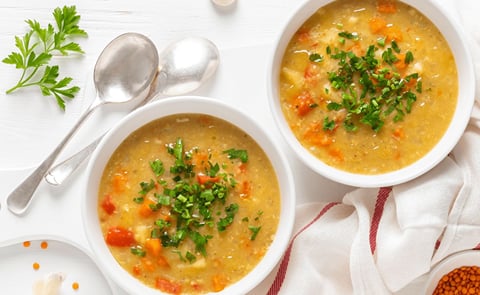
Overdried Potato Starch (Instant Soup)
Siddharth Starch is supplying overdried potato starch.
Overdried Maize Starch (Seasonings)
Siddharth Starch is supplying overdried maize starch.
Browse Companies Offering 原料

Top Tier Ingredients
Top Tier Ingredients supplies potato flakes, flour, and dehydrated potato ingredients for snacks, bakery, and food processing, offering functional, gluten-free, and clean-label solutions for industrial food manufacturers.


Prasan Solutions
Prasan Solutions India Pvt. Ltd., a global leader in food biotechnology since 2012, specializes in pioneering plant-based ingredients that set new standards for quality and innovation.


Frequently Asked Questions
What ingredients are used in potato processing?
Potato processing may involve ingredients, food additives, processing aids and processing media depending on the product and manufacturing process. Common materials include frying oils, salt, starches, flours, hydrocolloids, seasonings, flavours, enzymes, sodium acid pyrophosphate (SAPP), antioxidants and other functional ingredients. Their purpose can include controlling colour, texture, crispness, coating adhesion, flavour, moisture migration, oil uptake and processing consistency. The exact formulation varies between French fries, potato chips, coated products, snacks and dehydrated potato products.
What additives are used in potato chips and French fries?
Additives used in potato chips and French fries depend on the product, process and applicable regulations. Examples can include sodium acid pyrophosphate (SAPP), antioxidants, acidity regulators and other permitted functional additives. Coated French fries may also contain starches, flours and hydrocolloids as part of the coating system. However, not every French fry or potato chip product contains the same additives. Their use and permitted levels depend on the formulation and target market.
What is the difference between a food additive, ingredient and processing aid?
An ingredient is a component used in the formulation of a food. A food additive, under the Codex definition, is intentionally added for a technological purpose and is expected to become a component of the food or otherwise affect its characteristics. A processing aid is intentionally used during processing to perform a technological function and may leave unavoidable residues or derivatives in the finished food. The legal definitions and regulatory treatment can vary between jurisdictions, so manufacturers must check the requirements of the relevant market.
What ingredients are used in French fry coatings?
French fry coating systems can contain combinations of starches, flours, modified starches, hydrocolloids, seasonings and other functional ingredients. These materials can help control batter viscosity, coating adhesion, crust formation, crispness, moisture movement and oil uptake. The formulation must also remain stable during application, par-frying, freezing, frozen storage and final frying. The exact combination depends on the desired product characteristics and processing system.
What does sodium acid pyrophosphate do in potato processing?
Sodium acid pyrophosphate (SAPP) is used in some potato-processing systems to help control undesirable discoloration. It is particularly relevant where maintaining the desired colour of processed potato products is important. FDA guidance also identifies SAPP among processing measures that may help reduce acrylamide formation in French fries. Its effectiveness should be considered together with potato variety, reducing sugars, blanching and frying conditions rather than as a standalone solution.
What oil is used for frying potato chips and French fries?
Vegetable oils are commonly used as frying media for potato chips and French fries. Frying-oil selection affects heat transfer, flavour, surface characteristics, oil uptake, oxidative stability and product shelf life. Industrial processors also consider fatty-acid composition, thermal stability, filtration, oil turnover and cost when selecting a frying oil. Potato variety, dry matter, product dimensions and frying conditions also influence the final amount of oil absorbed by the product.
How do ingredients affect the quality of potato products?
Ingredients can affect several quality characteristics, including colour, flavour, texture, crispness, coating adhesion, moisture movement and oil uptake. For example, starches and hydrocolloids can influence coating structure and viscosity, while seasonings determine much of the sensory profile of chips and snacks. However, ingredient performance depends on processing conditions and raw-potato characteristics, so formulation cannot be separated from factors such as potato variety, reducing sugars, dry matter, frying temperature and processing time.
Which ingredients help reduce acrylamide in potato products?
Acrylamide reduction in potato products is generally approached through a combination of raw-material management, processing controls and, where appropriate, formulation or treatment strategies. FDA guidance identifies measures involving potato variety, reducing-sugar management, blanching, product dimensions, dips or batter ingredients and SAPP for French fries. Acrylamide formation is influenced by the reaction of reducing sugars and asparagine during high-temperature cooking, so no single ingredient can be considered a universal solution.
How do potato variety and storage affect processing quality?
Potato variety and storage conditions can strongly affect processing performance because they influence characteristics such as reducing-sugar concentration. Cold-induced sweetening can increase reducing sugars in susceptible potatoes, which can subsequently contribute to darker colour and greater acrylamide formation during frying. For this reason, processors manage potato variety, maturity, storage temperature and raw-material quality alongside processing conditions.
How are food additives regulated in potato products?
Food additives in potato products are regulated according to the requirements of the market where the product is manufactured or sold. The Codex General Standard for Food Additives (GSFA, CXS 192-1995) provides an international reference containing provisions searchable by additive, functional class and food category. However, Codex is not a substitute for national or regional legislation. Manufacturers must verify permitted additives, conditions of use, maximum levels and labelling requirements for each target market.
Make This Page Even Better!
This content was last updated on 五月 27, 2026
Have a helpful detail to contribute? Catch something that should be corrected?