

Potato Batter: The Science Behind a Crispier Coating
Potato batter is a type of liquid coating used in factories to make processed potato items. It is used as a thin, continuous layer of slurry on cut potato pieces like French fries, wedges, slices and shaped potato products before they are partially fried and frozen. The batter is made in a way that when it is cooked in hot oil, the starch and protein in it change quickly through physical and chemical processes to create a working crust. This crust can help make the potato product better in terms of how it feels, looks, keeps moisture, handles oil and stays together after cooking compared to potato products that are not coated.
In today's frozen potato processing, batter is a key part of many coated potato items. Clear coat systems allow processors to keep potatoes looking natural while also giving them the crispness and shelf life that fast-food restaurants, food service businesses, delivery services and retail stores need. Thicker or heavier mixtures are used when someone wants a crunchier texture or more protection. In these applications, batter acts as both a helper in the processing and a layer that improves the quality allowing processors to get the same good results every time from the raw potato pieces all the way to the finished cooked product.
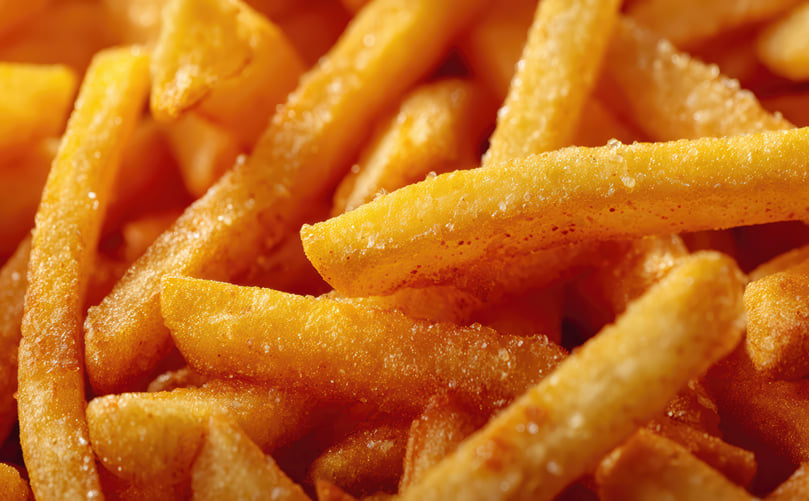
Potato Batter Coating in Frozen French Fry Processing
What Is Potato Batter?
Potato batter is a water-based slurry used as a coating for French fries, potato wedges and other processed potato products. It typically contains starches and flours as the main solids, along with hydrocolloids, leavening agents, salts and other functional ingredients. Commercial potato batter formulations commonly contain around 30–45% solids by weight, with the viscosity adjusted to provide uniform coating and controlled pickup on the potato surface.
The batter remains fluid and largely ungelatinized during preparation and application. Because the starches remain in their native or modified granular state at relatively low temperatures, the batter can be pumped, recirculated and applied consistently to potato pieces. During frying, typically at 175–190 °C, heat causes rapid water evaporation, starch gelatinization and structural development, transforming the liquid batter into a firm, continuous potato coating.
The terms potato batter and potato coating refer to different stages of the process. Potato batter is the liquid coating mixture applied to the potato, while the coating is the solid layer formed during frying. Depending on the formulation, a batter can produce a thin, clear or “invisible” coating that preserves the natural appearance of the potato or a thicker, more opaque and textured crust.
In industrial potato processing, batter systems are used to improve crispiness, texture, appearance, moisture retention and coating adhesion. The formulation can be tailored to produce specific characteristics in products such as coated French fries, potato wedges and other value-added potato products.
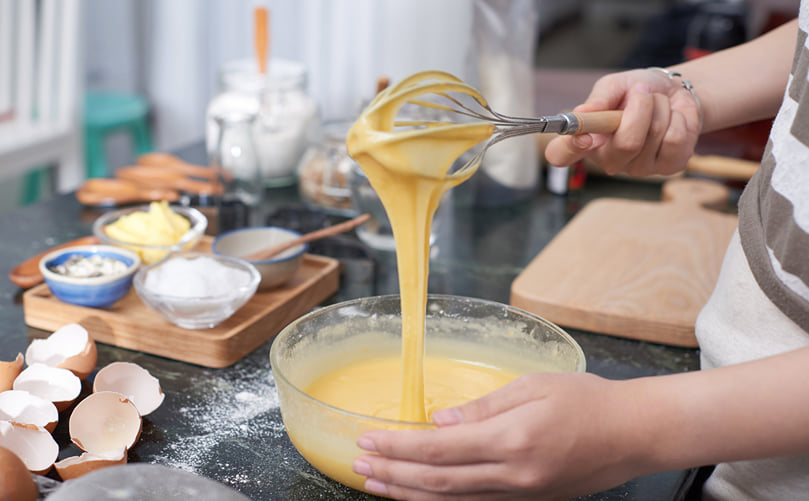
Starch-Based Potato Batter for Processed Potato Products
Why Is Batter Used on Potato Products?
Batter is applied to potato products to help make them crispier, keep them moist, control how much oil they absorb, make the coating stick better and improve their look while they are being fried and kept warm afterward. It creates a working layer over the potato's surface that affects both its texture and how it cooks.
One of its main jobs is taking care of moisture. When you fry a potato, the water inside moves to the surface and turns into steam. If there is no coating, the surface can dry out quickly and as the food sits, moisture can move around and slowly make the crust softer. A batter forms a steady, somewhat tight layer that reduces moisture movement and keeps the surface dry and crunchy for a longer time when under heat lamps, in packaging or when reheating.
Batter also helps control oil uptake. While frying, oil can get into the potato through the tiny holes and paths on its surface that form as the water inside evaporates. A well-made starch-based coating that has been gelatinized creates a thick layer that helps prevent oil from getting into and staying in the product. At the same time having the right amount of surface oil helps create the nice taste, smell and feel when you eat it. The outcome is a more balanced mix of crispness, how it feels and smells and the amount of oil it has.
Adhesion is another important function. After blanching, the potato surfaces are often smooth and wet, which can make it hard for a coating to stick during processing. Batter is made to stick to the potato and keep it wet, and in some cases, it's used along with a small amount of dry powder to help it hold better. Good adhesion allows the coating to stay strong during freezing, handling, packing and the final cooking process. If the coating does not stick well, it can come off or "blow-off," leaving some parts bare and making the crust uneven.
Finally, batter helps make the appearance and color look even and uniform. Potato raw materials naturally have different surface features and levels of reducing sugars because the potatoes come from different types, grown under different conditions are stored in different ways and are processed in different batches. A smooth batter layer makes the surface more even when frying and helps achieve the typical golden-brown color seen in coated potato foods.
Types of Potato Batter and Coatings Used in Potato Processing
Potato batter can be made in different ways based on how crispy you want it, how thick the coating should be, how it looks, how much oil it takes in, how well it sticks to the food and how well it holds up during cooking. The main kinds of potato batter used for making French fries, potato wedges and other processed potato foods are starch-based, flour-based, modified starch, rice-based, tempura style, clear and thick or textured batters.
Starch-Based Potato Batter: Starch-based potato batters mainly use potato, corn, tapioca or rice starch as the main thickening ingredients. They make thin, somewhat see through potato coatings that are crisp and are commonly used for clear coated French fries. Their low protein content helps keep the texture light and prevents it from becoming too cloudy or tough, which is common with gluten.
Flour-Based Potato Batter: Potato batters made with flour often include wheat, rice or corn flour. Wheat flour helps the dough stick better and makes the coating stronger because it develops gluten, but it can also make the crust thicker and less clear. Rice flour and corn flour are often used when you need a lighter texture or a gluten free coating made from potatoes.
Modified Starch Potato Batter: Modified starch potato batters use starches that have been changed in some way, either through chemicals or physical processes. These changes can include things like cross-linking, acetylation, oxidation or hydroxy propylation. These starches can help make the batter more stable, sticky better form a stronger film and resist breaking down when frying. They are especially helpful in frozen French fries and other processed potato items, because they help keep the food crispy and stable even after being frozen and thawed.
Rice-Based Potato Batter: Rice-based potato batters are made mostly from rice flour or rice starch. They make a light, crisp layer with a clean taste and are often used in gluten-free potato items. Rice-based coatings work well for French fries, potato wedges and other foods where you want a light and crunchy texture.
Tempura Style Potato Batter: Tempura style potato batter has ingredients that produce carbon dioxide when it is fried. The gas cells form a light and airy structure and the crust becomes very crisp and easily breaks apart. Unlike the smooth coating on regular potato dishes, tempura style batter creates a crunchy and visible texture on the surface, making it perfect for potato wedges, special fries and other coated potato items.
Clear or Invisible Potato Batter: Clear or invisible potato batter is made to offer the same benefits as a coating, but it keeps the potato looking natural. These products are mostly made of starch and have little protein to keep them from looking cloudy. The thin layer helps to make French fries crunchier, keep them moist, control how much oil they absorb and make them hold together better without forming a thick, noticeable crust.
Heavy or Textured Potato Batter: Heavy or textured potato batters contain higher solids levels and may include coarse flour particles, starches or other texturizing ingredients. They produce a thicker, crunchier crust with greater mechanical strength. These potato coatings are particularly suitable for wedges, formed potato products and applications where the coating must withstand processing, handling and extended holding.
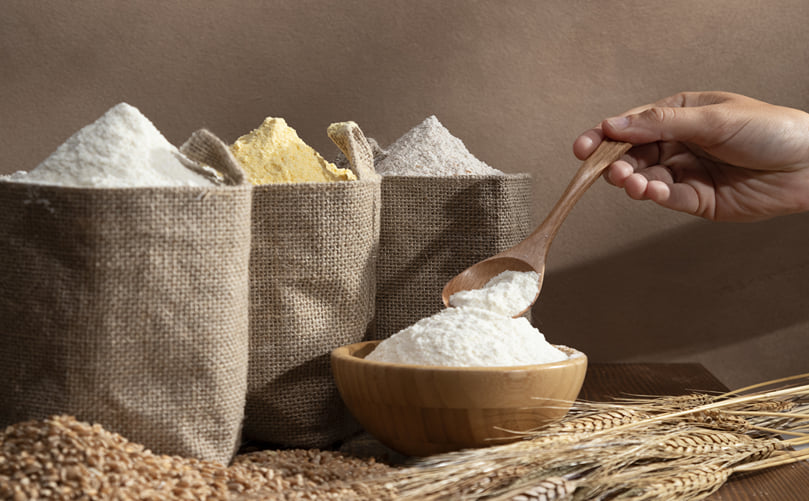
Starch, Flour and Modified Starch Potato Batters
Ingredients Used in Potato Batter
Starches: Potato starch granules are some of the biggest starches used in commerce and they can grow as large as 100 micrometers. Their high phosphate content causes quick swelling and a very high peak viscosity, which makes a brittle, glassy structure that is appreciated for being crisp. Corn starch has a medium granule size and helps control how thick the mixture becomes. Rice starch, because of its tiny granules, makes thin, even films and helps take in less oil. Different types of the three starches are chosen based on how they handle certain processing steps: cross-linked potato starch holds up better when moving through recycling lines without breaking down. oxidized starches make it easier for the starch to gelatinize at lower temperatures and help with sticking when wet and acetylated starches make the product more stable when frozen and thawed and also make the film more flexible.
Flours: Wheat flour helps create a protein structure that makes the coating stronger, but too much gluten can make the crust too hard. Rice flour is mostly free of gluten and gives a short, clean texture. Corn flour gives the mixture some texture and a subtle grain flavor and it also helps make the batter less thick.
Hydrocolloids: Xanthan gum and guar gum are usually used in amounts that are less than 0.5%. They help increase the viscosity under low shear conditions, stop the starch granules from sinking when the mixture is being reused and make the slurry stick better and spread more easily on the potato surface. Once the batter is heated, the hydrocolloids strengthen the continuous layer of the gelatinized starch film.
Leavening Agents: When the batter gets to the right temperature for frying, sodium bicarbonate along with sodium acid pyrophosphate (SAPP) or another acidulant produces carbon dioxide. The gas makes the film stretch out before it hardens, creating the airy texture typical of tempura style coatings. SAPP works at the same time to bind iron and lower enzymatic browning, which helps manage the final color.
Proteins and Emulsifiers: Small amounts of dairy proteins, sodium caseinate or de-oiled lecithin help improve how well surfaces stick together and make the film more flexible. Lecithin, which is often used together with calcium lactate, helps keep bread crisp for longer in commercial products.It does this by changing the crust's surface and reducing how much moisture gets absorbed back into it.
Salt, Seasonings and Minor Functional Ingredients: Salt adds taste and slightly changes the temperature at which starch becomes gelatinized. Dextrose or low-DE maltodextrins give a controlled Maillard browning effect without causing too much darkening. Dextrins, especially those made from potatoes or tapioca, help the film stick together better and add more crunch. These small parts are measured exactly so they help support the main starch base without taking over.
How Does Potato Batter Work?
Batter Adhesion to the Potato Surface: The process starts when the potato batter touches the potato's surface. Surface tension and viscosity help the liquid batter stick to the blanched potato and any pre-dusted starch adds extra grip making the coating stick better. Too much slurry is taken away so that only a small, controlled amount of film stays on the potato's surface.
Starch Gelatinization During Frying: When the coated potato pieces go into hot oil, heat moves quickly to them. Free water in the batter starts to turn into steam right away, which makes the existing leavening gases expand. At the same time, the temperature of the water left inside the starch granules goes above the gelatinization range, which is usually between 60 to 75 degrees Celsius for potato starch and even higher for some types of cross-linked starch. The granules take in the leftover water, get bigger and stop having a clear crystal structure, which makes them form a sticky, flexible gel.
Crust Formation and Crispness: As more water leaves the system, the gel becomes thicker and finally hardens into a stiff, airy solid that creates the crispy potato coating or crust. The air holes in the crust are affected by how quickly steam can escape and whether there are gases that help the dough rise. A structure that is more open leads to a lighter and more fragile break, whereas a denser film results in a tougher and crunchier feel.
Oil Uptake During Frying: Once a continuous starch film forms, oil can not penetrate much anymore. A lot of the oil gets absorbed while the crust is still forming and during the cooling process after frying, when oil can seep into tiny spaces in the coating. A good potato batter coating can help manage how much oil the potato absorbs compared to if it's not coated or coated badly, while still giving enough surface oil for good taste and texture.
Moisture Barrier and Crispness Retention: The moisture still inside the potato piece is kept away from the outside air by the crust, which doesn't let much moisture pass through. This barrier slows down the movement of water vapor going out during holding, which helps keep the surface dry and the French fries crispy for a longer time. The same barrier also shields the coating from outside moisture, which is especially important for use in food service, delivery and situations where the product needs to be kept for a longer time.
Frozen Storage and Final Cooking Performance: During frozen storage, the gelatinized starch network must resist retrogradation and syneresis. Modified starches and appropriate hydrocolloids help stabilize the amorphous regions of the coating so that, upon final cooking, the crust can re-crisp rather than becoming excessively tough or soggy. The entire sequence adhesion, gelatinization, dehydration, crust setting and moisture barrier formation occurs within the short residence time of industrial par-frying and forms the scientific foundation of successful potato batter and French fry coating systems.
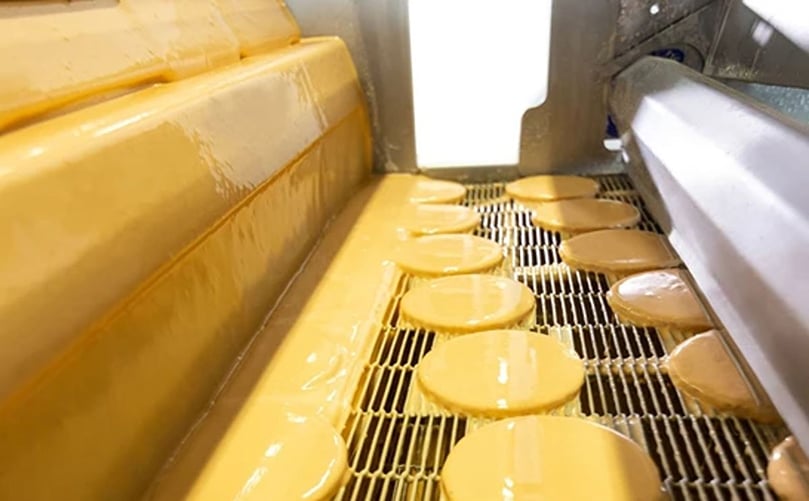
Potato Batter Adhesion, Gelatinization and Crust Formation
Potato Batter Formulation and Processing Parameters
Dry Ingredients and Composition: Creating potato batter requires carefully adjusting the mix of solid ingredients, the amount of liquid and the added functional components to get the right thickness, how well it sticks to food, how strong the coating is and the final texture of the product. A regular dry mix usually has 50 to 80 percent starches, like native or modified potato, corn, tapioca or rice. It also includes 10 to 30 percent flours, such as rice, wheat or corn. Along with these, it has a bit of hydrocolloids, leavening agents, salts, dextrin's and emulsifiers. The choice and amount of each ingredient in the potato batter affect how well the final potato coating works.
Water-to-Solids Ratio: The ratio of water to solids is changed so that the final potato batter mixture has 30 to 45 percent solids by weight. Lower levels of solids make thinner and clearer films, which are better for clear coated French fries. Higher levels of solids create thicker and stronger coatings, which work well for potato wedges and shaped potato products. Batter thickness is managed not just by the total amount of solids, but also by how much the chosen starches expand and the number of hydrocolloids used. Cross-linked potato starches don't create as much thickness when it's cold compared to regular potato starch, which means you can use more solid ingredients without making the batter too thick.
Batter Temperature and pH: Potato batter is usually kept at a temperature between 10 degrees and 20 degrees Celsius to prevent the starches from getting too firm and to reduce the growth of microorganisms while the batter is being reused. The pH of the batter is usually kept in a mildly acidic range between 5.5 and 6.5 by using sodium acid pyrophosphate or other acidifiers. This range can help control color and affect how starch gelatinizes during frying.
Formulation for Different Cooking Methods: The amount of solid ingredients, the mix of flour, starch and how much the starch is changed are all chosen based on how the food will be cooked. Deep fat frying batter mixes can handle more oil on the surface and often use straightforward combinations of starches. In contrast, potato batter made for ovens or air fryers might use more modified starches and hydrocolloids that help create a crispy texture with less oil on the surface.
Coating Thickness: The thickness of the potato coating that is wanted also affects the amount of solid material needed. Clear coated French fries usually have a dry film thickness of about 0.2 to 0.6 millimeters, but textured potato coatings can be thicker, sometimes reaching 1 millimeter or more. The final product needs to carefully balance how thick the coating is with how well it sticks to the potato, how crisp it feels, how well it keeps moisture, how much oil it absorbs and how it looks once it's finished.
Potato Batter Application Process: From Pre-dusting to Freezing
Potato Preparation and Blanching: The process of applying industrial potato batter starts once the potatoes have been washed, peeled and cut into the needed size and shape. Blanching in hot water or steam, usually at 70 to 85 degrees Celsius for 2 to 10 minutes, helps to gelatinize the surface starch, stop enzymes from working and remove some sugars that can cause discoloration. An optional quick step to dry or blow air over the surface takes away extra moisture that might make the potato batter thinner or cause the coating to stick less well.
Pre-dusting: Pre-dusting is a key part of the potato coating process. A thin layer of dry starch or flour is spread over the surface using methods like tumbling, spraying or a fluidized bed process. The dust forms a dry, rough surface that helps the next layer of batter stick better and makes it easier for the batter to spread and stick to the food. It also lowers the chance of the coating blowing off because of steam while frying.
Potato Batter Application: Potato batter is usually spread using methods like dip tanks, curtain coaters or overflow coating systems. The potato pieces go through a continuous layer of batter or are completely covered to make sure every part gets an even coating. After that, too much slurry is taken away using methods like gravity drainage, vibrating conveyors, air knives or soft rollers. The goal is to get an even leftover coating with a managed amount of batter attached, which helps decide the final thickness and feel of the coating.
Batter Setting and Par-Frying: A brief setting time can happen after applying the potato batter, letting the coating start to dry out and stick tightly to the potato before partially frying it. Par-frying for 30 to 90 seconds at a temperature between 175 and 190 degrees Celsius helps the starch in the batter to gelatinize, takes out the extra moisture and makes the outer layer crispy and set. Having the right control over the par-frying conditions is important for getting the perfect crispness, color, how well the coating sticks and the overall texture of the French fries.
Freezing and Final Cooking: After being partially fried, the coated potato products go through a freezer, like a spiral or fluidized-bed freezer, which quickly cools the product to below –18 °C. Quick freezing keeps the potato coating intact while it's stored and shipped frozen. The final step of cooking is done by the user with a deep fryer, oven, air fryer or any other appropriate method.
Potato Batter Viscosity and Pickup: Factors, Control and Measurement
Batter viscosity is a key factor in controlling how well the potato batter works, how thick the coating turns out, and how much batter sticks to the food. It can be measured either while it's being made or during the process with tools like rotational viscometers, Bostwick consistometers or Zahn cups, based on the type of batter system and the needs of the plant. Measurements can be given in centipoise (cP), Bostwick flow distance (cm) or efflux time (seconds). The viscosity of French fry batter can change depending on how it's made and how it's used. Usually, batters used for clear coats have lower viscosities, often between 200 and 800 cP when applied. On the other hand, thicker potato coating systems might have higher viscosities, sometimes more than 1,500 cP.
Batter pickup means the increase in the weight of the potato after applying batter and then removing the extra part. The amount of batter that sticks to the potato depends a lot on how thick the batter is. Thicker batter tends to stay on the potato better than thinner batter. People often see a pickup of about 8 to 15 percent with thin clear coatings, but thicker or rougher coatings might need 15 to 25 percent or even more. The target pickup percentage depends on the specific formulation and process used. Because a lot of the water in the batter is taken out during the par-frying process, the final amount of solid coating is only part of the original wet pickup and it depends on how much solid material was actually in the batter to begin with.
Several factors affect batter viscosity and pickup. Higher total solids, lower batter temperature, more high swelling starches and more hydrocolloids usually make the mixture thicker and can lead to more coating pickup. On the other hand, using water to thin it out, heating it up and adding starches that don't absorb much water when cold can help lower the thickness and how much the batter sticks. Potato surface characteristics also influence batter pickup. Cutting roughness, leftover moisture from blanching and a layer of dust on the surface can all affect how much slurry stays on the potato's surface.
The connection between batter viscosity, pickup and the final texture isn't straight forward. Not enough pickup can cause the coating to miss some areas, leave parts uncovered, stick poorly and not look sharp enough. Too much pickup can make the crust too thick or leathery, change how the oil is absorbed and raise the chance of the coating peeling off or blowing away while frying. That's why processors set a specific range for batter viscosity and pickup control, which helps ensure the coating is thick and even and the product stays consistent in quality.
Batter viscosity control is therefore an important part of industrial potato processing. Operators monitor batter consistency and pickup during production and adjust water addition, temperature, solids concentration or other formulation variables when necessary. Batter pickup can be measured on the production line by comparing product weights before and after batter application and excess batter removal. Maintaining viscosity and pickup within the target range helps deliver uniform potato coating, consistent crispness, controlled oil absorption, good coating adhesion and stable French fry quality.
Batter-Coated French Fries: Benefits, Formulation and Processing
Potato batter for French fries is a thin mixture made from starch or flour that is used to coat the cut potato strips before they are partially fried and frozen. These French fries are coated in batter so that they form a thin, crispy layer when fried and they also help keep the texture good when they are kept warm, served or reheated. Many commercial coated fries use clear coat batter systems, where the final coating becomes almost see-through but still helps make the fries crispy, keeps them from getting too wet and helps the coating stick properly.
French fry batter is usually made with starches like potato, rice, corn or tapioca, along with modified starches, rice flour, hydrocolloids and other special ingredients that help it work well. The formula is changed to manage how thick the batter is, how well it sticks to the food, how thick the coating becomes and how well the food cooks when fried. Batter solids can usually be around 35 to 42 percent, but different commercial products may have varying amounts depending on what kind of coating is needed. Wet batter pickup also depends on the formulation and the process used and it usually ranges from about 10 to 18 percent for thinner, clear coatings.
When you par-fry French fries, the batter quickly loses moisture and creates a thin, crispy layer around them. This coating made from starch helps keep moisture from moving from the inside of the potato to the outside, which can make French fries stay crisp and maintain their texture better when they're held warm. This feature is especially useful for fast-food restaurants, food service businesses and delivery services, because steam and long holding times can make raw fries lose their crispness.
One of the main advantages of coating French fries is that they stay crisp for longer. A well-made French fry coating can keep the fries crisp for a longer time when stored properly and it also gives them a smooth and even texture. The coating can help make the surface color and look more even, but the final color still mostly depends on the type of potato, how much reducing sugar it has, whether it's blanched, the frying temperature and other steps in the process.
Coated French fries may reheat better in ovens, air fryers and other cooking methods, depending on how the coating is made and the conditions used during processing. The coating creates a protective layer that helps control how moisture moves and helps form a firm, crunchy texture when the food is reheated.
The coating is made to make French fries taste better and stay crisp without covering up the real potato flavor too much. The impact on oil absorption depends on the type of starch used, the thickness of the coating, the frying conditions, the characteristics of the potato and how the whole process is set up, so lowering the final oil content isn't always a good thing.
The main goal of the French fry batter and clear coating is to form a thin, strong, crunchy layer that helps make the fries crispier, better at keeping moisture, hold their texture, stick to the coating properly and stay better tasting throughout frying, keeping warm, moving around and reheating.
Potato Batter Applications Beyond French Fries
Potato wedges, since they are bigger and have uneven shapes, often use thicker or slightly textured coatings. These coatings create a stronger crust that can handle longer cooking times and rougher handling during preparation. Potato slices and hash brown style foods might use very thin clear coatings or light adhesion batters to make the surface crispier without hiding what the food is made of.
Potato-based shaped foods like nuggets, croquettes, patties and extruded forms usually use a type of batter similar to tempura or with medium thickness. This batter helps create a crispy outer layer and also supports the structure of the shaped product. These batters often include leavening agents to make the crust light and airy and they have more starches that help form a film, which keeps the product from getting damaged when it's frozen and thawed.
Some special foods like crispy potato skins, filled potato dishes or snacks made with two layers of dough might use a sticky batter to stick things together and then add another coating or they might just use a thick, heavy batter by itself. In each case, the batter is adjusted based on the product's shape, surface wetness and how it's cooked in the end to make sure the coating sticks well, doesn't take in too much oil and has the right texture as needed.
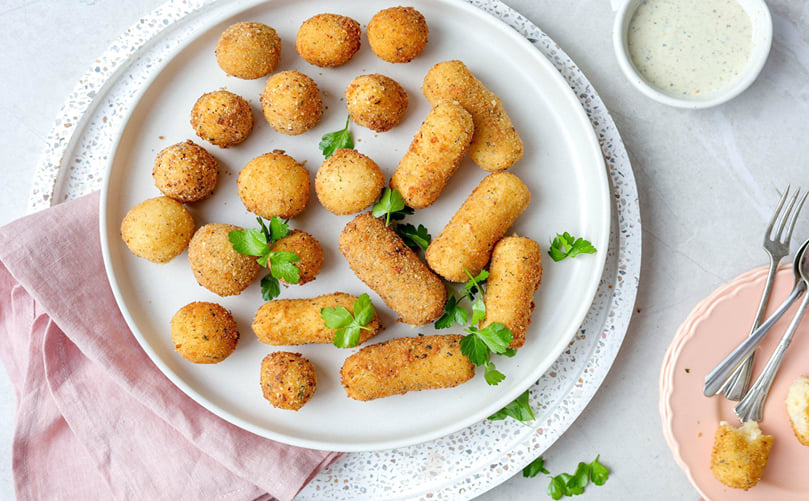
Batter-Coated Potato Products Beyond French Fries
Industrial Equipment for Potato Batter Processing
Modern industrial potato batter equipment is built for ongoing and fully automated processing. Dry-mix and water metering systems supply materials to either batch mixers or continuous high-shear mixers, which help make a uniform batter slurry that has the same number of solid materials and the same temperature every time. The finished batter is kept in tanks that are jacketed and stirred with sensors to check the level and loops that circulate the batter. This helps prevent the batter from settling and keeps its consistency and temperature the same throughout.
Positive-displacement or centrifugal pumps move the batter to the application area. Dip tanks, curtain coaters or overflow applicators give the potato pieces full and even coating. Right after that, special stations are used to take out the extra batter. These stations use gravity to let the batter drain, vibrating belts to move it along and adjustable air knives to help pick up the right amount of batter. Some processing lines also use soft roller systems or centrifugal spinners to remove more batter, especially when dealing with bigger potato pieces.
The coated product then goes into a continuous par-fryer, which usually uses a mesh-belt or multi-zone frying system. This setup allows for precise control of the oil temperature and how long the product stays in the fryer. Integrated oil filtration and oil-level control systems help keep frying conditions steady during the whole production process.
After frying, the product is moved to spiral or fluidized-bed freezers. These freezers quickly lower the product's temperature and the center of the product usually reaches around –18 °C or colder, which is the standard for frozen items. During the entire production process, sensors that measure viscosity, systems that check weight and cameras that take pictures all give immediate feedback about how the process is going. This lets operators or automatic systems change the water amount, pump speed or air knife pressure to keep the batter's thickness, coating ability and product quality as needed.
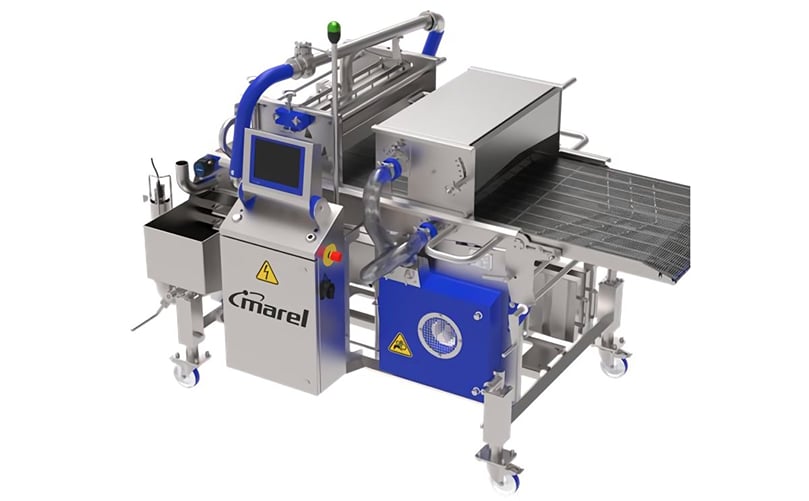
Potato Batter Processing and Coating Line
Common Potato Batter Problems: Causes and Troubleshooting
Why Does Potato Batter Not Stick?: Potato batter may fail to stick because of excess surface moisture, inadequate pre-dusting, low batter viscosity, insufficient solids or poor coating coverage. Excess water on the potato surface can dilute the batter and reduce adhesion. A properly applied pre-dust helps absorb surface moisture and provides a rough surface for better mechanical anchoring. Batter that is too thin or has insufficient solids may drain from the potato before the coating sets.
Why Does Potato Batter Fall Off During Frying?: Potato batter can fall off during frying, often called blow-off, when steam generated from moisture inside the potato builds pressure beneath the coating before the batter has developed sufficient strength. High surface moisture, poor adhesion, inadequate pre-dusting, excessive coating pickup and slow coating development can increase the risk. A well-formulated batter should develop sufficient early film strength while remaining flexible enough to withstand steam release and expansion during frying.
Why Is Potato Batter Too Thick or Too Thin?: Potato batter viscosity is affected by total solids, starch and flour type, hydrocolloid concentration, water level, temperature and mixing conditions. Starches with high water-binding capacity can increase viscosity, while different modified starches provide varying levels of viscosity and process stability. Hydrocolloids such as xanthan gum can significantly increase viscosity at relatively low concentrations. Consistent water addition, temperature control, mixing and viscosity monitoring are essential for achieving the desired batter consistency and coating pickup.
Why Does Potato Batter Become Soggy After Frying?: Potato batter can become soggy when moisture migrates from the potato interior into the fried coating. If the crust does not develop sufficient structure during frying, it may lose crispness rapidly. During holding, steam and moisture move through the coating and increase its moisture content, reducing crust grigidity. High humidity packaging, condensation, prolonged holding and unsuitable batter formulations can accelerate softening. Batter systems designed for improved moisture management and holding stability can help maintain crispness for longer.
Why Does Potato Batter Absorb Too Much Oil?: Excessive oil absorption can occur when the coating develops a weak, porous or discontinuous structure. Low batter solids, poor coating coverage, inappropriate leavening and slow crust formation can increase oil uptake. Frying temperature also plays an important role. If the frying temperature is too low, moisture removal and crust setting may be delayed, potentially increasing oil penetration. Batter formulation, coating thickness, frying temperature, frying time and final crust structure should therefore be controlled together.
Why Does Potato Batter Turn Too Dark?: Potato batter may become too dark because of high frying temperatures, excessive frying time, residual reducing sugars or reducing sugars present in the batter formulation. Inadequate blanching can leave higher levels of reducing sugars in the potato, which promote Maillard browning during frying. Proteins and amino-group containing ingredients can also contribute to color development. Proper blanching, controlled frying temperature, time and appropriate batter formulation help maintain the desired golden-brown color.
Why Does Potato Batter Crack or Blister?: Potato batter can crack or blister when steam pressure, expansion or drying stresses exceed the strength and flexibility of the coating. An excessively rigid or brittle coating may crack as moisture escapes or as the potato expands during frying. Blistering can occur when steam becomes trapped beneath or within the coating. Excessive coating thickness, poor adhesion, uneven coating development and unsuitable starch or hydrocolloid systems can increase the risk. The batter should provide sufficient film strength while retaining enough flexibility to accommodate steam release and product expansion.
Why Do Batter Coated Fries Lose Crispness During Holding or Delivery?: Batter coated fries lose crispness primarily because moisture migrates from the high moisture potato core into the relatively dry crust. As the coating absorbs moisture, its rigid starch-based structure becomes softer and less brittle. Steam condensation inside packaging can accelerate moisture uptake, particularly when hot fries are enclosed without adequate moisture and vapor management. Long holding times, high humidity and condensation therefore reduce crispness. Optimized batter formulation, frying conditions, holding practices and packaging can help extend the crispness of batter coated fries during storage, transport and delivery.
Potato Batter and Oil Absorption: Factors Affecting Oil Uptake
Oil uptake in battered potato products is influenced by the interaction between coating structure, moisture loss, frying temperature, batter formulation and post-frying cooling. During the early stages of frying, the batter contains substantial moisture and has not yet developed its final crust structure. As water evaporates and starch gelatinizes, the coating develops a more continuous structure that can reduce the movement of oil into the crust.
Oil absorption can occur during several stages of frying and after the product leaves the fryer. During frying, oil can enter pores and voids within the developing coating, particularly while the crust is still forming. After frying, oil remaining on the surface may be drawn into pores and capillaries as steam escapes and the product cools. The final oil content therefore depends not only on the frying stage but also on coating porosity, surface oil retention, crust structure and cooling conditions.
Batter formulation has a major influence on oil uptake. Total solids, starch type, flour composition, hydrocolloids, leavening agents and coating thickness affect the porosity and strength of the fried crust. A well-developed, continuous coating with controlled porosity can limit oil penetration and reduce surface oil retention. In contrast, highly porous or weak coatings can retain more oil within their internal structure.
Frying conditions are equally important. Frying temperature and time influence the rate of moisture removal and crust formation. If the temperature is too low, crust development may be delayed and the product may remain in the fryer longer, potentially increasing oil uptake. Excessively high temperatures, however, can cause rapid surface drying and excessive browning before the desired internal moisture loss is achieved. Frying conditions should therefore be optimized together with batter composition and coating pickup.
The physical properties of the frying oil also influence oil retention. Oil viscosity, temperature, surface tension and oil quality affect how much oil remains on the product surface and how readily it moves into coating pores during cooling. Oil viscosity generally decreases as frying temperature increases, while cooler oil becomes more viscous and may contribute to greater surface oil retention during cooling.
Potato batter therefore acts as an engineered coating system that influences oil uptake through its solids content, film formation, thickness, adhesion and porosity. Optimizing batter formulation, coating pickup, frying temperature, time and post-frying handling is essential for controlling oil absorption while maintaining a crisp, well-structured crust.
Potato Batter and Crispness: Factors Affecting Crispness and Texture
Crispness comes from the low moisture, rigid starch-based structure that forms as the batter thickens and loses water during frying. How the matrix breaks whether it makes a clear, loud snap or a softer, longer crunch depends on how thick the crust is, how much air is in it, how wet it is and the type of starch used at a molecular level. Starches that are high in amylose or have been properly modified can help create a firmer and more brittle texture. However, if there is too much plasticizing material, too much leftover moisture or if the product isn't dried enough, it can result in a softer, tougher or leathery feel.
The freshness of the crispness is checked right after the food is fully cooked. The crispness that lasts over time is mainly determined by how well the crust keeps moisture from getting in. As water vapor moves from inside the potato or moisture comes from the outside, the starch-based structure takes in water and becomes less firm. This moisture causes the crust to become softer, which lowers its strength and makes it less crisp. Specialized modified starches and certain hydrocolloids can help keep moisture under control and maintain the product's texture making it stay crisp for longer when exposed to heat lamps or stored in delivery packaging.
Reheating works the same way as cooking. When using an oven or air-fryer, you need to take out enough extra wetness from the crust but still keep its airy texture. Batters made to be reheated can include starches that form a hard, crunchy texture as the water on the surface dries up. How well something reheats depends on the mix used to make the batter, the way the crust is formed, how much moisture is in it, the temperature it's reheated at and how long it's reheated.
Potato Batter for Frozen Products: Freeze Thaw Stability and Crispness
After applying the batter and removing any extra, the coated pieces are usually partly fried to start gelatinizing the starch, form the crust and take off some of the moisture from the surface. Quick freezing, usually to a center temperature of about –18 °C or colder, helps keep the partially cooked coating from changing much and keeps its shape during storage in the freezer.
While the crust is frozen, it needs to keep its stickiness, strong shape and ability to resist damage from getting wet. Starch that has been changed in some way, either chemically or physically can stay flexible and not break down when frozen and thawed, which helps prevent unwanted changes in shape and keeps the coating from cracking. Keeping moisture from moving around and preventing ice crystals from forming is also important because too much ice crystal growth can harm the coating's structure and lead to cracking, weakening or losing its stickiness.
When the frozen product is finally cooked whether by deep-frying, oven baking or air frying the coating gets heated again, the moisture is taken out and the crust becomes crispy. Formulations that keep the food stuck together and strong even after freezing, storing and cooking are important for frozen potato products that are sold in stores and used by restaurants.
Potato Batter for Air Frying and Oven Cooking
Air frying and using an oven require much less extra oil compared to deep fat frying. So, crispness and color mainly come from hot-air heat transfer, moisture evaporating and the starch forming a film, instead of from the food touching hot frying oil directly. Batters made for these cooking techniques usually focus on starches that form a continuous film, controlled amounts of solids and ingredients that help create a strong crust by drying the surface quickly.
Since there isn't much oil outside to help with frying, it's really important for the batter to stick well and keep the structure strong. Some parts of the coating might still show after cooking, which can lead to a inconsistent texture or less crispness. Some recipes might use special kinds of starch that have been changed in a certain way, like starch that has been made to react with oxygen or has been treated with acetic acid. These kinds of starch help the food to form a better film, stick better and stay crisp even when cooked with less oil. Browning can be managed by using the right amount of reducing sugars or dextrins, which helps create the right color without too much darkening or burning on the surface.
These batter systems need to handle the temperature changes and longer cooking times that happen in home ovens and air fryers, while still keeping the food stuck to the batter, drying it out properly and making it crispy all the way from frozen to fully cooked.
Clean-Label Potato Batter: Ingredients, Formulation and Processing Performance
Clean-label potato batter development aims to replace chemically modified starches with options that are naturally occurring, physically altered or lightly processed. These alternatives are meant to work just as well during manufacturing and in the final product as the chemically modified starches. Functional native potato starches made using methods like heat moisture treatment, annealing or other controlled processes can enhance shear strength, heat stability and processing performance without needing any chemical changes.
Gluten-free potato batter systems often use rice, potato and corn starches or flours, which replace wheat and gluten ingredients. These systems keep the batter strong, sticky and crisp by carefully mixing different starches and adding specific thickening agents. Non-GMO and identity-preserved ingredient sources can also be chosen to satisfy specific market or customer needs.
Sodium can be reduced by using less salt but still keeping the taste good with the help of other flavoring ingredients. It's also important to balance other ions that influence how starch absorbs water, how thick the mix becomes and how well the batter works. The list of ingredients can be made simpler by choosing ingredients that serve multiple purposes, like controlling thickness, forming a film, helping things stick together and keeping the product stable when frozen and thawed.
The resulting clean label batters are made to match what customers expect from easy-to-read and simpler ingredient lists, while still providing the good performance needed for potato products. This includes things like sticking well, being crispy, covering the food properly, staying stable during processing and holding up well.
Future Trends in Potato Batter Technology and Innovation
Research and commercial work on potato batter technology are now more focused on making the product crispier, keeping the coating stable, managing oil better, using clean-label ingredients and ensuring the process works consistently every time. Low-oil and oil-free cooking methods need batters that can create good crispness, browning and structure without using much external fat. This is leading to more research and creation of film-forming starch systems, hydrocolloids and other special ingredients that help food dry quickly on the surface and form a crust.
Foodservice, delivery and takeaway uses need crispness that lasts longer, especially when it's humid. Because of this, batter systems are being designed to enhance their ability to block moisture and keep the coating firm and crispy during storage, transportation and when reheating. Formulations are also being improved for use in air-fryers and ovens to help food crisp up faster, stick better to the cooking surface and turn out with a more even color, especially when preparing frozen potato items.
Clean-label rules are pushing for using less of chemically changed ingredients by replacing them with starches that are naturally sourced, physically altered or treated with enzymes whenever it's allowed and possible. Better choices in starch and improved processing methods are also helping to manage retrogradation, moisture movement and ice crystal formation, which supports better freeze thaw stability in frozen potato products.
Another big area of development is process automation. Keeping a close eye on the battery's viscosity, temperature, solid content and how much coating is picked up in real time along with automatically adding the right amount of water and dry mix, helps make the formula more consistent and ensures the coating is even on fast production lines.
In the future, functional starch and batter systems are probably going to be made to fit specific types of potatoes, how they are cut, their surface texture, how they are frozen and how they are cooked in the end. This product specific method allows processors to improve adhesion, crispiness, color, oil absorption, holding time and overall taste for various potato products and different market needs.

