
"Focus on Potato"of the Plant Management Network has published a new webcast:
"Aphid Management in Potatoes"
by Juan Manuel Alvarez, Associate Professor of Entomology at the University of Idaho.
This presentation will help consultants, growers, and other practitioners in the United States to develop a better understanding about aphids, which are considered major potato pests in the U.S.
Aphids cause direct damage to potatoes by feeding on the phloem of the plant. Occasionally, high densities can kill plants. More importantly, aphids transmit viruses that cause serious diseases on potato plants that reduce the yield and quality of potatoes. This presentation introduces concepts that help identifying the most important potato colonizing and non-colonizing aphid species in several parts of the U.S.
The information presented on the management of aphids includes cultural, biological and chemical control methods. Managing aphids successfully, using any method, depends on being able to reliably monitor aphid populations in the field.
The presentation also includes recommendations on how to scout for aphids, as well as brief explanations about the two most economically important viruses that affect potatoes: Potato Leafroll Virus (PLRV) and Potato Virus Y (PVY). Understanding how aphids transmit the two viruses is critical in the management of this pest to prevent virus infections.
Even the most intense aphid control may not prevent spread of viruses unless measures are also taken to keep virus-source plants at a minimum. Information is also presented about an omnipresent weed plant in the Pacific Northwest of the U.S. that is in the same family as the potato, the hairy nightshade, which is not only a preferred host for potato colonizing aphids but also an additional inoculum source for PLRV and PVY.
Research in Idaho has demonstrated that hairy nightshade might play a major role in the epidemiology of potato viruses. The presentation includes a section on this important weed plant that is currently present in many potato-growing regions of the US.
Since at this time most of the aphid management in potatoes is done with insecticides, the final part of the presentation is dedicated to chemical control and includes recommended chemistries that not only kill the aphids but also prevent virus transmission.
This webcast can be accessed without subscription until November 30, 2010
View the webcast
New PMN webcast: Aphid management in potatoes

Like to receive news like this by email? Join and Subscribe!
Get the latest potato industry news straight to your WhatsApp. Join the PotatoPro WhatsApp Community!
精选企业

相关新闻
九月 07, 2026
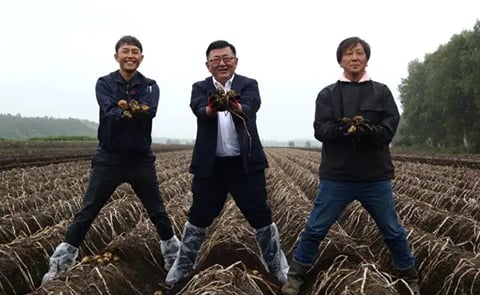
Calbee Potato Harvest Ceremony 2026 Highlights Stronger Hokkaido Potato Quality and Yield
Calbee Potato expects Hokkaido’s 2026 processing potato crop to reach 240,000–250,000 tons, with better quality and yields than 2025. Favorable temperatures and rainfall have boosted growth, although heavy rain remains a major harvest risk now.

九月 07, 2026
Aardappeldemodag 2026 Draws Over 4,500 Visitors as Dutch Potato Sector Faces Year of Extremes
Aardappeldemodag 2026 brought over 4,500 visitors to Westmaas amid a challenging year for the Dutch potato sector. The event focused on market pressures, extreme growing conditions, knowledge sharing, machinery and innovation.

九月 07, 2026
EUROPLANT与Finpom强调芬兰种薯优势,应对欧洲日益加剧的病毒压力
Finpom强调芬兰北部在高等级种薯生产方面的优势,因为气候变化提高了欧洲的病毒风险,同时通过LARISSA、JUVENTA、Filipa、FAVOLA和INA扩展了其EUROPLANT产品组合。