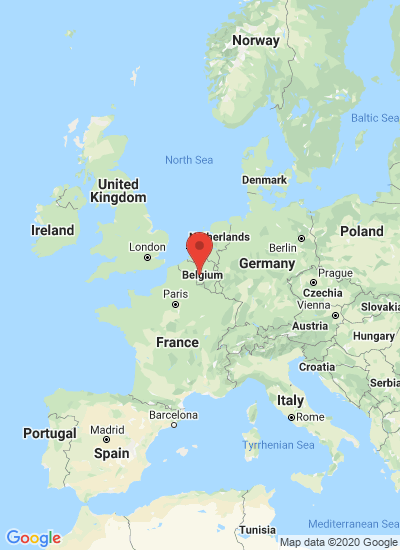
Private label market share across Europe reaches 38.8% in 2025, with strong penetration in countries like Spain, United Kingdom, France, and Belgium, highlighting a widespread shift toward value-driven grocery choices.
Redefining Value: Private Label Emerges as the Future of Grocery

Grocery shopping habits across Europe are undergoing a profound transformation, with private label products moving from a cost-driven alternative to a central pillar of consumer preference. What initially accelerated as a response to rising living costs in the aftermath of COVID-19 has now evolved into a long-term structural shift in how shoppers define value.
Private Label Gains Ground Across Europe
Recent data highlights the scale of this transition. Across 17 European markets, private label now accounts for 38.8% of total grocery value, marking an increase of +0.33 percentage points compared to 2024. Growth has been recorded in 12 of the 17 markets, underscoring that this is not an isolated phenomenon but a widespread trend.
Private label products, alongside discount retailers—together forming the so-called “value tier”—are no longer perceived as budget substitutes. Instead, they are increasingly becoming the preferred choice for consumers seeking a balance between quality and affordability.
Mature Markets Lead Innovation and Trust
The shift is particularly evident in established private label markets such as Spain, United Kingdom, France, and Belgium. These regions not only show high penetration of private label products but are also at the forefront of innovation, quality enhancement, and consumer trust.
Companies like Agristo have played a significant role in shaping this landscape, supporting retailers in delivering consistent quality while driving category innovation.
From Budget Alternative to Trusted Brand
The perception of private label has shifted dramatically. Once associated with compromise, retailer-owned brands are now widely trusted for both quality and price competitiveness. In several categories, private label products are able to rival—and in some cases outperform—traditional A-brands in terms of emotional connection and consumer relevance.
At the same time, the price gap between branded products and private label is becoming increasingly difficult to justify. Industry insights indicate that while leading brands may score only 10–25% higher in perceived value, their prices can be 50% or more higher than comparable private label options. This disparity is placing growing pressure on traditional manufacturers.
For retailers, private label has evolved beyond a margin driver into a strategic tool for differentiation, customer loyalty, and innovation.
A Structural Shift in Consumer Spending
The rise of private label is not solely driven by inflation—it reflects a deeper shift in consumer priorities. Even with a hypothetical 10–15% increase in income, most European consumers indicate they would not spend more on premium groceries. Instead, they prefer to save or allocate funds toward experiences such as travel, dining, and entertainment.
This signals a lasting behavioural change: shoppers are prioritizing smart spending on everyday essentials while reserving discretionary income for lifestyle enrichment. Private label aligns perfectly with this mindset by offering high-quality products at fair prices.
The trend is widespread, with 12 European markets reporting private label shares above 30%, and eight markets exceeding 40%, reinforcing the scale of this transformation.
Implications for Retailers and Producers
As the traditional mid-market segment continues to erode, both retailers and manufacturers are being forced to adapt. Retailers are expanding their private label portfolios across both value and premium tiers, while manufacturers face increasing pressure to rethink their strategies and product offerings.
Collaboration between retailers and suppliers is becoming critical. Growth opportunities now lie in joint innovation, deeper consumer insights, and enhanced shopping experiences that go beyond price alone.
Producers specializing in private label, such as Agristo, are playing a pivotal role by not only ensuring consistent quality at scale but also helping retailers develop comprehensive category strategies—from entry-level essentials to premium offerings.
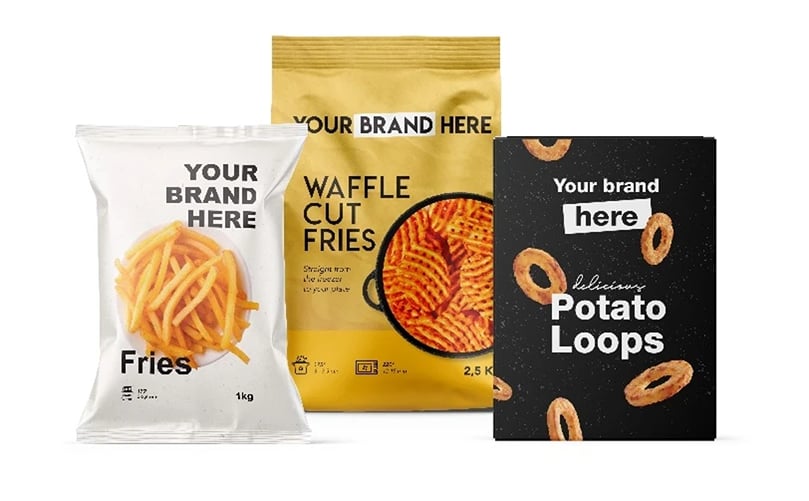
Private label products—from fries to snacks—showcase how retailers are building strong in-house brands focused on quality, affordability, and innovation, supported by producers like Agristo.
Private Label as a Strategic Brand Platform
Private label is no longer a race to the bottom. Instead, it has become a platform for retailers to build distinctive brands that reflect their identity and meet evolving consumer expectations.
Retailers are increasingly leveraging private label to differentiate themselves in a competitive market, creating products that deliver both value and brand experience.
Outlook: Value Will Define the Future of Grocery
The rise of the value tier represents a fundamental realignment in the grocery sector, rather than a temporary trend. Consumers are clearly signaling their desire for quality without overpaying, and their confidence in private label continues to grow.
The scale of the market reflects this momentum. Europe’s private label sector is now valued at over €387 billion, with total sales increasing by €15.3 billion.
Retailers in advanced markets such as Spain, United Kingdom, France, and Belgium are already demonstrating what the future of grocery retail looks like. Meanwhile, experienced producers continue to enable faster innovation and execution within this space.
The message from consumers is clear: value is being redefined on their terms—and private label is not just keeping pace with that change, it is leading it.
Like to receive news like this by email? Join and Subscribe!
Get the latest potato industry news straight to your WhatsApp. Join the PotatoPro WhatsApp Community!
精选企业

相关新闻

九月 07, 2026
McCain Foods India Appoints Aditya Krishna as Managing Director
McCain Foods India has appointed Aditya Krishna as Managing Director, effective August 1, 2026. He will lead growth, strengthen grower partnerships and continue developing French Fries potato varieties suited to Indian conditions.

八月 30, 2026
Simplot and Tasmanian Potato Growers Remain at Odds Over French Fry Contracts
Simplot and Tasmanian potato growers remain at odds over prices and supply terms, with growers also concerned about contract cuts and a planned 30,000-tonne reduction in potato volumes through the Ulverstone processing plant.

八月 23, 2026
VAVI Director Marieke Hoste Highlights Innovation and Collaboration Ahead of Potato Demo Day
Marieke Hoste, VAVI's new director, will make her first Potato Demo Day visit, highlighting collaboration, innovation and knowledge sharing. She says the Dutch potato sector can tackle policy, sustainability and market challenges together.