

Defining Early Potatoes and What Sets Them Apart
Early potatoes typically mature in about 75 to 90 days, significantly faster than maincrop varieties. This rapid growth cycle allows for earlier harvests, often referred to as “new potatoes,” characterized by their thin skins and delicate texture. Unlike later-maturing potatoes, early varieties are harvested while tubers are still small and tender, making them especially popular for fresh consumption.
Early potatoes are a vital segment of the global potato industry, prized for their quick maturation and fresh taste. These varieties enable farmers to supply markets with potatoes well before the main harvest season, meeting consumer demand for tender, flavorful tubers and providing economic advantages through premium pricing.
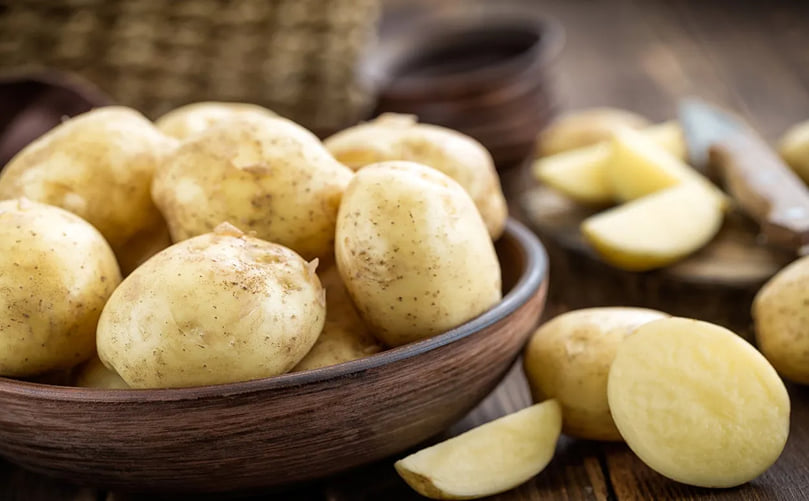
Early Harvest Potatoes Showing Delicate Skin
Key Characteristics: What Sets Early Potatoes Apart
Rapid Maturity and Tuber Bulking: Early potatoes are bred and managed to reach harvestable size far sooner than maincrop types. Their lifecycle compresses tuber initiation and the bulking window so that marketable tubers form within roughly 60–90 days under appropriate conditions. This shortened bulking duration is a deliberate trait used in selection protocols to fit short production windows and double-cropping systems; breeders and evaluators measure both the rate and the duration of bulking because an early variety’s final yield depends on that compressed timeline.
Size, Texture and Composition: Harvesting at an earlier physiological stage produces smaller, more uniform tubers with higher relative moisture and lower final starch concentration compared with mature maincrop potatoes. The higher proportion of soluble sugars and lower starch accumulation at early harvest give a waxy, firm texture after cooking and make these tubers especially desirable for fresh-market uses such as salads and specialty culinary plates. The compositional differences also tend to preserve certain labile nutrients (for example vitamin C) better at harvest, although vitamin C then declines during storage so freshness and rapid marketing matter for nutritional quality.
Periderm (Skin) Development and Storability: A defining feature of early potatoes is an incompletely matured periderm at harvest. The phellem layers that form the protective corky skin (periderm) have less suberization in young tubers, producing a thin, flaky “new potato” skin that consumers prize for mouthfeel but that offers weaker protection against water loss, abrasions and pathogens. Because the periderm has not fully matured, early tubers are more prone to pressure bruising, blackspot and soft rot and therefore have a much shorter safe shelf life unless handled, cooled, and marketed extremely quickly. Studies of periderm development show clear anatomical and molecular steps in skin set that correlate tightly with improved storage resistance, which explains why early potatoes require rapid postharvest logistics.
Food Safety: Glycoalkaloids and Light-Induced Greening: Early harvest typically coincides with lower glycoalkaloid accumulation than stressed or greened tubers, but glycoalkaloid levels are genotype-dependent and sensitive to light, physical damage, and stress. Market safety limits and extension guidance emphasize keeping total glycoalkaloids well below recognized thresholds (for example, many extension services cite ~200 mg/kg as an upper market limit), and avoiding greening or skin damage that concentrates these compounds at the tuber surface. Proper variety choice and careful harvest/handling are therefore essential to maintain food safety in early-harvest production.
Breeding Targets and Adaptation Traits: Modern breeding programs targeting early potatoes focus on a predictable set of traits: rapid tuber initiation, sufficient bulking rate within a short window, acceptable tuber shape and skin finish at immature harvest, tolerance to early-season abiotic stresses (cold, heat or fluctuating moisture), and marketable sensory quality. Institutions such as CIP and national programmes have prioritized clones that balance these trade-offs, improving early-season performance while trying to limit losses in yield or postharvest robustness. As a result, recent breeding outputs emphasize genetics that combine early maturity with resilience to heat and variable moisture critical for reliable off-season or early-season production.
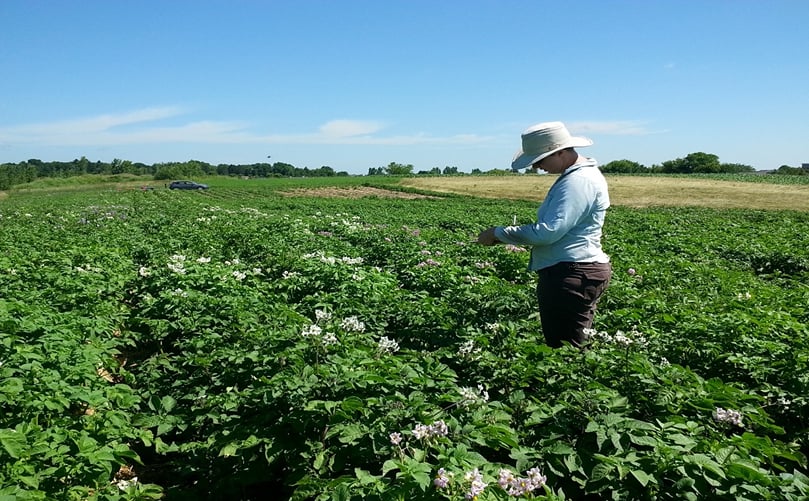
Early Potato Field Evaluation: Growth and Development Assessment
Global Early Potato Varieties for Rapid and Market-Driven Production
Early potato varieties are developed and selected worldwide to achieve rapid crop establishment, early tuber initiation, and short maturity cycles, typically ranging from 60 to 100 days depending on climate and production system. These varieties are central to early market supply chains, where price advantage is strongly linked to how quickly potatoes reach the fresh market window.
Globally, early potatoes share a set of common traits: fast sprouting due to low dormancy, quick canopy closure for efficient photosynthesis, and early conversion of stolons into tubers. This physiology allows growers to harvest “new potatoes” or “baby potatoes” much earlier than standard maincrop varieties. In commercial systems, early varieties are also selected for uniform tuber size, attractive skin finish, and good culinary quality, since they are typically marketed fresh rather than stored.
Across regions, different varieties dominate early production based on climate adaptation. In Europe and temperate regions, varieties such as ‘Rocket’, ‘Swift’, and ‘Maris Bard’ are widely used for ultra-early harvests under spring or protected cultivation systems. These types are valued for extremely fast emergence and short field duration, often allowing harvest in as little as 60–75 days under optimal conditions.
In Asia, particularly India and surrounding production zones, early varieties such as Kufri Pukhraj and Kufri Ashoka are widely adopted due to their adaptability to short winter windows and ability to perform well under variable soil temperatures. These varieties are preferred in early planting zones where potatoes are grown after monsoon crops and harvested before high summer temperatures begin.
In North America, early market production often uses varieties like ‘Yukon Gold’ and selected red-skinned types, which combine early maturity with strong consumer acceptance. These varieties are especially popular in fresh retail markets due to their smooth texture, yellow flesh color, and consistent cooking quality.
From a breeding and agronomic perspective, global early potato programs focus heavily on improving uniform emergence, tolerance to cool soil conditions, and resistance to early-season diseases such as early blight. Another key global objective is improving tuber bulking efficiency under short growing periods, ensuring acceptable yield even when the crop cycle is significantly reduced.
In modern commercial agriculture, early potato production is increasingly linked with protected cultivation, plastic mulching, and precision nutrient management. These technologies help stabilize soil temperature and moisture, further accelerating early growth and ensuring consistent market supply across different regions.
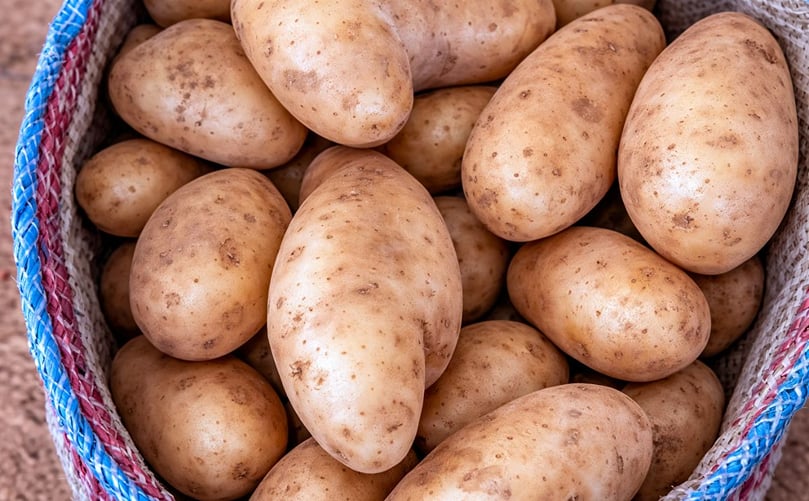
Early Potato Varieties for Fast Global Production and Early Market Supply
Why Grow Early Potatoes? Strategic Economic and Agronomic Advantages
Early potatoes play a unique role in modern farming systems, offering growers a combination of fast returns, flexible land use, and access to premium markets. When managed correctly, they provide advantages that go far beyond simply harvesting earlier. Below is an expanded, corrected, and research-aligned version of your content—fully year-neutral and more accurate agronomically and economically.
Early Income Generation
One of the strongest incentives for cultivating early potatoes is the rapid cash flow they generate. Because early varieties mature well before the main-season crop, growers can recover their production costs weeks ahead of schedule. This early revenue stream is particularly valuable in systems where input prices—fertilizers, labor, irrigation fuel, and storage—continue to rise.
In many fresh markets worldwide, early potatoes typically command significantly higher prices due to low seasonal supply and strong demand for “new potatoes.” Although market rates vary across countries, early-season prices consistently outperform mid-season averages and often sustain these premiums for several weeks. For farmers facing liquidity constraints, this early earning window helps stabilize financial planning, supports reinvestment into subsequent crops, and reduces dependence on loans or credit rotations.
Crop Rotation Flexibility
Early potatoes harvest 20–40 days sooner than standard varieties, opening up critical opportunities for rotational planning. By vacating land earlier, growers can establish short-duration legumes, leafy greens, fodder crops, or cover crops, all of which contribute to long-term soil health.
From an agronomic standpoint, this improved rotation window offers several scientifically documented benefits:
- Reduced pest and disease pressure: Alternating botanical families breaks life cycles of pests like Phthorimaea operculella (potato tuber moth) and reduces soil-borne pathogens such as Rhizoctonia solani. Diversified systems can lower pest pressure by 20–30%, according to multiple rotation studies in both temperate and tropical environments.
- Enhanced soil fertility: Legumes contribute to nitrogen enrichment through biological fixation, improving nutrient availability for the following season.
- Better weed suppression: Early potatoes followed by fast-growing intercrops create canopy cover that suppresses weed seedling emergence, reducing herbicide dependency.
This rotational flexibility is especially valuable in smallholder systems, where land is limited and rapid land turnover is crucial for sustaining annual income.
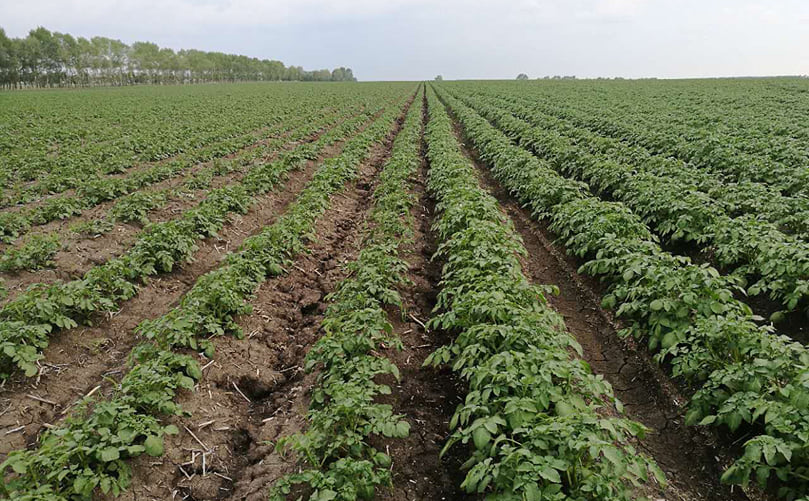
Side-by-Side Field View of Early and Late Potatoes
The Hidden Challenges Behind Early Potato Cultivation: Why Precision Matters More Than Ever
Storage and Post-Harvest Vulnerability: Early potatoes contain high moisture and have delicate, thin skins, which make them extremely vulnerable after harvest. Without proper curing, they lose firmness quickly, develop bruises and become prone to microbial decay. Even under ideal storage conditions cool temperatures between 4–7°C, high relative humidity around 90–98%, and gentle ventilation their shelf life rarely extends beyond three to four weeks. Transport adds another layer of complexity because vibrations, compression during stacking and temperature fluctuations easily cause blackspot and pressure bruising. Since early varieties also have naturally short dormancy, sprouting can begin sooner unless cooling is gradual and consistent.
Yield and Economic Considerations: The shorter crop duration in early potato cultivation limits canopy expansion and reduces the period available for tuber bulking. This inherently produces lower yields than mid or late-season varieties. Because the crop generates less biomass and fewer market-sized tubers, profitability depends on accessing premium markets that value early supply. These markets often demand high standards in size, appearance and skin finish, meaning that even minor defects can reduce the price significantly. Nutrient management is also more demanding because the condensed growth cycle requires precise timing for nitrogen, potassium and calcium application to maintain tuber quality and avoid issues like hollow heart.
Climatic Sensitivity: Early potatoes are planted during periods when weather patterns are still unstable, exposing them to several climatic risks. Sudden late frosts can kill emerging shoots or damage tender foliage, reducing yield potential right from the start. As temperatures rise later in the season, heat stress becomes a major limiting factor; when temperatures exceed 30°C during tuber initiation, tuber set declines and size distribution becomes uneven, often leading to heavy yield losses. Erratic rainfall further complicates crop management by increasing late blight pressure, especially on young foliage. Rapid shifts between warm days and cold nights disrupt the physiological processes responsible for stolon development and uniform tuberization, making the crop more unpredictable.
Market Timing and Price Volatility: The success of early potato cultivation relies heavily on hitting the market when demand is high and supply is limited. Early potatoes fetch the highest prices only if they arrive ahead of the main-season harvest. Any delay whether due to unfavorable weather during harvest, logistical issues, or poor field conditions can push the crop into a period of market saturation. When too many growers supply at once, prices can drop sharply, sometimes by as much as 40%, eroding the premium that early varieties are grown for. Because early markets place strong emphasis on quality, even minor bruising or greening reduces the product’s competitiveness and diminishes the price advantage.
Increasing Pressure from Climate Change: Climate change is amplifying many of the existing challenges in early potato cultivation. The increasing frequency of droughts, unseasonal rains and sudden heatwaves complicates planting decisions and narrows the already tight production window. Research institutions working on global potato improvement warn of a 15–25% rise in yield volatility over the coming years as a result of fluctuating temperatures, prolonged dry spells and excessive rainfall events. Warmer and more humid conditions also intensify disease pressures, particularly late blight and soft rot, which strike early varieties more easily due to their tender tissues. To maintain productivity, farmers increasingly depend on resilient, early-maturing varieties, along with precision irrigation, mulching, fertigation and improved soil health practices to stabilize plant growth in unstable environments.


