

How Strategic Potato Merchandising Drives Retail Sales Growth
Retailers who offer a diverse range of potato options consistently see higher sales and stronger everyday pricing. Recent merchandising analyses show that leading grocery stores focus on enhancing in-store potato displays to draw more shoppers. These findings based on extensive sales data and observations across major international retail chains demonstrate that strategic merchandising can transform potatoes from a simple staple into a key growth engine.
Insights from the study highlight that even small improvements such as expanding assortment, using eye catching placement and adding clear signage significantly boost customer engagement. Stores carrying a wide selection of potato varieties achieve 10–15% higher sales velocity compared to those with limited choices, according to Circana’s industry reports. By applying these tactics, retailers strengthen the overall value of the potato category and improve store performance.
Fresh potatoes also play a major global role, contributing billions in annual retail sales and forming a substantial share of total fresh produce volume. Beyond revenue, potatoes create a strong basket lift effect: shoppers purchasing potatoes tend to spend 20–25% more on their entire cart as potatoes naturally pair with proteins, vegetables and other essentials.
Consumer behavior is evolving as well. Preferences are shifting toward convenience oriented and health focused potato options, with a significant share of purchases happening at full shelf price. This helps retailers maintain value perception without relying on deep discounts. Effective merchandising further reduces losses, with top retailers achieving 15–20% lower shrinkage through disciplined rotation and better display management.
To maximize impact, retailers increasingly combine physical merchandising with digital tools. A growing share of shoppers now plans their potato purchases using mobile apps or digital lists, making in-app promotions and online visibility essential drivers of sales. Broader economic analyses also show that potato consumption stabilizes at 30–35 kg per capita annually in many regions, while innovation in merchandising has supported a 3–5% CAGR in specialty potato segments.
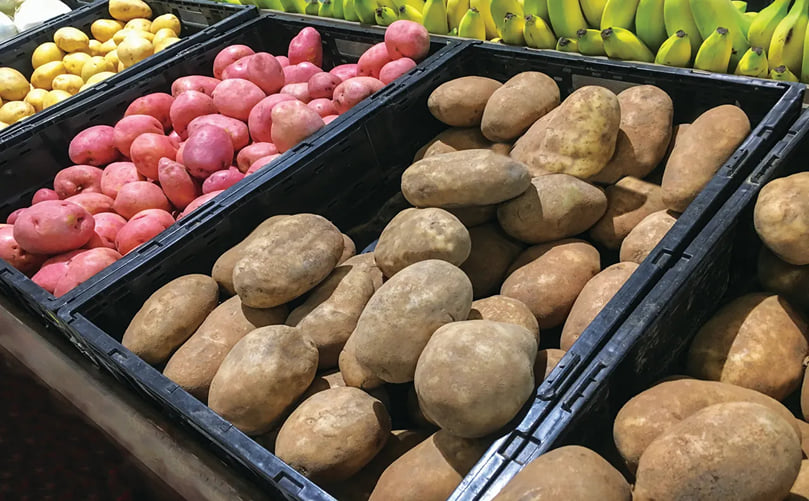
Modern Retail Potato Section Featuring Multiple Fixtures and Attractive Arrangement
Performance Tiers in Potato Retailing: How Merchandising Strategies Shape Sales Outcomes
The study categorized retailers into three distinct groups, each showing different patterns in potato sales and merchandising performance. Researchers evaluated sales data and in store merchandising practices to identify the factors driving growth for some retailers while limiting others. To ensure accuracy, data was analyzed across different phases before, during and after the surge in panic buying seen in 2020 so that the recommendations reflect normal purchasing behaviors rather than temporary spikes.
Top Performing Retailers: These outlets increased potato sales during high demand surges and sustained growth long term, achieving 5-7% annual volume increases through diversified assortments and premium pricing. They represent chains in various regions, where yellow and petite varieties saw double digit gains. According to path to purchase reports, these retailers leverage data analytics for better forecast accuracy.
Middle Performing Retailers: These grew sales during surges and maintained higher overall store sales but potato specific growth stalled at 2-3% due to over reliance on staples. Common in diverse markets, they benefit from stable traffic but miss incremental opportunities from specialties.
Bottom Performing Retailers: These experienced declines in both total store sales and potato sales post surge, often dropping 5-10% in volume, linked to limited space and outdated displays. Prevalent in under optimized stores.
Adding depth from path to purchase studies, a majority of consumers decides potato type pre-visit, emphasizing the need for consistent availability. Economic factors like inflation have boosted potatoes appeal as an affordable protein alternative, with per capita consumption steady in many areas. Sustainability plays a role top performers highlight locally sourced potatoes, resonating with eco conscious shoppers and lifting loyalty. Further research from the International Potato Center (CIP) notes that climate resilient varieties are increasingly stocked, reducing supply chain risks by 15-20%.
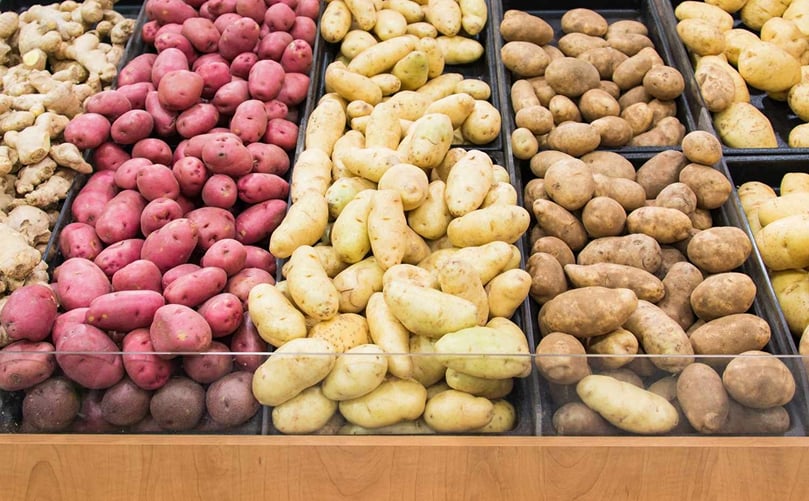
Merchandising Strategies Driving Growth in Potato Retail Markets
Key Potato Type Categories and Their Retail Growth Potential
Fresh potatoes can be grouped into four major retail categories, each offering distinct sales advantages based on consumer familiarity, usage patterns and emerging trends. Understanding these groups helps retailers optimize assortment, manage inventory efficiently and balance volume-driven staples with margin rich specialties. Common varieties such as russet, red, white, yellow, purple/blue, fingerling and petite align well within these classifications, with medleys combining multiple types for added appeal.
1. Traditional Mainstays: Russet and Red
These varieties form the backbone of the fresh potato category and remain the most recognized and frequently purchased.
- Russets continue to dominate due to their high starch content, making them ideal for baking, frying and especially French fries where they are often the preferred specification.
- Reds have gained steady traction in recent years, thanks to their versatility in boiling, roasting and salad applications. Their strong performance in meal kit programs has also contributed to volume growth.
Russets maintain the largest share of total volume, while reds are increasingly appealing to customers looking for convenient, multi-purpose options.
2. Key Options: Yellow and White Potatoes
Yellow and white potatoes are widely recognized but purchased less frequently than russets or reds. Their culinary flexibility positions them as “premium everyday” choices.
- Yellow potatoes are prized for roasting and for their buttery flavor profile, making them a favorite among home cooks seeking richer taste without premium pricing.
- White potatoes offer soft texture and are well suited for mashing or pan frying.
Emerging nutrition focused shopping habits also support this category, with research noting that yellow potatoes often have a slightly lower glycemic index, increasing their health appeal.
3. Growth Drivers: Petite and Medley Potatoes
Petite and medley potatoes are delivering some of the fastest growth rates in the category.
- Petites are increasingly popular due to convenience, quick cooking times and compatibility with modern tools like air fryers making them a major hit in convenience driven retail channels.
- Medleys, which blend multiple colors and textures, appeal to adventurous cooks and premium shoppers.
Although these varieties represent a smaller share of total potato volume, they command higher unit prices and deliver strong margin expansion.
4. Up and Coming Specialty Varieties: Purple, Fingerling and Others
Specialty potatoes including purple, blue, fingerling and other unique varieties are on the rise as shoppers explore new flavors and colors.
- Purple potatoes, rich in anthocyanins, attract health-conscious consumers and offer a strong nutritional selling point. Food science journals highlight that purple potatoes contain more antioxidants than some common fruits.
- Fingerlings continue to grow in premium and gourmet oriented markets, supported by global trends favoring unique shapes and flavors.
Specialty potatoes deliver high margins and support category differentiation. Retailers who stock all major types staples plus specialties often see stronger overall category lift, as cross variety experimentation leads to greater repeat buying.
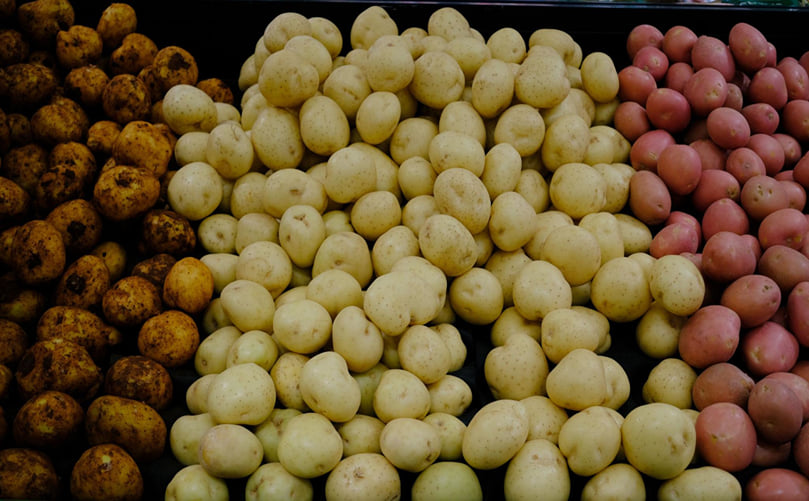
Diverse Potato Types and Their Role in Retail Category Expansion
Package Size Trends and Their Impact on Potato Retail Performance
Demand for packaged potatoes especially in smaller, convenience-focused pack sizes continues to rise as consumer lifestyles evolve. With more single-person and small family households, shoppers increasingly prioritize portion control, portability and reduced food waste. While small packs are gaining momentum, offering a full range of package sizes remains essential for serving diverse customer needs.
Industry data shows that smaller pack sizes are capturing a growing share of total volume, particularly due to single serve and ready to cook trends. Urban shoppers often prefer compact formats for ease of transport, while petite potatoes lead incremental gains in these packs. Meanwhile, larger pack sizes remain stable among budget conscious families who rely on bulk options for value.
Sustainability preferences also influence buying patterns. Medium and small packages featuring eco-friendly materials such as recyclable mesh bags are becoming increasingly attractive. Resealable packaging innovations help reduce waste, improving appeal for shoppers who prioritize freshness and convenience.
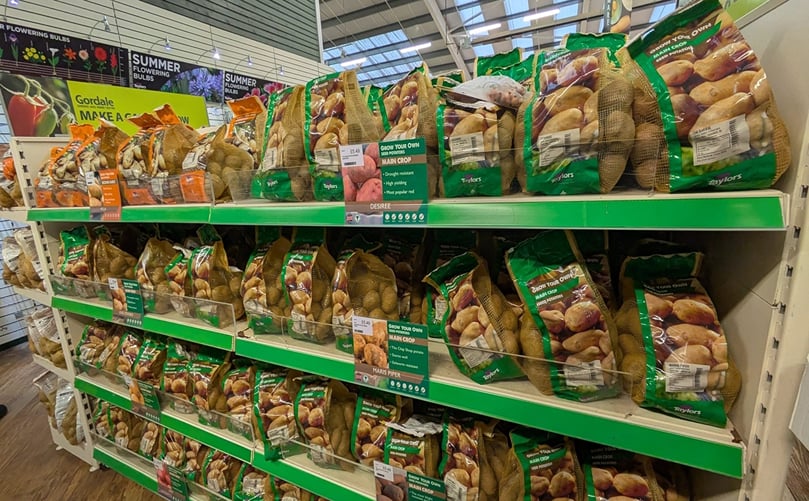
Potato Package Sizes on Grocery Shelves
Package Size Categories
Fresh potatoes can be segmented into four primary package size groups, enabling retailers to tailor their assortments to different demographics and shopping behaviors:
1. Small Packages: 0.1 – 3 lbs
- Best suited for singles, couples and urban households.
- Strong performers for petite and red potato varieties.
- Popular among younger shoppers seeking convenience and quick cook options.
2. Medium Packages: 3 – 9.9 lbs
- Ideal for small to medium families.
- Commonly used for yellow and russet potatoes.
- Offers a balance of value, practicality and reduced waste.
3. Large Packages: 10 lbs and Above
- Preferred by budget driven shoppers and larger households.
- Delivers strong volume for russets and other staples.
- Remains a reliable category for value-oriented consumers.
4. Bulk (Loose Potatoes Sold by Weight)
- Allows customers to hand pick individual potatoes.
- Popular for russets and baking potatoes in open bins.
- Typically carries higher margins and appeals to tactile, preference-based shoppers.
Strategic Package Size Recommendations for Retail Success
Top-performing retailers optimize shelf space by balancing the right mix of package sizes to reflect shifting consumer preferences. Increasing placement for small and medium packs helps capture growth from convenience driven shoppers, while maintaining solid visibility for large and bulk options secures volume from value focused households. This strategic distribution ensures shoppers can easily locate the size that best fits their needs, ultimately improving conversion and overall category performance.
Research indicates that retailers who maintain a well-structured mix of package sizes achieve higher sales per linear foot. Additional data also shows that increasing the shelf presence of smaller packs can drive higher customer traffic, particularly in urban markets and among younger consumers. Regional variations influence package size movement, making it important for retailers to adjust allocations based on local demand trends. Leveraging data analytics for restocking supports accuracy and reduces overstock, while loyalty program insights help tailor sizing recommendations through digital channels, strengthening shopper engagement and repeat purchases.
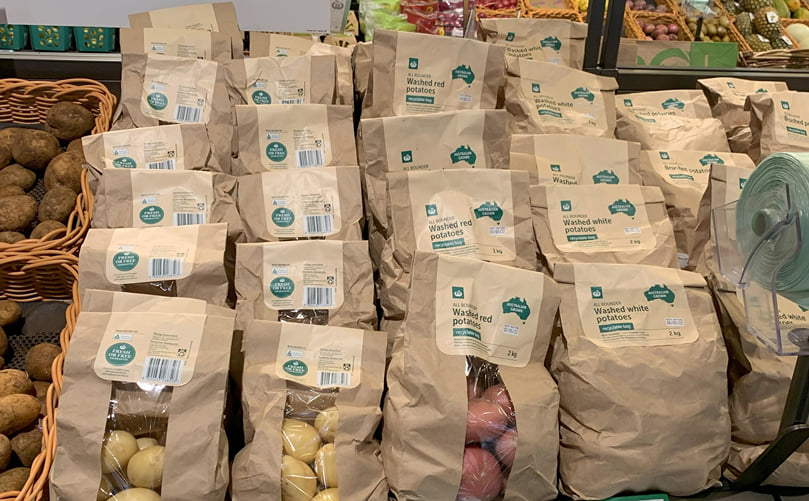
Consumer-Driven Package Size Planning in Potato Retailing
Incrementality: How Select Potato SKUs Drive Additional Category Growth
Incremental potato Stock Keeping Units (SKUs) are those that add genuine value to the category by generating additional sales rather than cannibalizing existing products. These SKUs expand shopper choice, encourage trial and often stimulate a 10–20% uplift in category performance. Analysis consistently shows that incremental items play a major role in boosting overall dollar growth, helping retailers strengthen both volume and margins.
The most impactful incremental potato products span multiple varieties but share a common theme: they are generally offered in packages of five pounds or less, aligning with convenience driven consumer behavior. Petite potatoes in compact packs continue to show strong gains, especially in urban locations where quick cooking options are preferred. Small pack red potatoes perform well due to their versatility in salads and pairing with dips making them a frequent choice for fresh meal preparation. Medium pack russets remain a reliable incremental driver as shoppers value them for baking and their strong repeat purchase rate tied to consistent quality.
Flavored, seasoned or value-added options such as reds with garlic parsley seasoning or savory herb blends appeal to shoppers seeking ready to use shortcuts, particularly busy parents. Yellow and red potatoes in slightly larger medium packs also contribute incremental lift as families experiment with multiple types. Medleys and petites in small formats deliver strong repeat engagement due to their combination of colors, shapes and convenience.
These products collectively push category growth forward. Private label variants in these sizes are gaining traction as retailers compete with branded offerings through sharper pricing. Organic incremental SKUs are also rising steadily, reflecting increased demand among health-focused shoppers seeking cleaner, sustainably produced options.
Greater Variety, Stronger Sales: The Power of Potato Assortment Diversity
Retailers offering a wide assortment of potato varieties consistently outperform those with limited selections. When stores stock both specialty options such as petite, medley and purple potatoes and essential staples like russets, reds, yellows and whites, they see stronger performance across all types and package sizes. This diversity encourages shoppers to explore different textures, flavors and cooking styles, ultimately increasing total category sales.
In contrast, retailers that depend too heavily on large bags of russets often experience declines in overall potato sales. Limited assortment reduces customer engagement and can shrink basket size by 8–10%, as shoppers are less likely to find products that match their cooking plans or preferences. Multiple studies show that broader assortments not only increase everyday price realization but also attract more traffic to the produce department. Retailers that maintain visually appealing, colorful assortments often report notable lifts in overall produce sales.
Cross merchandising further amplifies results. Pairing potatoes with herbs, onions, seasoning blends or proteins encourages meal building and increases total basket value. Digital shelf tags that highlight variety differences, flavor notes or recipe ideas help shoppers discover new potatoes and boost trial. Research also demonstrates that visual diversity multiple colors, shapes and pack formats enhances perceived freshness and value, motivating customers to buy more.
Did you know?
Grocery retailers that use more than one type of shelving to showcase potatoes consistently sell more. By combining different shelving fixtures such as primary shelves, secondary displays, bins or endcaps retailers can create variety, draw more attention and better highlight both staple and specialty potato options. In short, using multiple shelving types makes potatoes more visible, more appealing and more likely to end up in shopper baskets.
Optimal Spacing Strategies to Maximize Potato Category Performance
Space is one of the most valuable resources in a grocery store and how much of it is assigned to potatoes has a direct effect on sales. Research shows that every additional linear foot dedicated to potatoes can increase sales by 5–7%, making strategic spacing a key driver of category performance. Produce studies also emphasize that well planned space allocation supports stronger department profitability overall.
Space Dedication by Retailer Type
Top performing retailers typically dedicate around 14.9 feet of space to potatoes. This larger footprint allows them to showcase more varieties and package sizes, resulting in approximately 20% higher volume compared to others.
Middle performing retailers allocate around 12.4 feet, which supports stable sales but limits growth because space is not sufficient to highlight emerging or incremental SKUs.
Bottom performing retailers give potatoes about 10.2 feet, leading to a 10% decline in sales after peak periods due to restricted visibility and limited assortment.
Retailers that provide more space consistently generate higher annual returns per linear foot. Using endcaps further amplifies sales, especially when potatoes are paired with complementary items like onions, herbs or seasoning mixes to encourage meal-based purchases. Merchandising efficiency models show that increased spacing directly correlates with predictable sales gains, helping retailers plan more effective layouts and inventory strategies.
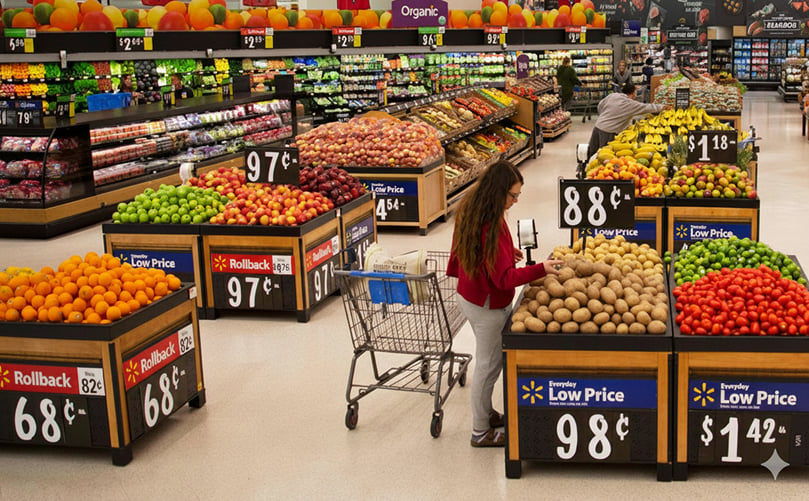
Optimal Shelf Space Allocation for Potato Sales in Retail
Did You Know?
Top performing retailers dedicate an average of 15 feet (or equivalent) to potatoes and consistently achieve higher sales than middle and bottom performing retailers. Simply put More potatoes on display equals more sales across all types up to lift from balanced space.
Potato Shelving Strategies and Their Impact on Retail Performance
Role of Shelving in Potato Display
In grocery produce sections, the shelving method used for potatoes shapes how customers discover, compare and choose products. A well-planned display improves visibility of different varieties and pack sizes, keeps produce accessible and reduces handling losses. Stores that adopt strong shelving strategies often see improved customer engagement, higher trial of lesser-known varieties and noticeable growth in overall sales. Proper airflow and frequent rotation also help reduce sprouting and shrinkage.
Common Types of Potato Shelving in Grocery Stores
Cardboard Display Boxes: These are commonly used for larger value packs or seasonal harvest arrivals. Their open top design gives a sense of abundance and allows quick replenishment. They work especially well for varieties like russets that sell in bulk or during promotional drives.
Bulk Bins: Bulk bins allow shoppers to hand select potatoes, reinforcing the perception of freshness. Wooden bins, in particular, add a natural and premium look. These are widely used for high volume items such as russets and red potato and they support strong impulse buying.
Vertical Racks: Vertical shelving helps retailers use space efficiently while displaying multiple SKUs at eye level. This format is ideal for packaged potatoes, petites, medleys and specialty mixes. Adjustable rack heights also make the display more comfortable for shoppers to browse.
Produce Tables: These tables mimic farmers market style setups and are often used for specialty or promotional products. Varieties like purple potatoes, petite mixes or gourmet packs stand out more when showcased on these open, flat displays. Their mobility makes them good for themed promotions or seasonal layouts.
Blended or Hybrid Layouts: Some stores use a combination such as bins paired with tables or boxes placed near vertical racks to create visual diversity. Well-lit hybrid layouts tend to attract attention and can increase shopper dwell time near the potato section.
How Stores Distribute Shelving Types
Retailers that perform well in the potato category typically use a mix of these shelving styles to create a dynamic and engaging display area. Stores that rely on only one or two formats such as using tables alone often see lower customer interaction and reduced movement of specialty products. A balanced combination helps maintain freshness, visual appeal and higher sales momentum.
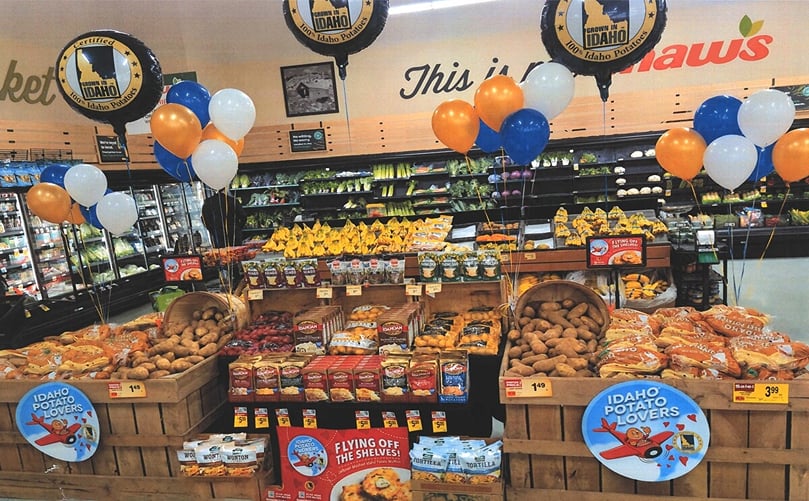
Effective Potato Display Fixtures: Bins, Tables, Vertical Shelving and Boxes
Signage for Potatoes in Grocery Stores: Enhancing Shopper Clarity and Category Performance
Role of Signage in the Potato Section
Signage is a key element in how shoppers navigate the produce aisle. Clear, well-placed signs help customers identify potato varieties, compare pack sizes and make quick decisions. Stores that maintain strong signage practices often see improved shopper clarity and better conversion because customers spend less time searching and more time selecting. A balanced approach combining functional price information with simple marketing cues tends to support both regular and specialty potato movement.
Types of Potato Signage
Price Oriented Signs: These signs focus purely on cost, offering straightforward information that shoppers expect while purchasing fresh produce. They typically appear across all SKUs so customers can easily compare prices. Some retailers also use digital price displays, allowing quick updates during promotions or inventory changes.
Marketing Oriented Signs: Marketing signs serve as prompts to influence buying decisions. They may highlight meal ideas, specific uses or seasonal themes such as reminders for roasting, snacking or festival cooking. Many stores include QR codes that link to recipe ideas or preparation tips, helping customers explore new potato options and boosting interest in specialty varieties.
Best Practices for Effective Signage
- Successful retailers create a balance between marketing and pricing messages. Combining both gives shoppers clarity while nudging them toward trying different types.
- Overloading the display with too many price signs can create visual clutter and reduce the effectiveness of the message.
- Clear category level marketing signs help customers quickly identify the potato section, especially in busy produce departments.
- Panels with simple meal suggestions or cooking cues often encourage shoppers to pick up additional items or explore new varieties.
Promoting Potatoes in Retail: Smart Strategies to Drive Sales Without Eroding Margins
Promotion in the potato category is not limited to markdowns or heavy price cuts. Many shoppers already purchase potatoes at full price, especially core varieties which means retailers can protect margins while still driving traffic. Effective promotion focuses on visibility, timing and encouraging trial rather than on aggressive discounts that erode value.
Promotion Strategies for Higher Sales
Spotlight Core Varieties at the Right Time: During periods of high demand such as festive seasons, grilling periods or winter cooking cycles retailers can feature russets, reds, yellows and whites in well-arranged displays. When these staples are showcased prominently, customers tend to buy more volume, especially family sized packs.
Create Opportunities for Specialty Trials: Specialty options like petites, medleys and purple potatoes benefit from short promotional windows. Temporary, moderate reductions or value cues often encourage customers to try new varieties. Adding meal ideas or simple recipe cards next to the display helps raise trial rates even more.
Use Mild Discounts Instead of Deep Cuts: Rather than relying on steep discounts, stores can maintain approachable everyday pricing while offering gentle promotional cues such as small percentage drops or bundle offers. This prevents shoppers from forming a discount only expectation and keeps the category profitable. Buy one get one offers on smaller packs are often effective without harming margins.
Align Promotions with Seasonal Eating Patterns: Retailers gain strong results when promotions correspond to seasonal menu trends like roasted potatoes in winter, potato salads in summer or festive cooking in holidays. Secondary displays near complementary items (herbs, onions, seasoning mix) can add additional sales lift.