

Sweet Potato Fries: A Health-Forward Twist on a Global Comfort Food
Sweet potato fries are a widely consumed food product prepared by cutting sweet potatoes (Ipomoea batatas) into thin strips or wedges and cooking them through frying, baking or air frying until crisp. Developed as a flavorful alternative to traditional French fries, they replace white potatoes with sweet potatoes, offering a naturally sweet taste and vibrant color. The standard preparation process includes washing, peeling, slicing and cooking, followed by seasoning with salt, spices or herbs to enhance flavor.
Their worldwide fame has grown a lot in recent years because more people are choosing healthier and plant-based snacks. Sweet potato fries are becoming seen as a healthier choice compared to regular fried snacks, which is causing more places like fast-food chains, restaurants, cafés, and retail stores to offer them. The market growth is also helped by people becoming more health-conscious, wanting products with simple labels, and liking the taste of natural sweetness. So now, sweet potato fries can be found in many places like North America, Europe, and Asia.They are popular in both places where food is served and in stores that sell frozen foods.
In foodservice places, especially quick service restaurants, casual dining spots and cafes, sweet potato fries have become a popular side dish and a way to stand out on the menu. At the same time, frozen and ready-to-cook products sold in stores are meant for people to use at home. These products are becoming more popular because more people want easy-to-make meals that are also healthy.
Compared to regular potato fries, sweet potato fries offer a distinct nutritional and sensory profile. They are naturally sweeter due to higher sugar content, provide a soft interior with a crisp exterior when properly cooked and contain higher levels of dietary fiber, beta-carotene (vitamin A) and antioxidants. While white potato fries are typically higher in starch and potassium, sweet potato fries generally have a lower glycemic index and may absorb slightly less oil during frying making them less likely to cause rapid blood sugar spikes.
From a market positioning perspective, sweet potato fries are highly versatile. They function as a casual snack in retail packaging, a standard side dish paired with meals such as burgers or grilled foods and a premium offering in gourmet and fast casual dining. This premium positioning often supported by health-focused marketing and unique flavor profiles has enabled higher price realization, with several markets reporting 20–30% higher margins compared to conventional potato fries.
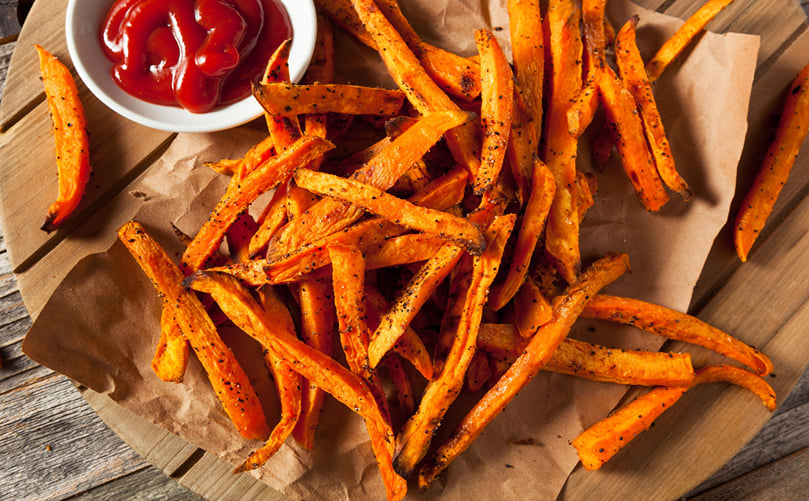
Crispy, Colorful and Delicious: Sweet Potato Fries
How a Tropical Super crop Became the World’s Trendiest Fry
Sweet potato fries, crafted from the vibrant Ipomoea batatas have captured hearts worldwide with their sweet, earthy flavor and satisfying crunch, making them a standout alternative to traditional potato fries. Originating over 5,000 years ago in Central or South America likely in present day Ecuador or Peru with the earliest cultivation records dating to around 750 BCE in Peru these nutrient rich tubers were a pre-Columbian staple. Christopher Columbus brought them to Europe in 1492 and by the 16th century, explorers spread them to Asia, Africa and beyond, where they blended into local cuisines.
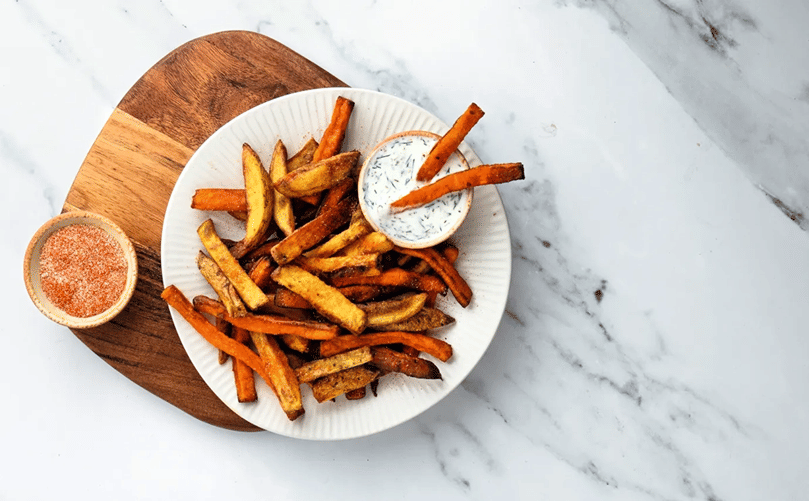
Sweet Potato Fries: A Global Favorite with a Nutritious Twist
Sweet Potato Fries: A Global Favorite with a Nutritious Twist Today, they are a global hit Guinea’s street vendors serve patates with a dash of salt, Korea's goguma twigim dazzles with tempura batter and soy dips, Caribbean markets spice them with jerk seasoning and Taiwan has turned a 17th-century famine crop into trendy snacks. Their ability to thrive in poor soils with minimal resources makes them a sustainable choice. The global market, valued at USD 2.5 billion in 2023 is set to reach USD 5.1 billion by 2032 with a 7.7% CAGR, driven by demand for healthier snack options.
Did You Know?
Polynesians sailed thousands of miles with sweet potatoes as a vital food source before Columbus reached the Americas, showcasing their role in ancient exploration. Genetic evidence supports that sweet potatoes reached Polynesia around 1000 AD, likely through pre-Columbian contact between Polynesians and South Americans.
Sweet Potato Fries vs. Regular Fries: What Sets Them Apart
While both are beloved comfort foods, sweet potato fries and regular potato fries differ in flavor, nutrition, versatility and environmental impact, making sweet potato fries a compelling choice.
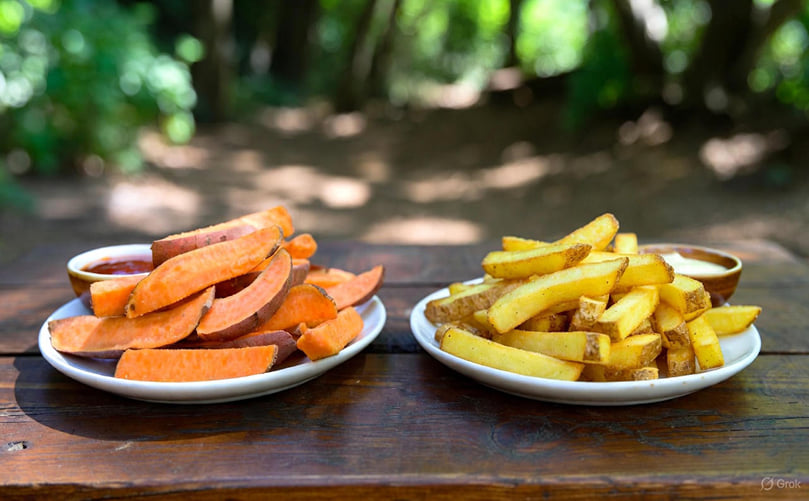
Sweet Potato Fries vs. Regular Fries
Flavor and Texture: Sweet potato fries offer a naturally sweet, caramelized taste from sugars like sucrose and maltose, which intensify during cooking, providing a richer flavor than the neutral, starchy profile of regular fries. Their texture, especially in orange fleshed varieties combines a crispy exterior with a creamy interior, while regular fries lean uniformly crisp but lack depth.
Nutritional Superiority: Sweet potato fries pack more nutrients. A medium baked sweet potato (about 100 g, plain) has around 86–90 calories, 20–21 g carbs, 3–4 g fiber, 1.5–2 g protein, over 961 µg Vitamin A (107–152% DV), 20–28 mg Vitamin C (22–31% DV) and 541–717 mg potassium (12–15% DV). When prepared as fries (e.g., baked or air fried with minimal oil), a 100 g serving might range 140–165 calories with 7–9 g fat, versus 300–400 calories and 15–20 g fat for deep-fried regular fries. Sweet potatoes' beta-carotene and anthocyanins (in purple varieties) offer unique health benefits and their lower glycemic index (around 44–61 boiled, depending on preparation) supports steadier blood sugar compared to regular potatoes (GI 70+). Regular fries provide more potassium per serving but lack the antioxidants.
Culinary Flexibility: Sweet potato fries shine in global cuisines from India’s spicy masala coatings to Japans sweet soy glazes, thanks to their sweetness pairing with bold flavors. Regular fries, often limited to salt or ketchup are less adaptable. Sweet potatoes also excel in healthier cooking methods like baking or air frying retaining nutrients without excess oil.
Environmental Edge: Sweet potatoes require less water (around 500mm per season vs. 750mm+ for potatoes) and have higher water use efficiency (up to 58% better in some studies), yielding 2–3x more calories per hectare in suitable conditions. Greenhouse gas emissions vary by system, but sweet potatoes can emit around 0.2 kg CO2/kg vs. 0.4 for potatoes, though per hectare figures show mixed results (e.g., 1165 kg CO2-eq/ha for sweet potatoes vs. lower for some potato systems). Their roots help curb soil erosion and peels can fuel biogas, reducing waste by up to 30%.
Nutritional Breakdown
A 85g serving of oven baked sweet potato fries offers 140–160 calories compared to 300–400 calories in deep fried regular fries due to lower oil use. They contain 3.5–4.5g fat versus 15–20g (often saturated) in regular fries, 25g carbs with 4–5g fiber versus 40g carbs with 3–4g fiber and 2–3g protein versus 4g. Sweet potato fries deliver over 10,000 IU Vitamin A (200%+ DV for eye health), 20% DV Vitamin C (immunity) and 400mg potassium (heart health), while regular fries provide 15% DV Vitamin C and 500mg potassium but lack antioxidants.
Sodium is 125–220mg versus 200–500mg adjustable with herbs. Orange fleshed varieties retain high beta-carotene post-cooking, boosting their edge. They also offer manganese (15% DV) for metabolism and copper for skin health. Their fiber mix (soluble and insoluble) may lower cholesterol by 5–10%, outperforming regular potatoes' mostly insoluble fiber.
Health Benefits: A Science Backed Superfood
Sweet potato fries are more than a side dish they are a functional food packed with beta-carotene, anthocyanins and polysaccharides. Their lower glycemic index (50–60 vs. 70+ for regular fries) supports blood sugar control making them ideal for steady energy release and managing conditions like diabetes or insulin resistance. Here is why they are a health hero.
Antioxidant Boost: Beta-carotene and polyphenols in sweet potato fries combat free radicals, reducing oxidative stress linked to chronic diseases like cancer and premature aging. Even when fried, they retain 70–80% of their antioxidant capacity, potentially lowering inflammation by 20–30%. These compounds protect cells from oxidative damage, which can contribute to conditions like arthritis or neurodegenerative diseases and support long-term health by neutralizing harmful molecules. Regular consumption may enhance the body’s defense against environmental stressors like pollution or UV exposure.
Heart Health: With 400mg potassium and 5g fiber per 1/2-cup (3 oz or 85g) serving, sweet potato fries help regulate blood pressure and cholesterol levels, cutting heart disease risk by up to 15%. Potassium counteracts sodium to reduce strain on blood vessels, while soluble fiber lowers LDL (bad) cholesterol by binding bile acids in the gut. Purple fleshed varieties, rich in anthocyanins, provide additional anti-hypertensive benefits by improving blood flow, reducing arterial stiffness and enhancing endothelial function making them a heart smart choice for cardiovascular health.
Eye, Skin and Immunity: Beta-carotene converts to Vitamin A, essential for maintaining healthy vision, particularly in low light conditions and preventing age related macular degeneration. It also promotes collagen production for youthful, elastic skin. Sweet potato fries deliver 2–3 times more Vitamin A than regular fries providing over 200% of the daily value in a single serving. They also supply 20% of the daily value for Vitamin C, which strengthens immunity by supporting white blood cell function aiding wound healing and protecting against infections like colds. This combination makes them a powerhouse for eye health, skin repair and immune resilience.
Weight and Gut Health: At 140 calories per 1/2-cup serving, their high fiber and complex carbohydrates promote satiety helping you stay full longer and supporting 10% better weight control compared to traditional fried snacks. The mix of soluble and insoluble fiber aids digestion stabilizes blood sugar to reduce cravings and supports regular bowel movements. Polysaccharides act as prebiotics, nourishing beneficial gut bacteria like Bifidobacteria and Lactobacillus, which enhance microbiome diversity. This improves nutrient absorption, reduces bloating and may lower the risk of gut related issues like irritable bowel syndrome contributing to overall digestive health.
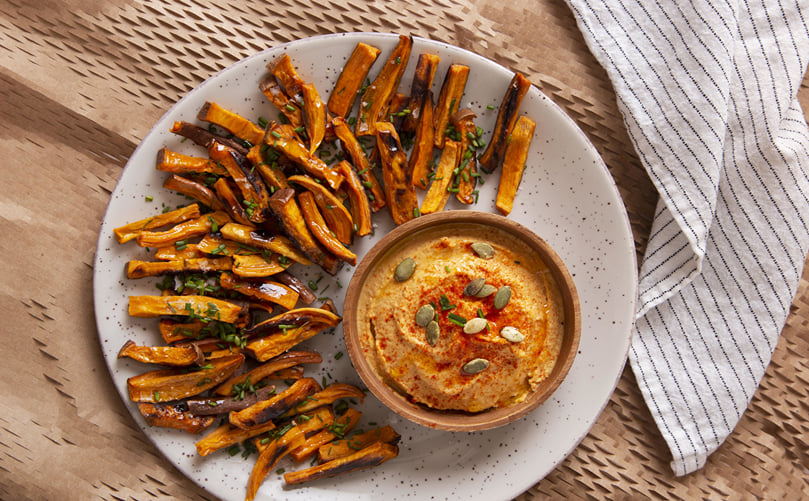
Golden Perfection: Sweet Potato Fries in Every Bite
Choosing the Right Sweet Potato Varieties for Crispy, Flavorful Fries
Varietal Requirements for Fry Processing
Sweet potatoes diverse varieties, selected for fry production must exhibit a specific combination of agronomic, physical and biochemical traits to ensure consistent processing performance and high-quality finished products. These include high and stable yield potential, resistance to major soil borne diseases, good storage behavior and physical characteristics that support efficient mechanized peeling and cutting. As a result, only a limited number of cultivars are considered suitable for large scale sweet potato fry manufacturing.
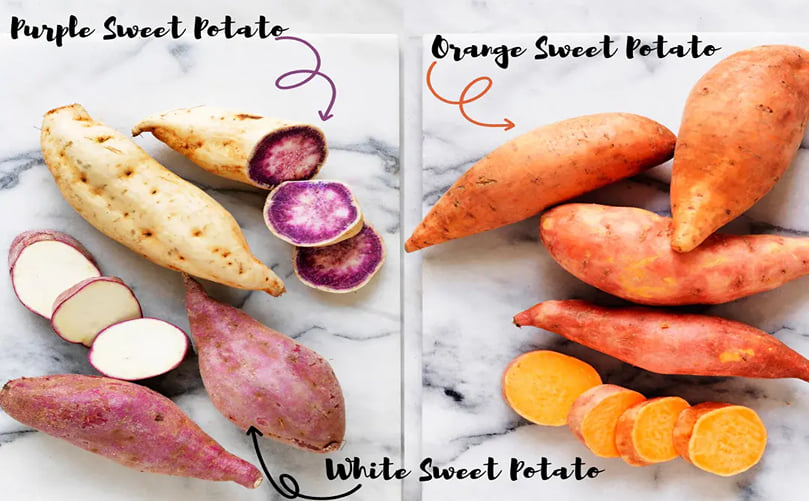
Cut-open sweet potatoes showcasing orange, purple and white varieties, illustrating their colorful flesh and nutritional diversity.
Common Varieties Preferred for Fries
Several commercial cultivars dominate sweet potato fry production globally due to their proven processing suitability:
- Beauregard: One of the most widely cultivated processing varieties, particularly in the United States. It is favored for its high yield, early maturity, orange flesh and adaptability across growing regions. Beauregard delivers reliable fry texture but requires careful management of sugar levels to avoid excessive browning.
- Covington: Highly valued by processors for its smooth skin, uniform cylindrical shape, consistent size and resistance to soil rot and nematodes. Its visual uniformity reduces trimming losses and improves line efficiency making it one of the most processor friendly cultivars.
- Jewel: Recognized for its coppery skin, deep orange flesh and balanced sweetness, Jewel provides good color retention after frying and a flavor profile well suited for premium foodservice applications.
- Garnet (Red Yam type): Features reddish purple skin and moist orange flesh, delivering a rich flavor and appealing color. While popular in gourmet markets, its higher moisture content may require adjustments in frying time or coating systems.
- Diane: A red skinned variety known for good storage stability and uniform root development, often used where long-term storage and supply continuity are critical.
- Porto Rico: A compact bush type variety with light orange flesh, suitable for smaller farms or container production. While yields are moderate, its manageable size and uniformity support niche or localized processing operations.
For specialty and differentiated products, processors increasingly utilize:
- Purple fleshed varieties (e.g., Tu-Purple, Murasaki): Rich in anthocyanins, offering antioxidant benefits and a distinctive nutty flavor. These varieties enable visual differentiation but require precise thermal control to prevent excessive darkening due to phenolic reactions.
- White or cream fleshed varieties (e.g., Bohye, CIP440390): Provide a milder flavor, lower sweetness and lighter fry color, closely resembling conventional potato fries. These cultivars are particularly attractive for markets transitioning from white potato fries to sweet potato alternatives.
- Orange Fleshed Sweet Potatoes (e.g., Beauregard, Jewel): These are among the most commonly used varieties for fries. They are rich in beta-carotene, which the body converts into vitamin A, contributing to immune function, vision and skin health. Their natural sweetness and moist texture make them ideal for baking and frying.
- Biofortified Varieties (e.g., Bhu-Sona, Bhu-Krishna): Biofortified sweet potatoes have been developed to address vitamin A deficiencies, particularly in regions like sub-Saharan Africa and parts of Asia. These varieties, such as Bhu-Sona and Bhu-Krishna have enhanced levels of beta-carotene making them valuable in combating malnutrition. Studies have shown that these biofortified varieties exhibit high antioxidant activity and carotenoid content contributing to improved nutritional outcomes
Dry Matter Content and Textural Performance
Dry matter content is a critical quality parameter influencing fry texture, oil absorption and structural integrity. An optimal dry matter range of approximately 20–25% is generally preferred for sweet potato fries as it balances moisture and starch levels to promote crispness while maintaining a soft interior. Varieties with dry matter levels below about 22.6% often yield fries with smoother mouthfeel and superior tenderness, which are favored in many foodservice applications.
In contrast, some genotypes exhibit much higher dry matter levels ranging from 30–45%, producing denser and crunchier fries that may require adjustments in blanching or frying conditions to prevent excessive hardness. Dry matter also affects starch pasting behavior with lower levels contributing to softness and higher levels enhancing firmness.
Influence of Flesh Color on Nutrition and Processing
Flesh color plays a major role in determining both nutritional value and processing behavior. Orange fleshed varieties, such as Beauregard and Jewel are rich in beta-carotene, resulting in vibrant post-frying color and high vitamin A content. However, these varieties typically exhibit higher amylase enzyme activity, which converts starch into sugars during storage and cooking, increasing sweetness and the risk of darker browning if processing parameters are not carefully controlled. White or cream fleshed varieties including Bohye, provide a neutral flavor profile and lighter fry color, with reduced sugar accumulation and lower browning potential making them suitable for applications intended to resemble conventional potato fries.
Purple-fleshed varieties, such as Tu-Purple and Murasaki contain anthocyanins and other phenolic compounds that deliver antioxidant benefits and a nutty flavor, although these compounds can cause increased darkening during high temperature processing. Yellow or pale orange fleshed varieties exhibit intermediate characteristics, balancing sweetness, color stability and bioactive retention during thermal processing.
Root Shape, Size and Uniformity for Processing Efficiency
Physical characteristics of sweet potato roots are critical for efficient processing and yield optimization. Elongated, cylindrical roots measuring approximately 5–10 inches in length and 2–3 inches in diameter are preferred as they allow for straight, uniform cuts into fries typically ¼–½ inch thick. Such uniformity ensures even cooking, consistent portion sizes and controlled oil absorption. Irregular or oversized roots increase trimming losses, while small or misshapen roots reduce usable yield.
Uniform root size across processing batches facilitates mechanized peeling and cutting, minimizing variability in fry length and thickness that can adversely affect texture and oil uptake. Varieties such as Covington are particularly valued for their shape consistency, while compact types like Porto Rico offer handling advantages in smaller scale operations.
Consistency of Supply and Processor Requirements
A reliable and consistent supply of processing-grade sweet potatoes is essential for meeting year-round production demands. This is achieved through careful varietal selection for storage longevity, staggered planting schedules and controlled curing and storage practices. High yielding varieties such as Beauregard ensure dependable volumes, while contract farming arrangements strengthen supply chain stability by linking specific farms and cultivars directly to processors. These systems enhance traceability, quality assurance and raw material consistency, supporting uninterrupted production while providing farmers with predictable markets and income security.
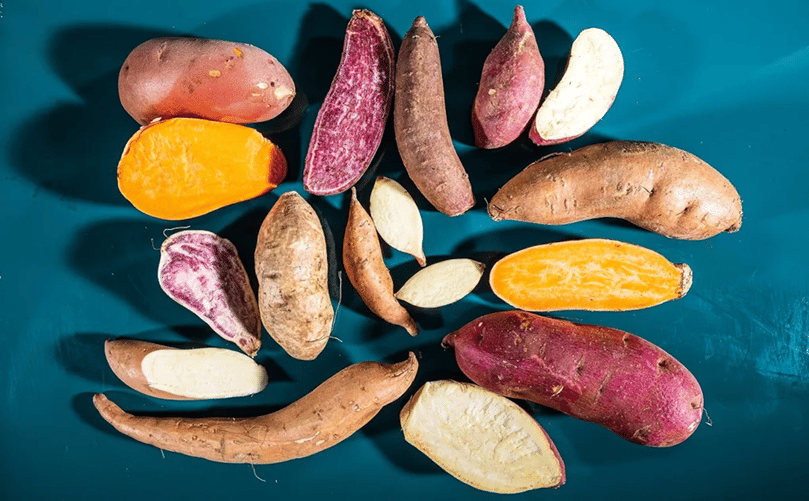
A Spectrum of Sweet Potatoes: Orange, White and Purple Varieties
Processing Technology & Manufacturing Flow of Sweet Potato Fries
The manufacturing of sweet potato fries is a precise, multi-step process designed to ensure uniformity, optimal texture, appealing color and food safety, especially for frozen products that dominate the market. Modern processing lines range from small scale units handling 100–500 kilograms per hour to large industrial capacities of up to five tons per hour. These lines are often fully automated, incorporating advanced control systems to maintain consistency, monitor process variables and optimize efficiency.
Washing and Peeling: The process starts with washing the produce thoroughly to get rid of dirt and bits of debris, using tools like brush washers, bubble washers or water sprays. Peeling comes next, and this can be done using abrasive rollers, high pressure steam applied for 10 to 20 seconds or lye peeling with hot alkaline solutions. Steam peeling is usually better because it keeps more nutrients, uses less water, makes less waste, and keeps the peel safe for possible reuse.
Inspection, Sorting and Cutting:After peeling, the tubers are checked carefully and grouped according to their size and quality. Optical sorters look for problems like flaws, wrong colors or odd sizes to make sure only the best roots move on to the next step. Tubers are cut into uniform strips, which can be straight, crinkle, or wedge shaped, using either high-speed water knives or mechanical cutters. Keeping the thickness steady, usually between 1/4 and 1/2 inch, helps food cook evenly, reduces waste and makes the fried look the same every time.This is important for keeping the food quality high and making customers happy.
Blanching: Blanching is an important step that influences the texture, color, nutrient content, and safety of food. Strips are put into hot water between 70 and 95 degrees Celsius for 1 to 4 minutes or steamed to stop enzymes like polyphenol oxidase, which causes browning.This process also starts to break down the starch, making the inside softer, removes some sugars that can lead to acrylamide formation, reduces it by up to 30 percent, and helps keep the color and nutrients in the strips. Advanced techniques such as microwave blanching allow for quicker and more even heating while preserving most of the nutrients. After blanching, the strips are quickly cooled in cold water and then dried in the air to take out any moisture on the surface.This helps reduce how much oil they soak up when fried and keeps their texture from getting too soft.
Coating and Seasoning: Coatings enhance crispiness, reduce oil uptake and improve shelf life. They are typically made from starches such as rice, corn or potato or hydrocolloids and plant-based alternatives forming a barrier that can reduce oil absorption by 5–40 percent and extend hold time. Seasonings including salt, herbs and spices can be applied either before or after frying, depending on the desired flavor profile and product positioning in retail or foodservice markets.
Cooking Methods: Cooking methods vary from traditional immersion frying at 160–190°C using high oleic oils for stability to vacuum frying at lower temperatures, which reduces oil content and limits darkening. Health-conscious alternatives, such as hot air drying or oven baking, further minimize oil use. Emerging technologies include pulsed electric field pretreatment at 1–2 kV/cm to soften tissue, ease cutting, reduce frying time and energy consumption by 20–30 percent and lower oil content. Ultrasound assisted processing aids moisture removal, while high pressure processing ensures microbial safety without heat preserving nutritional quality.
Freezing and Packaging: For frozen products, par-fried strips undergo de-oiling through vibration or centrifuge systems are cooled and then enter individually quick frozen (IQF) tunnels at -35 to -40°C with high velocity air for 5–15 minutes. Vibration belts operating at 50–100 Hz prevent clumping and preserve individual piece integrity. The final steps include metal detection, weighing and packaging in nitrogen flushed bags allowing a shelf life of 18–24 months when stored at -18°C.

Packaging: Ensuring Shelf-Stable Sweet Potato Fries
Sustainability and Adaptation: Modern processing lines focus on sustainability through heat recovery from fryers, water recycling and energy efficient equipment. Health-oriented innovations include low acrylamide production using asparaginase enzymes and clean label coatings. Processing lines are adapted specifically for sweet potatoes, which have higher moisture and sugar content than regular potatoes requiring adjustments such as thinner cuts and longer blanching to maintain optimal texture, color and quality.
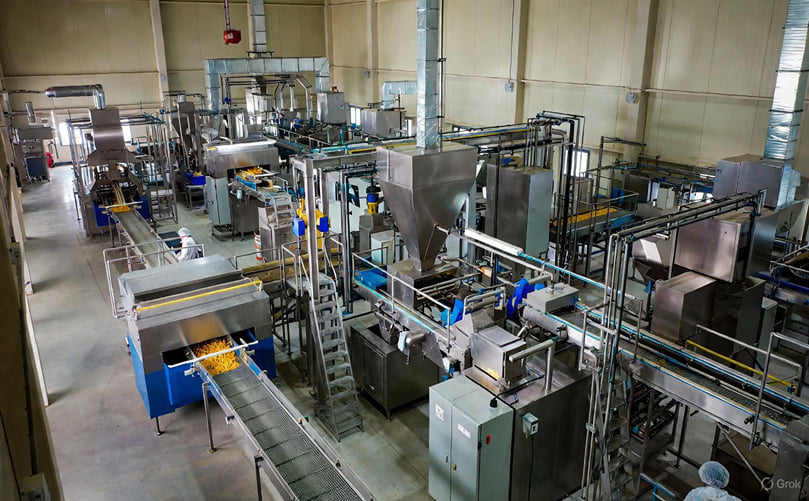
From Farm to Fryer: Sweet Potato Fries Processing Line
Quality Parameters & Food Safety of Sweet Potato Fries
Texture and Sensory Attributes: The ideal sweet potato fry combines a crisp exterior with a soft, fluffy interior. Achieving this balance depends on selecting varieties with appropriate dry matter content, typically 20–25 percent along with precise blanching and frying conditions. Sensory evaluation often uses scales to assess crunchiness, hardness, moisture, sogginess and oily mouthfeel with higher scores for crunchiness and lower scores for sogginess or oiliness considered optimal. Varieties with higher dry matter produce firmer, crunchier fries, while those with lower dry matter yield softer, moister interiors that may become soggy more quickly.
Color Consistency: Visual appeal is a key quality attribute. Fries should display a golden-brown color, indicating proper Maillard reaction without excessive darkening. Orange fleshed varieties, while visually vibrant due to beta-carotene are prone to darker browning because of higher sugar content. White and purple fleshed types produce lighter more uniform coloration. Color metrics, including browning index and ΔE (color difference), as well as L* (lightness), a* (red, green) and b* (yellow, blue) values are monitored to maintain ideal tones for consumer appeal.
Oil Absorption and Moisture Content: Oil uptake in sweet potato fries ranges from 9 to 38 percent on a dry basis with lower dry matter or orange fleshed varieties absorbing more oil up to 15 percent higher than regular potatoes due to their density and moisture. Oil absorption is controlled through proper blanching, the use of coatings or starch barriers (which can reduce oil uptake by 5–40 percent), pre-drying or vacuum frying, generally maintaining levels around 10–15 percent. Excessive oil negatively affects sensory quality and reduces shelf life. Moisture content in finished fries should remain between 20 and 50 percent, balancing softness without causing sogginess with dry matter levels directly influencing the final texture.
Food Safety Considerations: Microbial safety is critical with attention to pathogens such as Salmonella. Washing, blanching and temperature control throughout processing reduce contamination risk. Chemical hazards, particularly acrylamide are closely monitored. Acrylamide forms from reactions between reducing sugars and asparagine at temperatures above 120°C and can reach 327 µg/kg in baked products or higher in air fried fries. European benchmarks set acceptable limits between 500 and 750 µg/kg for fries. Mitigation strategies include selecting low sugar varieties, blanching or soaking strips (which can reduce acrylamide formation by up to 99 percent), frying at controlled temperatures, using asparaginase enzymes and avoiding over browning.
Regulatory Compliance and HACCP: HACCP protocols ensure safety by monitoring critical control points across the production chain including raw material selection, blanching, frying temperatures and storage. This systematic approach minimizes microbial and chemical hazards while ensuring consistent quality, consumer safety and compliance with regional food safety standards.
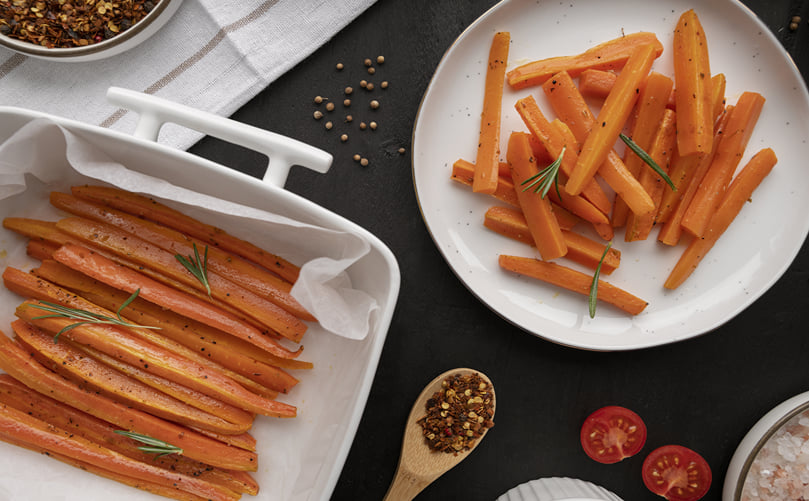
Quality-Graded Sweet Potato Fries Before Frying
Storage, Reconditioning & Shelf Life of Sweet Potato Fries
Optimal Storage of Raw Sweet Potatoes: Raw sweet potatoes destined for processing are best stored at temperatures between 7 and 10°C, with high relative humidity around 85–90 percent. Some sources suggest 10–15°C for short-term storage. These conditions help prevent sprouting, decay and cold induced sweetening (CIS), a process where starch converts to sugars at temperatures below 10–12°C. CIS can result in darker fries and elevated acrylamide formation, negatively impacting color, flavor and safety. Extended refrigeration below these temperatures should be avoided to maintain quality.
Managing Cold-Induced Sweetening (CIS): CIS can be managed by selecting resistant sweet potato varieties and maintaining controlled storage temperatures. If CIS occurs, reconditioning is employed, tubers are warmed to 15–22°C for 7–21 days commonly 1–2 weeks which reduces excess sugars by 75–80 percent. This process restores fry color, texture and overall processing quality, ensuring consistent end-product appearance and taste.
Shelf Life of Fresh and Frozen Fries: Freshly cut or prepared fries have a limited shelf life of 2–3 days under refrigeration. In contrast, frozen sweet potato fries, especially those processed using Individually Quick Frozen (IQF) technology maintain optimal texture and safety when stored at -18°C or below for 12–18 months. Packaging in moisture proof, airtight materials prevent freezer burn, while strict temperature control throughout storage ensures the preservation of quality, texture and sensory attributes.
Sensory Attributes & Consumer Experience of Sweet Potato Fries
Taste Profile: Sweet potato fries are naturally sweet and earthy with subtle caramel notes developed through the Maillard reaction during cooking. Orange fleshed varieties are distinctly sweeter, purple fleshed types exhibit nutty undertones and white fleshed varieties offer a milder, yam-like flavor. Mouthfeel varies with dry matter content: fries from lower dry matter tubers are creamy and soft, while those from higher dry matter varieties are firm and mealy, contributing to textural diversity.
Aroma Development: Aroma evolves during frying as caramelized sugars release buttery compounds such as 2,3-butanedione, alongside roasted or floral notes. Lipid oxidation adds depth to the aroma but must be controlled to prevent off-flavors or rancidity during storage or extended frying.
Visual Appeal:Visual appearance plays a pivotal role in consumer perception. Uniform golden-brown coloration indicates proper frying, while natural orange or purple flesh enhances premium appeal. Presentation with garnishes, sauces or plating arrangements further elevates the eating experience making the product visually enticing and reinforcing perceived quality.
Complementary Dipping Sauces: Dipping sauces enhance flavor and consumer enjoyment, complementing the natural sweetness and texture of the fries. Popular options include garlic aioli, spicy mayonnaise, ranch, sweet chili or cinnamon sugar coatings. Gourmet variations, such as truffle aioli or region-specific accompaniments like spiced yogurt, reflect evolving consumer trends and global palate preferences.
Consumer Preferences & Cultural Variations: Consumer liking depends on a balance of sweetness, crisp texture and minimal bitterness or oiliness. Preferences vary by segment: some favor crispy, crunchy and sweet orange fleshed fries; others prefer firm, dry, yam flavored white varieties; while colorful, nutty purple fries appeal to health-conscious or novelty seeking consumers. Cultural differences influence flavor expectations, with sweeter versions popular in the U.S. and spiced or savory variants favored in Asia.
Why Sweet Potato Fries Are Booming Worldwide
The global sweet potato fries market market has experienced robust growth with estimates ranging from USD 1.5–4.3 billion in recent years (2023–2024) and projected to reach USD 2.5–9.3 billion by the early 2030s, at compound annual growth rates (CAGRs) of 5–7.9%. This growth outpaces many traditional snack categories, fueled by convenient formats, premium positioning and rising consumer demand for better-for-you alternatives.
Health Trends: Sweet potato fries align closely with the increasing preference for nutrient dense snacks. They provide dietary fiber, beta-carotene (a precursor to vitamin A) and antioxidants. Glycemic index (GI) varies by preparation method, boiled sweet potato fries range from 44–60 (low to moderate), baked or roasted can reach up to 94 (high) and fried typically fall between 70–80 (moderate to high), which is slightly lower than regular potato fries (75–85) due to slower fat absorption. A standard serving of 100–115g contains approximately 140–180 calories making them suitable for balanced diets when portion sizes and cooking methods are managed.
Sustainability: Sweet potatoes are resource efficient, often requiring less water than regular potatoes in suitable climates (optimal rainfall or irrigation of 500–850 mm). They deliver high caloric yield per hectare and a low carbon footprint, approximately 0.10–0.22 kg CO₂e per kg, comparable to or slightly below that of white potatoes. Processing adds value and reduces food waste by utilizing imperfect tubers, while peels can be repurposed for biogas production or animal feed contributing to a circular economy approach.
Global Appeal, Nutrition and Convenience: Sweet potato fries’ natural sweetness and versatility allow them to adapt to diverse culinary styles from spiced Indian variants to soy-glazed Japanese offerings. Frozen IQF products preserve nutrients, texture and flavor providing convenience for busy consumers. Marketing emphasizes natural flavors with approximately 35–50% of products highlighting minimally processed or “clean-label” positioning.
Technological Innovations: Advanced processing methods enhance quality, health and shelf life. Vacuum frying reduces oil absorption by 20–30% while preserving color and texture. Pulsed electric field (PEF) treatments can lower oil uptake by 9–40%, improve fry texture and reduce acrylamide formation by up to 45%. Ultrasound, enzyme treatments and automated blanching further optimize production efficiency and support scalable, clean-label manufacturing.
The global boom of sweet potato fries reflects the perfect convergence of health, taste, sustainability and innovation, positioning them as a standout in the evolving snack market.
Leading Companies
The sweet potato fries market is dominated by a mix of multinational giants and specialized processors, who control over 60% of the global share through innovation in healthier formulations, sustainable sourcing and expanded distribution. These leaders are investing heavily in R&D to reduce oil content, enhance flavors and meet rising demand for organic and low acrylamide products with the sector's top players collectively driving a 7.7% CAGR through 2032.
Lamb Weston (U.S.): As the market leader with approximately 25% global share, Lamb Weston specializes in premium frozen sweet potato fries using advanced low oil baking technology to appeal to health-conscious consumers. The company exports to over 100 countries, leveraging efficient supply chains and recent expansions in sustainable farming partnerships to maintain its edge in North America and Europe, where it generates over 40% of its revenue from frozen potato products.
McCain Foods (Canada): Holding around 15-20% market share, McCain is renowned for its March 2025 launch of organic sweet potato fries sourced from regenerative farms, emphasizing reduced environmental impact and clean label ingredients. With a global footprint in 160 countries and a focus on foodservice innovation like pre-seasoned varieties for quick-service restaurants the company has seen 12-16% annual growth in frozen snacks, bolstered by acquisitions such as 70% of Brazil's Serya Foods in 2019 to strengthen Latin American production.
J.R. Simplot Company (U.S.): Capturing 8-12% of the market, Simplot excels as a high-volume exporter, utilizing pulsed electric field (PEF) technology to minimize oil absorption by up to 30% while preserving nutrients and texture. The company supplies major chains worldwide and has expanded its sweet potato lines through sustainable sourcing from U.S. and Australian farms contributing to a 10-14% rise in its frozen potato segment revenue amid growing demand for premium, ready to cook options.
Aviko (Netherlands): With a strong 10% share in Europe, Aviko focuses on low acrylamide sweet potato fries processed at controlled temperatures to ensure safety and superior taste, aligning with EU regulations. As part of the Royal Cosun group, it emphasizes eco-friendly packaging and has invested in R&D for seasoned variants driving 15% growth in the European market through partnerships with retailers like Tesco and a push into organic lines.
Conagra Brands and Kraft Heinz (U.S.): Together commanding about 10-15% share, these consumer-packaged goods leaders offer clean label retail packs under brands like Alexia (Conagra) and Ore-Ida (Kraft Heinz), featuring non-GMO and gluten free sweet potato fries. Conagraes focus on air fried options has boosted sales by 20% in health-focused channels, while Kraft Heinz integrates them into family meal kits both companies are expanding via e-commerce and sustainable sourcing to capture millennial and Gen Z demographics.
Other notable players include Ardo (Belgium), which strengthened its North American presence through the 2023 acquisition of VLM Foods for frozen vegetable distribution and Cavendish Farms (Canada), known for innovative battered varieties targeting foodservice.
Emerging Markets Powering the Next Wave of Global Sweet Potato Fries Growth
Emerging regions are fueling over 40% of the sweet potato fries market's global growth, propelled by urbanization, rising middle class incomes and a shift toward convenient, nutritious snacks. These areas benefit from local sweet potato abundance, reducing import costs and are projected to outpace mature markets with CAGRs of 7-10% through 2035, supported by investments in cold chain infrastructure and Western style fast-food adoption.
Asia Pacific: This region leads emerging growth with strong potential driven by rapid urbanization in China and India, where snack demand has surged 40% amid busy lifestyles and health awareness. In China, the world’s top sweet potato producer, domestic processing hubs are expanding to meet e-commerce and quick service restaurant needs with innovations like soy glazed variants boosting sales significantly. India sees masala-seasoned fries gaining traction in street food stalls and supermarkets, fueled by a rise in frozen food penetration Japan adds premium tempura-style options popular in izakayas and convenience stores.
Southeast Asia, including Indonesia and the Philippines, contributes through local adaptations like sweet chili coated fries with regional exports growing steadily. Investments in cold storage and logistics, particularly in Vietnam and Thailand, support increased production capacity.
Latin America: Exports from Brazil and Mexico have risen significantly, leveraging abundant local yields and proximity to North American markets for seamless supply chains. Brazil, a key producer, focuses on organic frozen fries for U.S. and EU exports with government backed sustainable farming initiatives supporting growth. Mexico’s integration into NAFTA/USMCA has spurred foodservice demand, where sweet potato fries are positioned as a healthier alternative in tacos, burritos and casual dining driving growth in retail packs amid increased convenience food consumption.
Countries like Peru and Colombia are also emerging as processing hubs with small scale exporters adopting vacuum frying to compete globally, contributing to a rise in regional output.
Middle East & Africa: This region taps local crops for affordable processing with Egypt’s International Fruit & Vegetable Co. (IFCG) leading frozen exports, targeting Europe and the Gulf with a significant volume increase. In sub-Saharan Africa, Nigeria and Ghana utilize staple sweet potato production for domestic snacks supported by USAID funded value chains that enhance yields and reduce post-harvest losses by 30%.
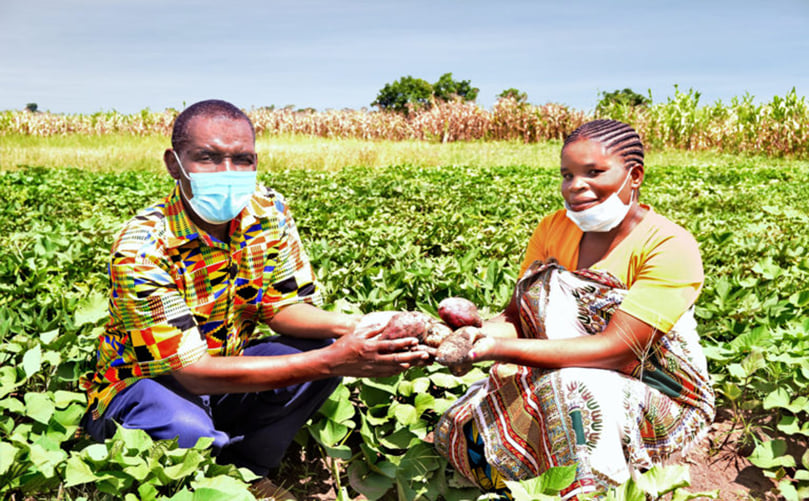
Farmers harvesting biofortified sweet potatoes in a lush field in Malawi, showcasing sustainable smallholder farming in Africa.
The Middle East, particularly the GCC countries like Saudi Arabia and UAE, sees rising imports for hotel chains and fine dining with spiced variants aligning with halal preferences and contributing to a market uplift through urban expansion. South Africa is also emerging as a processing hub with increased exports to Europe driven by sustainable farming practices.
Farming & Agronomy Considerations for Sweet Potato Production
Climate and Temperature Requirements: Sweet potatoes are warm season crops that thrive in tropical and subtropical climates. Optimal growth occurs under daytime temperatures of 75–85°F (24–29°C) with nighttime temperatures remaining above 55°F (13°C). Exposure to cold temperatures slows vine growth, restricts root bulking and increases susceptibility to rot and chilling injury. The crop requires a minimum of 120 fros free days to complete its growth cycle making temperature stability critical for commercial production.
Light Requirements and Photosynthetic Efficiency: Full sun exposure is essential for maximizing photosynthesis and storage root development. Sweet potatoes require 6–8 hours of direct sunlight per day, as insufficient light reduces vine vigor and limits carbohydrate translocation to developing roots, ultimately lowering yield and root size uniformity.
Soil Type, Structure and pH Preferences: Soil suitability plays a decisive role in root shape, yield and processing quality. Well-drained sandy loam or loamy sand soils are ideal, as they promote uniform root expansion while preventing waterlogging. An optimal soil pH range of 5.8–6.5 supports nutrient availability and root health. Heavy clay soils often lead to poor aeration, misshapen roots and higher disease pressure, while excessively sandy soils may require organic amendments to improve moisture and nutrient retention. Incorporation of organic matter such as compost enhances soil fertility, structure and microbial activity.
Water Requirements and Irrigation Management: Sweet potatoes exhibit moderate drought tolerance but perform best when supplied with approximately 40–50 inches of annual rainfall or equivalent irrigation. Even moisture distribution is critical during root bulking stages as irregular watering can cause root cracking, internal defects and inconsistent sizing. Excessive moisture, particularly in poorly drained soils, increases the risk of root rot and storage losses.
Yield Variability Across Regions: Yield potential varies widely depending on climate, soil quality and production systems. In high production regions such as North Carolina (USA), average yields typically range from 20–30 tons per hectare, supported by sandy soils, improved varieties and mechanized farming practices. In cooler regions, including Finland or northern parts of China, yields are often reduced to 10–15 tons per hectare due to shorter growing seasons and temperature stress. In tropical regions such as Ghana and other parts of Africa, yields range from 15–25 tons per hectare influenced by rainfall variability, pest pressure and soil fertility constraints.
Impact of Climate Change and Genotype-Environment Interaction: Climate change is increasingly affecting sweet potato productivity. In some regions, increased precipitation and warmer temperatures may enhance yields, while in others, flooding, prolonged droughts or heat stress reduce root quality and storage potential. Genetic variability among cultivars contributes to differential responses with multi-environment trials demonstrating strong genotype × environment interactions that influence yield stability, dry matter content and root uniformity.
Harvest Timing and Maturity Indicators: Harvest maturity generally occurs 85–120 days after planting, depending on variety and environmental conditions. Visual indicators include vine yellowing and cessation of vigorous growth, while root size is confirmed through sample digging. Delayed harvesting can enhance sweetness through continued starch-to-sugar conversion but increases the risk of frost injury in cooler climates and mechanical damage from oversized roots.
Curing Practices and Post-Harvest Handling: Curing is a critical post-harvest practice to ensure storage longevity and processing quality. Immediately after harvest, roots are cured at 80–85°F (27–29°C) with 85–90% relative humidity for 4–7 days. This process promotes wound healing, thickens the periderm, reduces post-harvest decay and enhances sweetness by facilitating enzymatic starch conversion. Lower curing temperatures may extend the curing period but exposure below 55°F (13°C) must be avoided to prevent chilling injury.
Regenerative and Sustainable Farming Practices: Sweet potato production aligns well with regenerative and climate smart agriculture due to its relatively low input requirements. Sustainable practices include crop rotation with legumes to improve soil nitrogen, cover cropping to reduce erosion and reduced or minimal tillage to preserve soil structure. Organic systems often rely on compost, farmyard manure or worm castings to enhance soil biodiversity and nutrient cycling, reducing dependence on synthetic inputs. Large scale mechanized systems prioritize efficiency and uniformity, while small scale regenerative systems emphasize long-term soil health and resilience.
Mechanization, Contract Farming and Traceability: Mechanized farming improves labor efficiency and consistency in large production systems, particularly during planting and harvesting. Increasingly, contract farming arrangements link growers with processors through predefined agreements covering varieties, volumes and quality standards, ensuring a reliable and consistent raw material supply. Advanced traceability systems, including blockchain and RFID technologies are being adopted to track sweet potatoes from field to processor. These systems enhance food safety, support certification requirements such as organic or sustainability labels and build consumer trust by verifying origin and production practices.
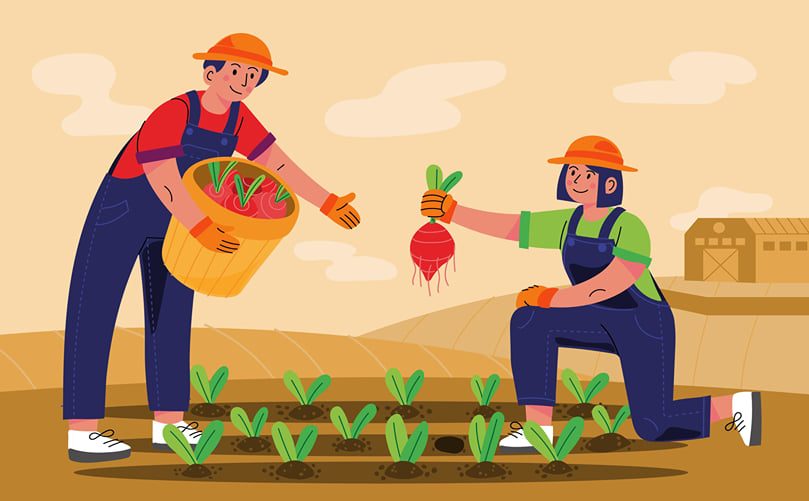
Sweet Potato Production Systems: From Soil to Harvest
Key Challenges and Structural Constraints in the Sweet Potato Fries Industry
Raw Material Variability and Price Volatility: Inconsistent raw material quality remains one of the most significant challenges in the sweet potato fries industry. Weather variability including irregular rainfall, heat stress and extreme events, affects yields, root size uniformity and reducing sugar levels. These fluctuations directly influence fry color, texture and oil absorption during processing. Seasonal supply constraints and regional production variability also contribute to price volatility, placing pressure on processor margins and complicating long-term procurement planning.
Storage, Cold Sweetening and Logistics Constraints: Post-harvest storage and logistics present ongoing operational challenges. Exposure to low storage temperatures can trigger cold induced sweetening, increase reducing sugar concentrations and lead to excessive browning during frying. To mitigate this processor must maintain precise storage conditions typically within 7–13°C, followed by controlled reconditioning before processing. These requirements increase energy consumption, storage costs and logistical complexity, particularly for year-round supply chains.
Acrylamide Risk and Processing Trade-Offs: Acrylamide formation during high temperature frying is a critical health and regulatory concern. Sweet potatoes naturally contain higher levels of reducing sugars than white potatoes, increasing the potential for acrylamide development under improper processing conditions. Mitigation strategies such as blanching, selection of low sugar varieties, optimized frying parameters and the use of asparaginase enzymes are effective but add processing steps, operational costs and compliance burdens for manufacturers.
Market Competition and Shifting Consumer Preferences: The sweet potato fries category faces growing competition from alternative snack formats including vegetable chips, air fried snacks and cauliflower or legume-based products that appeal to low carbohydrate and calorie conscious consumers. These competing products challenge shelf space, pricing power and consumer attention requiring continuous product differentiation and innovation.
Supply Chain Disruptions and Rising Energy Costs: Global supply chain disruptions, coupled with rising energy and fuel costs have increased expenses across freezing, cold storage and transportation stages. Energy-intensive processes such as individual quick freezing (IQF) and long-term cold storage significantly impact cost structures, particularly for export-oriented processors. These pressures underscore the need for energy-efficient technologies and resilient supply chain strategies.
Challenges in Production and Potential Downsides: While sweet potato production is generally sustainable, it faces several agronomic challenges. Common pests like vine weevils and sweet potato weevils can significantly reduce yields and fungal diseases such as black rot (Ceratocystis fimbriata) and Fusarium wilt remain major concerns. Sweet potatoes are also sensitive to climate extremes elevated CO₂ may boost growth, but drought, salinity and heat stress can sharply reduce yields. On the consumer side, some varieties have higher oxalate levels, which may increase the risk of kidney stones in susceptible individuals. Over consumption of biofortified orange fleshed varieties could theoretically lead to hypervitaminosis A, though this is rare. Incorporating sweet potatoes as part of a balanced and varied diet ensures nutritional benefits without risks.
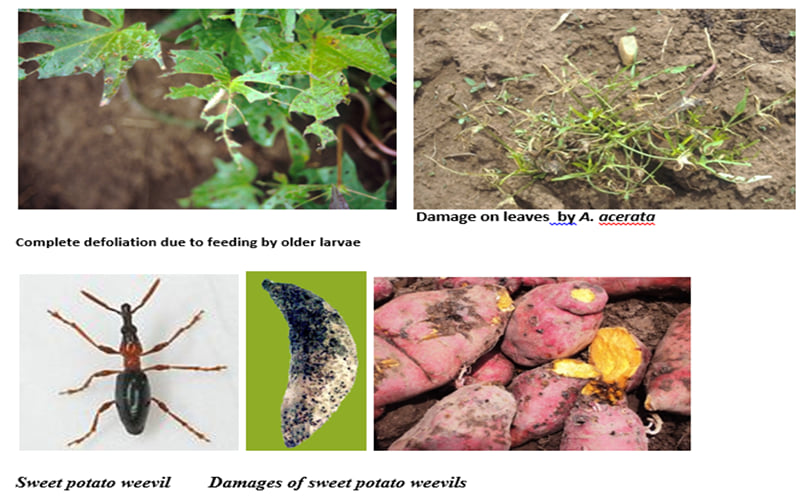
Images depicting common pests and diseases affecting sweet potatoes, such as weevils and root damage.
Sustainability & Environmental Impact of Sweet Potato Fries
Resource Efficiency and Water Use: Sweet potato cultivation is highly resource efficient compared to many staple crops. It requires less water per unit of food energy produced and often demands fewer chemical inputs such as fertilizers and pesticides when grown in suitable climates. Drought tolerant varieties and efficient land use make sweet potatoes an environmentally friendly crop, particularly in regions facing water scarcity.
Carbon Footprint and Life Cycle Considerations: Life cycle assessments indicate a low carbon footprint for sweet potato production, estimated at 0.10–0.22 kg CO₂e per pound of fresh tuber. The majority of emissions, roughly 90%, originate from the growing stage. This footprint is mitigated by the crop's adaptability, high yields per hectare and low input requirements. Processing adds value by converting imperfect, oversized or surplus tubers into marketable products, thereby reducing food loss and minimizing overall environmental impact.
Soil Health and Biodiversity: Sustainable agronomic practices enhance long-term environmental benefits. Crop rotation, cover cropping and minimal tillage improve soil structure, reduce erosion and foster biodiversity. These regenerative methods also reduce dependency on synthetic fertilizers and pesticides contributing to healthier agroecosystems while maintaining productivity.
Water-Saving Irrigation Practices: Adoption of drip irrigation systems utilized by up to 95% of growers in key production regions like California optimizes water efficiency and reduces waste. Such precision irrigation methods allow farmers to maintain consistent yields while conserving water resources and minimizing nutrient runoff.
Processing, Packaging and Frozen Products: While frozen sweet potato fries inherently carry a higher carbon footprint due to energy intensive freezing and transport, innovations help offset environmental impact. Efficient IQF (Individually Quick Frozen) technology preserves product quality with lower energy input and sustainable packaging options, such as recyclable or biodegradable materials, further enhance eco-friendliness.
Alignment with ESG and Climate Goals: Sweet potato cultivation aligns closely with ESG principles and climate smart agriculture initiatives. Low input farming, drought resistant varieties and regenerative practices position sweet potato fries as a sustainable choice, particularly within the growing plant-based and health-conscious food trends. This environmental profile strengthens brand positioning for companies emphasizing sustainability, circular economy practices and reduced food system emissions.
Future Trends in Sweet Potato Production and Utilization
The future of sweet potato production is rapidly evolving, shaped by breakthroughs in nutrition, digital agriculture, sustainability and food innovation. Biofortification efforts are intensifying with breeders developing varieties enriched with iron, zinc, anthocyanins and carotenoids to address global micronutrient deficiencies. These nutrient dense cultivars are expected to play a major role in combating hidden hunger across Asia and Africa.
New developments in AI technology are making farming and the supply chain more efficient. Machine learning models help predict when pests might appear, decide the best times to water crops, use the right amount of fertilizer and keep track of crop quality in real time to lower losses after harvest. Smart sorting and automated storage systems keep the right temperature and humidity levels, which helps food last longer and reduces waste.
Sweet potatoes are also becoming more popular in the plant-based food trend. Their natural sweetness, starch content, and fiber make them great for making clean label snacks, gluten-free items, fermented drinks, purees and even plant-based meat substitutes. Studies on their prebiotic substances are growing, which is helping them play a bigger role in supporting gut health and in the market for special foods that offer health benefits.
New technologies, such as 3D food printing, might soon let people create sweet potato products with custom shapes, textures and nutritional content, which could lead to more personalized diets. At the production level, they are creating new plant varieties that can handle drought, heat and viruses, so farmers can keep getting good harvests even when the weather is really tough.
Together, these advances make sweet potatoes a key crop for future food systems that focus on health, sustainability and technology, helping to improve global nutrition and strengthen farming practices.
Opportunities for Farmers, Processors & Startups
Value Creation Opportunities for Farmers: Farmers can greatly increase their income by going beyond just selling raw products and instead focusing on selling higher-value products. Processing sweet potatoes on the farm to make fresh cut or lightly processed fries lets farmers make more money while cutting down on losses after the crops are harvested. Getting organic certification and using sustainable farming methods helps farmers reach high-value domestic and international markets. These markets are seeing growing interest in products that are clean labeled and focused on health. Direct-to-consumer models, like farmers markets and online platforms, help make sure prices are better realized and increase the visibility of the brand. Contract farming with processors ensures a steady demand, reliable pricing, and better payment for crops that are specially grown for frying. This helps farmers get a consistent income and guarantees that the quality of the crops remains high.
Growth Pathways for Processors: Processors are in a good position to gain from the increasing worldwide interest in healthier frozen snacks, especially in markets that focus on exports and health. Growth chances come from expanding frozen and individually quick frozen (IQF) product lines to satisfy demand from foodservice and retail businesses. Putting a premium image by getting organic certification, making clean label claims, and offering unique seasoning options can increase brand worth and the ability to set higher prices. Processors can also use improvements in cold chain systems to make food last longer, decrease waste, and reach more areas, especially in growing markets where more people are starting to eat frozen foods.
Innovation Opportunities for Startups: Startups are important for creating new ideas in their industry. They bring unique tastes, extra features, and new ways to present products that stand out from what's already available. Special flavors like truffle, sriracha, or spices from specific regions attract customers who love trying new and high-quality tastes. New features like sweet potato fries that have added probiotics or extra nutrients fit well with the increasing focus on gut health and healthy eating options. New food styles like sweet potato puffs and small bite-sized snacks let new businesses go beyond usual fried shapes and reach people during different times when they eat.
Local Sourcing Sustainability and Circular Models: Local sourcing and origin-based branding help build strong community connections and resonate with consumers seeking transparency and authenticity. Sustainable practices further strengthen market appeal, particularly when integrated into storytelling and certification frameworks. Upcycling processing byproducts, such as using peels for biogas production or animal feed, supports circular economy models while reducing waste and operational costs. These sustainability driven approaches enhance both environmental performance and brand credibility.
Alignment with Plant-Based and Free from Trends: The continued expansion of plant-based diets creates strong opportunities for gluten free and vegan sweet potato fry offerings across both snack and foodservice segments. Clean label formulations that avoid artificial additives and allergens appeal to health-conscious consumers and align well with global trends toward ethical, plant forward eating. This convergence of nutrition, convenience and sustainability positions sweet potato fries as a resilient and high growth category across diverse markets.
Regulatory Landscape and Quality Compliance in Sweet Potato Fries
Global Food Safety Frameworks: Food safety regulations governing sweet potato fries vary across regions but are universally anchored in Hazard Analysis and Critical Control Point (HACCP) principles. These frameworks emphasize preventive controls for microbial hazards, effective pathogen management and routine monitoring of chemical and physical contaminants throughout processing and storage. Compliance typically includes sanitation programs, temperature controls, oil quality management and validated critical control points.
United States: FDA Guidelines and Acrylamide Mitigation, In the United States, the Food and Drug Administration (FDA) provides guidance on reducing acrylamide formation in fried products without imposing mandatory maximum limits. The FDA recommends mitigation strategies such as selecting low reducing sugar varieties, optimizing blanching conditions and using controlled frying temperatures and times. Processors are encouraged to apply continuous monitoring and adopt best practices to minimize consumer exposure while maintaining product quality.
European Union: Mandatory Acrylamide Benchmarks: The European Union Regulation (EU) 2017/2158 establishes mandatory mitigation measures and benchmark levels for acrylamide in fried and baked foods. For sweet potato–based products, benchmark levels include approximately 500 µg/kg for ready-to-eat fries and 750 µg/kg for crisps, depending on product category and processing method. Exceeding these benchmarks requires processors to review raw material selection, adjust processing parameters and conduct corrective actions supported by documented sampling and testing protocols.
India: FSSAI and Codex AlignmentIn India, the Food Safety and Standards Authority of India (FSSAI) align closely with Codex Alimentarius guidelines, enforcing limits on contaminants, pesticide residues and food additives. Regulations mandate comprehensive nutritional labeling, allergen declarations and ingredient transparency. For clean label positioning, products must avoid artificial colors, flavors and preservatives, while export-oriented processors must comply with additional residue testing, traceability and documentation requirements.
Labeling, Quality Control and Market Compliance: Across all regions, regulatory systems place strong emphasis on microbial safety, frying oil quality and accurate labeling, particularly for nutritional, health and functional claims. Claims related to “organic,” “natural” or “healthier” formulations require substantiation through compliant formulations, validated testing and traceable supply chains. Adherence to these regulatory and quality standards is essential for market access, consumer trust and long-term brand credibility.


