

Low-Fat French Fries: Addressing Health Concerns Through Processing Innovation
Low fat French fries are potato products engineered to significantly reduce oil uptake during preparation or to eliminate traditional deep frying altogether. Instead of full immersion frying, processors use alternative methods such as air frying (hot circulating air with minimal or no oil), vacuum frying (low temperature frying under reduced pressure), baking, infrared preheating, microwave assisted frying or optimized par frying combined with specific pre-treatments. The main objective is to achieve a substantially lower fat content, typically around 5–10% or less, compared to conventional deep-fried fries, which generally contain about 10–25% oil by weight (approximately 13–17 g or more fat per 100 g).
As a result, low fat French fries can offer around 20–70% fewer calories, often ranging from 200–300 kcal per medium serving compared to 300–400+ kcal for traditional deep-fried fries. These products are designed to maintain a crisp exterior and fluffy interior by controlling moisture loss and using structural or surface modifications that limit oil absorption. However, compared to deep-fried fries, the texture may sometimes be slightly drier or firmer with a more baked like mouthfeel.
To improve eating quality, manufacturers often use coatings, hydrocolloids or hybrid processing techniques that better mimic the sensory profile of fried products. Color and flavor development are preserved through controlled Maillard reactions, ensuring acceptable browning and characteristic potato flavor while still maintaining reduced fat levels.
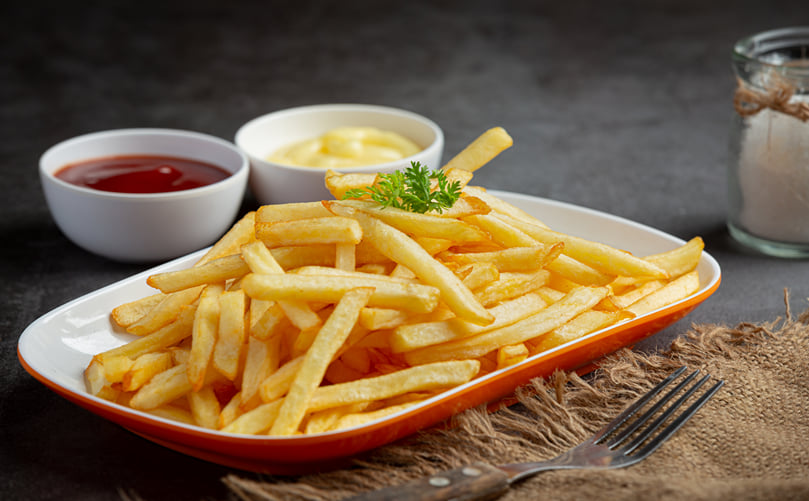
Crispy, Convenient, Low-Fat French Fries
Selection of Potato Varieties and Raw Material Quality for Low Fat French Fries
High quality raw material is the foundation of low fat French fry production. The ideal potatoes should have high dry matter content (around 20–25% or higher with specific gravity in the range of 1.08–1.095), low reducing sugars (<0.25%, ideally between 0.01–0.08%), a uniform elongated shape and large tuber size. These traits ensure consistent cutting performance and reduce the surface-to-volume ratio, which in turn helps minimize oil absorption during processing. High dry matter contributes to improved texture and crispness with reduced oil uptake, while low sugar levels help prevent excessive browning, acrylamide formation and undesirable dark coloration.
Key processing varieties include Russet Burbank, which is considered a benchmark for French fry production due to its high dry matter content (20–22%) and consistently low sugar levels making it widely used in commercial fry processing. Other important varieties such as Ranger Russet, Umatilla Russet and Clearwater Russet offer good storage stability, reduced cold induced sweetening and high dry matter levels (21–24%). Similarly, Innovator, Markies and Fontane are widely used processing cultivars known for high dry matter content (22–25%), strong yields, low sugar accumulation and good frying quality with reduced acrylamide risk.
Proper storage and handling are also critical. Potatoes should be stored above 8°C to avoid cold sweetening, and regular maturity and quality checks are necessary before processing. Additionally, uniform tuber size ensures even cutting, consistent processing behavior and better overall product quality.
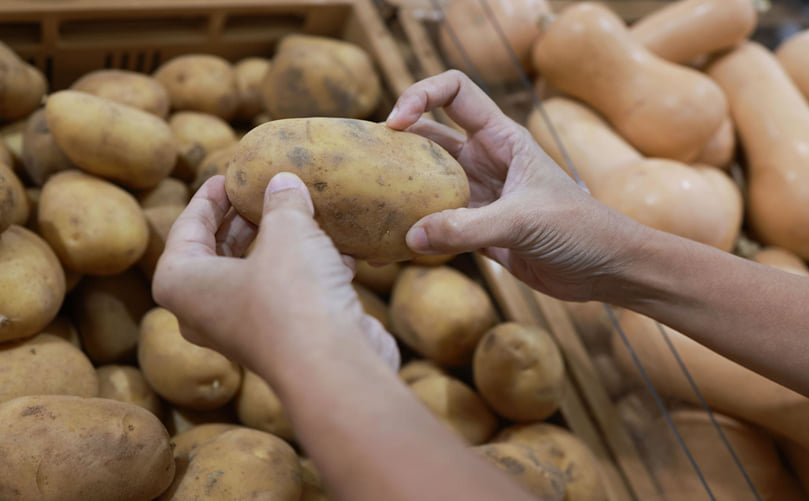
Processing Potato Selection and Quality Standards for Low-Fat French Fries Production
Pre-Treatments and Process Conditions for Reducing Oil Absorption in Low Fat French Fries
Pre-treatments modify surface properties, remove frying precursors or create functional barriers that reduce oil uptake during frying or alternative cooking processes.
Blanching is one of the most widely used steps carried out using hot water or steam and in some cases infrared dry-blanching for 2–4 minutes. It removes surface starch, inactivates enzymes such as polyphenol oxidase and partially gelatinizes starch, which helps form a protective crust. When combined with other techniques, blanching can reduce oil absorption by 30–40%. It is often enhanced with additives such as calcium chloride or salt to improve firmness and structural integrity.
Edible coatings and hydrocolloids are another major strategy. Ingredients such as pectin, carboxymethyl cellulose (CMC), xanthan gum, guar gum, modified starches and certain proteins are applied to form thin barrier layers. Single layer coatings can reduce oil uptake by about 20–25%, while multi-layer systems (for example, CMC combined with pectin) can achieve reductions of 35–57% by improving moisture retention and blocking surface pores. Additional coatings such as shellac or batter systems can further enhance oil reduction, sometimes exceeding 50%.
Other emerging pre-treatments include osmotic dehydration, hot air drying, pulsed electric field (PEF) treatment, ultrasound, freezing and microwave assisted pre-processing. These methods enhance early moisture removal and modify tissue structure leading to reduced oil absorption during the final frying stage. When combined in optimized sequences such as blanching, coating and infrared preheating, overall oil reduction can exceed 50% while maintaining acceptable texture.
Role of Oil Type and Frying Conditions
In par-fried or hybrid low-fat systems, the selection of frying oil plays an important role in final product quality. High oleic oils such as high oleic sunflower oil, canola oil or avocado oil are preferred due to their high smoke point, oxidative stability and favorable fatty acid profile characterized by higher monounsaturated fat and lower saturated and polyunsaturated fats. These oils are more resistant to thermal degradation, produce fewer undesirable compounds and contribute to a cleaner flavor profile.
Frying conditions also strongly influence oil uptake. Lower frying temperatures and shorter processing times help reduce oil absorption. Double frying systems, where an initial low temperature step forms the crust followed by a higher temperature finish can improve texture while controlling oil uptake. In addition, avoiding fryer overload and maintaining stable oil temperature are critical as temperature drops increase oil penetration. Advanced methods such as microwave assisted frying or vacuum frying further reduce effective processing temperatures, lowering oil absorption and improving oil stability.
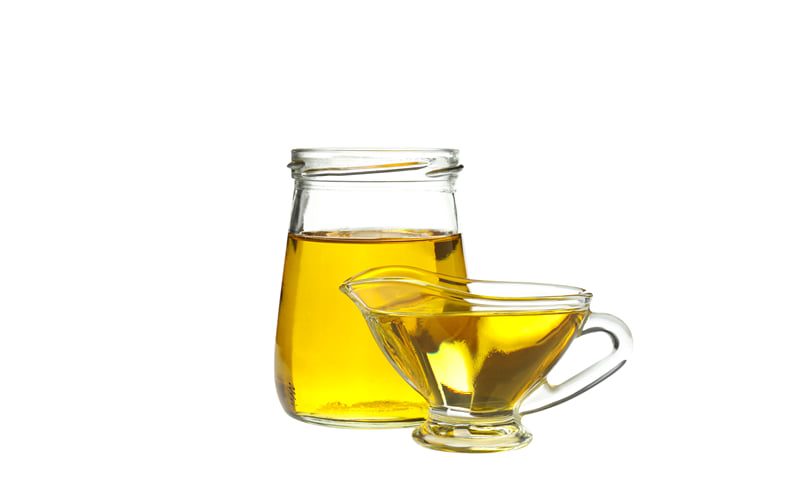
Influence of Frying Oils and Process Conditions on Oil Uptake in Low-Fat French Fries
Traditional vs. Low-Fat French Fries: Key Differences
Conventional Deep Fat Frying
The Classic Method The hallmark of traditional French fries is deep fat frying, where raw potato strips are plunged into scorching oil (175–190°C) for a brief 3–7 minutes. This rapid process triggers starch gelatinization and steam expulsion, forming microscopic voids that eagerly soak up oil up to 10–25% of the fryes weight. Per 100g, this yields 13–17 grams of fat with a medium serving (117g) clocking in at 15–20 grams of fat, 300–400 calories and 1.8 grams of saturated fat. The intense heat also fosters acrylamide buildup (up to 1,300 µg/kg), a compound classified as a probable human carcinogen by the International Agency for Research on Cancer.
Sensory wise, the result is a golden, crispy shell with a fluffy core and an unctuous, savory mouthfeel laced with oil's richness. Yet, the trade-offs are stark: sodium levels soar to 300–500 mg per serving and pre-2018 oils often harbored trans fats, amplifying risks for heart disease and weight gain. Harvard research underscores this, linking one daily serving of French fries to an average 3.75-pound weight gain over four years.
Low-Fat Alternatives
Smarter Processing for Health Low fat French fries pivot to multifaceted approaches air frying, vacuum frying, infrared preheating, hydrocolloid coatings, radio frequency (RF) treatment and microwave assistance to cap oil absorption at 5–10% by weight, paring fat to 5–8 grams (0.5 grams saturated) and calories to 200–300 per medium serving. These extend cooking times to 10–25 minutes at milder temperatures (150–180°C), prioritizing nutrient preservation over speed.
For example, air frying circulates superheated air with just 1–2% oil mist, while vacuum frying operates at 90–120°C under 10–50 kPa pressure to evaporate water at lower temps, slashing acrylamide by up to 98%. Hydrocolloid dips form gel like shields, trimming oil uptake by 20–40% and boosting sensory ratings above 7/9 on crispiness scales.
Though the flavor leans subtler without heavy oil infusion, enhancements like high oleic sunflower oils introduce heart friendly monounsaturated fats that lower LDL cholesterol sans HDL impact. Overall, these fries safeguard potato perks 620 mg potassium for blood pressure regulation, vitamin C for immunity and resistant starch for gut microbiota and glycemic stability while dodging the pitfalls of their fried forebears.
A landmark PMC randomized controlled trial revealed no meaningful weight disparity between daily 300-calorie low fat fries and almonds over 30 days, affirming their satiety without surplus pounds. In essence, traditional fries embody quick gratification at a health premium, whereas low fat variants harness technology for equilibrium: indulgence meets prudence, albeit with extended prep and occasional equipment needs.
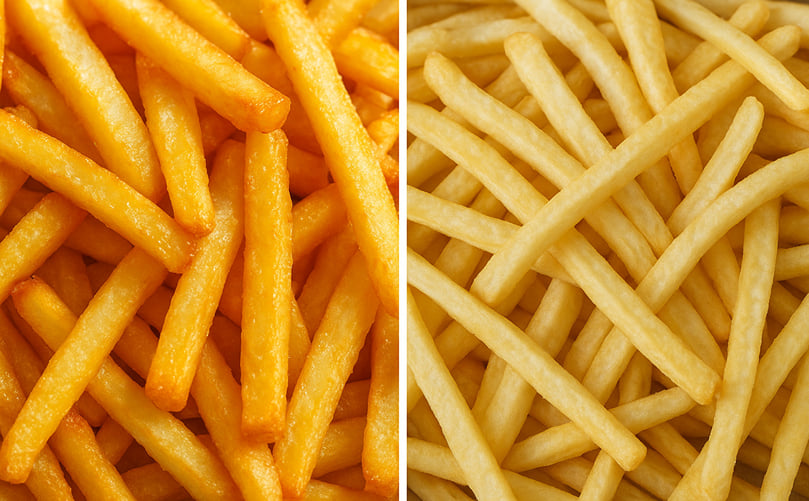
Visual Comparison: Traditional vs. Low-Fat French Fries
Production Methods for Low Fat French Fries
Core Strategies and Techniques
To engineer low-fat fries, processors emphasize pre-treatments (e.g., blanching, drying), non-immersive heat sources and barriers against fat ingress. These yield fries that rival deep fried ones in appeal, often scoring comparably in blind taste tests.
Air Frying: This method circulates hot air at 160–200°C around the potato strips, often with just 1–2% oil sprayed on for minimal lubrication, simulating the Maillard reaction of deep frying through convection and radiation. Pre-steps include blanching in steam for 3–5 minutes followed by partial drying to enhance crust formation. The process takes 15–25 minutes in industrial convection ovens or home appliances, resulting in fries with 7–9% fat content compared to 21% in conventional versions, a reduction of up to 80%.
To optimize, some variations incorporate a light batter of rice starch or cornstarch (1–2% concentration) applied before air circulation, which gels upon heating to seal pores and boost crispiness by 15–20% as measured by texture analyzers. Advantages include rapid setup for consumer use and high nutrient retention (up to 90% of vitamin C and potassium), though industrial applications may require hybrid systems with infrared boosters to shorten times and ensure uniformity. Potential drawbacks involve slightly drier interiors if overcooked, which can be mitigated by monitoring humidity levels (40–50% relative) during the process.
Hydrocolloid Coatings: Potato strips are dipped in aqueous solutions of natural gums like pectin (0.5–1%), carboxymethyl cellulose (CMC at 0.5–2%), xanthan gum (0.2–0.8%) or guar gum (0.5–1%) before frying, forming a thin, edible film that acts as a moisture retaining barrier. Single layer coatings reduce oil uptake by 20–25% by limiting water evaporation and subsequent pore creation, while multi-layer applications (e.g., sequential dips in CMC followed by pectin) can achieve 35–57% reductions as the layers cross-link during heating to create a more robust gel network.
The process involves immersing strips for 1–2 minutes, draining excess and optionally drying briefly before a short fry (3–5 minutes at 160–180°C). This not only cuts fat but also enhances texture, increasing shear force (crispiness) by 10–15% and adding soluble fiber (1–2g per serving) for digestive benefits. For best results, pH adjustments (to 4.5–5.5 with citric acid) improve film adhesion and combinations with proteins like whey (1%) can further minimize off-flavors from over thick coatings. While effective for both deep and shallow frying, care must be taken to avoid gummy textures by limiting concentration and ensuring even application via spraying or tumbling
Infrared (IR) Preheating: Developed as an energy efficient dry blanching alternative, this technique exposes potato strips to infrared radiation (wavelengths 2–6 μm, intensity 100–150 kW/m²) for 2–4 minutes, heating the surface to 80–100°C to evaporate moisture and form a thin, dehydrated crust without oil. Followed by a reduced time fry (5–7 minutes at 140–160°C), it lowers oil absorption by 30–40% (e.g., 10.5g fat per serving versus 16.7g) as the pre-formed barrier resists fat penetration. Industrial setups use catalytic IR emitters on conveyor belts for continuous processing, achieving uniform heating with minimal energy (20–30% less than steam blanching).
Enhancements include combining with microwave pulses for deeper penetration or using far-IR for gentler nutrient preservation, retaining 85–95% of antioxidants like chlorogenic acid. Environmentally, it reduces oil waste by 25–35% and water usage making it scalable for large operations, though initial equipment costs (USD 20,000–50,000 per unit) may limit small-scale adoption. Sensory outcomes match traditional fries with comparable color (L* values >60) and flavor profiles.
Vacuum Frying: Conducted under reduced pressure (10–50 kPa), this lowers the boiling point of water to 40–60°C, allowing frying at 90–120°C for 5–10 minutes, which evaporates moisture without high heat damage. Post-frying de-oiling via centrifugation removes surface oil, yielding 8–12% fat content a 50–70% drop from standard methods. The vacuum preserves color (less Maillard over-browning), nutrients (90–95% vitamin retention) and texture, with fries exhibiting 20–30% higher crunch due to controlled puffing. Advanced variants use pulsed vacuum (alternating pressure cycles) to enhance uniformity and reduce acrylamide by 94–98%.
Equipment includes sealed chambers with condensers to recover vapors, suitable for premium products like fruit infused fries. While excellent for maintaining natural flavors and extending shelf life (lower oxidation), high setup costs (USD 100,000+ for industrial units) restrict it to commercial settings and home versions remain rare.
Radio Frequency (RF) Treatment: RF waves (27–40 MHz, 5–10 kW power) are applied for 8–12 minutes to pre-heat and soften potato tissue, inhibiting enzymatic browning and creating microstructures that resist oil ingress when followed by brief frying (4–6 minutes at 150–170°C). This results in 20–40% less fat uptake with fries showing brighter colors (reduced by 30%) and enhanced tenderness.
The dielectric heating penetrates evenly (up to 10 cm depth), making it ideal for bulk processing and can be tuned (e.g., 10-minute exposure at 60–80°C) to optimize starch gelatinization without excess moisture loss. Combinations with coatings amplify effects, cutting oil by an additional 15%. As an emerging green technology, it uses 40% less energy than conventional ovens and scales well for factories though regulatory approvals for food contact are needed in some regions. Potential issues like uneven fields in large batches are addressed with electrode designs..
Microwave-Assisted Frying: Microwaves (2450 MHz, 500–1000 W) replace or augment traditional blanching by heating strips internally for 2–5 minutes, forming a protective crust that reduces oil absorption by 20–30% during subsequent short frying (3–5 minutes). This creates brighter fries with less enzymatic browning and preserves water soluble nutrients better than hot water methods, cutting overall process time by 25%. Variations include microwave vacuum hybrids for even lower fat (10–15% reduction extra) or pulsed microwaves to avoid hot spots. Water usage drops by 50–70%, and energy efficiency rises but careful power calibration prevents uneven cooking or rubbery textures. It is particularly useful for small-batch production and can incorporate additives like salt (0.5%) in the pre-soak for flavor enhancement.
Emerging Innovations: Oil water mixing systems introduce water into the fryer to create emulsions that discharge oil residues, reducing fat by 15–25% while maintaining flavor. Batters with starches or proteins (e.g., 2–5% wheat flour mixes) form crispy shells that block oil, ideal for crinkle cut styles. Non-oil media like oleogels (structured from plant waxes and vegetable oils) enable near zero fat frying with similar mouthfeel, heating at 150–170°C for 5–8 minutes.
Rice-based pellets extrude into fry shapes, absorbing 25–50% less oil due to compact granules and can be flavored during extrusion. Emerging tech like ultrasound pre-treatment (20–40 kHz for 5 minutes) cavitates surfaces to expel moisture faster, trimming fat by 10–20%, while AI-optimized fryers adjust parameters in real time for consistency. These methods often integrate sustainably, using recycled oils or biodegradable coatings to meet eco-friendly demands.
Nutritional Profile and Health Benefits
Core Nutrients and Reductions
Traditional medium fries (117g): 365 kcal, 17g fat (1.8g saturated), 54g carbs (4g fiber), 4g protein, 620mg potassium yet burdened by 300–500mg sodium and 1,000 µg/kg acrylamide. Low fat counterparts amplify benefits, resistant starch ferments into short chain fatty acids for colon health, chlorogenic acid combats oxidative stress.
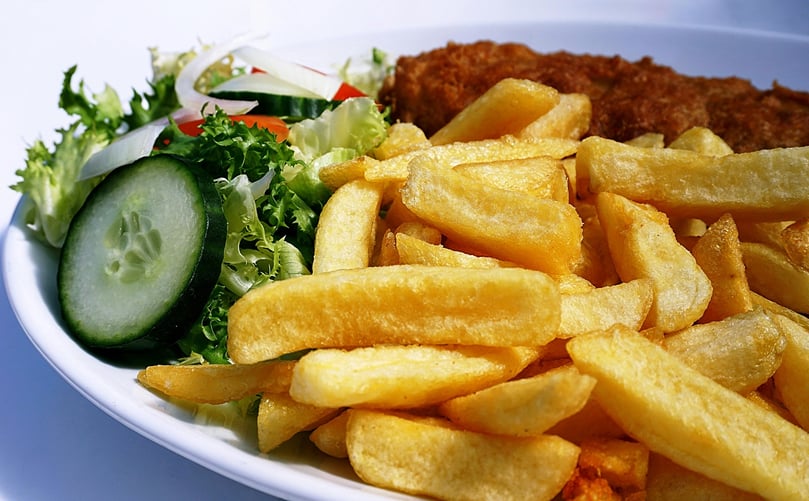
Healthier Bites: Reimagining the Iconic French Fry
- Reduced Calories/Fat: Air-fried: 200–250 kcal, 5–8g fat (0.5g saturated). Harvard studies link <2 servings/week of low-fat fries to no weight gain vs. daily traditional fries.
- Lower Acrylamide/Trans Fats: Vacuum frying cuts acrylamide by 47% post-2018 bans eliminate trans fats. Pre-treatments like soaking or citric acid immersion reduce acrylamide further.
- Enhanced Digestibility: Coatings boost resistant starch (higher than boiled potatoes), aiding satiety and blood sugar control; no increased diabetes risk vs. baked potatoes.
- Heart Health: Using high oleic oils (e.g., sunflower) provides monounsaturated fats, lowering LDL without affecting HDL.
A PMC RCT pitted 300-kcal low fat fries against almonds: negligible weight flux (0.49 kg gain for fries, non-significant), equalizing metabolic markers like insulin sensitivity.
Texture, Taste and Sensory Quality of Low-Fat French Fries
Low-fat French fries face the challenge of replicating the rich mouthfeel, crispness and characteristic fried flavor of traditional deep fried products. Air-fried fries, for example, often tend to be slightly harder, drier and less intensely “fried” in flavor, although they can still achieve a similar golden color. Sensory evaluation of these products typically includes parameters such as crispness (measured through acoustic signals and force deformation), hardness, perceived oiliness, color attributes (using Lab* values) and overall consumer acceptance. With optimized formulations, particularly using coatings and seasoning systems, many low-fat fries can achieve sensory scores close to conventional products.
In comparison, deep fat fried fries generally exhibit superior crispness at equivalent moisture levels due to more rapid surface dehydration and oil-based heat transfer. However, hybrid processing approaches help bridge this gap by balancing texture, moisture retention and surface crisping. Flavor enhancement strategies including the use of herbs, spices and controlled Maillard reaction development are commonly applied to improve taste complexity while maintaining a golden exterior and fluffy interior.
Food Safety and Acrylamide Reduction in Low-Fat French Fries
Acrylamide formation is a major food safety concern in fried potato products. It is produced through the Maillard reaction between asparagine and reducing sugars at temperatures typically above 120°C. Potatoes and fried products are among the most significant dietary sources of acrylamide, making its mitigation an important processing objective.
Low fat frying systems help reduce acrylamide formation through several strategies. The use of low sugar potato varieties and proper storage conditions minimizes precursor availability. Blanching and soaking processes further reduce acrylamide precursors, achieving reductions of approximately 19–59%. Lower frying temperatures, shorter processing times and vacuum frying techniques can significantly reduce acrylamide formation, in some cases by up to 90–98%. Additionally, controlling browning to achieve a light golden color rather than dark over browning is an important practical indicator of reduced acrylamide levels.
Other mitigation approaches include the use of additives such as citric acid, acetic acid, asparaginase enzymes and certain salts, all of which help reduce precursor reactivity or reaction intensity. Regulatory frameworks generally follow the ALARA principle (As Low as Reasonably Achievable), requiring continuous monitoring and optimization. In general, air fried and vacuum fried systems tend to produce lower acrylamide levels compared to conventional deep-fat frying making them important technologies in modern low-fat fry production.
Challenges and Future Directions in Low-Fat French Fries
Key Hurdles in Adoption and Production
Despite promising innovations, low fat French fries face multifaceted barriers that hinder widespread adoption, spanning technical, economic and behavioral domains. Production challenges include extended processing times air frying requires 21 minutes versus 9 for deep frying leading to lower throughput and higher energy costs (20–40% more in industrial scales), while techniques like vacuum frying demand expensive equipment (USD 50,000–USD 100,000+ per unit), limiting scalability for small producers.
Texture inconsistencies, such as soggier exteriors without sufficient coatings, arise from reduced oil's role in Maillard browning, resulting in milder flavors and lower sensory scores (e.g., 1.5/9 delta in blind panels), compounded by fluctuating potato prices (up 10–15% in 2025 due to supply chain volatility). Consumer acceptance lags with health perceptions clashing against indulgence cravings studies show only 36.5% willingness to buy despite 20–30% lower calories, as high fat allure persists amid obesity/diabetes risks from fried foods.
Premium pricing (20–30% higher) deters budget shoppers and portion size reductions (e.g., 20% smaller servings) increase plate waste by 15–25% in campus trials, exacerbating foodservice inefficiencies. Regulatory hurdles, like acrylamide limits (EU benchmark 750 µg/kg), add compliance costs, while COVID-era supply disruptions highlighted vulnerabilities in frozen logistics
Emerging Trends and Pathways Forward
Looking ahead, the low-fat fries sector is poised for transformation through sustainable, tech driven solutions, aligning with global wellness shifts and projected market expansion to USD 40.34 billion by 2032 at 5.33% CAGR. Oleogels structured oils from plant waxes (e.g., sunflower wax at 5%) or monoacylglycerols emerge as game changers, reducing fat uptake by 33–50% in frying while mimicking solid fat textures, rapeseed-based oleogels, for instance, yield fries with 37% less oil and enhanced crispiness (30-minute hold), slashing trans fats and enabling zero calorie mimics via ethylcellulose networks.
AI optimization, via machine learning heat maps, promises uniform results (±2°C variance), cutting energy 20–30% and acrylamide 50% through real-time parameter tweaks in fryers. Gene editing (CRISPR-Cas9/TALENs) accelerates low-sugar potatoes (e.g., Calyxt's non-browning varieties, USDA non-regulated since 2016), reducing acrylamide precursors by 50% and enabling high oleic oils with olive-like profiles (80% MUFAs, no trans fats), slashing development timelines from decades to years while bypassing GMO scrutiny.
Sustainability integrations, like Lamb Weston's 90% water/heat reuse factories, address eco-concerns, while plant-based hybrids (e.g., rice-pellet fries) and flavored low-fat lines (curly/waffle cuts) target vegan/Gen Z segments, boosting acceptance 25% via experiential marketing. By 2030, expect 40% market penetration for these innovations, transforming fries from indulgence to staple in balanced diets.