


November 03, 2025
RNA-Based Bioinsecticide ‘Calantha’ Offers Sustainable Solution Against Colorado Potato Beetles
Calantha, a new RNA-based sprayable pesticide, effectively kills Colorado potato beetles while sparing beneficial insects. Most effective on small larvae, it offers a sustainable, targeted solution to combat resistant crop pests.

October 28, 2025
Scientists Decode Sweetpotato Genome, Unlocking Drought Tolerance, Nutrition, and Crop Resilience
Scientists have decoded the sweetpotato’s complex hexaploid genome, revealing its mixed ancestry and resilience traits. This breakthrough offers powerful tools for breeders to boost yield, nutrition, and climate resistance, securing food futures.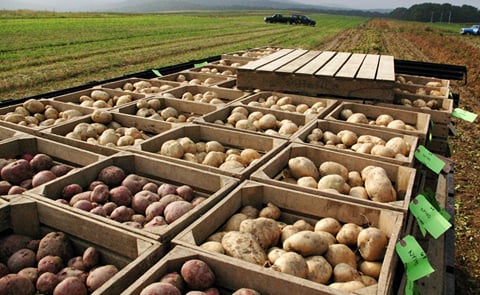
September 28, 2025
Cornell Celebrates 160 Years of Potato Breeding Research Driving Innovation and U.S. Potato Industry Growth
Cornell marks 160 years of potato breeding, creating 50+ varieties—including top U.S. chip potatoes and nematode-resistant strains. Farmer partnerships and USDA support drive innovation, boosting sustainability and the USD 100B U.S. potato industry.
June 30, 2025
World Potato Congress welcomes incoming Director Julio Kalazich and International Advisors Krista Shaw, Berta Redondo, Dinah Borus
The WPC congratulates Julio Kalazich, as he makes the transition from WPC International Advisor to WPC Director. New International Advisors are welcomed to the World Potato Congress Inc.

February 16, 2025
National Chip Program Participants See Unique Value in Industry Collaboration
The success of the potato industry is built on growers’ ability to introduce new potato varieties that meet market demands. For example, when snack-size bags of potato chips were popularized, the industry responded by breeding smaller potatoes for smaller chips to fit into the bags.
February 25, 2024
Potatoes USA - Supported research into Neonic alternatives receives USDA funding
The U.S. Department of Agriculture (USDA)’s Specialty Crop Research Initiative (SCRI) recently announced funding for a four-year, Potatoes USA-supported research project to develop and evaluate potential alternatives to neonicotinoids for pest management of potato crops. Sponsored Content
Sponsored Content
Sponsored Content

November 08, 2019
Phytophthora infestans, causing late blight in potatoes, has a virus accomplice
A research team has identified a virus infecting Phytophthora infestans, the pathogen causing late blight in potatoes and tomatoes, that appears to increase the pathogen's ability to cause the disease.
June 19, 2019
Scientists discover key plant virus-insect virus interaction
Aphids and the plant viruses they transmit cause billions of dollars in crop damage around the world every year.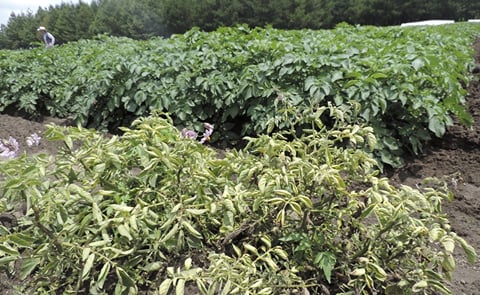
June 11, 2019
Cornell University improves global access to potato breeding material
Plant breeders and geneticists of Cornell University have released more than 50 potato varieties since 1908. Now they are expanding their efforts to make more wild potato seeds available to potato breeders around the world.