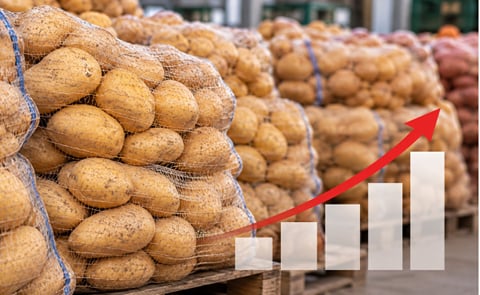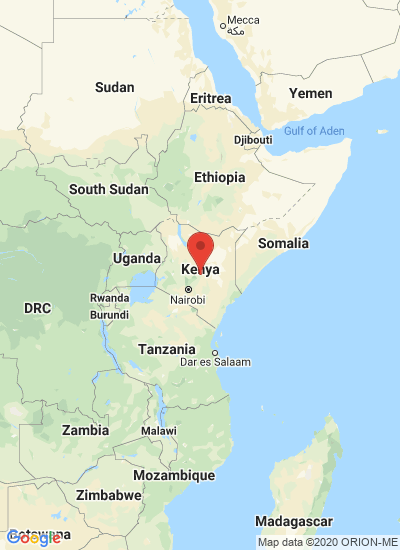

Kenya is betting on new varieties of potatoes to boost production and meet surging demand for fast foods by an expanding middle class.
Under a bilateral deal with lead potato seed producer the Netherlands, the government has cleared four new potato seed varieties for use by local farmers.
Forty other varieties are still undergoing trials by the Kenya Plant Inspectorate Service (Kephis), officials said during an international workshop on seed potato supply systems that kicked off in Nairobi last week.
The deal with the Netherlands allows private seed companies to import certified potato seeds for sale in the local market.
“This agreement is based on the premise that the Netherlands is the world leader in potato seed production and has elite varieties that could easily adapt to Kenyan conditions,” said Agriculture Principal Secretary Sicily Kariuki.
The two-week workshop on seed potato supply systems in sub-Saharan Africa has delegates from Ethiopia, Nigeria, Sudan, Uganda, Tanzania and Zimbabwe.
In Kenya, the potato is the second most important food crop, after maize, with the country being ranked as sub-Saharan Africa’s fifth biggest producer of the tuber.
The country produced 5.6 million tonnes of potatoes last year, a 90 per cent increase over the 2.4 million tonnes harvested in 2011.
Four new Dutch potato varieties cleared by Kenyan government
¿Te gustaría recibir noticias como esta por correo electrónico? ¡Únete y suscríbete!
Get the latest potato industry news straight to your WhatsApp. Join the PotatoPro WhatsApp Community!
Noticias relacionadas

Septiembre 28, 2026
México: menor oferta de papa podría impulsar los precios durante el invierno
En México, el cierre de cosechas, los menores rendimientos y la reducción de la superficie sembrada podrían restringir la oferta de papa y generar presión al alza sobre los precios entre diciembre de 2026 y febrero de 2027.

Septiembre 28, 2026
España: la sequía reduce la cosecha de patatas en 2026
La producción española de patata caerá entre un 8% y un 10% en 2026, hasta unos 1,8 millones de toneladas, con descensos de hasta 35% en Andalucía debido principalmente a la sequía y los menores rendimientos.

Septiembre 23, 2026
Chile: buscan mejorar el diagnóstico molecular de la sarna polvorienta y la sarna común en papa
En Chile, el proyecto SCAB-ID 2.0 busca validar un sistema de qPCR multiplex capaz de detectar y diferenciar simultáneamente la sarna polvorienta y la sarna común de la papa, con miras a transferirlo a laboratorios de diagnóstico agrícola.