


Diciembre 18, 2016
Potato company Bruwier: “Price for processing varieties will not fluctuate much till spring”
Jan van Luchene of Bruwier Potatoes, a Belgian company specialized in acquiring and delivering the potatoes you need offers his view of the current potato market in Belgium and Europe.From the archive

Diciembre 18, 2016
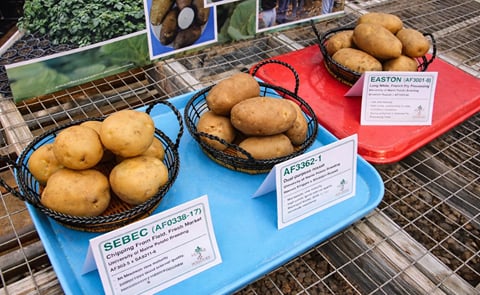
Maine: Potato Variety Caribou Russet has had a slow start
It’s been more than a year since a new potato variety known as the Caribou Russet was unveiled. But so far, it’s been rather hard to find — getting a new potato onto store shelves isn’t as simple as it may seem.From the archive


Diciembre 18, 2016
United Potato Growers of Canada: New Alberta processing plant good news for whole industry
The plans for a new multi-million dollar Cavendish Farms potato processing plant in Lethbridge, Alberta, should not concern the Prince Edward Island potato industry, says the general manager of the United Potato Growers of Canada.From the archive


Diciembre 14, 2016
tna appoints distribution specialist Piet Ising to boost fresh and frozen expertise
tna has announced the appointment of Piet Ising as new group product manager – conveying - general foodsFrom the archive


Diciembre 14, 2016
Lindsey Dodgen joins Potatoes USA as Assistant Marketing Manager
Lindsey Dodgen is Potatoes USA’s newest team member, joining the team as the Assistant Marketing Manager supporting the Retail, Market Access, Seed, Reputation Management, and Industry Outreach Programs.From the archive

Diciembre 14, 2016
New rules and practices of the inter-European trade in potatoes; RUCIP secretariat to Brussels
On the January 1, 2017 the RUCIP European Committee secretariat will be effectively transferred from Paris to Brussels. From the same date a new set of Rules and Practices of the Inter-European Trade in Potatoes (RUCIP) will also start to apply.From the archive
Contenido Patrocinado
Contenido Patrocinado
Contenido Patrocinado

Diciembre 14, 2016
Monsanto Shareowners Approve Merger with Bayer
Monsanto Company (NYSE: MON) announced that at a special meeting of shareowners held on December 13, shareowners of the company approved the merger of Monsanto with a wholly owned subsidiary of Bayer Aktiengesellschaft.From the archive
Diciembre 13, 2016
Argentina: Desarrollan herramienta para ayudar a controlar plagas y enfermedades en papa
Un equipo de investigadores del INTA diseñó un sistema de gestión para el manejo de la sanidad del cultivo basado en el uso de información y conocimiento.From the archive


Diciembre 12, 2016
Cavendish Farms Announces the Construction of a New Potato Processing Plant in Lethbridge, Alberta
Cavendish Farms is pleased to announce the expansion of its business in Lethbridge, Alberta, with the construction of a new frozen potato processing plant, replacing the existing plant.From the archive

Diciembre 12, 2016
J.R. Simplot turns to court to seek control of troubled affiliates
Agribusiness giant J. R. Simplot is seeking receivership over two of its vegetable suppliers, claiming mismanagement of the $400-million-grossing companies threatens 2,000 jobs and could end in bankruptcy without court intervention.From the archive

Diciembre 12, 2016
PepsiCo Wants to Sell Healthy Food, Consumers Want Chips
Pepsico is a company pulled in two different directions. Chief executive Indra Nooyi has vowed to turn the maker of Fritos, Cheetos, Lay’s and Pepsi into a health juggernaut. But while consumers say they want to eat healthy, often what they really want is chips.From the archive

Diciembre 12, 2016
Indonesia fights against illegal potato imports
In response to protests of potato farmers, the Indonesian government pledged on Thursday to immediately stop illegal potato imports that have put local farmers at risk.From the archive

Contenido Patrocinado
Diciembre 12, 2016
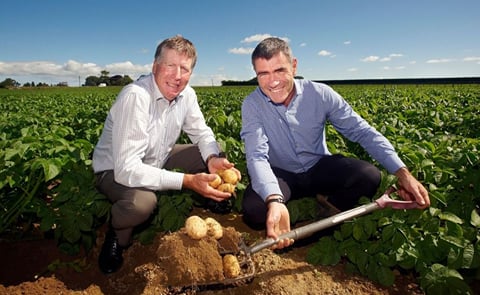
Potatoes New Zealand joins government biosecurity initiative
Potatoes New Zealand became the 14th partner organisation to join the Government Industry Agreement for Biosecurity Readiness and Response.From the archive


Diciembre 12, 2016
TOMRA and Farm Frites donate €2,000 to UNICEF in Golden Fry Contest at Interpom | Primeurs
Farm Frites, a Dutch family business specializing in fries and potato products, has been presented with a charity voucher worth €2,000 after winning The Golden Fry competition, held by TOMRA Sorting Food, a leading provider of sensor-based food sorting machines.From the archive

Diciembre 12, 2016
Dewulf-Miedema appoints new full-service dealer in Alberta, Canada: Banga’s Equipment
Dewulf - Miedema has appointed Banga’s Equipment from Taber, Alberta, as new fullservice dealer to ensure optimum service and support for its customers in Alberta and Western Canada.From the archive

Diciembre 10, 2016
AUSVEG appoints James Whiteside as its new CEO
Leading Australian vegetable industry body AUSVEG has announced the appointment of James Whiteside as its new Chief Executive Officer (CEO), effective Friday 9 December 2016.From the archive

Diciembre 09, 2016
Bolivia: Para evitar especulación de papa el Gobierno organiza una feria
En la feria participarán productores de los municipios de Combaya, Chuma, Quime, Carabuco, Cairoma, Ayo Ayo, Sapaqui, Tacacoma, Palca, Mecapaca, Sorata, Inquisivi, Ichoca y Luribay, entre otros.From the archive


Diciembre 08, 2016
Fabricante de snacks italiano amplía su gama con las soluciones integrales de tna
Italian snack manufacturer Preziosi Food (Mitica) integrated new frying, seasoning and packaging systems from leading processing and packaging solutions provider, tna, to launch a new line of batch-fried potato chips.From the archive

Frequently Asked Questions
Does PotatoPro accept submitted content?
Yes we do. The content must be of high quality and be of interest for the potato industry (farmers, suppliers, processors) or the savoury snack industry.