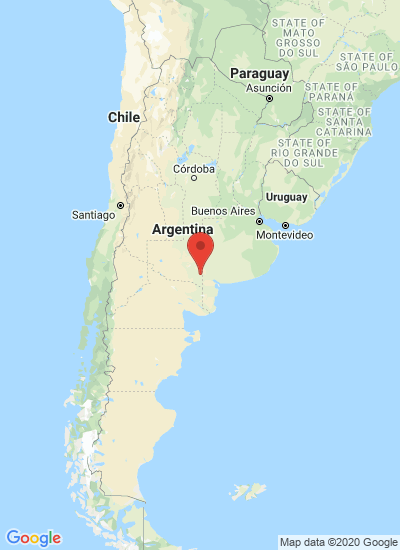
Potato planted area in Argentina fell by 12% as the sector adjusts after oversupply and falling prices.
Argentina: planted area decreases by 12 percent in a self-regulation effort

Potato cultivation in Argentina has undergone a period of adjustment following a difficult 2025, marked by economic losses, oversupply, and a sharp drop in prices. In this context, the southeastern region of Buenos Aires province has begun reducing planted area, an adjustment that, according to industry stakeholders, was not only expected but also necessary to stabilize the sector.
According to a satellite survey by INTA Castelar presented during the National Potato Festival in Nicanor Otamendi, the 2025/2026 season has shown a 12% decrease in cultivated area compared to the previous cycle, dropping from 38,173 hectares to 33,722.
Area reduction by district
Analyzing the data by district, Balcarce, the region’s main production area, recorded a significant 16% reduction, falling from 8,728 to 7,389 hectares. Notable decreases were also reported in General Alvarado (-17%), General Pueyrredón (-19%), Tandil (-14%), and Benito Juárez (-13%). Meanwhile, Lobería showed a more moderate decline of 5%.
The only exception was Necochea, where planted area increased by 32%, reflecting an internal redistribution within the region. Azul, on the other hand, showed virtually no change compared to the previous season.
Seed potato production
Regarding seed potato production in southeastern Buenos Aires, the report recorded a total of 3,329.6 hectares, mainly distributed across the districts of Adolfo Gonzales Chaves, San Cayetano, and Tres Arroyos. This figure is key for planning future production cycles.
Sector adjustment and outlook
With reduced planted area and a challenging global environment, 2026 is shaping up to be a crucial year for the potato sector. This situation creates an opportunity to correct structural imbalances and move toward a more efficient production model.
The overall message is clear: prioritize lower production volumes with higher levels of quality and sustainability.
Like to receive news like this by email? Join and Subscribe!
Get the latest potato industry news straight to your WhatsApp. Join the PotatoPro WhatsApp Community!
Related News

October 10, 2026
EarthFresh Butter Potatoes Reach More Than 4 Million Households as Retail Demand Surges
EarthFresh Butter Potatoes are gaining momentum across North America, reaching over 4 million households. With acreage up 40% and 100% incremental sales, the premium lineup offers retailers new opportunities to grow the potato category.

October 08, 2026
ICAR-CPRI Potato Varieties Cover Nearly 75% of India’s Potato Area
ICAR-CPRI's Kufri Jyoti, Kufri Bahar, Kufri Pukhraj and Kufri Chipsona-1 together cover nearly 75% of India's potato cultivation area. The varieties have boosted productivity, farmer incomes and the potato processing sector.

October 06, 2026
Dutch Potato Organisation Celebrated Potato Tuesday at Utrecht Central Station on October 6
The Dutch Potato Organisation celebrated Potato Tuesday on October 6 at Utrecht Central Station during the Week of Our Food. Visitors can enjoy free recipe booklets and discover the people behind the Dutch potato industry.