
Smart agriculture in China’s Gansu province boosts year-round potato and seed production through biotechnology and automation.
China: investment in technology makes it possible to produce in the middle of winter
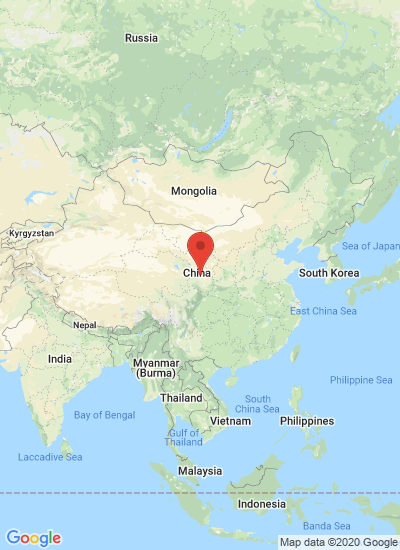
In Dingxi, Gansu Province (northwest China), smart agriculture based on biotechnology and automation is enabling the year-round production of high-quality potatoes, vegetables, flowers, and seeds, increasing productivity, exports, and rural incomes despite extreme climate conditions.
Thanks to technological innovation, agricultural facilities in Gansu have developed rapidly, allowing the vegetable industry to supply fresh products consistently throughout the year.
Located in the heart of the Loess Plateau, Dingxi enjoys a cool climate ideal for agriculture. In recent years, the city has promoted agricultural development through technological innovation, adopting smart agriculture and moving beyond traditional, climate-dependent practices.
Smart agricultural infrastructure
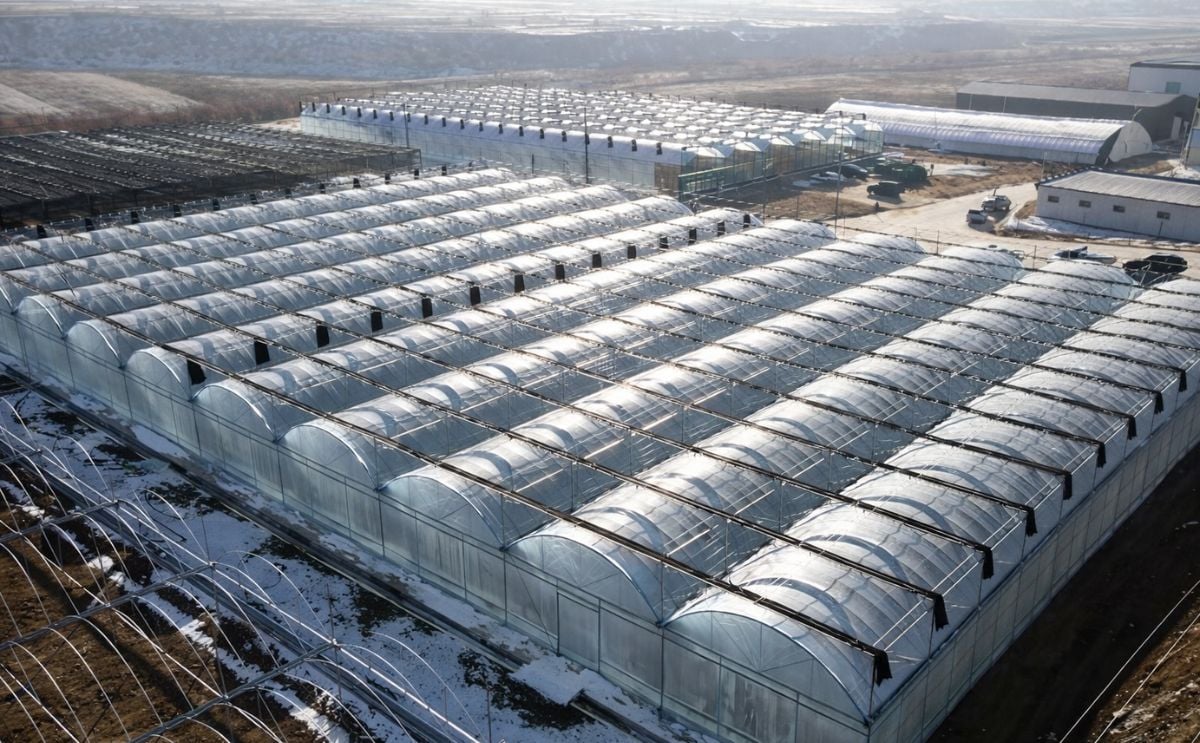
The city currently has 14 intensive smart seedling bases, as well as 1,265 standardized greenhouses and steel-structure sheds equipped with Internet of Things (IoT) devices. Integrated water and fertilizer systems, together with 5G environmental control technology, are fully operational, providing precise, real-time monitoring of temperature, light, water, and nutrients to optimize crop growth.
The 2025 Central Rural Work Conference called for research and breakthroughs in key agricultural technologies, as well as the efficient application of scientific and technological achievements, developing new high-quality productive forces in agriculture adapted to local conditions. This vision has become a core element of Gansu’s strategy to foster new agricultural production capacity.
Potato seed production
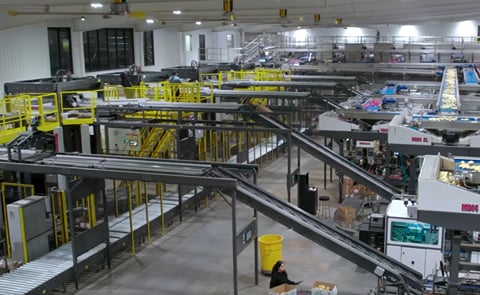
At the Dingxi Potato Research Institute, smart greenhouses automate the entire potato seed production process, including fertilization, irrigation, and real-time growth monitoring with a single click. This technological advance has turned the institute into a standardized base for potato seed production and export in China.
Li Jinfu, director of the Dingxi Potato Research Institute, stated that the institute produces 60 million virus-free potato plantlets in test tubes annually, along with nearly 120 million seed potatoes. These are sold across China and exported to countries such as Egypt and Saudi Arabia, supporting the development of a profitable, specialized agricultural sector.
Impact on farmers
The development of new agricultural productivity is improving livelihoods. Li Ru, a 56-year-old farmer from Chenjiawa village in Anding District, has devoted his life to potato farming.
He has witnessed a remarkable transformation in farming practices. Agricultural machinery now completes in one hour what once took a full day; plastic mulching film helps conserve moisture and improve quality; and drought-resistant crop varieties maintain stable yields while increasing farmers’ incomes. The hardships of subsistence farming have given way to the ease and abundance of technology-driven prosperity.
Digital and smart agriculture
New productivity driven by technological innovation is redefining the development of modern agriculture in Gansu. Where traditional agriculture once relied on experience, manual labor, and animal power, it has now been replaced by a digital and intelligent model.
Gansu Province State Farm Group Co., Ltd., the largest modern agricultural enterprise in the province, has been promoting new technologies and equipment while developing smart agriculture demonstration zones.
High technology in the field
During spring planting and autumn harvest, high-tech production is common on the company’s farms. Driverless tractors equipped with the BeiDou satellite navigation system draw precise lines in the fields, and fleets of drones fly over vast areas, spraying atomized fertilizer evenly over crops. With the support of these high-tech devices, agricultural efficiency is now more than five times higher than with traditional methods.
Floral production and diversification
In Linxia Hui Autonomous Prefecture, Gansu, a 200,000-square-meter “superfactory” of roses demonstrates the power of technology. The agricultural park, which began operations in 2022, integrates advanced technologies such as digital control, soilless cultivation, and post-harvest precooling for freshly cut flowers, ensuring year-round blooming. Annual production of fresh-cut roses exceeds 72 million stems.
Zhang Yongyou, general manager of Linxia Yinong Agricultural and Animal Husbandry Investment Co., Ltd., said the company has successfully brought its fresh-cut roses to domestic and international markets.
By 2025, exports are expected to reach 5.69 million stems to Kazakhstan, Russia, and other countries, generating sales of more than 8.37 million yuan. The company also provides 500 stable jobs, with an average annual income of 45,000 yuan (about USD 6,427) per employee, driving local rural revitalization.
Innovation in the Hexi Corridor
In the vast Hexi Corridor, a key artery of the ancient Silk Road, winter fallow fields are gaining new value through the cultivation of innovative agricultural products.
Sun Wancang, a professor at Gansu Agricultural University, has developed an extremely cold-resistant winter rapeseed variety capable of withstanding temperatures as low as -32 °C. This variety is gradually expanding northward, allowing rapeseed, which previously could not survive the winter, to take root in the Hexi Corridor.
At experimental bases in cities such as Wuwei and Jiuquan, winter rapeseed is boosting grain and oil production while reducing sources of dust storms, generating both economic and ecological benefits.
Policy and financial support
The rapid development of new agricultural productivity is also supported by policies and project financing. During China’s 14th Five-Year Plan, Gansu increased investment in agricultural science and technology, implementing advances in the seed industry and technology support projects.
A total of 129 key technologies have been developed to improve grain yield per unit area, and a special fund has been created for R&D of agricultural machinery and equipment. With four years of central and provincial financial support totaling 250 million yuan, these initiatives are strongly driving agricultural technological progress.
According to Sun, the shift from traditional to smart agriculture is significantly enhancing agricultural development through the cultivation of new productive forces.
Like to receive news like this by email? Join and Subscribe!
Get the latest potato industry news straight to your WhatsApp. Join the PotatoPro WhatsApp Community!
Related News

October 06, 2026
Dutch Potato Organisation Celebrated Potato Tuesday at Utrecht Central Station on October 6
The Dutch Potato Organisation celebrated Potato Tuesday on October 6 at Utrecht Central Station during the Week of Our Food. Visitors can enjoy free recipe booklets and discover the people behind the Dutch potato industry.

October 05, 2026
Punjab Agricultural University Introduces Four Potato Varieties for Higher Yield and Disease Resistance
PAU Ludhiana has released four potato varieties—PP-101, PP-102, PP-103 and PP-104. Yields range from 142–184 quintals/acre, with PP-103 offering early harvest and PP-104 moderate late-blight resistance. Seed is now available.

October 05, 2026
Idaho Potato Harvest Shows Solid Quality but Lower Yields in 2026
Idaho’s 2026 potato harvest is showing solid quality but lower yields, with frost, heat, warm nights and wildfire smoke affecting production. Planted area fell to 298,915 acres as growers report smaller crops.