Potato growers in Minnesota and North Dakota face delays in securing H-2A workers, raising concerns over planting timelines, labor shortages and potential yield impacts.
H-2A visa delays threaten 2026 potato planting in Red River Valley, United States

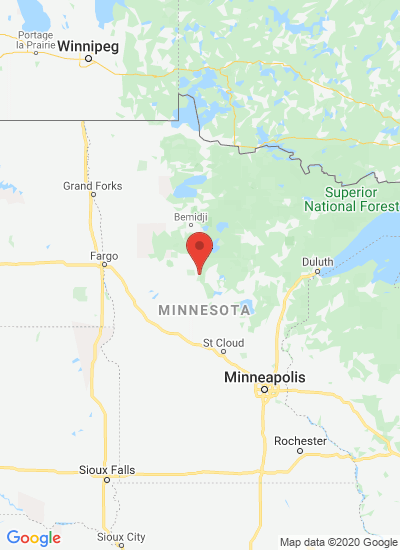
Potato producers in the Red River Valley of Minnesota and North Dakota are facing delays in securing seasonal workers through the H-2A visa program, raising concerns about potential impacts on the 2026 crop year.
The H-2A program allows United States agricultural employers to hire temporary foreign workers when domestic labor is unavailable. Demand for the program has increased significantly in recent years, with certifications reaching record levels. South African workers are particularly valued in potato production for their farming skills, English proficiency and familiarity with United States machinery, as well as their availability during the Northern Hemisphere growing season.
Their participation in the program has grown since 2011, although they still represent a small share of the overall H-2A workforce, which is largely made up of workers from Mexico.
Visa delays threaten planting schedule
The delays are linked to bottlenecks at United States consulates in South Africa, including limited interview appointment availability, documentation requirements and stricter screening procedures. Recruitment agencies have indicated that visa interview appointments may not be available until July, which is considered too late for key spring planting and early fieldwork in the region’s short growing season. Growers have warned that delays in worker arrivals could reduce yields and increase production costs.
Industry response and policy engagement
The Northland Potato Growers Association (NPGA) has raised concerns directly with government officials. Executive Director Gary Shields, along with growers Kelly Grotte and Collin Grotte, participated in a conference call with White House Liaison Jason Becker to highlight the risks associated with the delays.
Gary Shields, Executive Director of Northland Potato Growers Association:
"The risks posed by these delays are significant for the upcoming production season."
The NPGA continues to coordinate with national organizations, including the National Potato Council, to address the issue and seek solutions.
System-wide challenges and outlook
The situation reflects broader challenges within the H-2A system in 2026, including administrative delays, mandatory in-person interviews and consular backlogs affecting multiple countries. These disruptions have already resulted in additional costs for employers, including unused housing and food expenses, while also affecting operations for time-sensitive crops.
Recent reports indicate that the United States Department of State is working to expand visa appointment availability in South Africa, with early signs of improvement.
Impact on United States potato production
The United States produces hundreds of millions of hundredweight of potatoes annually, with the Red River Valley playing a key role in fresh, processing and seed potato markets. Labor shortages already constrain production, and timely worker arrival remains critical for planting, hilling and harvesting operations.
Industry organizations are calling for reforms to improve visa processing efficiency, stabilize program requirements and better align worker arrivals with agricultural timelines. Growers seeking additional information can contact NPGA Executive Director Gary Shields.
Like to receive news like this by email? Join and Subscribe!
Get the latest potato industry news straight to your WhatsApp. Join the PotatoPro WhatsApp Community!
Highlighted Company

Related News

October 08, 2026
ICAR-CPRI Potato Varieties Cover Nearly 75% of India’s Potato Area
ICAR-CPRI's Kufri Jyoti, Kufri Bahar, Kufri Pukhraj and Kufri Chipsona-1 together cover nearly 75% of India's potato cultivation area. The varieties have boosted productivity, farmer incomes and the potato processing sector.

October 06, 2026
Dutch Potato Organisation Celebrated Potato Tuesday at Utrecht Central Station on October 6
The Dutch Potato Organisation celebrated Potato Tuesday on October 6 at Utrecht Central Station during the Week of Our Food. Visitors can enjoy free recipe booklets and discover the people behind the Dutch potato industry.

October 05, 2026
Punjab Agricultural University Introduces Four Potato Varieties for Higher Yield and Disease Resistance
PAU Ludhiana has released four potato varieties—PP-101, PP-102, PP-103 and PP-104. Yields range from 142–184 quintals/acre, with PP-103 offering early harvest and PP-104 moderate late-blight resistance. Seed is now available.