Idaho should consider a more stringent cap on the percentage of seed potatoes infected with potato virus Y that may be replanted for more seeds, an industry expert advised.
The current cap is 2 percent. PVY is an aphid-spread disease that reduces both crop yields and size profile.
"Two percent is way too much,"University of Idaho extension seed potato specialist Phillip Nolte said. "I think these are some rules we're going to have to take a hard look at as we get a handle on this virus."
Nolte has found most growers are reluctant to recertify seeds with even 0.5 percent PVY.
He noted Idaho's PVY problem has declined since the state implemented a mandatory winter testing program that's provided growers better information.
Nolte also cautions against buying seeds from states that don't require winter laboratory testing as infections can occur in the fall, after crops have passed field inspections.
Nolte: Idaho should consider lower PVY limit in seed potatoes

Like to receive news like this by email? Join and Subscribe!
Get the latest potato industry news straight to your WhatsApp. Join the PotatoPro WhatsApp Community!
Highlighted Company

Related News
October 25, 2026
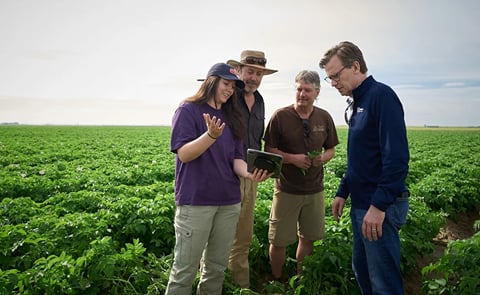
PepsiCo Uses AI and Regenerative Agriculture to Strengthen Farming Resilience
PepsiCo is combining AI, regenerative agriculture and ag-tech partnerships to help farmers improve soil health, use resources efficiently and strengthen farm resilience, including at a fourth-generation potato farm in Alberta, Canada.
October 25, 2026
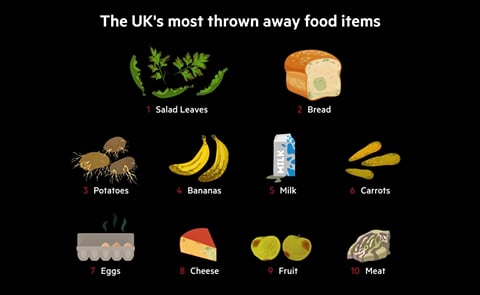
UK Food Waste: 5 Common Mistakes That Help Households Reduce Waste and Save Food
Brits waste 156 meals yearly as AEG research reveals confusion over food dates, reheating and storage. Experts share tips to reduce waste and keep food fresh. Potatoes rank 3rd on the list of most thrown out foods.
October 25, 2026
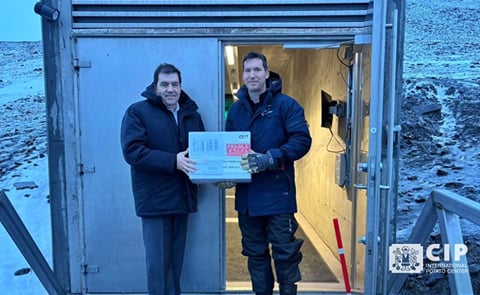
CIP Deposits 1,027 Additional Seed Accessions at Svalbard Vault to Safeguard Peru’s Potato Diversity
Peru’s CIP has deposited another 1,027 seed accessions at Norway’s Svalbard Global Seed Vault, backing up 91% of its collection. Witnessed by Peru’s Ambassador, the deposit safeguards crop diversity and future food security.