

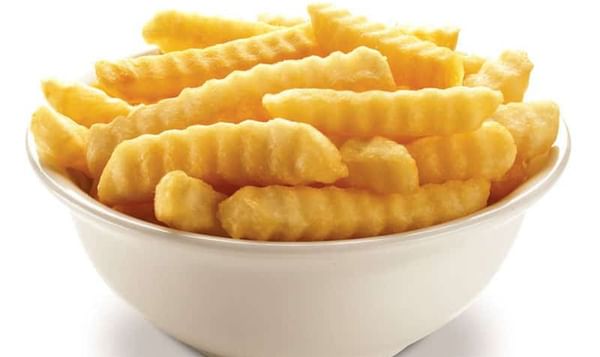
Himalaya Food International Ltd. (previously Himalya International Ltd.) is an Indian food processing firm that specializes in potato and frozen food products. The firm creates a variety of potato-based items, including as French fries, processed potato products, and ready-to-cook appetizers, for both domestic and foreign markets.
In the potato business, the company has an annual production capacity of about 25,000 tons of French fries and 9,000 tons of other potato products to meet demand from foodservice, retail, and international markets. Washing, chopping, frying, and freezing are all processing activities that use quick cooling and preservation techniques to retain product quality and shelf life.
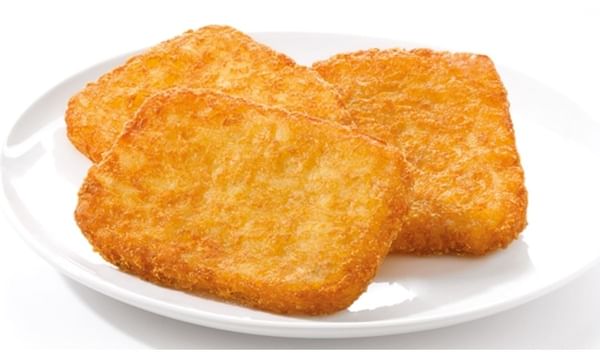
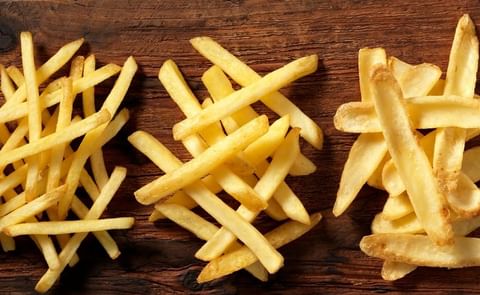
Potato Products Offered:French Fries,Hash Browns,Burger Patty (potato-based),Aloo Tikki / Potato Patty,Vegetable Samosa (potato filling) etc.
Beyond potato products, Himalaya Food International manufactures mushrooms, canned goods, specialty cheese, and butter, with an annual production of around 10,000 tons of mushrooms, 5,000 tons of dairy products, and 30 million cans.
The firm maintains two ISO 22000-certified processing plants in Gujarat and Himachal Pradesh, India. Its production strategy concentrates on vegetarian and all-natural product lines, aided by chemical-free quick freezing, chilling, and retorting technology.

Company Description
Products Offered

Product Types offered by this company
Brands


News for this Company



Frequently Asked Questions
Himalaya Food operates in a space dominated by large multinational players, yet it differentiates itself through a diversified portfolio beyond potatoes, including mushrooms, dairy and canned goods. This reduces dependency on a single category and allows cross-market leverage. Additionally, its focus on vegetarian and clean-label products aligns well with growing global demand for plant-based and minimally processed foods, giving it a niche positioning rather than competing purely on scale.
Yes—but it would require a fundamental strategic shift. Currently, much of the frozen food business in India operates on B2B or private-label supply models. To become a global brand, Himalaya Food would need to invest heavily in branding, consumer trust, packaging innovation and retail partnerships. The challenge is not production—but market visibility and brand recall.
Absolutely. Backward integration through contract farming or controlled cultivation could ensure consistent quality, traceability and cost stability, especially for potatoes and mushrooms. This would also strengthen its clean-label and sustainability claims, which are increasingly important in global markets.
Yes, and this is one of its strongest untapped opportunities. Products like aloo tikki and samosa can be positioned as authentic Indian ready-to-eat snacks in international markets. Success will depend on branding, packaging and taste standardization, not just production.
Make This Page Even Better!
This content was last updated on August 14, 2026
Have a helpful detail to contribute? Catch something that should be corrected?