

Africa
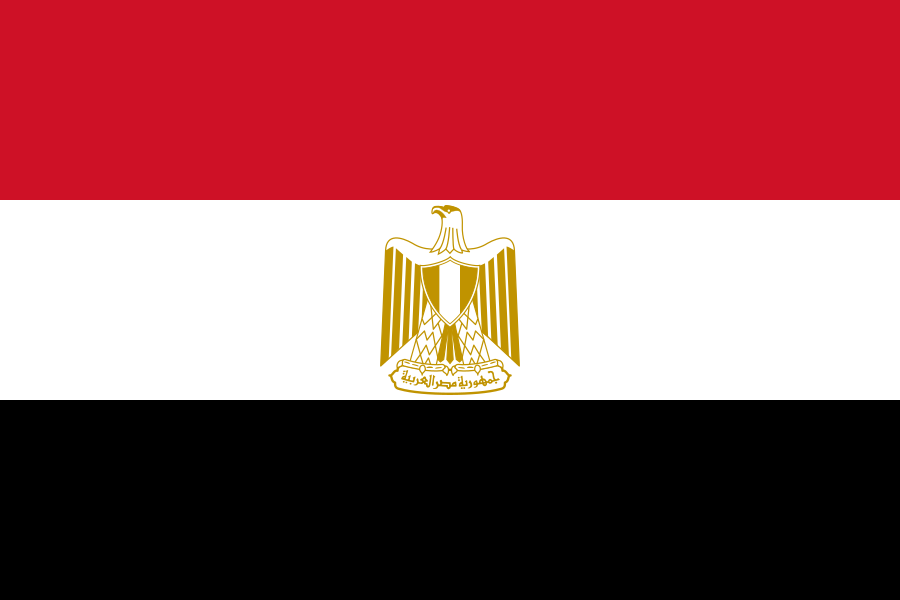
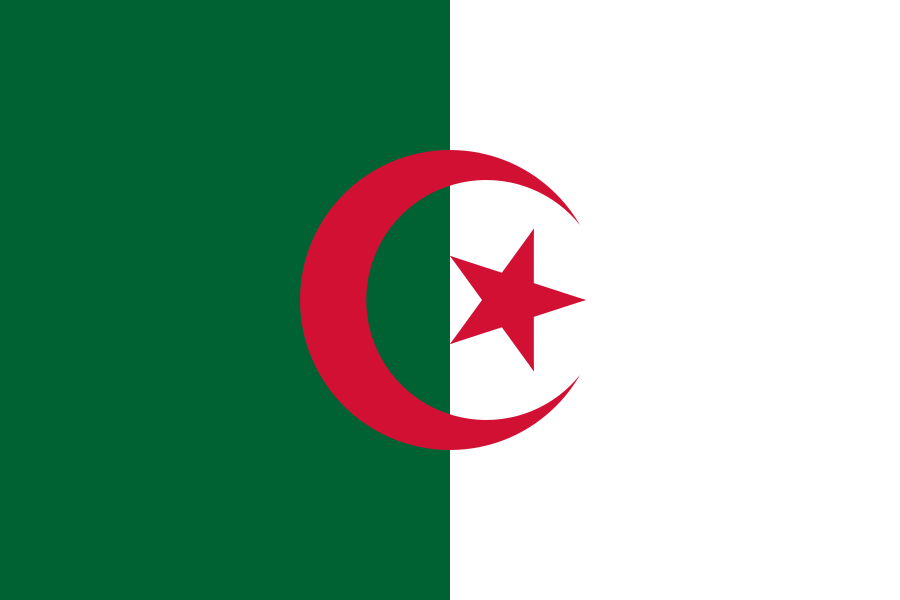
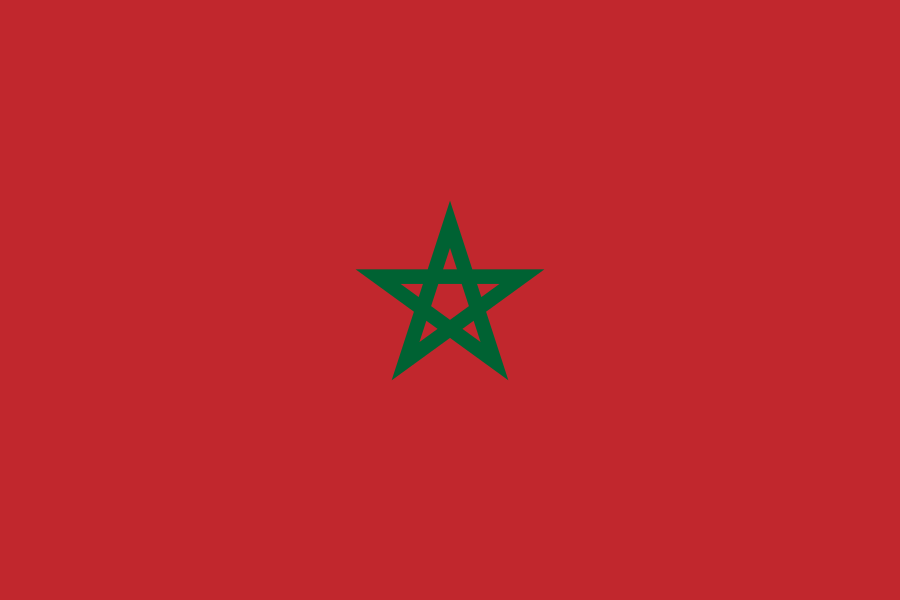
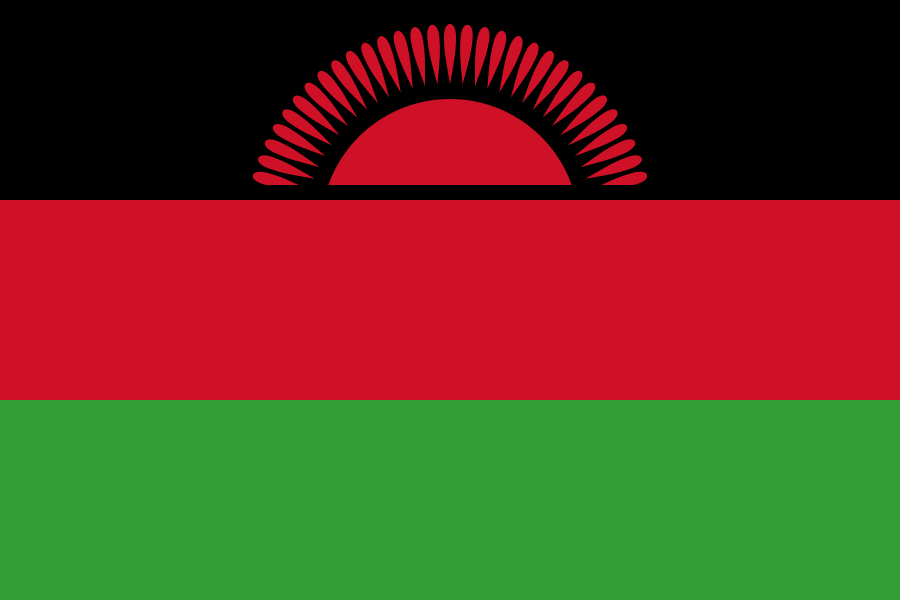
Potato production in Africa plays an important role in food security, farm income and agricultural development, with major producers including Egypt, Algeria, Ethiopia, South Africa, Morocco, Kenya, Malawi, Nigeria and Rwanda. Production occurs under contrasting farming systems: large-scale, irrigated commercial production is particularly important in North Africa and South Africa, while potato is predominantly produced by smallholder farmers in the tropical highlands of East and Central Africa. The crop is especially important in highland environments where cooler temperatures support tuber development.
Africa's potato sector includes both Irish potato, Solanum tuberosum and sweet potato, Ipomoea batatas, while other traditional root and tuber crops are cultivated in specific regions. Potato contributes to household food supplies and provides cash income for millions of farmers, while sweet potato has an additional nutritional role, particularly through orange fleshed varieties rich in provitamin A. The crop's relatively short production cycle, high yield potential and growing urban demand have strengthened its importance in African food systems.
The industry continues to face constraints including inadequate access to quality seed, pests and diseases, limited irrigation and market infrastructure, soil-fertility problems and increasing climate variability. At the same time, potato production is expanding through improved seed systems, disease and heat tolerant varieties, better agronomic practices, irrigation, mechanization and growing processing markets for chips and frozen fries. Research organizations such as the International Potato Center are supporting the development and dissemination of varieties with improved yield, disease resistance, climate resilience and consumer-preferred qualities.
The potato, Solanum tuberosum, originated in the Andes of South America and reached Africa as part of its wider movement through European maritime and colonial networks. Historical evidence indicates that potatoes were already present in the Canary Islands during the sixteenth century, with records of potato shipments from Gran Canaria to Antwerp in 1567. From Europe and the Atlantic trade network, the crop was subsequently introduced into different parts of Africa. FAO records that potato introduction in Africa was closely associated with European colonization and notes that Belgian missionaries carried potatoes to the Congo during the nineteenth century.
During the nineteenth and twentieth centuries, potatoes became established in several African highland regions and later expanded into irrigated and commercial production systems. The crop was particularly successful in the cool highlands of eastern and central Africa, where environmental conditions resemble some of its traditional high altitude growing environments. In North Africa, potatoes subsequently became an important, irrigated crop, particularly in Egypt, Algeria and Morocco, while South Africa developed a more commercialized production sector. Over time, improved varieties, seed systems, irrigation, crop protection and market development contributed to the expansion of potato production, transforming the crop from an introduced food plant into an important component of Africa's food and agricultural economy.






Make This Page Even Better!
This content was last updated on September 13, 2026
Have a helpful detail to contribute? Catch something that should be corrected?