

Bangladesh
Bangladesh has developed a strong potato sector, with the crop becoming an important component of the country’s winter agriculture and food supply. Potato is mainly grown during the cool, dry season from October to March, when temperatures are more suitable for tuber formation than during the hot and humid summer. The crop is cultivated widely across the northern, northwestern and central parts of the country, with major production areas including Rangpur, Dinajpur, Thakurgaon, Rajshahi, Bogura, Munshiganj and surrounding districts. The northern region is particularly important for commercial potato production, supported by relatively favorable winter conditions and established markets.
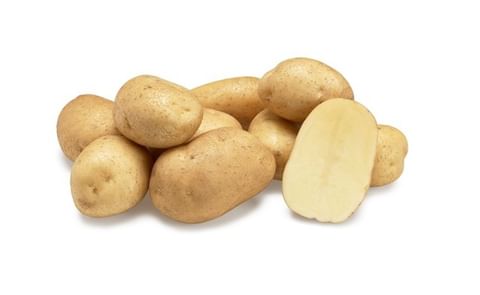
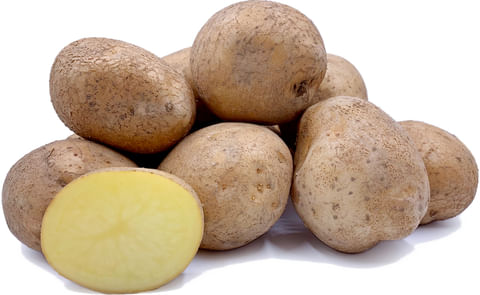
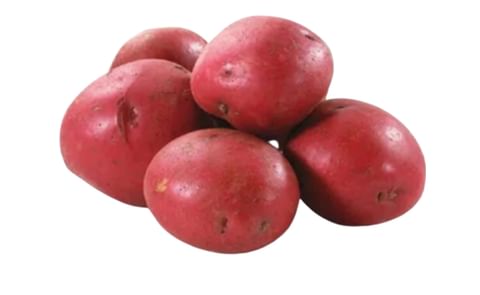
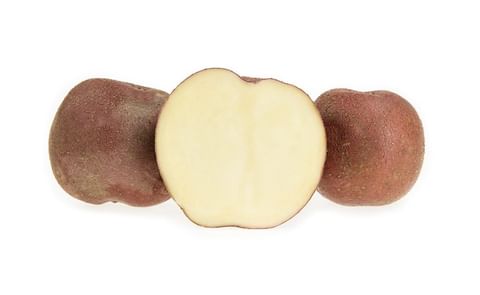
Bangladesh's potato industry includes both table potatoes and varieties increasingly targeted toward processing. Bangladesh Agricultural Research Institute (BARI) has played an important role in developing and releasing potato varieties suited to local growing conditions. BARI-released cultivars such as BARI Alu-7, BARI Alu-13, BARI Alu-25 and BARI Alu-8 have been widely adopted in northern production areas. More recently, research has expanded toward varieties with higher dry matter, specific gravity and processing quality for products such as French fries and chips. Studies have identified varieties including Asterix, Lady Rosetta, Courage, Destiny and BARI Alu-68 among promising processing types under Bangladesh conditions.
Potato is also important to Bangladesh's agricultural diversification, rural incomes and food processing sector. Production has benefited from improved varieties, irrigation, fertilizer management, seed multiplication and expanding cold-storage infrastructure, although farmers continue to face challenges involving quality seed availability, seed prices, insect and disease pressure, storage capacity and marketing. Research is increasingly addressing these constraints through improved varieties, irrigation management, tissue culture, genetic diversity studies and processing-quality evaluation. Recent molecular research has also examined the genetic diversity of BARI potato varieties using SSR markers, supporting future breeding and varietal improvement.
Potato was introduced into Bengal during the late eighteenth century. Historical accounts cited by the Food and Agriculture Organization indicate that British authorities promoted potato cultivation in Bengal during the 1770s. Initially, cultivation remained limited because many European varieties were poorly adapted to the hot conditions of the Bengal plains. Over time, however, potato became established as a winter garden and field crop, with its relatively short growing period making it suitable for inclusion in Bangladesh's intensive rice-based agricultural systems.
The development of organized agricultural research accelerated the expansion of potato production in Bangladesh after independence. BARI became a major institution for potato breeding, varietal evaluation and production research, while government extension services supported the dissemination of improved cultivars and management practices. The adoption of BARI varieties subsequently expanded across major potato growing districts. By the 2016–17 season, a study in Rajshahi, Rangpur and Thakurgaon found BARI Alu-7 occupying 59% of the surveyed potato area, followed by BARI Alu-13, BARI Alu-25 and BARI Alu-8. The sector has since moved beyond traditional table potato production toward processing quality potatoes, seed production and molecular breeding research, reflecting the growing diversification of Bangladesh's potato industry.


Make This Page Even Better!
This content was last updated on September 26, 2026
Have a helpful detail to contribute? Catch something that should be corrected?