

Whitefly in Potato: An Emerging Threat to Global Potato Production
Whiteflies (family Aleyrodidae, order Hemiptera) are small, sap sucking insects that resemble tiny white moths and are considered among the most economically important insect pests affecting potato (Solanum tuberosum) production worldwide. Although small in size, whiteflies can cause substantial crop damage through both direct feeding and indirect transmission of plant viruses. Their increasing prevalence in potato growing regions has made them a growing concern for growers, researchers and the seed potato industry.
Whiteflies damage potato plants primarily by feeding on phloem sap, which weakens plant vigor, reduces photosynthetic efficiency, disrupts nutrient balance and causes physiological stress. Heavy infestations may lead to chlorosis, leaf curling, premature senescence and stunted growth. In addition to direct feeding injury, whiteflies excrete honeydew that promotes the growth of sooty mold, further reducing photosynthesis and lowering crop quality.
However, the most serious threat posed by whiteflies in potato cultivation arises from their ability to transmit destructive plant viruses. In many potato growing regions whitefly vectored viral diseases cause greater economic losses than direct feeding damage alone. Virus infections can significantly reduce tuber yield, size, dry matter accumulation and overall marketability, posing major challenges for both fresh market and processing potatoes, particularly in seed potato production systems.
Among the whitefly species associated with potato cultivation the most important is Bemisia tabaci, commonly known as the sweet potato whitefly or silverleaf whitefly complex. This species is highly invasive, adaptable and recognized for its efficiency in virus transmission as well as its strong capacity to develop insecticide resistance. Another important species is Trialeurodes vaporariorum, commonly known as the greenhouse whitefly, which is more frequently observed in cooler climates and protected cultivation systems.
Whitefly infestations in potato are becoming increasingly problematic due to several interacting factors. Rising temperatures associated with climate change favor faster reproduction, shorter life cycles and expansion into new geographical areas. Intensive insecticide use has accelerated the development of resistance particularly in B. tabaci populations, reducing the effectiveness of conventional control strategies. Additionally, global trade and movement of planting materials have facilitated the spread of invasive whitefly biotypes and virus infected plant material across regions. The expansion of potato cultivation into warmer tropical and subtropical environments has further increased the risk of whitefly outbreaks.
As climate variability intensifies and virus pressures increase, whiteflies are emerging as one of the most significant biological threats to sustainable potato production worldwide highlighting the urgent need for effective monitoring, integrated pest management and long-term control strategies.
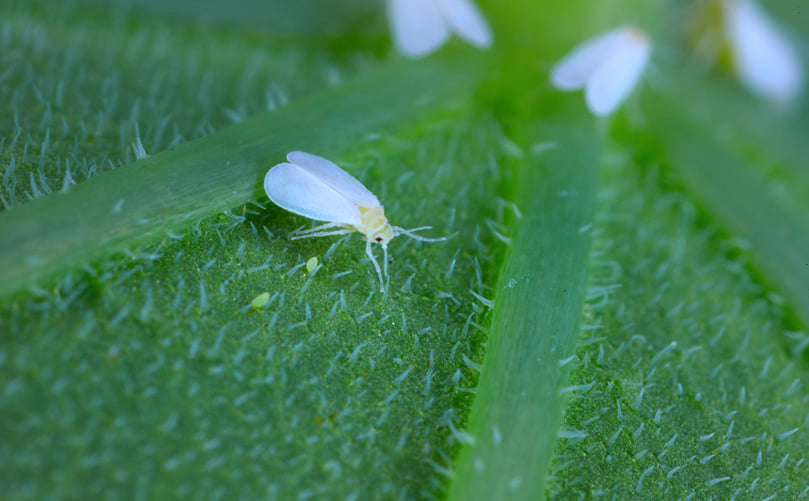
Whiteflies in Potato: An Emerging Threat to Global Potato Production
Historical Background and Global Distribution of Whitefly in Potato
Historical Background of Whiteflies in Potato Production
The history of whiteflies as agricultural pest's dates back more than a century although their importance in potato production has intensified only in recent decades. Among the major species affecting potatoes, Bemisia tabaci, commonly known as the sweet potato whitefly or silverleaf whitefly complex was first described in 1889 from tobacco plants in Greece. Although the species was reported in the United States as early as 1897, it remained a relatively minor pest for several decades.
The economic significance of B. tabaci increased dramatically during the mid-1980s when a highly invasive and destructive population, initially referred to as Biotype B and now recognized as the Middle East–Asia Minor 1 (MEAM1) cryptic species, emerged in greenhouse poinsettia production in Florida in 1986. This aggressive form, often called the silverleaf whitefly rapidly spread to field crops across the southern United States by the late 1980s, causing extensive agricultural damage and economic losses worth billions of dollars. Its ability to infest diverse host crops, transmit plant viruses efficiently and develop insecticide resistance transformed B. tabaci into one of the world’s most problematic agricultural pests.
Another important whitefly species associated with potato cultivation is Trialeurodes vaporariorum, commonly known as the greenhouse whitefly. First described in the nineteenth century, this species is believed to have originated in tropical or subtropical regions of the Americas, particularly Mexico or Brazil before spreading globally. Unlike B. tabaci, T. vaporariorum has historically been more important in greenhouse systems and cooler environments.
Initially, whiteflies were restricted to specific regions and host crops. However, the globalization of agricultural trade, particularly the international movement of ornamental plants, seedlings and infected plant material accelerated their spread across continents. Whiteflies became a more serious concern in potato production during the 1990s and 2000s, particularly due to their increasing role in transmitting economically damaging viral diseases in major potato growing regions such as India, Latin America, Africa and parts of Asia.
Global Distribution of Whiteflies in Potato Production
Today, B. tabaci has a nearly cosmopolitan distribution and is found on every continent except Antarctica. It is particularly dominant in tropical and subtropical potato growing regions, where warm climatic conditions favor rapid reproduction and year-round survival. Several invasive cryptic species, particularly MEAM1 (formerly Biotype B) and Mediterranean (MED or Biotype Q) have spread extensively through global trade in plant materials and have become established across Asia, Africa, Latin America, the Mediterranean region, the southern United States, Australia and parts of Europe, especially under greenhouse conditions.
In major potato producing countries such as India, B. tabaci has emerged as a significant pest due to its role in transmitting viral diseases and causing direct feeding damage, particularly in warmer potato growing belts.
By contrast, T. vaporariorum is more commonly associated with temperate climates, high altitude regions and protected cultivation systems such as greenhouses. Although it occurs globally, the species performs best under cooler environmental conditions. Significant infestations affecting potatoes have been reported in highland production systems in Latin America, Europe and parts of Asia, including important reports from Indonesia.
In potato production systems, B. tabaci is generally considered the dominant whitefly species in warmer lowland regions including India, parts of Africa and Mediterranean climates, whereas T. vaporariorum is more problematic in cooler highland areas and protected cultivation. In transitional climatic zones, both species may coexist and contribute to pest pressure.
Rising global temperatures, shifting climatic patterns and the expansion of potato cultivation into warmer regions are expected to further increase whitefly distribution, survival and the number of generations produced annually intensifying their impact on potato production worldwide.
Major Whitefly Species Affecting Potato Crops
Several whitefly species are associated with potato cultivation; however, two species are considered economically important due to their widespread occurrence, feeding behavior and ability to transmit plant viruses. These species differ in their geographical distribution, climatic adaptation, host range and biological characteristics.
Bemisia tabaci (Gennadius, 1889): Bemisia tabaci, commonly known as the sweet potato whitefly or silverleaf whitefly complex is the most economically important whitefly species affecting potato crops worldwide. Rather than being a single species, B. tabaci is now recognized as a cryptic species complex composed of genetically distinct groups that are morphologically indistinguishable but genetically diverse. Molecular studies based on mitochondrial cytochrome oxidase I (mtCOI) sequences have identified more than 40 cryptic species within the complex.
Among these, the Middle East–Asia Minor 1 (MEAM1, formerly Biotype B) and Mediterranean (MED, formerly Biotype Q) groups are the most invasive and economically damaging. These invasive populations are highly adaptable, aggressive feeders and particularly efficient vectors of plant viruses.
B. tabaci possesses an extremely broad host range feeding on more than 600 plant species across over 90 botanical families. Important hosts include potato, tomato, eggplant, cotton, cassava, chilli, tobacco and numerous weed species that act as reservoirs between cropping seasons.
In potato production systems, B. tabaci is dominant in tropical and subtropical regions including India, parts of Africa, Latin America, Mediterranean countries, the southern United States and Australia. The species thrives under hot and dry environmental conditions, where rapid reproduction and multiple generations per season contribute to severe infestations.
One of the major concerns associated with B. tabaci is its exceptional capacity to transmit plant viruses, particularly members of the begomovirus group, while also rapidly developing resistance to insecticides. Its high reproductive rate, polyphagous feeding behavior and strong adaptability make it one of the most difficult whitefly pests to manage in potato cultivation.
Trialeurodes vaporariorum (Westwood, 1856): Trialeurodes vaporariorum, commonly known as the greenhouse whitefly is another important species affecting potato crops, particularly in cooler environments and protected cultivation systems. Unlike B. tabaci, T. vaporariorum is a distinct species and can be differentiated based on adult wing posture, which appears more loosely held as well as differences in puparial morphology.
Although its host range is broad, it is narrower than that of B. tabaci with records from more than 200 plant species. This species commonly infests potato, tomato, cucumber, beans, ornamentals and several greenhouse crops.
T. vaporariorum is more prevalent in temperate regions, high altitude potato growing areas and greenhouse production systems. It is widely distributed across Europe, North America, highland regions of Latin America and cooler areas of Asia including potato growing highlands in Indonesia.
Compared with B. tabaci, T. vaporariorum is better adapted to cooler climatic conditions and is an important vector of certain plant viruses including criniviruses such as Potato yellow vein virus.
Whiteflies in Tropical vs Temperate Potato Systems
The relative importance of whitefly species in potato production largely depends on climatic conditions. In tropical and subtropical lowland potato systems, B. tabaci is generally the dominant species due to its high tolerance to warm temperatures, rapid reproduction and superior virus transmission efficiency. In contrast, T. vaporariorum tends to dominate in temperate climates, highland potato growing regions and greenhouse cultivation systems where cooler temperatures prevail.
In transitional agroecological zones both species may coexist and contribute to mixed infestations, increasing management complexity. Furthermore, rising temperatures associated with climate change are facilitating the spread of B. tabaci into regions that were previously too cool for its establishment, potentially increasing whitefly pressure in new potato growing areas.
Although other whitefly species, such as Trialeurodes abutiloneus have occasionally been reported on potato and related crops, they are generally considered of minor economic importance compared with B. tabaci and T. vaporariorum.
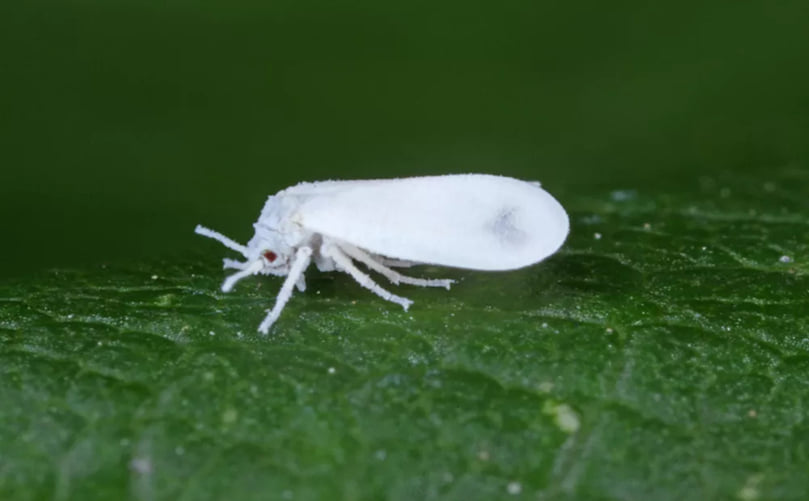
Field Identification of Whiteflies in Potato Crops
Biology and Life Cycle of Whiteflies in Potato Crops
Whiteflies undergo incomplete metamorphosis (hemimetabolous development), progressing through six developmental stages: egg, four nymphal instars and adult. Unlike insects that undergo complete metamorphosis, whiteflies do not have a true pupal stage although the final nymphal instar is often referred to as a “puparium” due to its pupal like appearance. Most of the whitefly life cycle occurs on the underside of leaves, where insects feed, develop and reproduce.
The biology of Bemisia tabaci and Trialeurodes vaporariorum is broadly similar although important differences exist in temperature adaptation, development rate and reproductive performance.
Egg Stage: Whitefly eggs are tiny, oval to pear shaped structures measuring approximately 0.2 mm in length. Freshly laid eggs are pale yellow or cream colored and gradually darken to brown before hatching. Eggs are attached to the underside of leaves through a small stalk-like structure called a pedicel, which inserts into leaf tissue and aids in moisture absorption.
Female whiteflies lay eggs singly or in small groups, usually on young leaves. In B. tabaci, egg distribution tends to be scattered rather than arranged in circular patterns. Depending on environmental conditions a single female may lay between 50 and more than 400 eggs during her lifetime. Under warm conditions eggs generally hatch within 4–12 days with development occurring more rapidly at temperatures near 25–30°C.
Nymphal Stages: After hatching, whiteflies pass through four immature nymphal stages (instars), during which feeding and growth occur.
First Instar (Crawler Stage) The first instar commonly called the crawler stage is the only mobile immature phase. Newly emerged crawlers are flat, oval shaped and extremely small, measuring around 0.3 mm in length. During this stage, they move short distances across the leaf surface in search of a suitable feeding site. Once a location is selected, the crawler inserts its mouthparts (stylets) into the phloem and begins feeding on plant sap. This stage generally lasts between 2 and 4 days.
Second and Third Instars Following settlement, whiteflies enter the second and third in stars, which are sessile (immobile) feeding stages. These nymphs appear flattened, oval and scale-like gradually becoming thicker and more dome-shaped with age. They feed continuously on phloem sap and secrete waxy substances that provide some protection against environmental stress and insecticide exposure. Each instar generally lasts 2–4 days under favorable conditions.
Fourth Instar (Red Eyed Nymph or Puparium) The fourth instar is a specialized transitional stage often referred to as the “puparium” because of its pupal-like appearance although whiteflies do not undergo true pupation. During this stage, feeding gradually ceases, the body thickens and the eyes become distinctly red making it commonly known as the red eyed nymph stage. Adult emergence occurs through a characteristic T-shaped slit formed in the upper surface of the puparium. This stage typically lasts around 5–7 days depending on temperature.
Adult Stage: Adult whiteflies are small insects measuring approximately 0.8–1.2 mm in length with yellowish bodies covered by powdery white wings. In B. tabaci, the wings are generally held tent-like over the body, while T. vaporariorum often displays a slightly flatter and more loosely held wing posture.
Adults emerge from the puparium and become reproductively active soon after emergence. Mating usually occurs within a short period and females begin laying eggs within 1–3 days. Adult lifespan varies according to species, temperature and host plant conditions but generally ranges from 2 to 6 weeks with females typically surviving longer than males.
Life Cycle Duration and Temperature Effects
Temperature strongly influences whitefly development, survival and reproductive potential. Under optimal conditions of approximately 25–30°C, B. tabaci can complete its life cycle within 16–31 days and may produce 11–15 generations annually in tropical and subtropical regions. Warmer temperatures accelerate development, shorten generation time and increase reproductive output, often resulting in rapid population outbreaks.
In contrast, T. vaporariorum performs better under cooler environmental conditions. Development may occur in fewer than 20 days at temperatures near 27°C but can extend beyond 40 days under cooler conditions around 14°C. Extremely high temperatures above 35°C may negatively affect survival and reproductive performance in some whitefly populations.
Biological Differences Between Major Potato Whitefly Species
Although both species share similar life cycles important biological differences influence their pest status in potato production. B. tabaci generally exhibits greater heat tolerance, broader host adaptability, higher polyphagy and faster population growth under warm, dry conditions. It also develops rapidly on potato crops and is highly efficient in virus transmission.
By comparison, T. vaporariorum is better adapted to cooler climates and may demonstrate longer adult longevity and higher reproductive output on certain hosts under moderate temperatures. However, it is generally less tolerant of extreme heat than B. tabaci.
Why Understanding the Whitefly Life Cycle Matters
Knowledge of whitefly biology is essential for effective pest management in potato production systems. Early developmental stages, particularly crawlers and young nymphs are generally more susceptible to insecticides and biological control agents before wax accumulation and sessile feeding reduce treatment effectiveness. Since adults preferentially colonize young leaves while older nymphs are commonly found on mature foliage, careful scouting across different plant parts is critical. Furthermore, overlapping generations throughout the growing season make proper timing of monitoring and integrated pest management (IPM) interventions essential for successful whitefly control.
Identification and Symptoms of Whitefly Infestation in Potato
Adult Identification
Adults are tiny (~0.8–1.2 mm long), moth-like insects with a yellowish body covered in white waxy powder.
Bemisia tabaci: Wings are held roof-like (tent-like) over the body with a small space between them; slightly smaller and more yellowish than T. vaporariorum.
Trialeurodes vaporariorum: Wings are held flatter and more parallel meeting at the back with a larger and more triangular appearance.
When disturbed, adults fly up in characteristic white clouds. They prefer colonizing the undersides of young leaves.
Immature Stages
Eggs: Oval, pale yellow to brown, approximately 0.2 mm long laid on the undersides of leaves (randomly in B. tabaci).
Nymphs: Scale-like, yellowish-white, sessile after the mobile crawler stage and often waxy.
Puparia (4th instar): Oval, white to yellowish; B. tabaci puparia are flatter with fewer waxy filaments compared to T. vaporariorum, which has long waxy threads.
Plant Symptoms
Chlorosis: Yellowing (stippling) of leaves due to sap removal and reduced photosynthesis.
Leaf curling and distortion: Upward or downward curling, especially in apical leaves.
Wilting and stunting: Reduced vigor, premature leaf drops and overall dwarfing under heavy infestations.
Heavy feeding can cause necrotic spots that expand leading to leaf drying.
Secondary Symptoms
Honeydew: Sticky, sugar-rich excretion on leaves making them appear shiny.
Sooty mold: Black fungal growth of Capnodium spp. on honeydew, further reducing photosynthesis and disfiguring foliage and tubers.
In severe cases, plants appear covered with white insects on the undersides of leaves, accompanied by blackened, sticky foliage.
Early detection focuses on young leaves and field margins.
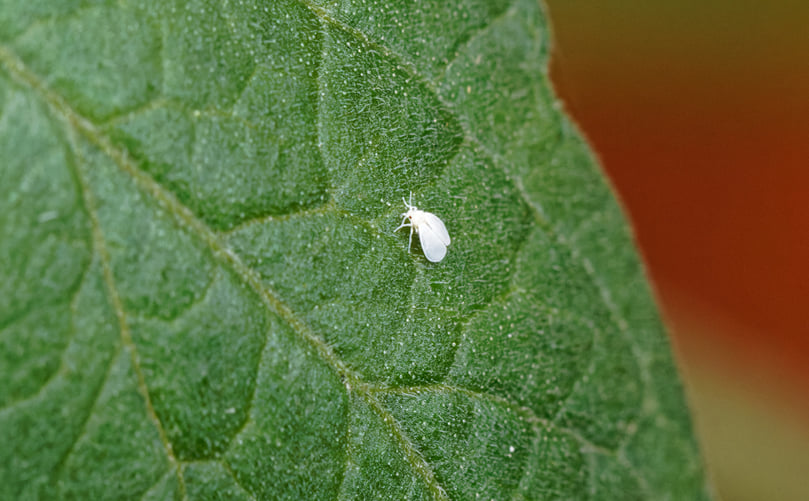
Visual Symptoms and Identification of Whiteflies in Potato Crops
Damage Caused by Whiteflies in Potato: Effects on Yield, Quality and Plant Health
Whiteflies inflict both direct and indirect damage on potato crops, often resulting in compounded effects on plant growth, tuber development and overall yield quality.
Direct Damage: Whiteflies damage potato plants primarily through phloem sap feeding, which deprives plants of essential nutrients and water. Continuous feeding causes chlorotic spotting, leaf yellowing, curling, wilting and a reduction in photosynthetic efficiency. As infestations intensify, plants may exhibit weakened growth and poor vigor.
During feeding, whiteflies inject salivary enzymes into plant tissues altering normal physiological processes. This can result in growth abnormalities, stunted development, premature leaf senescence and overall plant stress. Severe infestations, such as populations reaching around 68 adults per leaflet in some studies have been associated with tuber yield reductions of up to 39% due to weakened plant performance and reduced tuber size.
Indirect Damage: The most economically significant damage caused by whiteflies is the transmission of plant viruses, particularly potato viruses that can severely affect crop productivity and seed quality. Virus infected plants often show reduced vigor, chlorosis, leaf deformation and substantial yield decline.
Whiteflies also excrete honeydew, a sticky sugary substance that accumulates on leaf surfaces. This promotes the growth of sooty mold fungi, which forms a black coating on leaves and sometimes tubers. Sooty mold interferes with photosynthesis, reduces aesthetic and market quality and may lower the commercial value of harvested potatoes.
In addition, whitefly infestations can weaken plant defenses, increasing susceptibility to environmental stress, secondary pests and opportunistic pathogens.
Impact on Key Crop Parameters: Whitefly infestations significantly affect potato productivity and quality. Yield losses commonly occur through reductions in both tuber number and tuber size with heavy infestations often causing losses ranging from 20% to over 50%.
Tuber quality is also affected as infested plants may produce smaller and lighter tubers with reduced dry matter and starch content. Processing quality can decline due to increased sugar accumulation and tuber defects, reducing suitability for products such as chips and fries. The presence of honeydew and sooty mold further lowers market acceptability.
Seed potato quality may also deteriorate, particularly when virus transmission occurs resulting in poor quality seed tubers that can perpetuate disease and productivity issues in subsequent planting cycles.
Young potato plants are especially vulnerable to whitefly attack and under severe infestation conditions, substantial crop failure or near total yield loss may occur.
Whitefly-Transmitted Viruses in Potato: A Major Threat to Yield and Seed Quality
Whiteflies are highly efficient vectors of several economically important potato viruses making them one of the most serious indirect threats to potato production. Virus transmission by whiteflies can occur in different modes including persistent circulative and semi-persistent transmission, allowing insects to retain and spread viruses over extended periods. Once infected, potato plants often suffer irreversible damage with significant reductions in yield, tuber quality and seed health.
Potato Yellow Vein Virus (PYVV): Potato Yellow Vein Virus (PYVV) belonging to the Crinivirus genus is primarily transmitted by the whitefly Trialeurodes vaporariorum through semi-persistent transmission. The disease is particularly prevalent in the Andean potato growing regions of Latin America, where it causes substantial economic losses.
Early symptoms include bright yellowing of leaf veins, which later develops into generalized chlorosis across the foliage. In some cases, the veins may regain a green appearance during later stages making diagnosis more challenging. Infected plants often show reduced vigor, while tubers may become malformed and develop protruding or enlarged eyes. Under severe infection, yield losses of up to 50% have been reported in heavily affected fields. Although primarily spread by whiteflies, PYVV can also be transmitted through infected seed tubers to a limited extent.
Potato Apical Leaf Curl Disease (Caused by ToLCNDV-Potato): Potato Apical Leaf Curl Disease is caused by the potato strain of Tomato Leaf Curl New Delhi Virus (ToLCNDV-potato), a member of the Begomovirus genus. The disease is mainly transmitted by the whitefly Bemisia tabaci and is considered one of the most destructive whitefly transmitted diseases affecting potatoes in India, particularly across the Indo-Gangetic Plains.
Symptoms typically begin with severe curling of young apical leaves, which may curl upward or downward. As infection progresses, leaves become crinkled, mosaic symptoms may develop and plants exhibit stunted growth and reduced vigor. Early-stage infections generally result in higher virus concentrations within the plant leading to more severe symptoms and greater economic loss. Yield reductions commonly range from 30% to 50%, although losses can approach 100% in susceptible varieties under severe whitefly pressure. Disease incidence is often higher in early planted crops coinciding with peak whitefly populations.
Transmission Mechanism: Whiteflies acquire viruses while feeding on infected potato plants and subsequently transmit them to healthy plants during later feeding. The whitefly Bemisia tabaci is particularly efficient at transmitting begomoviruses because of its broad host range, rapid reproductive cycle and ability to survive on multiple cultivated and weed hosts. These characteristics enable rapid virus spread within and between potato fields. Infected volunteer plants, weeds and alternative host crops can serve as reservoirs, sustaining virus populations between cropping seasons.
Management Challenges: Whitefly transmitted viral diseases are extremely difficult to manage once established in a crop because no curative treatment exists for infected plants. Management therefore depends largely on preventive strategies including strict whitefly control, the use of certified virus-free seed tubers, field sanitation and timely monitoring. Diagnosis can also be challenging because symptoms may remain latent in some plants or resemble nutrient deficiencies, heat stress or other physiological disorders, increasing the risk of unnoticed disease spread.
Whitefly Infestation in Potato: Economic Losses and Production Risks
Whiteflies and the viruses associated with them cause substantial direct and indirect economic losses in potato production through reduced yields, quality deterioration, increased management costs and seed certification issues. Yield and Quality Losses: Direct feeding damage and virus transmission by whiteflies can cause tuber yield reductions ranging from 20% to over 50% with the potential for near-total crop loss during severe outbreaks. Infested crops often produce lower quality tubers affecting both marketability and processing suitability.
Whitefly infestations also increase production costs due to additional expenses for insecticide applications, field monitoring and rouging of infected plants. In seed potato production systems, virus incidence can lead to seed certification failure, resulting in lower market prices or rejection of seed lots.
Regional Economic Impact of Whiteflies in Potato Production
India: In India, Potato Apical Leaf Curl Disease caused by ToLCNDV-potato and transmitted by Bemisia tabaci has caused major production losses. For example, approximately 20,000 tons of potato production were lost in Punjab during 2015, while regions such as Uttar Pradesh face risks exceeding 500,000 tons under severe outbreaks. Disease incidence ranging from 40% to 75% has been reported in affected areas with higher impacts observed in early season crops. Whitefly populations are also increasing due to changing climatic conditions.
Latin America (Andean Region): In the Andean potato growing regions of Latin America, Potato Yellow Vein Virus causes yield losses of up to 50% in affected fields and has historically been an important potato disease in Colombia, Ecuador and Peru.
Africa and the Mediterranean Region: Increasing pressure from Bemisia tabaci in warmer potato growing regions is contributing to greater virus-related yield losses, similar to severe impacts observed in other crops such as cassava.
Indonesia: In Indonesia, infestations of Trialeurodes vaporariorum reduced potato yields by approximately 39% in untreated trials.
Globally, whitefly infestations across crops account for economic losses amounting to billions of dollars annually. These losses emphasize the need for integrated management approaches as reliance on chemical control alone increases costs and accelerates insecticide resistance development.
Why Whiteflies Thrive: Conditions Favoring Infestation in Potato
Whitefly populations, particularly Bemisia tabaci and Trialeurodes vaporariorum, thrive under specific environmental and agronomic conditions that favor rapid reproduction, survival and spread. Understanding these factors is essential for predicting outbreaks and implementing timely management strategies.
Environmental Conditions That Favor Whitefly Development
High temperatures and dry weather: B. tabaci develops most rapidly under warm conditions with optimal development occurring between 25–30°C, allowing up to 11–15 generations per year in tropical regions. Population development slows considerably below 20°C and declines under extreme heat above 35–40°C. In contrast, T. vaporariorum prefers slightly cooler and milder conditions with an optimum temperature range of 20–27°C, making it more common in cooler regions, high altitude areas and greenhouse environments. Low humidity and limited rainfall generally favor rapid whitefly population growth by reducing mortality.
Stable and protected conditions: Glasshouse-like environments or prolonged warm, stable weather conditions with moderate humidity support higher survival rates and longer adult lifespans, often ranging from 10–20 days or more, enabling sustained reproduction and population buildup.
Agronomic and Crop Factors Favoring Whitefly Infestation
Dense canopy and excessive vegetative growth: Dense crop canopies create favorable microclimatic conditions for whiteflies by providing shelter and stable temperatures. Excessive nitrogen fertilization encourages lush, succulent foliage, which is highly attractive to whiteflies and can significantly increase egg laying and population growth.
Continuous host availability: The presence of overlapping crops, volunteer plants, weeds and alternate host species such as potato, tomato, eggplant, cotton and cassava enables whiteflies to survive between cropping cycles. Poor field sanitation and unmanaged crop residues further increase the likelihood of pest carryover between seasons.
Low rainfall periods: Dry weather conditions and prolonged rain free periods reduce natural mortality caused by rainfall and facilitate increased dispersal from nearby infested fields, often resulting in rapid field colonization.
Altitude and local microclimate: Species distribution varies by climatic conditions and elevation. T. vaporariorum tends to dominate in tropical highland regions above approximately 1,000 m, whereas B. tabaci is generally more prevalent in warmer lowland potato growing regions.
Climate Change and Emerging Risk
Climate change is expected to intensify whitefly pressure in potato production by extending warm and dry periods, improving overwintering survival, accelerating reproductive cycles and expanding whitefly distribution into previously less favorable potato growing regions. Early planted potato crops are often at greater risk because whitefly populations may peak during vulnerable crop growth stages, increasing both feeding damage and virus transmission risk.
Monitoring and Early Detection of Whiteflies in Potato
Early detection is foundational for effective whitefly management as populations can increase rapidly once established.
Yellow sticky traps: Highly effective for monitoring adults. Place 1 trap per 100–1,000 m² (or 1 per several plants in smaller fields) just above the crop canopy. Monitor weekly. Traps can detect infestations weeks before visual symptoms appear and may also help suppress low populations.
Leaf underside scouting: Inspect young and upper leaves regularly (weekly) for eggs, nymphs and adults using a hand lens. Focus on field margins and hotspot areas. Count nymphs per leaflet or estimate the percentage of infested leaves. Adults typically flutter upward when foliage is disturbed.
Economic thresholds (ET): Thresholds vary by region and variety. Examples include 2–3 whiteflies per plant or 9–11 adults per plant in some Indian guidelines. Management actions should begin before nymph populations reach damaging levels (e.g., 40% of leaves infested in related crops). In virus-prone areas, lower thresholds are recommended due to higher transmission risks.
Additional tools: Visual symptoms such as honeydew deposits and sooty mold along with historical pest records and weather-based predictions can support proactive scouting and early detection.
Integrated Pest Management Strategies for Whitefly in Potato
Integrated Pest Management (IPM) is the most effective and sustainable approach for managing whiteflies in potato production. Rather than relying solely on insecticides, IPM combines cultural, biological, mechanical and chemical strategies to maintain whitefly populations below economically damaging levels while minimizing resistance development, environmental impact and disruption of beneficial organisms.
Cultural Control Strategies
Crop rotation and planting management: Crop rotation with non-host crops helps disrupt the whitefly life cycle and reduces carryover between seasons. Timely planting can also help potato crops avoid peak whitefly population periods, reducing infestation pressure and virus transmission risk.
Weed and alternate host management: Weeds, volunteer potato plants and alternate host crops such as tomato, eggplant, cotton and cassava can serve as reservoirs for whiteflies and associated viruses. Effective weed control and removal of volunteer plants help limit pest survival between cropping cycles.
Balanced nutrition and irrigation: Excessive nitrogen fertilization promotes lush, succulent growth that is highly attractive to whiteflies and may enhance reproductive success. Maintaining balanced fertilization and proper irrigation practices can reduce excessive vegetative growth and create less favorable conditions for infestation.
Field sanitation and canopy management: Prompt destruction of crop residues after harvest reduces overwintering or carryover populations. Proper plant spacing and good canopy ventilation help reduce favorable microclimatic conditions that support whitefly survival and reproduction.
Biological Control
Parasitoids: Parasitic wasps such as Encarsia formosa and species of Eretmocerus are highly effective natural enemies of whitefly nymphs and can significantly suppress populations, particularly in protected cultivation systems.
Predators: Natural predators including ladybird beetles such as Delphastus pusillus, green lacewings such as Chrysoperla carnea, big eyed bugs and predatory mites contribute to whitefly suppression by feeding on eggs, nymphs and adults.
Conservation of beneficial organisms: Reducing unnecessary applications of broad-spectrum insecticides helps conserve beneficial insects and improves long-term biological control. Biological releases are generally most successful when introduced early, before whitefly populations become established.
Mechanical and Physical Control
Yellow sticky traps: Yellow sticky traps can be used for both monitoring and mass trapping of adult whiteflies, particularly in greenhouse or protected cultivation systems.
Reflective mulches: Reflective or silver colored mulches can repel adult whiteflies and reduce colonization of young potato plants. However, their use should be carefully managed in hot climates to avoid excessive soil or canopy heat buildup.
Physical removal: In small scale production systems or greenhouse cultivation, high pressure water sprays and removal of heavily infested leaves can help suppress localized infestations and reduce pest spread.
Chemical Control
Chemical control should be used only when monitoring indicates economic thresholds have been exceeded. Since whiteflies commonly feed on the underside of leaves, spray coverage should target lower leaf surfaces for maximum effectiveness.
Selective insecticides such as insect growth regulators (e.g., pyriproxyfen and buprofezin), horticultural oils, insecticidal soaps, diamide insecticides and selective neonicotinoid treatments (where legally permitted) can provide effective control while minimizing disruption to beneficial organisms.
A critical component of resistance management is the rotation of insecticides with different modes of action following guidelines from the Insecticide Resistance Action Committee. Repeated use of the same chemistry can accelerate resistance development in whitefly populations. Products should always be applied at recommended label rates and only when necessary.
Key to Successful Whitefly IPM: Successful whitefly management depends on regular monitoring, early intervention and integration of multiple control strategies rather than dependence on a single method. Adapting IPM programs to local climate, production systems and dominant whitefly species or biotypes is essential for achieving long-term and sustainable control in potato production.
Insecticide Resistance in Whiteflies: A Growing Challenge in Potato Production
Insecticide resistance has become a major challenge in whitefly management, particularly in Bemisia tabaci due to its short life cycle, high reproductive capacity and repeated exposure to insecticides. Resistance can significantly reduce control effectiveness, increase production costs and complicate management programs in potato-growing regions.
Why Resistance Develops Rapidly?
Short generation time and high reproductive potential: Whiteflies reproduce rapidly and complete multiple overlapping generations within a single growing season. This allows resistant individuals to multiply quickly and become dominant within populations.
Frequent use of the same insecticide groups: Repeated applications of insecticides with the same mode of action, particularly pyrethroids, neonicotinoids and organophosphates, exert strong selection pressure that favors resistant whitefly populations. Overreliance on chemical control accelerates resistance development.
Wide host range and continuous survival: The broad host range of whiteflies allows populations to survive year-round on alternative crops and weeds, increasing opportunities for resistant biotypes to persist and spread across production systems.
Cross resistance risks: Resistance to one insecticide can sometimes result in reduced susceptibility to chemically related products with similar modes of action, limiting future control options.
Current Resistance Status: B. tabaci populations in several potato-growing regions have shown varying levels of resistance to commonly used insecticides such as deltamethrin, imidacloprid, thiamethoxam and other active ingredients. In some cases, studies have reported resistance increases of 5–12-fold within relatively short periods, reducing field efficacy.
In comparison, Trialeurodes vaporariorum generally develops resistance more slowly. However, resistance can still become a serious issue, particularly in greenhouse or protected cultivation systems where repeated insecticide applications are common.
Resistance Management Strategies
Rotate insecticide modes of action: Alternating insecticides with different modes of action is essential to delay resistance development. Consecutive applications of products from the same Insecticide Resistance Action Committee group should be avoided whenever possible.
Reduce dependence on chemical control: Integrating cultural, biological and mechanical control measures reduces insecticide use and lowers selection pressure on whitefly populations.
Use recommended label rates and timing: Applying insecticides at full recommended doses and at the appropriate crop stage improves efficacy and reduces the survival of partially resistant individuals. Under dosing may accelerate resistance development.
Monitor resistance trends: Local resistance monitoring programs and regional recommendations should guide insecticide selection. Growers should adapt spray programs based on resistance status in their area.
Avoid unnecessary applications: Sprays should only be applied when economic thresholds are exceeded. Conserving susceptible individuals and avoiding excessive treatments can help slow resistance evolution.
The Importance of Proactive Resistance Management
Long-term whitefly management depends on preserving the effectiveness of available insecticides. Proactive resistance management combined with broader Integrated Pest Management (IPM) strategies is essential to sustain effective whitefly control and reduce the risk of widespread control failures in potato production.
Climate Change and Whitefly Risk: A Growing Threat to Potato Production
Climate change is expected to significantly increase whitefly pressure on potato crops through rising temperatures, altered precipitation patterns and the expansion of suitable habitats for major whitefly species. These environmental changes are likely to intensify infestations, accelerate population growth and increase virus transmission risks in potato growing regions.
Increased generations per year: Bemisia tabaci thrives under warm conditions with optimal development occurring at approximately 25–30°C. Rising temperatures are expected to shorten developmental cycles, potentially resulting in several additional generations per year in tropical and subtropical potato growing regions. This may lead to more rapid population build-up and greater pest pressure.
Expanded geographic range: B. tabaci is likely to expand into previously cooler temperate potato-growing regions, including parts of North America and Europe, where warmer temperatures may enhance establishment and survival. In contrast, Trialeurodes vaporariorum may experience reduced activity in excessively hot equatorial areas but could increase in temperate highlands and protected cultivation systems such as greenhouses.
Improved overwintering survival: Milder winters are expected to improve the survival of whitefly adults and nymphs in crop residues, volunteer plants and alternate hosts. Earlier seasonal survival may contribute to faster colonization and infestation of potato crops during the growing season.
Greater virus transmission pressure: Faster reproduction and increased dispersal of whiteflies are likely to enhance the spread of important potato viruses including Tomato Leaf Curl New Delhi Virus (ToLCNDV, potato strain) and Potato Yellow Vein Virus (PYVV), particularly in regions where multiple host crops overlap. Increased vector activity may substantially raise disease incidence and associated yield losses.
Indirect effects on potato susceptibility: Climate related drought stress and irregular rainfall patterns can weaken potato plants making them more susceptible to whitefly feeding and virus infection. Elevated atmospheric CO₂ concentrations may influence plant insect interactions; however, current evidence suggests that increased CO₂ levels are unlikely to substantially suppress whitefly fitness or population growth.
Regional Outlook: In India and other tropical lowland potato growing regions, B. tabaci driven outbreaks are expected to intensify under warming conditions. In contrast, whitefly risk patterns involving T. vaporariorum may shift in temperate regions, including parts of Europe and the Andean highlands. Overall, climate projections indicate increasing whitefly pressure, greater virus transmission risks and widening potato yield gaps by 2050.
Future Management Implications: Proactive adaptation strategies including integrated pest management (IPM), deployment of resistant potato varieties, climate smart agronomic practices and strengthened virus monitoring systems will be essential to reduce future whitefly related risks in potato production systems.
Prevention Strategies for Potato Growers: Reducing Whitefly Risk Before Infestation
Prevention is more effective, economical and sustainable than curative control when managing whiteflies in potato production. A proactive approach helps reduce pest establishment, limits virus transmission and minimizes dependence on chemical interventions. The following preventive strategies form the foundation of effective long-term whitefly management.
Use certified, virus-free seed: Starting with high quality, certified, virus-free potato seed is one of the most effective measures for preventing whitefly vectored diseases. Clean planting material minimizes the risk of introducing viruses into the field at the beginning of the cropping cycle and supports healthier crop establishment.
Field selection and planting timing: Potato fields should be selected in areas with good air circulation and located away from crops that commonly host whiteflies, such as cotton, tomato and eggplant. Adjusting planting schedules to avoid peak whitefly migration periods particularly during early crop establishment in tropical and subtropical regions can substantially reduce infestation pressure.
Field hygiene and sanitation: Maintaining field cleanliness is critical for reducing whitefly reservoirs. Crop residues, volunteer plants and weeds should be removed promptly after harvest as these can serve as alternate hosts for whiteflies and plant viruses. Infested plant material should be destroyed rather than composted and field borders should be kept weed free to limit pest survival and movement.
Agronomic management practices: Balanced fertilization is essential as excessive nitrogen application can promote lush vegetative growth that attracts whiteflies and supports rapid population increase. Proper irrigation management helps reduce plant stress, improving crop tolerance to pest feeding. Additional cultural practices, such as reflective mulches or early season high pressure water sprays may help deter whitefly colonization.
Early monitoring and timely intervention: Regular monitoring enables early detection and faster management responses. Yellow sticky traps should be installed at planting to monitor adult populations, while weekly scouting of leaf undersides helps identify eggs and nymphs. Intervention at low population thresholds is especially important in regions prone to whitefly transmitted viral diseases.
Crop rotation and physical barriers: Rotating potatoes with non-host crops can disrupt whitefly life cycles and reduce carryover populations. In high value production systems, physical barriers such as insect proof nets may help limit pest entry. Border crops that repel or trap whiteflies can also contribute to integrated prevention strategies.
Area-wide coordination among growers: Whitefly management is often more effective when neighboring growers coordinate preventive actions. Synchronized planting schedules, host free periods and regional sanitation efforts can reduce whitefly reservoirs across production areas and limit reinfestation.
Consistent implementation of these preventive measures from the beginning of the season can significantly reduce whitefly establishment, virus transmission and overall crop losses in potato production systems.
Future Research and Sustainable Management: Building Long-Term Resilience Against Whiteflies
Future research on whitefly management in potato systems increasingly focuses on reducing dependence on chemical insecticides while improving long-term crop resilience, environmental sustainability and pest control effectiveness. As whiteflies continue to evolve resistance and climate change alters pest dynamics, integrated and innovative approaches are becoming essential for sustainable potato production.
Development of resistant potato varieties: Breeding potato varieties with improved resistance to whiteflies remains a major research priority. Scientists are exploring traits such as antixenosis (reduced insect preference or deterrence), antibiosis (negative effects on whitefly survival, reproduction or development) and tolerance (the ability of plants to withstand damage with minimal yield loss). Wild potato relatives within the Solanum genus are considered valuable genetic resources for introducing resistance traits into cultivated varieties.
RNA interference (RNAi)-based technologies: RNAi technology is emerging as a promising species-specific pest management approach. Research is underway to develop double stranded RNA (dsRNA)-based biopesticides and genetically engineered potato plants that target essential whitefly genes involved in feeding, detoxification, reproduction and survival. Sprayable RNAi formulations, currently being explored for several insect pests, offer the potential for precise control with minimal effects on beneficial organisms and reduced environmental impact.
Advanced biopesticides and microbial control agents: Research is also focused on improving the stability, persistence and field performance of biological control products. Enhanced formulations of entomopathogenic fungi such as Beauveria bassiana and Isaria fumosorosea along with beneficial bacteria and plant derived oils are being investigated to provide more reliable and environmentally friendly alternatives to synthetic insecticides.
Precision agriculture and digital monitoring tools: Emerging technologies such as artificial intelligence (AI), drones, smartphone imaging and remote sensing are being developed for early whitefly detection and population monitoring. Decision support systems combined with weather-based forecasting models may enable growers to predict outbreaks and implement targeted interventions before infestations become severe.
Holistic and climate smart management approaches: Future sustainable management strategies will likely rely on combining host plant resistance, biological control, cultural practices and precision monitoring under changing climate conditions. Researchers are also examining area wide integrated pest management (IPM) strategies and evaluating how emerging technologies including RNAi can be effectively integrated with natural enemies and ecosystem-based pest management.
These advancements aim to create more sustainable, economically viable and environmentally responsible whitefly management systems that protect potato productivity while reducing pesticide reliance, resistance development and ecological impacts.