Understanding Seed Potatoes: The Foundation of Productive Potato Farming
Seed potatoes are specialized tubers (not true botanical seeds) used for vegetative propagation to grow new potato plants. They are essentially clones of the parent variety, carefully selected and certified specifically for planting rather than for consumption.
The key difference between seed potatoes and table (eating) potatoes lies in their quality standards and intended purpose. Seed potatoes must be certified disease free, untreated with sprout inhibitors, physiologically young to ensure strong vigor and graded for uniform size and health. In contrast, table potatoes are produced primarily for consumption. They may carry latent diseases or viruses and are often treated with sprout inhibiting chemicals to extend shelf life. As a result, using table potatoes for planting can lead to lower yields, uneven emergence and the spread of diseases.
Seed potatoes form the foundation of successful potato cultivation because they ensure high yields, uniform crop growth and genetic purity, while also minimizing the risk of disease carryover compared with farm saved tubers. Potatoes rank as the world’s third most important food crop after rice and wheat and the availability of high-quality seed plays a critical role in global food security. This is particularly important in countries like India, the world’s second largest potato producer with an annual production of around 60 million tons. Poor quality seed can lead to seed degeneration, yield losses of up to 50% and significant economic challenges for smallholder farmers.
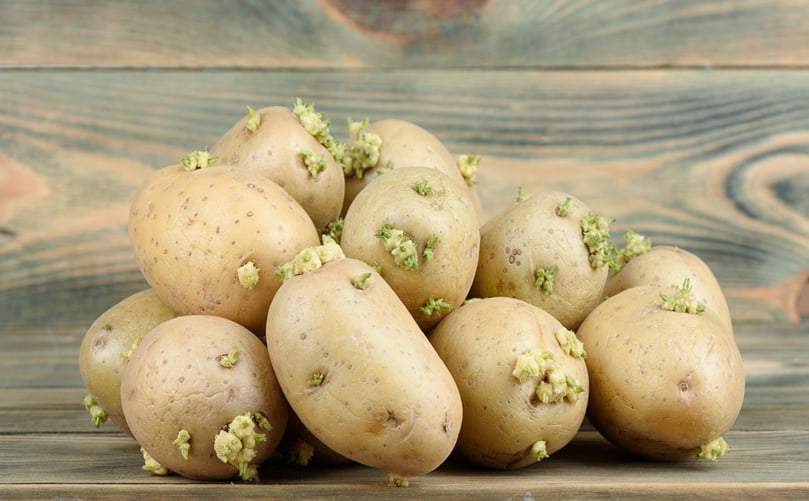
Healthy Seed Potatoes for Vegetative Propagation in Potato Farming
Why Seed Potatoes Are Critical for High Yield and Sustainable Potato Production
Certified or high-quality seed potatoes provide significant agronomic and economic advantages that generally outweigh their higher initial cost. The quality of planting material is one of the most critical factors determining the productivity, health and profitability of a potato crop.
One of the most important benefits of certified seed potatoes is higher and more stable yields. Studies and field data reported by the Food and Agriculture Organization show that good quality seed can increase potato yields by 30–50% compared with farm saved tubers. For example, research in the Peruvian highlands has shown that farmers using certified seed achieved around 64% higher yields, while improvements of 15–30% have been widely documented across Asia and Africa. Uniform emergence and vigorous plant growth also allow more efficient use of water, fertilizers and farm mechanization, further improving productivity.
Another critical advantage is genetic purity and varietal uniformity. Seed potatoes preserve the exact characteristics of improved varieties including yield potential, disease resistance, dry matter content and processing quality. This uniformity is essential for maintaining consistent market standards, especially for processing industries. In India, varieties such as Kufri Chipsona are specifically developed for chips and processing, where consistent tuber quality and dry matter content are crucial.
Certified seed potatoes also play a vital role in reducing disease transmission. When farmers repeatedly plant farm saved tubers, viruses and pathogens gradually accumulate in the seed stock, a process known as seed degeneration. Common viral diseases such as Potato Virus Y, Potato Virus X and Potato Leafroll Virus can significantly reduce yield and tuber quality. Certified seed is produced under strict quality control and begins the production cycle with minimal pathogen load, thereby breaking the infection cycle and reducing the need for costly pesticide or fungicide applications. In many developing regions, informal seed systems can lead to 20–50% yield losses within three to four planting cycles, whereas certified seed helps maintain crop health and productivity.
Quality seed potatoes also form the foundation of sustainable potato farming systems. Healthy planting material reduces production risks, lowers pesticide requirements by minimizing vector populations such as aphids and improves the storage quality of harvested tubers. It also supports the adoption of climate resilient and disease resistant varieties. In India, only about 10–30% of potato planting material is certified, while the total requirement for full seed replacement is estimated at around 5.4 million tonnes annually. Expanding access to certified seed is therefore considered a national priority for increasing productivity, strengthening the processing sector and improving export potential.
From an economic perspective the return on investment is highly favorable. Although certified seed potatoes may cost two to three times more than farm saved tubers, the resulting increases in yield and quality often lead to two to four times higher net profit per hectare. In regions such as Mysuru and other parts of Karnataka, where potato cultivation has sometimes been constrained by poor seed quality and disease pressures, access to certified seed remains one of the most effective ways to improve productivity, restore farmer confidence and increase agricultural income.
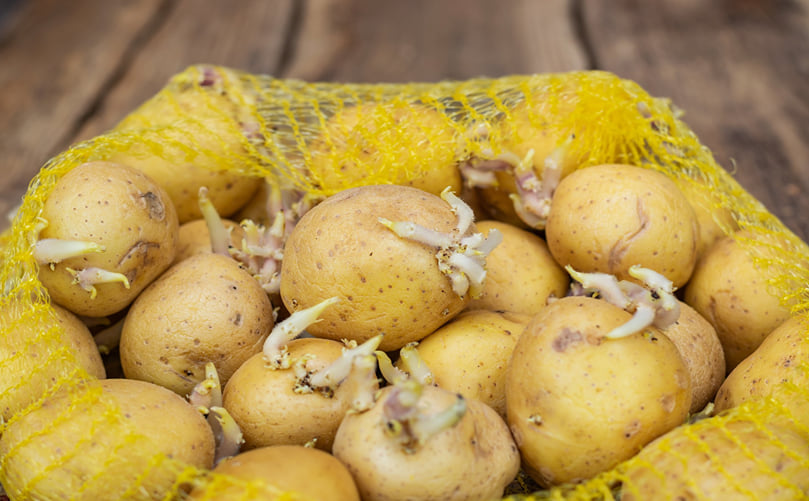
Quality Seed Potatoes: The Foundation of High Yield Potato Farming
Major Types of Seed Potatoes and Modern Propagation Systems
Potato seed systems are generally classified based on origin, level of quality control and propagation method. A well-structured seed system ensures that farmers receive planting material with high genetic purity, strong vigor and minimal disease contamination. Globally, the most common types include certified seed potatoes, farm saved seed potatoes, true potato seed (TPS), structured seed classes used in formal multiplication systems and modern propagation methods such as aeroponics and apical rooted cuttings (ARC).
Certified Seed Potatoes: Certified seed potatoes are planting tubers that have been officially inspected and approved by authorized seed certification agencies. These programs operate in many potato producing regions worldwide including Europe, North America and Asia. The certification process involves multiple field inspections, removal of off-type plants (rogueing) and laboratory testing for major pathogens.
Advanced diagnostic methods such as ELISA and PCR are commonly used to detect viral infections. Certification standards are strict, often allowing very low virus infection levels (frequently below 0.5%) to ensure crop health. Certified seed potatoes are multiplied only for a **limited number of generations typically four to six **to prevent seed degeneration caused by disease buildup. Because of their high health status and genetic purity, certified seed potatoes are widely considered the standard planting material for commercial potato farming worldwide.
Farm Saved Seed Potatoes: Farm saved seed potatoes refer to tubers retained by farmers from their own harvest or sourced through informal local markets. This approach is widely practiced because it reduces input costs, but it also carries a higher risk of disease accumulation.
Without systematic inspection or testing, pathogens gradually build up in the seed stock over successive cropping cycles. This process, commonly called seed degeneration, reduces plant vigor, increases disease incidence and ultimately lowers yield and tuber quality. In many developing regions, a large proportion of potato production still relies on farm saved seed. However, experts generally recommend replacing farm saved seed with certified seed every one to three generations to maintain productivity.
True Potato Seed (TPS): True Potato Seed (TPS) refers to the botanical seeds produced through sexual reproduction in potato plants. These seeds develop inside small green fruits known as berries with each berry containing hundreds of tiny seeds.
TPS offers several advantages compared with tuber seed. Because tuber borne pathogens are typically not transmitted through botanical seed, TPS begins the crop cycle largely free from many major diseases. In addition, the quantity of seed required is extremely small about 150–200 grams per hectare, compared with 2–3 tonnes of seed tubers normally used in conventional planting systems. This makes TPS easier to transport, store and distribute, particularly in regions where cold storage facilities are limited.
Recent advances in hybrid breeding have produced improved TPS varieties such as Clancy, which offer better uniformity and higher yield potential. However, TPS cultivation requires nursery production of seedlings before transplanting to the field and crop establishment can take longer than with traditional seed tubers.
Pre-basic, Basic and Foundation Seed Classes: Most formal seed systems use a structured multiplication hierarchy to maintain seed quality across generations. The process begins with highly controlled plant material and gradually expands production while maintaining strict health standards.
The first stage is pre-basic or nuclear seed, typically produced from virus free plantlets generated through tissue culture. These plants are maintained in protected environments and tested thoroughly for pathogens.
The next stage is basic seed, produced through the first field multiplication of pre-basic material under close supervision. After this comes foundation seed, which is multiplied further under regulated conditions and supplied to certified seed producers. Finally, certified seed is produced and distributed to farmers for commercial planting.
This hierarchical approach ensures that the seed potatoes used by farmers remain only a few generations removed from the original disease-free stock, helping maintain productivity and genetic purity.
Integrated Global Seed System: Together, these seed types and propagation technologies form a comprehensive global potato seed ecosystem. Tissue culture, aeroponics and ARC provide disease free starting material, while the structured multiplication system expands production into foundation and certified seed for farmers.
By combining traditional seed classes with modern propagation technologies, the global potato industry ensures the availability of high-quality planting material, improved crop productivity and sustainable potato production across diverse growing regions.
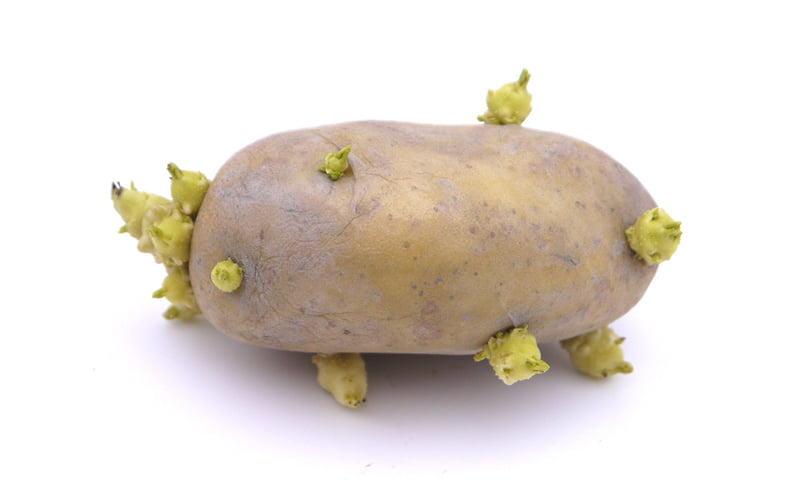
Seed Potatoes Used as Planting Material in Potato Production
Essential Characteristics of High-Quality Seed Potatoes for Successful Crop Production
High-quality seed potatoes must meet strict biological, physical and physiological standards to ensure healthy crop establishment, uniform plant stands and high yields. Because potatoes are propagated vegetatively through tubers, the health and vigor of the seed material directly determine the performance of the entire crop. International guidelines, including those from the Food and Agriculture Organization, emphasize that biological quality is the most critical requirement in seed potato production.
One of the most important characteristics is freedom from diseases and pathogens. Seed tubers must be essentially free from major viral, bacterial and fungal infections. Viral diseases such as Potato Virus Y, Potato Virus X and Potato Leafroll Virus are particularly damaging because they accumulate over successive generations of vegetative propagation. Fungal diseases such as Late Blight and dry rot, as well as bacterial diseases like Brown Rot of Potato, can also severely affect crop performance. Even low levels of infection can progressively build up in seed stocks and may reduce yields by 30–50% when poor quality seed is reused repeatedly.
Another essential factor is the physiological age of the seed tuber. Physiologically young seed potatoes generally emerge slightly more slowly but maintain vigor for a longer period leading to stronger plant growth and higher final yields. In contrast, physiologically aged tubers often resulting from stress, high temperatures or prolonged warm storage tend to sprout quickly but senesce earlier. This results in weaker plant uneven crop stands and lower yields. Ideally, good seed potatoes should be firm, turgid and free from dehydration, with short, sturdy sprouts or no visible sprouting at the time of planting. Long, weak sprouts or signs of secondary growth usually indicate poor seed quality.
The physical condition of the tubers is also an important quality parameter. Seed potatoes should be clean, firm and free from cuts, bruises, cracks and insect damage. Minor greening caused by light exposure may occur during storage and is generally acceptable for seed, provided it is not excessive. Excessive greening can lead to the accumulation of solanine, although this concern is primarily relevant for consumption rather than planting.
Uniform size and weight are also critical for achieving consistent plant populations and balanced crop development. Globally, many agronomic recommendations suggest seed tubers weighing approximately 40–50 grams, which provides a good balance between planting cost and emergence vigor. Certification standards in several countries also define acceptable size ranges to ensure uniform crop establishment. Another important requirement is varietal purity. Seed potatoes must maintain the true characteristics of the variety including tuber shape, skin color, eye depth and growth habit. Certification systems typically allow only a very small proportion of off-type plants or tubers. Maintaining varietal purity is especially important for processing and commercial markets where uniform quality is essential.
Seed potatoes must also meet specific health tolerance levels for diseases and defects. Certification standards generally limit the presence of fungal diseases such as black scurf or common scab to low percentages, while bacterial diseases like brown rot are often subject to extremely strict or zero tolerance in many seed programs. Virus incidence is also tightly regulated through field inspections and laboratory diagnostics.
Finally, strong sprouting ability and physiological vigor are crucial indicators of good seed quality. High vigor seed produces uniform emergence, strong early plant growth and consistent tuber formation, which ultimately leads to better yields and improved crop quality.
In practice, selecting firm, healthy, uniformly sized tubers with no visible disease or damage is one of the most important decisions a potato grower can make. Certified seed potatoes that meet these standards often verified through laboratory testing methods such as ELISA or PCR consistently outperform farm saved seed and can improve yield and tuber quality by 15–30% or more under typical farming conditions.
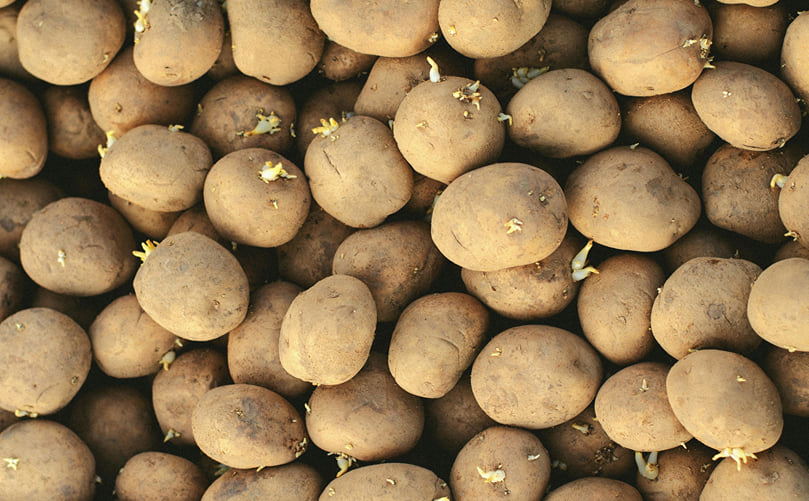
Healthy and Uniform Seed Potatoes for Successful Crop Establishment
Seed Potato Production Process: From Disease Free Stock to Certified Seed
Seed potato production follows a structured, multi-stage multiplication system designed to maintain genetic purity, health and vigor. Because potatoes are propagated vegetatively, pathogens can accumulate rapidly if seed quality is not carefully controlled. To prevent this, formal seed systems begin with disease free plant material and limit the number of field generations during multiplication.
In many countries, research institutions and seed agencies oversee the early stages of this process. In India, for example, the system is largely coordinated by the ICAR-Central Potato Research Institute under the broader framework of the Indian Council of Agricultural Research. Similar structured seed multiplication programs also exist in Europe, North America and other potato producing regions.
Nucleus or Pre-Basic Seed Production: The seed production chain begins with nucleus or pre-basic seed, which represents the highest level of genetic and phytosanitary purity. This material is produced in laboratories using tissue culture techniques such as meristem culture, often combined with thermotherapy or chemotherapy to eliminate viruses.
The resulting plantlets or microtubers are maintained under controlled conditions and thoroughly tested for pathogens. Advanced diagnostic tools such as ELISA, ISEM and PCR are used to ensure that the material is completely free from major potato viruses and other diseases. This stage forms the foundation of the entire seed production system.
Breeder Seed Production: The next stage involves the production of breeder seed, which is typically carried out by research institutions or specialized seed farms. Virus free nucleus stock is multiplied under carefully controlled field or protected cultivation conditions.
At this stage, strict agronomic practices are followed to maintain varietal purity and plant health. Only true-to-type plants are retained, while off-types and diseased plants are removed through a process known as rogueing. Breeder seed represents the initial large-scale multiplication of the original disease-free stock.
Foundation Seed Multiplication: Breeder seed is then supplied to government agencies, seed corporations or registered growers for the production of foundation seed. This stage usually involves one or two generations of multiplication under close supervision.
Foundation seed fields undergo multiple inspections to ensure compliance with certification standards. Any plants showing symptoms of viral infection, disease or varietal impurity are removed. Maintaining high health standards at this stage is critical because foundation seed serves as the primary source for certified seed production.
Certified Seed Production: The final stage in the formal system is certified seed production, which is carried out by trained and registered seed growers. Foundation seed is multiplied for several additional generations under monitored conditions to produce the seed that will eventually be sold to commercial farmers.
Certification agencies conduct regular field inspections to verify varietal purity, crop health and compliance with quality standards. Only seed lots meeting the required tolerance limits for diseases, off-types and physical defects are approved and labeled as certified seed.
Field Management and Inspection: During the field phase of seed multiplication, strict agronomic and phytosanitary practices are followed. Seed crops are planted in isolated fields to prevent cross contamination with other potato varieties. In many certification programs, a minimum isolation distance of about 5 meters is maintained between different varieties.
Fields are inspected multiple times during the growing season. Inspections generally occur during early vegetative growth, mid-growth stages, after haulm cutting and shortly before harvest. Diseased plants and off types are removed promptly to maintain crop purity. Haulm destruction is often scheduled to limit the spread of aphid transmitted viruses.
Harvesting, Grading and Certification: At harvest, tubers are graded according to size and quality standards suitable for seed. After harvesting, the tubers undergo curing, a process that allows minor wounds to heal and improves storage stability. Samples from each lot may be tested again for viral infections and other diseases.
Only seed lots that meet certification tolerance levels for virus incidence, disease presence and varietal purity receive official approval and tagging. This labeling system ensures traceability and quality assurance throughout the seed supply chain.
High-Tech Seed Multiplication Methods: Modern seed production systems increasingly incorporate high tech propagation technologies to accelerate multiplication rates and maintain seed health. One widely adopted technique is aeroponic mini-tuber production, where tissue culture plantlets are grown in controlled environments with their roots suspended in air and sprayed with nutrient solutions. Aeroponic systems can produce dozens of mini-tubers per plant, significantly increasing multiplication efficiency compared with conventional soil-based methods.
Another emerging approach is Apical Rooted Cuttings (ARC), where the growing tips of tissue culture plants are cut and rooted to produce new plants for seed production. ARC allows rapid multiplication of disease-free planting material and reduces dependence on bulky seed tubers.
Ensuring Quality and Traceability: The complete seed potato production chain from nucleus stock to certified seed can span several years and multiple generations. This structured approach ensures that the seed potatoes supplied to farmers remain closely derived from the original disease-free material, thereby maintaining crop health, productivity and varietal integrity.
Through careful inspection, controlled multiplication and modern propagation technologies, the seed potato production process provides growers with reliable, high quality planting material that forms the foundation of profitable and sustainable potato farming worldwide.
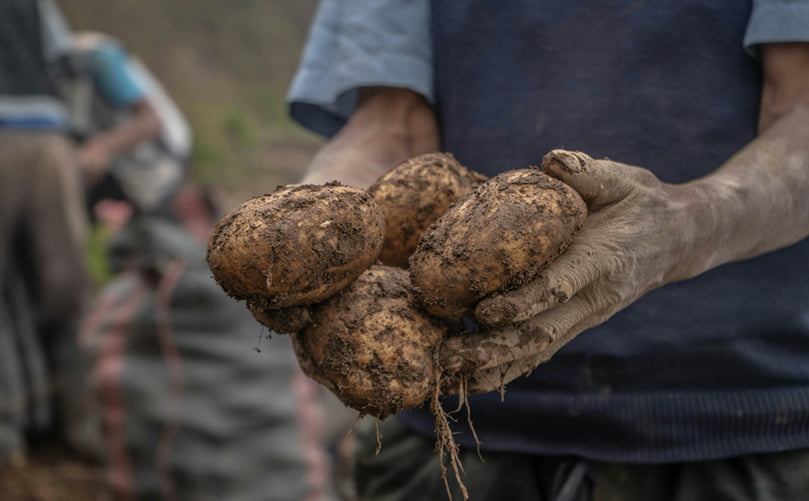
Seed Potato Tubers Produced Through the Certified Seed Production System
Methods of Potato Propagation: Traditional and Modern Approaches
Potatoes are primarily propagated clonally meaning new plants are produced from vegetative plant parts rather than botanical seeds. This ensures that the new crop retains the exact genetic traits of the parent variety. However, modern propagation technologies have significantly improved the speed, health and scale of seed potato production, enabling the rapid multiplication of disease-free planting material.
Traditional Vegetative Propagation (Tuber-Based): The most widely used method of potato propagation is planting whole or cut seed tubers. In this traditional system, selected seed potatoes are planted directly in the field, where each tuber develops into a new plant that produces additional tubers.
While this method is simple and widely practiced it has limitations. The multiplication rate is relatively low usually around five to six tubers per generation and repeated use of farm-saved tubers can lead to seed degeneration due to the gradual buildup of pathogens such as Potato Virus Y and Potato Leafroll Virus. For this reason, certified seed tubers are recommended to maintain crop productivity and health.
Micropropagation and Tissue Culture: Micropropagation through tissue culture is considered the foundation of modern seed potato systems. In this technique, virus free meristem tissue is cultured under sterile laboratory conditions to produce disease free plantlets.
The explants are typically grown on Murashige and Skoog (MS) medium supplemented with sucrose and essential nutrients under controlled environmental conditions, usually around 20 ± 2 °C with a 16-hour light cycle. Single node cuttings from these plantlets can be multiplied repeatedly, producing tens of thousands of microplants from a single initial explant within several months.
Tissue culture ensures that the starting material is completely free from viruses and other pathogens making it the preferred method for producing nucleus or pre-basic seed in modern seed systems. Micro tubers can also be induced in vitro and later used for further multiplication.
Mini-Tuber Production: Micro plants produced through tissue culture are often transplanted into protected environments such as greenhouses or insect proof net houses to produce mini-tubers. These small, uniform tubers serve as early generation seed material for subsequent field multiplication.
Mini-tuber production provides a reliable bridge between laboratory propagation and field-based seed production. The resulting seed stock is typically multiplied in one or two additional field generations before reaching certified seed stage.
Aeroponic Seed Production: One of the most innovative technologies in seed potato production is aeroponic propagation. In this system, tissue-culture plantlets are grown in enclosed chambers with their roots suspended in air while being periodically misted with a nutrient solution.
This method allows precise control of nutrients, oxygen and moisture while minimizing disease risks. Aeroponic systems can produce 40–50 mini-tubers per plant, which is significantly higher than conventional greenhouse systems. The technology also requires substantially less water and provides highly uniform, disease-free planting material. Because of its efficiency, aeroponic production has been widely adopted by research institutes and commercial seed producers.
Apical Rooted Cuttings (ARC): Another rapidly expanding technique is Apical Rooted Cuttings (ARC). In this method, the growing tips of tissue-culture plants are periodically cut and rooted to generate new plants.
Each mother plant can produce multiple cuttings at regular intervals, typically every 7–10 days, allowing rapid multiplication of elite planting material. These rooted cuttings are transplanted into growing systems where they quickly form tubers. ARC systems can achieve multiplication rates exceeding forty times the original plant material making them highly efficient for scaling up seed production.
True Potato Seed (TPS): Although potatoes are usually propagated vegetatively, they can also be grown from True Potato Seed (TPS), which is produced through sexual reproduction in potato berries. TPS offers several advantages, including a **very small seed requirement approximately 150–200 grams per hectare and a long storage life.
Because tuber borne diseases are not transmitted through botanical seeds, TPS begins the production cycle with relatively clean planting material. Modern hybrid TPS varieties, such as Clancy help reduce variability and improve yield stability. TPS is particularly useful in breeding programs and in regions where transporting bulky seed tubers or maintaining cold storage is difficult.
Advancements in Modern Seed Systems: The integration of tissue culture, aeroponics and ARC technologies has significantly transformed modern seed potato production systems. These innovations allow faster multiplication of clean planting material and reduce the number of generations required to produce certified seed. In many modern systems, the traditional multiplication cycle can be shortened substantially while maintaining high phytosanitary standards.
Together, these propagation methods ensure a reliable supply of high quality, disease-free seed potatoes, which is essential for sustaining productivity and profitability in potato farming worldwide.
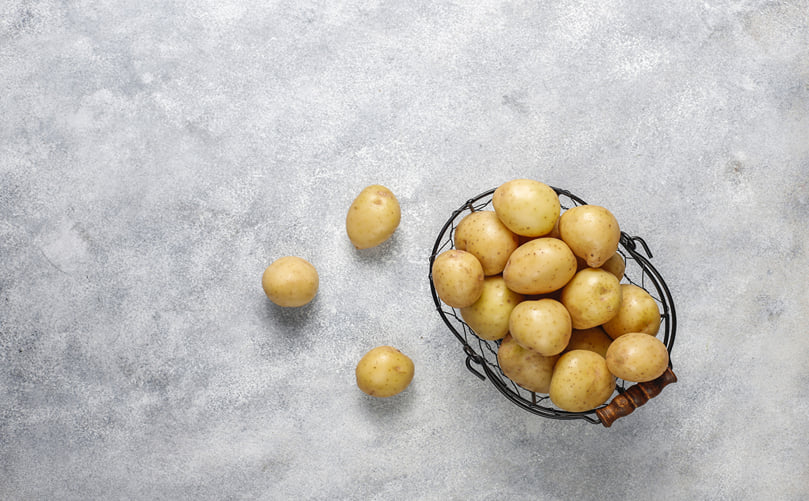
Seed Potatoes Produced Through Vegetative Propagation
Best Practices for Seed Potato Storage and Handling
Proper storage and handling are essential to maintain the physiological vigor, health and viability of seed potatoes. Well managed storage prevents premature sprouting, greening, dehydration and disease development, allowing seed tubers to remain viable for six to nine months before planting. Maintaining stable environmental conditions and good ventilation is critical to preserving seed quality throughout the storage period.
Curing After Harvest: Immediately after harvest, seed potatoes should undergo a curing process to heal wounds and reduce the risk of storage diseases. During curing, tubers are typically kept at temperatures of 10–15°C with relative humidity of 90–95% and good air circulation for about two to three weeks. This environment allows the outer skin to harden through a process called suberization, which seals small cuts or bruises and protects the tubers from pathogens such as Fusarium and bacterial soft rot.
Cold Storage: Cold storage is the most widely used method for preserving certified seed potatoes. In this system, tubers are stored at temperatures of approximately 2–4°C with relative humidity maintained between 85–95%. For short-term storage, temperatures of around 4–5°C may also be used.
Cooling should be done gradually to avoid condensation and physiological stress in the tubers. A slow reduction in temperature helps prevent moisture buildup that can lead to rotting. High humidity is maintained to minimize weight loss and dehydration, while controlled ventilation ensures that heat and moisture do not accumulate in storage piles. Light exposure should be avoided because it causes greening and the formation of solanine, which indicates physiological stress in the tubers.
Diffused Light Storage (DLS): For farmers without access to refrigeration, Diffused Light Storage (DLS) offers a practical alternative. This system uses indirect natural light combined with good ventilation to store seed potatoes under ambient conditions.
In DLS structures, tubers are placed in shallow layers generally not exceeding about 7–8 cm in depth on shelves or trays. The storage building typically has translucent roofing or walls that allow diffused sunlight to enter while protecting the tubers from direct exposure. Proper ventilation helps regulate temperature and humidity.
Diffused light storage encourages the formation of short, strong, green sprouts, which are less likely to break during handling and promote better field emergence. The system is relatively inexpensive and can be constructed using locally available materials making it widely recommended in many tropical and subtropical regions.
General Handling Practices: Careful handling during storage and transport is essential to maintain seed quality. Tubers should be stacked or stored in a way that allows adequate airflow, such as using pallets or ventilated crates. Excessive pressure or deep piling should be avoided because it can cause bruising and restrict ventilation.
Temperature fluctuations should also be minimized because sudden changes can lead to condensation on tubers increasing the risk of rot. Regular inspection of stored seed is important to detect early signs of pests, diseases or storage disorders so that affected tubers can be removed promptly.
Pre-Planting Preparation: Before planting, seed potatoes are often gradually warmed to around 10–12°C for two to three weeks. This step helps break dormancy and promotes uniform sprouting, which leads to more consistent crop establishment in the field.
Importance of Proper Storage: Maintaining appropriate storage conditions ensures that seed potatoes remain physiologically young, healthy and vigorous until planting time. When handled correctly, well stored seed potatoes produce uniform emergence, stronger early growth and significantly improved yields compared with poorly stored seed.
Diseases and Pests Affecting Seed Potatoes and Their Management
Potato seed production and cultivation are highly vulnerable to diseases and pests because potatoes are propagated vegetatively through tubers. This means that pathogens present in the planting material can be carried forward from one generation to the next, gradually accumulating in a process known as seed degeneration. When infected or low-quality seed is used repeatedly, crop performance declines significantly. In many potato growing regions of the world, poor seed quality can lead to yield losses of 20–50% or more. Using certified, disease-free seed potatoes is therefore one of the most effective strategies for maintaining crop health and productivity, as such seed is produced under strict testing and inspection protocols to minimize pathogen presence.
Major Diseases: One of the most destructive diseases of potato worldwide is Late blight caused by the pathogen Phytophthora infestans. The disease is characterized by water-soaked lesions on leaves that quickly turn dark brown or black, often accompanied by white fungal growth on the underside of leaves. Under cool and humid conditions, the disease spreads rapidly and can destroy an entire crop within a short period. Infected tubers may also rot in the field or during storage leading to severe economic losses.
Another important foliar disease is Early blight, caused by Alternaria solani. It typically appears as circular spots with concentric rings on older leaves, giving a “target spot” appearance. Severe infections reduce photosynthetic activity and can lower yields substantially if not managed properly.
Viral diseases also pose a serious threat to potato production. Important examples include Potato virus Y (PVY), Potato virus X (PVX) and Potato leafroll virus (PLRV). These viruses cause symptoms such as mosaic patterns on leaves, curling, stunting and reduced tuber development. Because viruses are transmitted through infected tubers and insect vectors, their effects accumulate over successive planting cycles when uncertified seed is used, often leading to major yield declines.
Bacterial diseases can also be highly destructive. Bacterial wilt, caused by Ralstonia solanacearum, leads to sudden wilting of plants and internal browning of the vascular tissues. Infected tubers often show bacterial ooze and rot. Due to its severe impact and ease of spread through seed tubers, seed certification systems typically maintain zero or extremely low tolerance for this pathogen.
Additional diseases that commonly affect potatoes include dry rot caused by Fusarium species, black scurf caused by Rhizoctonia solan, and common scab, which damages tuber surfaces and reduces market quality.
Major Pests: Several insect pests and soil organisms also threaten potato crops and seed quality. The Potato tuber moth (Phthorimaea operculella) is a major pest in both field and storage conditions. Its larvae bore into tubers, creating tunnels that reduce seed quality and increase susceptibility to secondary infections.
Aphids, particularly Green peach aphid (Myzus persicae) are among the most important insect pests in seed potato production. Although their direct feeding damage is limited, they play a critical role as vectors transmitting potato viruses from plant to plant, making them a major driver of seed degeneration.
Soil pests such as Potato cyst nematodes and root knot nematodes can also reduce plant vigor and tuber yield. In addition, insects such as cutworms and white grubs may damage developing tubers or underground plant parts in certain production regions.
Integrated Management and the Role of Certified Seed: Effective management of potato diseases and pests relies on an integrated approach that combines several preventive and control measures. The use of certified seed potatoes is the most important step because it ensures that planting material is produced from pathogen tested stock. Crop rotation, removal of infected plants (rogueing), proper field sanitation and balanced fertilization all contribute to healthier crops and reduced disease pressure.
Timely destruction of potato foliage before harvest can help reduce the spread of aphid-transmitted viruses, while appropriate fungicide and insecticide applications may be used when necessary. Avoiding the use of visibly diseased tubers or market potatoes as planting material is essential, as these can introduce pathogens directly into the field.
By combining certified seed with sound agronomic practices and integrated pest management strategies, growers can significantly reduce the risk of disease buildup, maintain healthy crops and achieve more stable yields over time.
Global Importance and Regional Relevance of Seed Potatoes
Potatoes are grown in more than 150 countries and rank as the third most important food crop in the world, after rice and wheat. Global potato production has continued to expand in recent years, reaching close to 400 million tonnes annually. The largest producer is China, with production exceeding 95–100 million tonnes, followed by India, which produces roughly 56–60 million tonnes each year. These two countries together account for a substantial share of global potato output and consumption.
Major Seed Potato Producers and Exporters: The international seed potato trade is highly specialized and dominated by a few countries with advanced certification systems and strict phytosanitary standards. The global leader is the Netherlands, which accounts for over half of the global seed potato export value, exporting hundreds of millions of dollars’ worth of certified seed each year. The country has built a reputation for highly efficient seed systems, strict disease control and advanced breeding programs.
Other major exporters include France, Germany, United Kingdom, Canada, Egypt, Denmark, Belgium and the United States. Many of these exporters are located in Europe, where well established certification systems, cool climates and advanced storage infrastructure support large scale production of high-quality seed potatoes. European Union countries continue to expand seed potato acreage in response to increasing global demand.
Although India is the world’s second largest potato producer, it plays a relatively small role in the international seed potato trade. Most seed potatoes used in the country are produced through domestic multiplication systems and a significant gap still exists between certified seed supply and total demand.
Genetic Diversity and Origin: The potato crop originated in the Andes region of South America and Peru remains an important center of genetic diversity for potato species. Hundreds of native potato varieties and wild relatives are preserved in the region, providing valuable genetic resources for breeding programs focused on disease resistance, climate resilience and improved nutritional quality.
Role in Food Security and Agricultural Development: High quality seed potatoes play a critical role in improving productivity, crop uniformity and disease resistance. Because potatoes are propagated vegetatively, the quality of planting material has a direct impact on crop performance. Access to healthy, certified seed can significantly increase yields and improve tuber quality.
In many countries including India, potatoes are a major source of nutrition and income for millions of smallholder farmers. The crop is also increasingly important for the food processing industry, particularly for products such as frozen fries, chips and dehydrated potato products. While only a relatively small share of potato production is processed in some developing regions, the processing sector is expanding rapidly, creating new market opportunities for growers and exporters.
At the global level, reliable seed potato systems support food security, trade and agricultural development. Improved seed quality enables farmers to produce higher yields using fewer inputs, making the crop more resilient and economically sustainable in diverse production environments.
Global Economics and Market Dynamics of Seed Potatoes
The global seed potato industry represents a significant segment of the broader potato economy, supporting both agricultural production and large food-processing industries. In recent market analyses, the global seed potato market has been valued at roughly USD 17–18 billion in the mid-2020s, with projections indicating growth to about USD 23–24 billion by the mid-2030s, reflecting a compound annual growth rate of approximately 3–4%. Some estimates use narrower definitions of certified seed markets and therefore report slightly lower baseline values, but all forecasts indicate steady expansion driven by rising potato demand worldwide.
The global potato commodity market, which includes fresh consumption and processed products, is significantly larger. It is valued at roughly USD 120 billion annually with projections suggesting growth toward $145–150 billion by the early 2030s. Much of this expansion is driven by the rapid growth of the potato processing sector, particularly frozen fries, chips and dehydrated potato products.
Cost and Return on Investment: Certified seed potatoes are one of the most expensive inputs in potato production. In many farming systems, certified seed may cost two to three times more than farm saved seed tubers. Despite this higher initial investment, certified seed generally provides a strong return because of its superior genetic purity, health status and uniformity.
Research and commercial farming experience show that high quality seed can increase yields by 15–50%, depending on the production system and disease pressure. Additional economic benefits include more uniform crop establishment, reduced disease spread and improved tuber quality. These advantages allow farmers to achieve better market prices, particularly when producing potatoes for processing industries or export markets.
Although seed potatoes may represent a large share of total input costs, the economic return often justifies the investment. Higher productivity, lower pesticide use, reduced storage losses and slower seed degeneration frequently result in two to four times higher net profitability compared with repeated use of farm saved seed.
Structure of the Global Seed Potato Supply Chain: The seed potato supply chain in leading producing countries is highly structured and carefully regulated. Production typically begins with pathogen free starting material developed through tissue culture and maintained as nucleus stock. This material is multiplied through several controlled generations in specialized facilities such as greenhouses, insect proof fields and increasingly through high tech systems such as aeroponic minituber production.
After multiplication, seed potatoes undergo grading, curing, disease testing and certification before entering distribution channels. Cold storage and controlled logistics systems are essential to maintain seed quality during transport and storage. This structured supply chain ensures that certified seed reaching farmers meets strict standards for varietal purity and plant health.
International Trade and Leading Exporters: International trade in seed potatoes is dominated by a few specialized exporting countries. The Netherlands is the world’s leading exporter of certified seed potatoes and supplies planting material to dozens of countries. Other major exporters include France, Germany, Canada and the United States. European producers collectively account for a large share of global seed exports due to advanced breeding programs, strict certification systems and well-developed cold chain infrastructure.
Market Demand and Growth Regions: Demand for high quality seed potatoes is strongest in regions where the potato processing industry is expanding rapidly. Processing oriented varieties used for frozen fries and potato chips require highly uniform tubers with specific physical and chemical properties, which depend on reliable seed systems.
Emerging markets in Africa, the Middle East and parts of Asia are also increasing demand for certified seed potatoes as governments and agricultural programs promote improved seed systems to boost productivity and food security.
Economic Importance of Quality Seed: Overall, quality seed potatoes form the foundation of the global potato economy. Reliable seed systems not only improve farm productivity but also support large value-added industries such as frozen potato products, which generate billions of dollars annually in international trade. By improving yields, stabilizing production and enabling access to high value markets, certified seed potatoes play a central role in ensuring the long-term economic sustainability of potato production worldwide.
Global Varietal Considerations in Potato Production
Variety selection in potato cultivation worldwide is guided by several important factors including end use requirements, climate conditions, soil characteristics and resistance to diseases and pests. Because potatoes are grown across a wide range of environments and serve diverse markets, selecting the appropriate variety is essential for achieving high productivity, consistent quality and economic profitability.
Varieties for Fresh and Table Markets: Potato varieties grown for fresh consumption or table markets are typically selected for high yield, attractive appearance, good taste and strong storage performance. These varieties often produce round to oval tubers with smooth skin and shallow eyes, which are preferred by consumers and retail markets. Skin and flesh color can also influence consumer preference in different regions. In addition to visual appeal, good cooking quality and adaptability to different soil conditions are important traits for fresh market varieties.
Varieties for Processing Industries: Potatoes destined for processing industries require specific physical and chemical characteristics. Varieties used for French fries generally produce long, uniform tubers with high dry matter content (usually above 20%) and low reducing sugar levels, which ensures desirable texture and color after frying. Chip processing varieties, on the other hand are typically round or oval with high specific gravity and minimal sugar accumulation, allowing consistent slicing and uniform frying quality. These specialized traits make processing varieties essential for large scale industrial production of chips, fries and other potato-based products.
Climate Adaptation: Adaptation to climate is a major consideration in global potato breeding and variety selection. In temperate regions such as parts of Europe and North America, varieties are often bred for tolerance to cooler temperatures and resistance to major diseases such as Late blight. In contrast, production areas with warmer or subtropical climates require varieties that can tolerate higher temperatures, drought stress and shorter growing seasons. Early or medium maturing varieties are commonly preferred in these environments to ensure that the crop completes its growth cycle before extreme heat or water stress occurs.
Soil Adaptability and Resistance Traits: Successful potato varieties must also perform well across a range of soil types from light sandy soils to heavier clay-based soils. Modern breeding programs increasingly prioritize resistance to major pests and diseases including viruses, nematodes and insect pests such as the Colorado potato beetle. Improved resistance reduces the need for chemical control and supports more sustainable production systems.
Advances in Potato Breeding: Recent developments in potato breeding have introduced new approaches aimed at improving productivity and resilience. Hybrid breeding systems using diploid parent lines and true potato seed (TPS) are gaining attention because they allow faster breeding cycles and the combination of multiple resistance traits in a single variety. These technologies also offer opportunities to improve seed distribution systems, particularly in regions where traditional tuber-based seed systems face logistical challenges.
The genetic diversity of potatoes originates from the Andes region of Peru and neighboring countries, where hundreds of traditional landraces are still cultivated. These native varieties provide valuable genetic resources for traits such as stress tolerance, nutritional quality and resistance to diseases. Modern breeding programs in Europe and North America have incorporated this diversity to develop improved commercial varieties used in global markets.
Matching Varieties to Production Systems: Different production systems require different types of potato varieties. Large scale processing companies typically rely on highly specialized varieties designed specifically for industrial uses such as chips or frozen fries. Fresh markets often prefer versatile table varieties that combine good eating quality with reliable yields. In organic or low input farming systems, growers tend to choose robust, disease resistant cultivars that can perform well with minimal chemical inputs.
Future Direction of Variety Development: As climate variability increases and global demand for potatoes continues to grow, breeding programs are increasingly focused on climate resilient varieties that tolerate drought, heat and emerging diseases. These improvements are essential for maintaining stable production in both commercial farming operations and smallholder systems. By combining genetic diversity, modern breeding technologies and improved seed systems, the development of better potato varieties will continue to support global food security and sustainable agricultural production.
Global Challenges Facing Seed Potato Production and Supply Systems
Seed potato production worldwide faces multiple systemic challenges that affect seed quality, supply chains and farmer profitability. Because potatoes are propagated vegetatively through tubers, maintaining healthy planting material requires strict disease control, specialized infrastructure and stable environmental conditions. Increasing pressures from climate change, market volatility and plant health risks are making seed potato systems more complex across both developed and developing regions.
Climate Change and Environmental Stress: Climate change is widely recognized as one of the most significant threats to potato production systems. Rising temperatures, irregular rainfall patterns, prolonged droughts, heat waves and occasional frost events can disrupt tuber formation and reduce seed quality. Warmer and wetter conditions also favor the spread of major diseases such as Late blight, caused by Phytophthora infestans, which remains one of the most destructive diseases affecting potatoes globally.
Climate variability can also expand the geographic range of insect vectors that transmit viruses. For example, aphid populations including the Green peach aphid can increase rapidly under warmer conditions, accelerating the spread of viral diseases in seed potato crops. These changes require stronger monitoring systems and improved disease resistant varieties.
Market Volatility and Supply Imbalances: The potato sector can experience significant market fluctuations due to changes in production levels and demand. In some years, unusually high yields in major producing regions may lead to oversupply, which can lower farm gate prices and reduce profitability for growers. Excess production is sometimes diverted to lower value uses such as animal feed, starch production or bioenergy processing.
At the same time, rising input costs including fertilizers, energy for cold storage and labor are increasing production expenses in many countries. These factors can significantly reduce profit margins for seed producers, particularly when market prices are unstable.
Plant Health and Phytosanitary Risks: Maintaining disease free planting material remains a central challenge in seed potato systems. Pathogens evolve over time and new strains can overcome existing resistance in commercial varieties. Diseases such as bacterial wilt and viral infections can spread quickly if infected seed enters the multiplication chain.
In many developing regions where formal certification systems are limited, farmers often reuse farm saved seed for several seasons. This practice leads to seed degeneration, where viruses gradually accumulate in the planting material and reduce productivity. Yield losses in such systems can reach 20–50% over successive generations.
Even in advanced seed systems, quality issues such as bruising during harvest, greening caused by light exposure and inconsistent tuber size grading can reduce the proportion of seed potatoes that meet certification standards.
Trade and Regulatory Barriers: International trade in seed potatoes is also affected by strict phytosanitary regulations and varying certification standards between countries. While these regulations are necessary to prevent the spread of plant diseases, differences in regulatory frameworks can create barriers to cross border seed movement.
Tariffs, import restrictions and non-harmonized standards sometimes limit the availability of high-quality seed in regions that depend on imports. In addition, emerging seed exporters and expanding processing industries are increasing competition in global markets, which can create additional pressure on established suppliers.
Infrastructure and Resource Constraints: Seed potato production requires specialized infrastructure such as cold storage facilities, controlled multiplication systems and efficient logistics networks. In many tropical and subtropical regions, limited access to reliable electricity and cold chain infrastructure can reduce seed quality during storage and transport.
Water scarcity, soil degradation and the high capital investment required for advanced seed production technologies such as tissue culture laboratories, greenhouse mini tuber systems and aeroponic facilities also limit expansion in some emerging markets.
Labor and Mechanization Challenges: Labor shortages are becoming increasingly common in many agricultural sectors including seed potato production. Harvesting, grading and storage operations require skilled labor and specialized equipment to maintain tuber quality. At the same time, the adoption of mechanization requires significant investment, which may not be feasible for smaller producers.
Global Implications: Together, these challenges affect the reliability and affordability of high-quality seed potatoes. Since seed quality directly influences crop productivity, disruptions in seed supply can impact food security, agricultural incomes and the stability of potato supply chains worldwide. Strengthening seed certification systems, investing in resilient varieties and improving storage and distribution infrastructure will be essential for ensuring sustainable seed potato production in the future.
Future Innovations and Emerging Technologies in the Global Seed Potato Sector
The global seed potato sector is undergoing rapid transformation as new technologies and production systems emerge to address challenges such as climate change, disease pressure and rising demand for processed potato products. Future developments in the industry are increasingly focused on faster multiplication, improved plant health, climate resilience and digital supply chain management, helping ensure a stable supply of high-quality seed potatoes worldwide.
Rapid multiplication technologies modern seed production systems are shifting toward technologies that enable faster multiplication of disease-free planting material. Among these, aeroponic systems have gained significant attention. In aeroponic production, potato plants are grown with their roots suspended in air while nutrient solutions are periodically misted onto the roots. This system can produce around 40–50 mini tubers per plant, compared with approximately 8–10 tubers in traditional greenhouse or net house systems. Aeroponics also uses significantly less water and allows year-round production under insect proof conditions helping maintain high health standards in seed material.
Other complementary approaches are also expanding in commercial seed systems. Techniques such as sand based hydroponic cultivation, apical rooted cuttings and automated tissue culture propagation allow rapid production of large numbers of clean planting materials. These technologies help shorten seed multiplication cycles and improve the availability of certified seed.
Hybrid true potato seed system is another major innovation in potato breeding is the development of hybrid varieties grown from botanical seed rather than tubers. This technology, known as True Potato Seed (TPS), allows potatoes to be propagated through small, lightweight seeds instead of bulky seed tubers. TPS systems offer several advantages including easier storage and transportation, longer shelf life and lower seed distribution costs.
Companies such as Solynta in the Netherlands are developing diploid hybrid potato varieties that can be produced through TPS systems. These hybrids can combine desirable traits such as improved resistance to diseases, tolerance to drought or heat stress and uniform crop performance. TPS technologies also shorten breeding cycles allowing new varieties to be developed more quickly compared with traditional breeding methods.
Gene Editing and Precision Breeding Advances in biotechnology are accelerating the development of improved potato varieties. Modern breeding techniques including gene editing tools such as CRISPR-Cas9, enable scientists to introduce specific traits with high precision. These techniques are being explored to improve resistance to major diseases like Late blight, enhance drought tolerance and reduce compounds that can affect food quality during processing.
Research institutions such as the International Potato Center are also working on climate resilient potato varieties designed to perform well under challenging environmental conditions. Participatory breeding programs in different regions are helping ensure that new varieties meet the needs of local farmers and production systems.
Digitalization and Supply Chain Innovation Digital technologies are increasingly influencing the seed potato sector. Advanced monitoring systems using sensors and artificial intelligence can help maintain optimal storage conditions, detect disease symptoms early and improve crop management decisions. These technologies can reduce post-harvest losses and improve the consistency of seed quality.
In addition, digital traceability systems based on blockchain and other secure data platforms are being explored to improve transparency and traceability within seed supply chains. Such systems can help verify certification status, track seed movement across borders and support compliance with international phytosanitary standards.
Sustainable Production Systems Sustainability is becoming a major priority in seed potato production. Controlled environment systems such as vertical farming, hydroponics and advanced greenhouse production can reduce land requirements and improve resource efficiency. Precision nutrient management and controlled irrigation systems can significantly reduce fertilizer and water use compared with traditional field-based seed production.
Many governments and private investors are also expanding seed production infrastructure and potato processing capacity in emerging markets, particularly in parts of Africa and Asia. These investments aim to strengthen local seed systems and reduce dependence on imported planting material.
Market Outlook The global seed potato market is expected to continue expanding steadily over the coming decade. Growth is being driven by increasing demand for processed potato products such as frozen fries and chips, as well as the need for improved seed systems in developing agricultural regions. Rising investment in breeding programs, seed infrastructure and advanced propagation technologies will likely play a major role in meeting this demand.
Overall, future trends in the seed potato industry point toward higher productivity, improved disease resistance and more efficient seed distribution systems. By integrating modern breeding technologies, sustainable production methods and digital supply chain innovations, the sector is positioning itself to support global food security and resilient agricultural systems in a changing climate.