

Banana Chips: From Tropical Fruit to Worldwide Snack Staple
Banana chips are thinly sliced bananas that are deep-fried, baked, dried or vacuum-fried to create a crispy, versatile snack enjoyed across the world. Their universal appeal lies in the perfect balance of crunch, subtle natural sweetness, and adaptability to a wide range of seasonings, making them a popular choice for on the go snacking across cultures and continents.
Their worldwide popularity is driven by convenience, portability and their natural fruit base, which aligns well with fast-paced modern lifestyles. Over time, banana chips have evolved into a perceived healthier alternative to conventional fried snacks, especially when produced using baking or vacuum-frying methods. Consumers value the familiar crunch combined with nutritional benefits such as natural sugars and essential minerals, creating a sense of indulgence without excessive guilt.
Within the global healthy snacking market, banana chips play a significant role in meeting the rising demand for fruit-based snacks. They support the broader shift toward plant-derived, nutrient-dense options, as the sector increasingly emphasizes minimally processed, whole-food products that integrate seamlessly into wellness focused routines. This positions banana chips as a bridge between traditional comfort snacks and modern dietary preferences, appealing to a wide and diverse consumer base.
Compared to other fruit chips such as apple or mango, banana chips stand out due to the fruits higher starch content, which results in a firmer and crispier texture. This structural advantage allows bananas to be fried or dried without becoming overly chewy. While apple chips typically retain a light, tart, dehydrated texture, banana chips offer a milder, more neutral flavor profile that readily absorbs seasonings, making them highly versatile for both sweet and savory applications.
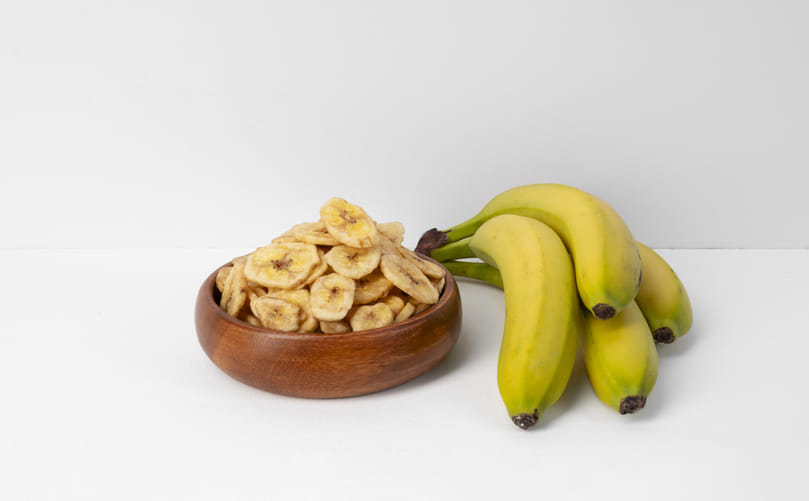
Banana Chips: Bridging Traditional Flavors and Global Lifestyles
Historical Evolution of Banana Chips in World Cuisines
The origins of banana chips can be traced to tropical regions where bananas have been cultivated for millennia, particularly in Southeast Asia and Papua New Guinea. Initially developed as a practical method to preserve surplus harvests, early preparations relied on simple sun drying or frying over open fires. These techniques transformed highly perishable fruit into durable food staples, helping communities manage periods of abundance and scarcity.
Across Asia, banana chips hold strong cultural significance and are deeply woven into daily life and festive traditions. In South India, spiced banana chips are a staple in celebratory meals, while in the Philippines, crisps fried in coconut oil reflect both local flavor preferences and resourcefulness. In Latin America, plantain-based chips are widely consumed as street food, playing a central role in social gatherings and showcasing the regions rich agricultural heritage. Throughout Africa, especially in banana-producing areas such as East Africa, banana chips are commonly sold in local markets as energy-rich snacks, representing adaptive culinary practices. In the Caribbean, fried plantain chips are closely associated with island cuisine, often served alongside communal dishes that celebrate shared history, storytelling and resilience.
The evolution of banana chips from a traditional preservation method to a globally packaged snack reflects broader patterns of cultural exchange and industrial development. As trade routes expanded and food-processing technologies advanced, banana chips became suitable for large-scale production and export. Countries such as the Philippines emerged as key commercial producers, transforming a humble household practice into an internationally recognized snack that preserves its cultural roots while appealing to global tastes.
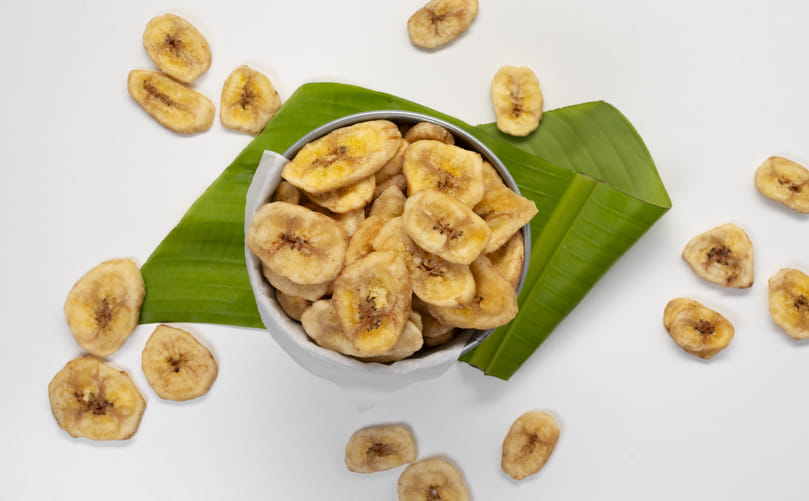
From Tropical Traditions to Global Tables
Banana Varieties Used Worldwide
The diversity of banana varieties employed in chip production reflects the fruit extensive cultivation across equatorial belts, from Southeast Asia to Latin America and sub-Saharan Africa. Each type influences the final product sensory attributes texture, sweetness and oil absorption due to differences in starch to sugar ratios, moisture content and structural integrity. Starchier cultivars hold up better during high-heat processing, yielding crispier results with less oil retention, while sweeter dessert bananas enhance natural caramelization but may soften faster if overripe.
- Plantains (Musa paradisiaca hybrids): These starchy giants dominate in West Africa, the Caribbean and Central America, where varieties like Matoke (Uganda) or Dominico Hartón (Colombia) are sliced thick for robust, savory chips. Their low sugar (under 5%) and high starch (up to 30%) minimize oil absorption (as low as 20% by weight in vacuum frying), producing dense, chewy-crisp textures ideal for spiced or salted profiles. This makes them shelf-stable for export, though they require precise ripeness to avoid gumminess.
- Cavendish bananas (Musa acuminata 'Cavendish subgroup'): The global export standard, grown in Ecuador, the Philippines and India, these provide a milder base for baked or dehydrated chips. With moderate starch (15-20%) and emerging sweetness at partial ripeness, they absorb 25-30% more oil than plantains during deep-frying, resulting in lighter, flakier bites with subtle fruit notes. Their uniformity suits industrial scaling but regional subclones like Dwarf Cavendish yield finer slices for premium, thin cut snacks.
- Cooking bananas (e.g., East African Highland bananas like Kitawira or Nijiru): Prevalent in East Africa and Papua New Guinea, these hybrids excel in chip-making due to balanced firmness and flavor release. Studies show they outperform dessert types in sensory acceptance, with lower moisture (70-75%) leading to 10-15% less oil uptake and a firmer crunch post-drying. Varieties like these matter for nutrition, retaining higher resistant starch for gut health.
Additional global favorites include Saba bananas from the Philippines, prized for their squat shape and high pectin content that creates a uniquely toffee like chew in coconut-oiled fries; Nendran from Kerala, India, offering tangy undertones and exceptional fry resistance and Fe'i bananas from Polynesia, with orange flesh that imparts vibrant color and beta-carotene boosts but higher oil needs due to softer pulp. Lady Finger (Pisang Mas) variants in Indonesia add petite, intensely sweet chips for gourmet segments. Selecting varieties based on end use starch for savory crunch, sugar for sweet indulgence optimizes both quality and efficiency in worldwide production.
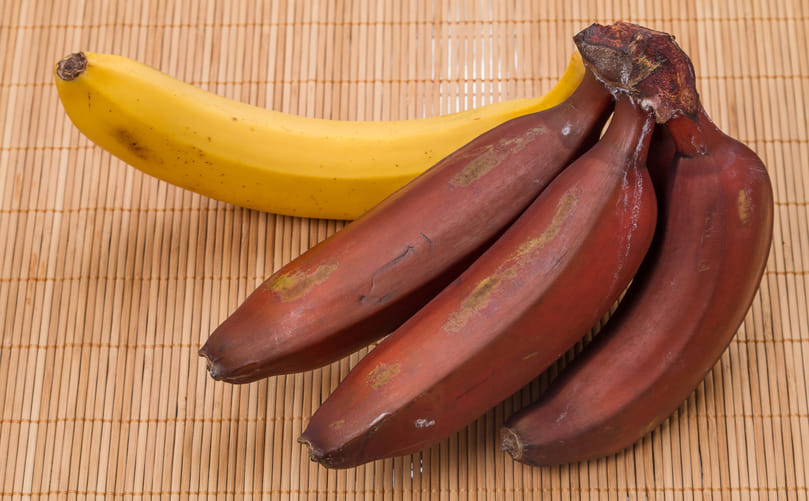
The World of Bananas Behind Your Favorite Chips
Types of Banana Chips
Banana chips transcend simple categorization, evolving into a spectrum of products tailored to processing innovations, flavor innovations and targeted audiences. This classification underscores their adaptability, from street-side staples in Asia to health aisles in Europe, with global examples illustrating cultural fusion.
By Processing Method
- Deep-fried: Immersed in hot oil (typically coconut or palm) at 160-180°C for 2-4 minutes, this yields golden, indulgent crisps with 30-40% oil content. Iconic in Kerala-style Indian chips, where unripe Nendran slices are fried in coconut oil for aromatic depth.
- Vacuum-fried: Processed at 90-110°C under low pressure, reducing oil by 40-60% while preserving vibrant yellow hues and nutrients. Popular in Thai and Vietnamese markets for lighter, fruit-forward bites using Saba varieties.
- Baked: Sliced bananas roasted in convection ovens at 120-150°C for 20-30 minutes, achieving low-fat (under 10%) results with a roasted nutty flavor. A staple in North American health brands, often from Cavendish for even browning.
- Dehydrated / Air-dried: Low-temperature (50-70°C) convection or solar drying over 8-12 hours, retaining 90% of natural sugars and fiber with negligible oil. Common in African artisanal production, like sun-dried Matoke chips in Uganda for portable, raw-compatible snacks.
Emerging methods include microwave-assisted drying for ultra-low moisture and freeze-drying for premium, airy textures seen in Japanese innovations.
By Flavor Profile
- Salted: Lightly dusted with sea salt (200-500mg sodium per 100g), amplifying inherent umami; a bestseller in Latin American tostones from plantains.
- Sweet: Honey or jaggery-coated for caramel notes, dominating Southeast Asian markets like Philippine banana cue chips.
- Spiced: Cinnamon, turmeric or chili infusions for heat; Indian masala variants blend garam masala for festive appeal.
- Savory-seasoned: Onion-garlic powders, cheese dust, or BBQ rubs; U.S. gourmet lines cater to fusion tastes with wasabi-kelp twists.
- Natural / No-added flavors: Untreated for pure banana essence, aligning with clean-label trends in European organic shelves.
Hybrid profiles, like lime-chili in Mexican adaptations or miso-glazed in Korean exports, highlight cross-cultural experimentation.
By Consumer Segment
- Traditional snacks: Mass-produced, affordable fried packs (e.g., USD 1-2 per 100g) for everyday munching in Asian and African bazaars, emphasizing nostalgia and accessibility.
- Health-focused snacks: Low-sodium, baked/dehydrated options with added fiber, targeting millennials via e-commerce; gluten-free and vegan certifications boost appeal in North America and Europe.
- Gourmet & premium snacks: Artisanal, small-batch with exotic spices or organic sourcing (e.g., USD 5+ per pack), favored in urban cafes from Sydney to Sao Paulo for experiential indulgence.
Segments increasingly overlap with trends like organic (20% market growth) and non-GMO, as seen in Southeast Asian exports blending heritage with sustainability.
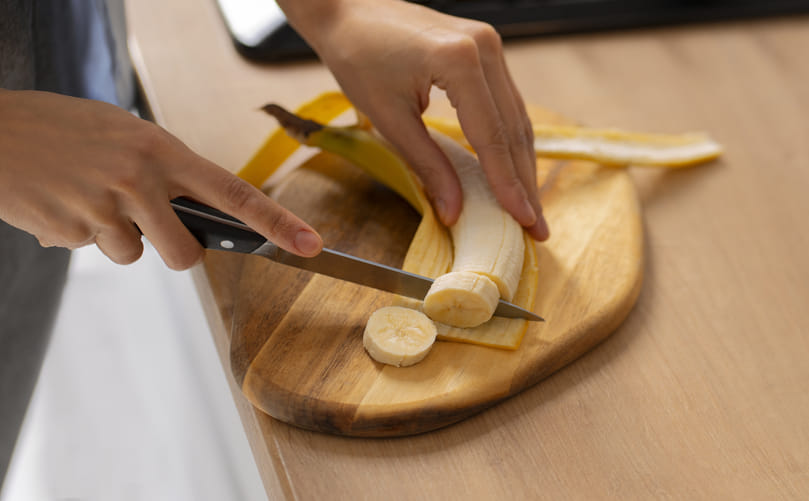
From Hand to Heritage: The Art of Banana Chip Making
Nutritional Composition of Banana Chips Across Processing Methods)
The nutritional profile of banana chips varies substantially depending on the processing method used, with frying, baking or dehydration each altering calorie density, fat content and carbohydrate concentration. Fried banana chips are energy dense because moisture loss during frying concentrates nutrients while oil absorption significantly increases total calories. In contrast, baked and dehydrated banana chips retain a nutritional structure closer to that of fresh bananas, with lower fat levels and higher carbohydrate concentration per unit weight. Global reference standards commonly cited from USDA and EFSA databases use per-100-gram values, positioning banana chips primarily as energy-boosting snacks where portion size plays a crucial role in overall dietary impact.
Deep-fried banana chips, often prepared using coconut oil in traditional production systems, provide approximately 519 calories per 100 grams. Carbohydrates account for around 50 grams, including about 7 grams of dietary fiber and roughly 25 grams of natural sugars. Fat content rises to nearly 34 grams, dominated by saturated fats from coconut oil, while protein remains modest at around 2.3 grams. Despite processing, these chips retain meaningful micronutrient value, delivering about 536 milligrams of potassium, contributing roughly eleven percent of the daily recommended intake. They also supply moderate levels of vitamin C for immune support and vitamin B6, which plays a key role in energy metabolism. Their glycemic index, estimated at around 44, falls within a low to moderate range, supporting relatively steady blood glucose responses compared with many refined snack foods.
Baked and dehydrated banana chips typically contain between 350 and 400 calories per 100 grams, reflecting their significantly lower fat content. Carbohydrates increase to approximately 80 to 85 grams due to moisture removal, while dietary fiber rises to about 9 to 10 grams, enhancing satiety and digestive benefits. Fat content generally remains below five grams and protein levels are slightly lower than in fried variants. Potassium levels range between 300 and 400 milligrams and the glycemic index tends to be lower, commonly falling between 36 and 40. These forms are often preferred in health-focused markets because they preserve more of the fruits natural nutritional balance while minimizing added fats.
When compared with fresh bananas, which provide roughly 105 calories, 27 grams of carbohydrates and about 422 milligrams of potassium per 100 grams, dehydrated banana chips most closely resemble the original fruits nutritional profile, albeit in a concentrated form. Relative to potato chips, banana chips offer higher fiber content, supporting better satiety, though they remain low in protein. Compared with other fruit-based snacks such as mango chips, banana chips may contain slightly less vitamin C but compensate with superior potassium levels and greater versatility across both indulgent and better for you snack categories.
Overall, banana chips occupy a distinct nutritional position in the global snack landscape, functioning as potassium-rich, carbohydrate-based energy foods whose health impact is strongly influenced by processing choice. Dehydrated and baked variants align well with modern nutritional preferences, while fried versions continue to hold cultural and sensory importance when consumed in moderation.
Health Implications of Banana Chips: Benefits and Limitations
Health Benefits of Banana Chips
Scientific evidence from nutritional reviews and cohort studies indicates that banana chips can serve as a nutrient-forward snack when consumed mindfully and in moderate portions, typically around 28 to 50 grams per serving. Their primary advantage lies in their ability to deliver readily available energy through carbohydrates while maintaining a relatively stable glycemic response. With caloric values ranging from approximately 350 to 520 calories per 100 grams and glycemic index values generally between 36 and 44, banana chips provide sustained energy release, making them particularly suitable for physically active individuals and endurance activities. Research synthesized in the journal Nutrients has linked low-glycemic fruit-based foods with improved endurance and reduced post-exercise fatigue.
Another important benefit is their natural suitability for diverse dietary needs. Banana chips are inherently gluten-free and vegan, requiring no animal-derived ingredients in their basic processing. This makes them accessible to individuals with gluten intolerance, celiac disease or those following plant-based dietary patterns, contributing to their global acceptance across cultures.
Banana chips also retain meaningful levels of key micronutrients, most notably potassium and dietary fiber. Potassium content typically ranges from 300 to 536 milligrams per 100 grams and plays a critical role in blood pressure regulation and electrolyte balance. Dietary patterns emphasizing potassium-rich foods, such as the DASH diet, have consistently demonstrated reductions in hypertension risk. Fiber levels, commonly between 7 and 10 grams per 100 grams depending on processing, support digestive health and microbiome diversity, with meta-analyses published in Gut reporting measurable improvements in bowel regularity and gut function.
In addition, banana chips provide moderate amounts of vitamin C and vitamin B6, supporting immune function and metabolic processes. Recent food science research has highlighted antioxidant and antimicrobial properties associated with banana-derived compounds, suggesting added functional benefits beyond basic nutrition. Their long shelf life and portability further enhance their value by improving access to fruit-based nutrients in regions with limited availability of fresh produce, aligning with global public health recommendations for nutrient-dense convenience foods.
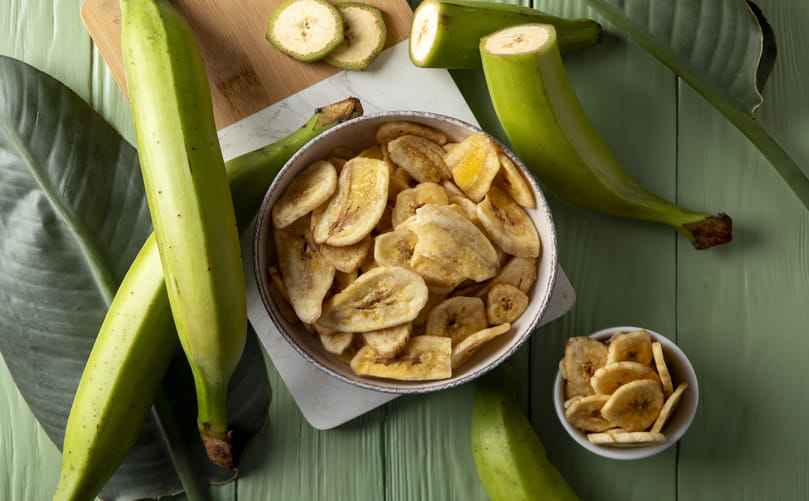
Banana Chips as a Nutrient-Dense Snack Option
Limitations and Health Considerations of Banana Chips
Despite their nutritional strengths, banana chips also present notable limitations, particularly when produced using traditional frying methods. Fried banana chips are highly calorie-dense, often exceeding 500 calories per 100 grams, placing them in a similar range to many conventional snack foods. Regular consumption without portion control can contribute to excess energy intake and gradual weight gain, especially among sedentary individuals.
Fat composition is a major concern in fried variants, particularly those prepared with coconut oil. Saturated fat levels can approach 29 grams per 100 grams, which has been associated with elevated LDL cholesterol levels according to cardiovascular health advisories. Additionally, improper oil management during frying and storage may lead to lipid oxidation, a process linked to inflammatory responses and reduced nutritional quality.
Sodium content represents another limitation, especially in salted and flavored banana chips. Depending on formulation, sodium levels may range from moderate to high, potentially aggravating hypertension risk when consumed frequently. Epidemiological studies in European populations have linked habitual intake of high-sodium snack foods with increased cardiovascular risk indicators over time.
Finally, the concentration of natural sugars during dehydration and frying raises total sugar intake compared with fresh bananas. High-temperature frying can also result in the formation of acrylamide, a compound classified as a probable carcinogen. Although modern techniques such as vacuum frying significantly reduce acrylamide formation, conventional deep-fried products remain a concern when intake is excessive.
Overall, banana chips offer genuine health benefits rooted in their mineral, fiber and energy profile, but these benefits are highly dependent on processing method, ingredient quality and consumption patterns. Balanced intake and preference for lower-fat, lower-sodium versions are essential to maximizing advantages while minimizing risks.
Industrial & Artisanal Production Process of Banana Chips
The production of banana chips spans a broad spectrum, from highly mechanized industrial systems designed for efficiency and global distribution to artisanal methods rooted in local traditions and manual craftsmanship. While both approaches aim to convert perishable green bananas into shelf-stable snacks, they differ significantly in scale, technology, precision and customization.
Industrial Production Process
Industrial banana chip manufacturing is built around automation, hygiene and high throughput. Processing capacities range from small semi-automatic units handling tens of kilograms per hour to large plants processing several tonnes daily for domestic and export markets.
Raw Material Selection and Handling: Industrial production begins with the selection of unripe green bananas such as Cavendish, Nendran or Robusta varieties, harvested at early maturity stages to ensure firmness and low sugar content. Fruits are chosen for uniform size, color and texture to enable consistent slicing and frying. Cold storage facilities are often used to stabilize quality and manage high daily input volumes.
Washing, Sorting and Peeling: Bananas are washed in flume systems or immersion tanks to remove soil, latex and surface contaminants. Sorting eliminates damaged or overripe fruit, ensuring uniform processing. Peeling is performed manually in smaller facilities or mechanically in large-scale operations, depending on the level of automation.
Slicing and Pretreatment: High-speed slicers cut bananas into uniform slices, typically between one and five millimeters thick, ensuring even heat transfer during processing. Pretreatments such as brief blanching, acid dipping or salt soaking are applied to inactivate enzymes, prevent browning and stabilize color and flavor.
Core Processing Techniques: Deep frying remains the most widely used industrial method, with slices passing through continuous fryers under controlled temperatures and residence times. Alternative techniques such as hot-air drying, baking and vacuum frying are increasingly adopted to reduce oil content and preserve nutrients, catering to health-conscious markets.
Deoiling, Cooling and Seasoning: After heat processing, excess surface oil is removed using vibration or centrifugal systems. Chips are then cooled to maintain crispness before being seasoned with salt, spices or sweet coatings in automated tumblers to ensure uniform distribution.
Packaging and Storage: Final packaging is carried out using automated weighing and sealing machines, often with nitrogen flushing to extend shelf life. Food-grade stainless steel equipment and standardized quality controls ensure compliance with food safety and export regulations.
Artisanal Production Process
Artisanal banana chip production emphasizes small batches, manual skills and regional flavor profiles. Common in household enterprises and community-based units, this approach prioritizes freshness, local sourcing and traditional techniques.
Selection and Preparation: Artisanal producers typically use locally grown, unripe bananas processed soon after harvest. Fruits are peeled by hand and briefly soaked in lemon water or salt solutions to prevent oxidation and enhance taste.
Manual Slicing and Pretreatment: Slicing is done using knives or simple hand slicers, with thickness controlled by experience rather than machinery. Pretreatments such as quick blanching or acid dips are optional and vary by regional practice.
Traditional Processing Methods: Deep frying in open pans or woks using coconut or palm oil is the most common method, relying on visual cues and operator skill for temperature control. In some regions, sun drying or solar drying is preferred, producing oil free or low fat chips with chewy textures.
Seasoning and Packaging: Seasonings are applied while the chips are still warm, allowing spices or sweet coatings to adhere naturally. Packaging is done manually using simple airtight containers or heat-sealed pouches, resulting in shorter shelf life compared to industrial products.
Industrial vs Artisanal Production: Key Differences
Industrial production prioritizes volume, consistency, and food safety through automation and standardized controls, making it suitable for large-scale distribution. Artisanal production, while limited in output and shelf life, delivers distinctive flavors, cultural authenticity and product differentiation that appeal to niche and premium markets.
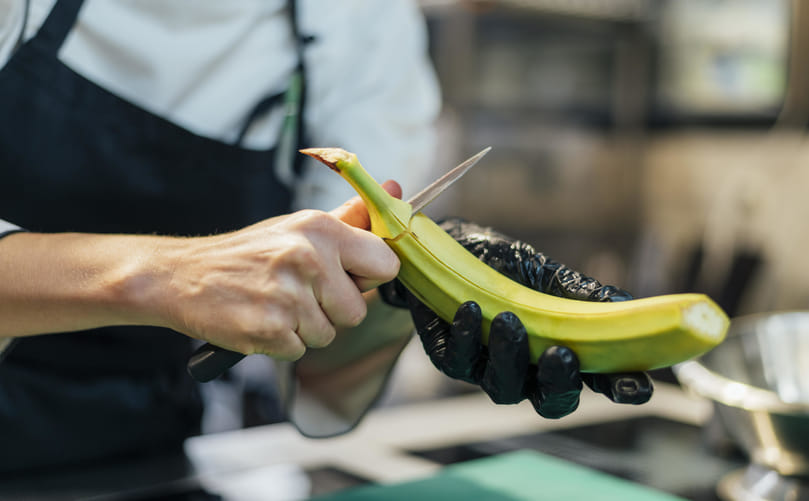
The Human Hands Behind Banana Chips
Packaging & Shelf-Life Management of Banana Chips
Packaging for banana chips is designed to protect against oxygen, moisture and light the primary factors that cause oxidation, sogginess and flavor loss while extending shelf life to 3–6 months. Modern packaging strategies emphasize barrier performance, with oxygen transmission rates (OTR) below 1000 cc/m²/day and water vapor transmission rates (WVTR) below 3 g/m²/day. Sustainability innovations, such as nanocomposites and bio-based films, address growing global demand for eco-friendly packaging solutions. Vacuum Packaging: Vacuum packaging removes 90–95% of air from the pouch, drastically reducing oxygen exposure.
This method is particularly effective for fried banana chips, extending shelf life up to six months by controlling peroxide value (PV) increases, for example, from 1.65 to below 5 meq/kg over four months. Typically, metallized films with thicknesses of 50–100 μm are used for bulk exports, ensuring consistent protection during long-distance transport.
Nitrogen Flushing: Nitrogen flushing replaces oxygen in the package with inert nitrogen gas (99.9% purity), preventing rancidity and maintaining the crispness and color of the chips. Automated production lines often pair nitrogen flushing with multilayer laminates such as polypropylene (PP) and polyethylene (PE). This combination preserves breaking force above 2 N and keeps color differences (ΔE) under 5, providing acceptable sensory quality for around four months.
Moisture and Oxygen Barriers: Advanced multilayer films, such as PP-Nylon-PP or EVOH-laminated structures, enhanced with 2–4% nanoclay, reduce WVTR to approximately 1.7 g/m²/day and OTR to around 919 cc/m²/day. These films limit moisture uptake to below 3% and free fatty acids (FFA) to under 1% over 120 days. Conventional PE/PP films provide adequate protection for up to three months, while high-barrier laminates like PFP/MP can extend shelf life to four months under ambient storage conditions.
Sustainable Packaging Innovations: Eco-friendly alternatives are gaining traction, including compostable and recyclable films. For example, TIPA’s T.LAM 106, a three-ply metallized laminate made from biopolymers, matches conventional plastic barriers while fully degrading in industrial compost within 90 days. Banana peel-derived films, composed of lignocellulosic material with tensile strength above 30 MPa, offer transparent and durable packaging that biodegrades in 30 days at 21% soil moisture ideal for snack pouches. Paper-based or recycled zip-lock bags, as well as microperforated compostables, prevent moisture buildup and can extend the freshness of banana chips by several days, supporting both product quality and environmental responsibility.
Storage and Shelf-Life Management: To maximize shelf life, banana chips should be stored below 25°C and 60% relative humidity. Periodic testing every 15 days for moisture content and peroxide value ensures quality maintenance. Packages should clearly indicate a “best before” date based on sensory acceptability, typically defined as a rating above 6/9. Effective combination of high-barrier packaging, proper storage, and monitoring enables global distribution without compromising texture, flavor or safety while aligning with sustainability goals.
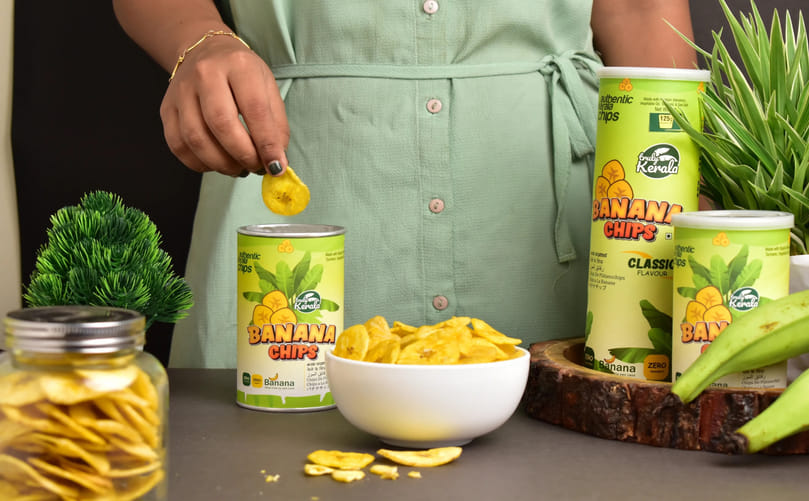
Protecting Crunch: Advanced Packaging of Banana Chips
Quality Standards and Food Safety in Banana Chip Production
Global quality and food safety standards for banana chips are designed to ensure microbial safety, nutritional integrity, and consistent sensory quality, especially for products destined for regulated export markets such as the EU, US, and Asia. These standards address risks across the value chain from raw material sourcing to retail focusing on moisture control, oxidation prevention and shelf-life stability. Proper adherence prevents spoilage, rancidity, mold growth, chemical contamination and physical hazards.
International Food Safety Frameworks
Industrial banana chip production is guided by internationally recognized food safety systems that combine preventive measures with structured management. Hazard Analysis and Critical Control Points (HACCP) is mandatory under Codex Alimentarius and enforced by authorities like the FDA and EFSA. HACCP identifies biological hazards such as Salmonella from unwashed bananas, chemical hazards like acrylamide formed during high-temperature frying and physical hazards including metal fragments from slicers. Critical control points cover washing and sanitization, thermal processing and packaging integrity. Monitoring includes parameters such as frying temperature, residence time, water activity and peroxide levels, with corrective actions like batch rejection applied when limits are exceeded.
ISO 22000 provides a voluntary but comprehensive food safety management system that integrates HACCP with prerequisite programs such as Good Manufacturing Practices (GMP). Certified facilities emphasize traceability from farm to fork, including monitoring pesticide residues, which must comply with Codex maximum residue limits. This ensures that banana sourcing and handling meet both local and international regulatory requirements.
Codex Alimentarius establishes baseline standards for hygiene, quality and contaminants. While primarily focused on fresh bananas, it's principles extend to processed products, requiring low defect rates, protection against moisture and limits for contaminants such as aflatoxins. For banana chips, Codex also provides guidance on acceptable levels of food additives and antioxidants to maintain safety and sensory quality.
Moisture Control and Microbial Safety
Moisture content is critical to the shelf life and safety of banana chips. Industry standards aim for a final moisture level between 2% and 5% (dry basis), which inhibits microbial growth, particularly molds like Aspergillus. Water activity is maintained below 0.60 to further prevent microbial proliferation. Exceeding these levels can lead to spoilage, as storage studies have shown moisture rising to over 9% without protective barriers, resulting in mold formation and product rejection.
Oil Quality and Oxidation Management
Fried banana chips are highly susceptible to oil oxidation, affecting flavor, shelf life and safety. Industry standards typically require peroxide values below 10 meq O₂/kg initially and maintain free fatty acids below 2%. Strategies to manage oxidation include controlled oil reuse, antioxidant addition and barrier packaging. Studies indicate that without proper oil management and protective packaging, peroxide values can rise significantly over storage, compromising both quality and safety.
Shelf-Life Stability and Sensory Quality
Banana chips generally maintain acceptable quality for 3–6 months under ambient storage conditions (approximately 25°C and 60% relative humidity). Shelf-life evaluation includes sensory assessment for flavor, aroma and texture, microbial testing to ensure total plate counts remain below regulatory limits and physical testing to measure crispness and color stability. Water activity control and packaging integrity are essential to prevent moisture absorption, preserve crunch and maintain visual appeal.
Compliance, Audits and Export Requirements
Compliance with international standards is validated through internal quality controls and third-party audits under certifications like BRCGS. Accurate labeling of allergens, oil type and nutritional content is required for export markets. Failure to comply can lead to shipment rejections and notifications, such as EU rapid alerts for high acrylamide levels or microbial contamination, underscoring the importance of rigorous monitoring throughout production.
Global Market Overview of Banana Chips
The global banana chips market is witnessing robust expansion, driven by the increasing demand for fruit-based snacks that offer convenient, nutrient-rich alternatives to traditional processed snacks. Valued at approximately USD 1.5 billion in 2025, the market is projected to reach USD 2.04 billion by 2030, growing at a compound annual growth rate (CAGR) of 6.34%. This growth is fueled by shifting consumer preferences toward healthier indulgences, with banana chips benefiting from their natural fruit base, portability, and versatility in flavors from classic salted to innovative spiced variants.
Within the broader fruit and vegetable chips category, which is expected to grow from USD 5.9 billion in 2024 to USD 12.6 billion by 2034 at a CAGR of 7.9%, banana chips hold a significant share due to the widespread availability and affordability of bananas as raw material. Key drivers include rising health consciousness, urban lifestyles promoting on the go snacking, and the fruit’s natural appeal as a gluten-free, vegan-friendly option. In emerging economies, where banana production exceeds 150 million tons annually, surplus harvests are increasingly processed into value-added products like chips, reducing post-harvest losses by up to 30% and supporting food security initiatives.
Regional Market Trends
North America: The North American banana chips market is valued at around USD 450 million in 2025 and is projected to grow at a CAGR of 5.2%. Growth is primarily driven by the rising demand for low-calorie and baked variants due to obesity concerns affecting approximately 42% of adults. Fusion flavors, such as chili-lime and matcha are gaining popularity in urban centers, with imports from the Philippines and Ecuador increasing by 15% year over year. Retailers like Whole Foods emphasize organic and clean-label lines, while e-commerce platforms report a 25% increase in sales of health-focused packs. Despite competition from local potato chips, innovations such as vacuum-fried options position banana chips as a healthier snack alternative.
Europe: Europes market is projected to reach USD 380 million by 2025, with a CAGR of 5.8%. Growth is supported by stringent clean-label regulations and a 30% increase in plant-based snack consumption. Countries like the UK and Germany prefer unsweetened, air dried chips for their low glycemic index, aligning with EU sustainability mandates. Premium artisanal imports from Latin America have risen by 40%, targeting vegan certifications to cater to approximately 10 million vegans in the region. Seasonal promotions during health awareness months increase sales by up to 20%, although higher import duties of 5–10% can affect pricing.
Asia-Pacific: The Asia-Pacific region dominates global banana chip consumption, holding over 50% market share, with a CAGR of 7.5% and a market valuation of USD 750 million in 2025. Cultural integration, rapid urbanization and rising middle-class incomes drive strong demand for both traditional deep fried and spiced export-oriented variants. Key producers like India and the Philippines account for 60% of the volume, while countries such as China and Indonesia experience 35% growth in spiced, export-focused packs. Climate-resilient varieties and local sourcing strategies reduce supply risks, supporting a 25% increase in exports to Western markets. Mature markets focus on innovation and sustainability, while emerging markets capitalize on volume and affordability.
Influence of Clean-Label and Plant-Based Movements
The clean-label and plant-based trends have been pivotal in transforming banana chips from niche snacks to mainstream wellness products. Clean-label demands, which emphasize recognizable ingredients without artificial additives, have driven a 47% increase in baked and dehydrated variants, as consumers scrutinize ingredient lists for transparency. Regulatory initiatives, such as the FDA’s 2023 ban on partially hydrogenated oils, accelerated reformulations, reducing trans fats by 80% in U.S. products. In Europe, the EU’s Farm to Fork Strategy enforces strict additive limits, creating a 25% price premium for certified clean-label products.
The plant-based movement, which has seen global adoption rise by 20% since 2020, enhances banana chips appeal as inherently vegan and allergen-free snacks. This aligns with the projected USD 36 billion vegan food market by 2028, where banana chips are consumed both as standalone snacks and as salad toppers. Sustainability efforts, such as upcycling banana peels for fiber enrichment, further strengthen eco-conscious consumer appeal and increase category sales by 15–20% in aligned markets.
Online and Retail Distribution Trends
Distribution channels for banana chips are evolving rapidly. Online sales grew by 33% in 2025, outpacing traditional retail growth of 8% and accounting for 25% of total volume. Platforms like Amazon and Alibaba provide global reach, with subscription-based variety packs boosting repeat purchases by 40%. In Asia-Pacific, e-commerce apps like BigBasket report 30% year-over-year growth in snack categories, while North America’s Thrive Market focuses on organic and health-oriented lines. Personalization through AI-driven flavor recommendations and fast delivery (under two hours in urban centers) further drives online growth, with mobile commerce accounting for 55% of transactions.
Retail remains important, with supermarket and convenience store shelf space expanding by 39%, particularly in hypermarkets like Walmart and Tesco. Specialty aisles for ethnic foods in Europe and health-focused sections in North America facilitate trial, while pop-up kiosks in Asia capitalize on impulse purchases. Hybrid models combining online ordering with in-store pickup reduce logistics costs by 15% and improve accessibility in rural areas, projecting an additional USD 300 million in revenue by 2030.
Leading Companies and Competitive Landscape
The global banana chips market features a mix of multinational giants and agile regional players, with leading companies collectively holding around 40% of market share. Key players include:
- Beyond Snacks (India): Pioneer in baked banana chips, with a 12% global share and exports to Europe increasing 25% in 2025; emphasizes clean-label certifications and masala flavors.
- Gold Chips (Philippines): Dominates Asia-Pacific with 15% regional volume; focuses on vacuum-fried exports, with USD 150 million revenue in 2024 driven by sustainable sourcing.
- EL Coco International (Sri Lanka): Specializes in coconut-oiled artisanal chips, holding 8% of premium segments; partnered with U.S. retailers for 20% North American growth.
- Mariani Packing Company (USA): Leads North American dried fruit chips with banana blends, 10% U.S. market share; organic lines increased sales by 18% amid plant-based trends.
- Prime Fruits International (UAE): Export-focused with Middle East-Europe ties, holding 7% in spiced variants; invested USD 20 million in automation for a 30% capacity increase.
Other notable players like Chiquita Brands and Four Seasons Produce integrate banana chips into broader portfolios, supporting mergers and supply chain consolidation while accelerating product innovation.
Sustainability and Ethical Production in Banana Chip Industry
Sustainability in banana chip production is becoming increasingly critical, addressing environmental impacts from banana cultivation which consumes significant water resources and can contribute to soil degradation to energy-intensive processing stages and waste generation. Ethical practices focus on fair labor, community empowerment and social responsibility, aligning with global frameworks such as the United Nations Sustainable Development Goals (SDGs), including zero hunger (SDG 2) and responsible consumption (SDG 12). By incorporating circular economy principles, the industry converts challenges into opportunities, such as repurposing 30–40% of global banana waste (approximately 40 million tons annually) into value-added products.
Reducing Post-Harvest Banana Waste: Globally, bananas experience post-harvest losses of 20–40% due to mechanical damage, improper handling and ethylene-induced ripening, worsening food insecurity in producing regions like sub-Saharan Africa and South Asia. Initiatives such as the Nyangorora Banana Processors (NBP) in Uganda have reduced losses from 40% to 15% over a decade through improved sorting, cold chain logistics and on-farm processing into chips, preserving up to 70% of nutritional value while diverting waste from landfills.
In Rwanda, the Rwanda Agriculture and Animal Resources Development Board (RAB) promotes low-cost innovations, including stick-and-rope harvesting systems to minimize bruising, potentially cutting losses by 10–15% if scaled. Advanced post-harvest technologies, such as edible coatings made from chitosan or beeswax, delay ripening by 7–10 days, maintaining firmness and reducing water loss by 20–30%. Upcycling programs like banana fiber extraction for textiles in Uganda create secondary revenue streams, reinforce circular economy models and reduce methane emissions from decomposing waste by up to 50%.
Supporting Smallholder Farmers: Smallholders produce approximately 80% of global bananas but face volatile incomes due to low bargaining power and climate-related risks. Fairtrade certification, covering over 30,000 smallholder farmers in Latin America and the Caribbean, guarantees a minimum price (e.g., USD 7.50/box) plus Fairtrade Premiums (USD 1/box) for community development initiatives such as irrigation systems and training programs. These measures improve yields by 15–20% and household incomes by 10–30%.
Direct trade models, like Equal Exchange in Ecuador and Peru, remove intermediaries, returning 20–30% more revenue to farmers, promoting ethical sourcing, labor rights, and gender equity. In West Africa, the World Banana Forum (WBF) provides integrated pest management (IPM) training, reducing chemical usage by 40% and enhancing on-farm biodiversity. Certified farms demonstrate 25% lower vulnerability to price shocks, strengthening both supply chain resilience and social sustainability.
Energy-Efficient Processing: Traditional frying and drying methods consume 50–70% more energy than optimized technologies, contributing to 5–10% of food processing emissions. Heat pump dryers, which recycle heat in closed-loop systems, reduce energy consumption by 50–70% while providing uniform dehydration at 50–70°C, retaining up to 90% of nutrients.
Advanced methods like far-infrared radiation-assisted pulsed vacuum freeze drying (FIR-PVFD) accelerate moisture removal by 40–50%, preserving color, antioxidants and overall quality, making it ideal for premium banana chips. Biomass valorization, using banana peels (which account for 30% of fruit weight), powers dryers with zero-waste energy, reducing fossil fuel use by 60% and producing biochar for soil amendment.
Sustainable Oil Sourcing: Frying contributes 30–40% of oil uptake in banana chips, raising environmental concerns related to deforestation from palm oil production, which constitutes 90% of oil used in Indian snacks. Coconut oil, sourced regeneratively from smallholder groves in the Philippines and Kerala, serves as a sustainable alternative, offering higher smoke points (177°C) and medium-chain triglycerides for improved health profiles. Pre-treatments like hydrocolloid coatings (e.g., guar gum) can reduce oil absorption by 26–60%.
Certification schemes such as RSPO-certified palm oil ensure traceability, while innovations in oil-free air-frying or vacuum-frying reduce oil usage by up to 45%, minimizing environmental impact. Collectively, these practices lower the carbon footprint by 20–30%, appeal to eco-conscious consumers, and command up to a 15% market premium for sustainably produced banana chips.
Global Consumer Preferences and Market Trends for Banana Chips
Consumer preferences for banana chips are shaped by cultural, climatic and lifestyle factors, influencing both product design and market growth. Global sales are projected to reach USD 2.04 billion by 2030, growing at a CAGR of 6.34%, driven by diversification into health-oriented options and indulgent treats. Sweet varieties hold the largest share at 43%, but savory and spiced profiles are growing at 7% annually, reflecting evolving palates amid urbanization and wellness trends. Regional differences play a significant role, ranging from mass-market affordability in emerging economies to premium, traceable products in developed regions.
Sweet vs. Savory Preferences: Sweet banana chips, often coated with honey or jaggery, dominate indulgent snacking with a 43.1% market share. These appeal to consumers seeking dessert-like experiences, particularly in tropical regions where natural fruit sugars are culturally familiar. Savory variants salted or spiced, such as chili-lime are gaining popularity as meal accompaniments, with Asia-Pacific witnessing 30% growth in bold flavor fusions. Surveys in Central Aceh, Indonesia, show that 60% of consumers prefer savory options for their umami balance. Globally, hybrid sweet-savory varieties like cinnamon-BBQ are emerging, bridging regional taste preferences and driving innovation.
Texture Expectations: Texture remains a critical factor in consumer choice. Dense, chewy plantain chips are favored in Latin American street food markets, with 70% of respondents citing preference for this style. In contrast, European consumers often prefer lighter, flake-like chips produced through vacuum-frying, reflecting minimalist taste and visual appeal. Health-conscious segments in North America and Europe prioritize “light crispiness” in baked variants, with 55% of buyers associating lower oil perception with better quality and health benefits.
Health-Conscious vs. Indulgent Markets: Health-focused consumers, comprising approximately 40% of global buyers, favor low-oil, unsweetened banana chips, particularly in North America and Europe. Clean-label trends in these regions have driven 21% growth in imports of products emphasizing fiber content (7–10g/100g) for gut health. Indulgent markets, particularly in Asia-Pacific (e.g., India and the Philippines), continue to favor fried sweet chips, which account for 50% of the region’s USD 974 million sales. Hybrid “guilt-free” options, such as fortified or air-fried variants are gaining 15% traction as awareness of diabetes and lifestyle diseases rises. In African markets, portable, energy-dense chips support nutrition, with 25% of consumers preferring vitamin-enriched products.
Premium vs. Mass-Market Demand: Premium banana chips organic, artisanal or sustainably sourced command higher prices (USD 5+/pack) in urban Europe and North America, capturing around 25% of these markets. Demand is driven by exotic flavors, sustainability claims and clean-label assurances. Conversely, mass-market demand dominates in Asia, accounting for 70% of total volume with affordable pricing (USD 1–2/pack). However, e-commerce channels are expanding access to premium products, leading to a 17% rise in exports to Europe. Flavor innovations, particularly spicy-sweet combinations, have grown 20% globally, reflecting adaptation to diverse regional demographics and evolving consumer tastes.
Innovations and Future Trends in Banana Chips Industry
The banana chips sector is experiencing rapid innovation, with projected growth at a 5.3–6.34% CAGR through 2030–2033, driven by advancements in health-focused formulations, functional enhancements and process automation. Low-fat and nutrient-dense variants address 60% of consumer demand, while AI-assisted production optimizes efficiency by 20–30%, positioning the market between USD 1.9–2.04 billion.
Low-Oil Banana Chips: Hydrocolloid coatings, such as alginate or guar gum, applied before frying, reduce oil uptake by 26–60%, producing chips with 9–15% fat compared to 34% in traditional frying, while maintaining crispness (hardness >2N in texture trials). Vacuum-microwave frying accelerates moisture evaporation by 40% at lower temperatures (90–110°C), cutting oil content by 45% and acrylamide formation by 30%. Brands like Gold Chips have already launched such low-oil variants in 2024. Air-frying technologies further eliminate oil entirely, appealing to 40% of health-conscious consumers.
Organic and Non-GMO Variants: Organic banana chips are growing at 20% annually, often using non-GMO Cavendish hybrids resistant to Panama disease, ensuring pesticide-free production. These chips retain up to 90% of antioxidants and command approximately 15% price premiums in European markets, catering to sustainability and health-focused consumers.
Functional Banana Chips: Fortification with green banana resistant starch (GBRS) adds prebiotic fiber (10–15g/100g), supporting gut health and reducing glycemic response by 20%. Trials also demonstrate GBRS potential as a fat replacer in low-calorie chips. Protein-enriched options (e.g., pea blends) and vitamin C–fortified variants target biohacking and functional food trends. Ultrasound-assisted extraction from peels enhances bioavailability by 25%, while future developments may include omega-3 enrichment and reduced-sugar, high-fiber indulgent snacks aligned with 2026 health trends.
AI-Controlled Frying and Drying Technologies: AI and machine learning are transforming production efficiency and product consistency. AI-optical sensors (RGB/NIR) predict drying endpoints 30% faster and optimize energy consumption by 50% through real-time moisture mapping. Robotic fryers ensure uniform crispness with variability under 5%, while predictive ML models forecast quality based on pre-treatment parameters. Emerging technologies like AI-assisted FIR-PVFD (far-infrared radiation pulsed vacuum freeze-drying) reduce processing cycles by 40%, minimize waste and enable personalized flavor formulations, driving next-generation innovation in banana chips.
Challenges in the Global Banana Chips Industry
Despite rapid growth, the banana chips industry faces several challenges, including supply vulnerabilities, quality control, price fluctuations and regulatory compliance. Raw material costs account for approximately 60% of production expenses, while non-compliance with standards can result in 10–15% of exports being rejected. Overcoming these challenges requires resilient strategies such as diversification, technological adoption and stringent quality management.
Shelf-Life Management: Shelf life is significantly affected by moisture absorption and rancidity. Moisture levels exceeding 5% reduce shelf life to around three months, while mechanical breakage during handling and packaging can cause additional losses of 10–20%. Using edible oils like moringa oil extends stability by 20–30% due to antioxidant properties, but ambient storage conditions (25°C and 60% relative humidity) necessitate advanced packaging films to maintain product quality and sensory acceptability (≥6/9) for up to six months.
Oil Stability: High saturated fat content (29g/100g) from reused frying oils increases the risk of oxidation (peroxide value >25 meq/kg), leading to off-flavors and reduced consumer acceptance. Palm oil variants tend to deteriorate faster compared to sunflower or coconut oils. Mitigation strategies include pre-treatments, antioxidants (e.g., BHT <200ppm), and regular monitoring of oil quality. Despite these measures, up to 15% of consumers may reject products with perceptible flavor or texture defects if standards are not maintained.
Price Volatility of Bananas: Banana prices are highly sensitive to weather events, such as El Niño, which can spike costs by 20–50%. For instance, the global price increased 10% in 2020, squeezing snack production margins, as bananas represent roughly 40% of total costs. Export fluctuations, such as the 15% decline from Ecuador post-COVID, directly impact a USD 1.5 billion market. While hedging and supply contracts can stabilize pricing, smallholder farmers often experience income drops of up to 25% during volatile periods.
Regulatory Differences Across Countries: Divergent regulatory standards complicate international trade. The European Union enforces strict acrylamide limits (<750 μg/kg) and controls additive approvals, whereas the U.S. FDA allows more flexibility in fat labeling (21 CFR 101.62). In Asia, maximum residue limits (MRLs) for pesticides vary, though Codex guidelines recommend <0.05 mg/kg. Compliance can cost 5–10% of revenue and non-tariff barriers such as EU hygiene directives have resulted in rejection of 5% of tropical exports. Harmonization efforts via organizations like the World Banana Forum (WBF) and adoption of traceability technologies are essential for seamless cross-border trade.