
European Snacks Association Releases Sustainability Report, Showcasing Progress in Sustainable Agriculture and Environmental Responsibility.
European Snacks Association (ESA) publishes its 2025 Sustainability Report
The European Snacks Association (ESA) has released its new Sustainability Report. Growing sustainably makes good business sense and is key to the long-term competitiveness of savoury snack companies.
ESA members continuously strive to improve environmental sustainability and adopt practices that protect natural resources while securing key raw materials for future snack production.
EU Green Deal
ESA supports the objectives of the EU Green Deal, the flagship initiative of the European Commission, and is committed to a genuine transition toward a sustainable food system as part of the EU Farm to Fork Strategy and initiatives such as the New Circular Economy Action Plan.
Savoury snacks manufacturers work to preserve the value of resources throughout the supply chain. Fostering sustainable agriculture is a key element, and members take measures on water conservation—from improved crop irrigation in the field to optimum water usage in production facilities—limiting food wastage of raw materials (including oils), and saving energy.
Reducing Carbon Footprint
Several ESA members have implemented innovative solutions to reduce greenhouse gas emissions, including upgrading energy equipment, improving logistics and transport, using alternative energy sources to fossil fuels, and increasing renewable energy use. This approach spans sourcing and processing agricultural raw materials, developing packaging, consumption of products, and adopting a circular and sustainable approach across operations.
Sourcing Ingredients
ESA values the quality, safety, and origin of ingredients in savoury snack production. Responsible sourcing is a major consideration, and members, along with their suppliers, ensure practices in origin countries are consistent with ESA’s standards and principles.
Member companies have individual procedures for supply practices and are encouraged to adopt frameworks like the Ethical Trading Initiative (ETI) Base Code or equivalent employment practice programs.
Sustainable Packaging
Improving packaging sustainability is another cornerstone of ESA’s approach. Members seek solutions that maximize resources, minimize waste, and ensure product safety and quality.
ESA has also signed up to the Circular Plastics Alliance, a European Commission initiative bringing together the plastics value chain to boost the EU market for recycled plastics.
European Snacks Association sustainability report 2025
(Click to download the full report | PDF) 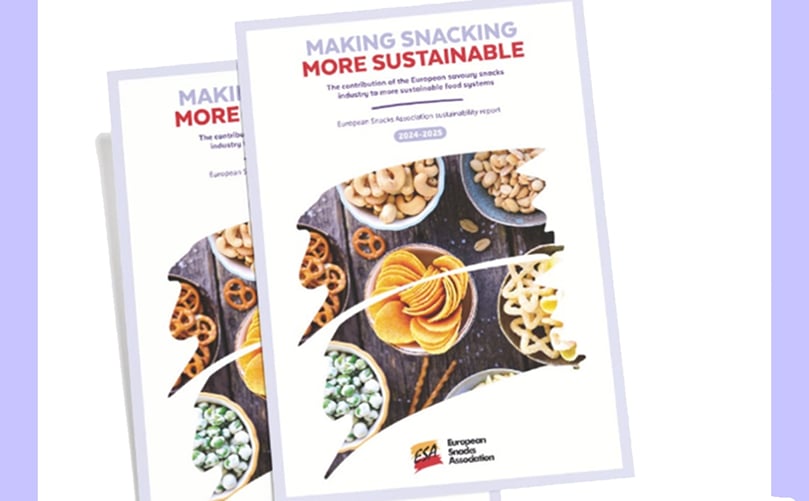
¿Te gustaría recibir noticias como esta por correo electrónico? ¡Únete y suscríbete!
Get the latest potato industry news straight to your WhatsApp. Join the PotatoPro WhatsApp Community!
Empresa Destacada

Noticias relacionadas

Septiembre 28, 2026
Colombia: PepsiCo invertirá USD 1.000 millones y podría reforzar su cadena de abastecimiento de papa
PepsiCo invertirá USD 1.000 millones en Colombia durante cinco años para ampliar producción y distribución, una expansión que podría fortalecer su cadena de abastecimiento de papa, donde ya es el mayor comprador industrial del país con unas 84.000 toneladas anuales.

Septiembre 07, 2026
KFC Malaysia and Mister Potato Launch Spicy, Crunchy Limited-Edition Collaboration
KFC Malaysia and Mister Potato launch a limited-time collaboration featuring spicy crispy chicken, a crunchy Zinger burger and Cheezy Wedges-inspired chips for the Merdeka and Malaysia Day season.
Septiembre 03, 2026
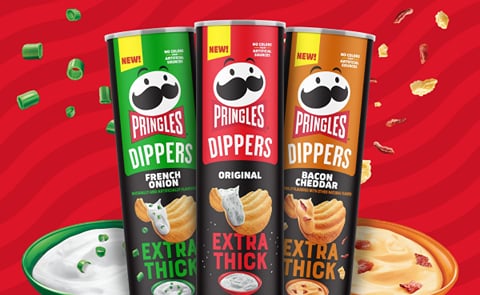
Pringles lanza Dippers, unas patatas fritas más gruesas diseñadas para mojar
Pringles lanza Dippers, sus primeras patatas fritas más gruesas, resistentes y onduladas diseñadas para mojar, disponibles en tres sabores este septiembre. La marca también amplía su gama Mingles con un nuevo sabor Dulce y Salado.