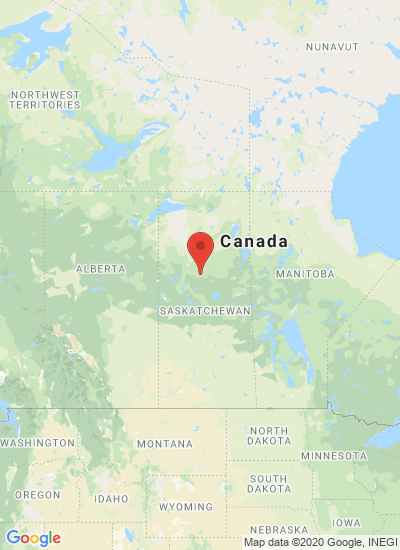

The combination of high temperatures and high water levels is causing concern for potato growers.
"Farmers are right now moving into irrigation mode,"explains Brian Wilson, potato specialist with Manitoba Agriculture. "With the hot weather we're having, they want to get their irrigation system up and going as soon as they can."
He says high river levels are making that difficult for many producers.
"Anybody that's irrigating along the Assiniboine River, or the diversion, or even where the Assiniboine River supplies other sources, it's a real challenge because they're dealing with really high water levels where they normally out of. Intakes are flooded and currents are really strong,"he says. "A lot are doing just what they can to get them operational."
He says the yield potential of the crop will be affected if producers cannot meet the crop's water requirements.
High Water Levels, Heat Trouble Potato Growers in Manitoba
Like to receive news like this by email? Join and Subscribe!
Get the latest potato industry news straight to your WhatsApp. Join the PotatoPro WhatsApp Community!
Related News

October 11, 2026
Agrico Shares Key Lessons for Building Strong, Sustainable Potato Sectors
Agrico's Michel de Bruin says strong potato sectors need more than quality seed, highlighting the importance of farmer knowledge, functioning markets, enabling regulations and flexible approaches tailored to local conditions.
October 11, 2026
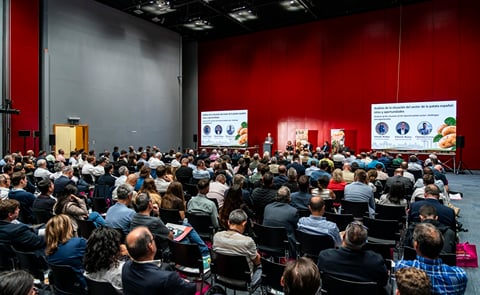
International Potato Symposium in Madrid Highlights Key Challenges and Opportunities for Europe’s Potato Sector
The 1st International Potato Symposium in Madrid brought together 250 professionals to discuss key challenges and opportunities in production, trade, plant health, innovation and sustainability, promoting stronger European cooperation.

October 10, 2026
India and Netherlands Strengthen Cooperation Through Seed Partnership
India and the Netherlands are strengthening cooperation in the seed sector through the India–Netherlands Seed Partnership. A recent mission included ministerial talks and a seed-sector business roundtable focused on future collaboration.