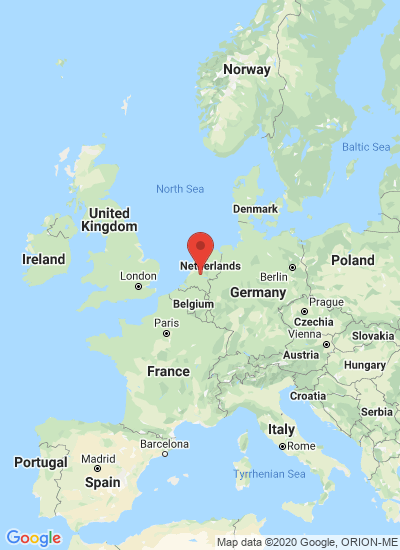
H2L's autonomous AI-powered robot navigates a Dutch seed potato field, scanning crops to identify virus-infected plants during a live field demonstration.
Dutch Seed Potato Industry Unveils AI-Powered Autonomous Robot to Detect Virus-Infected Potato Plants

Around 70 seed potato growers gathered to witness the demonstration of an autonomous selection robot designed to identify virus-infected potato plants. The event highlighted ongoing efforts to automate one of the most labor-intensive tasks in seed potato production, with three Dutch organizations—H2L in Delft, Croptimal in Mensingeweer, and Vegniek in Emmeloord—developing robotic solutions for the sector. Their work reflects the Netherlands' strong reputation for innovation in potato breeding and cultivation.
The H2L robot navigated autonomously through potato rows while scanning plants for visual symptoms of viral infection. During the demonstration, developers said the robot's disease recognition capability is currently comparable to that of a beginner inspector. Although further improvements are needed to match the accuracy of experienced professionals, the system demonstrates the potential of artificial intelligence and machine vision to support crop inspections.
Virus-infected plants can reduce seed potato quality and spread disease throughout a field if left unchecked. As a result, growers routinely inspect fields and remove infected plants—a process known as rouging—which requires skilled labor and multiple passes during the growing season. Automating disease detection could help growers improve consistency while reducing the time required for field inspections.
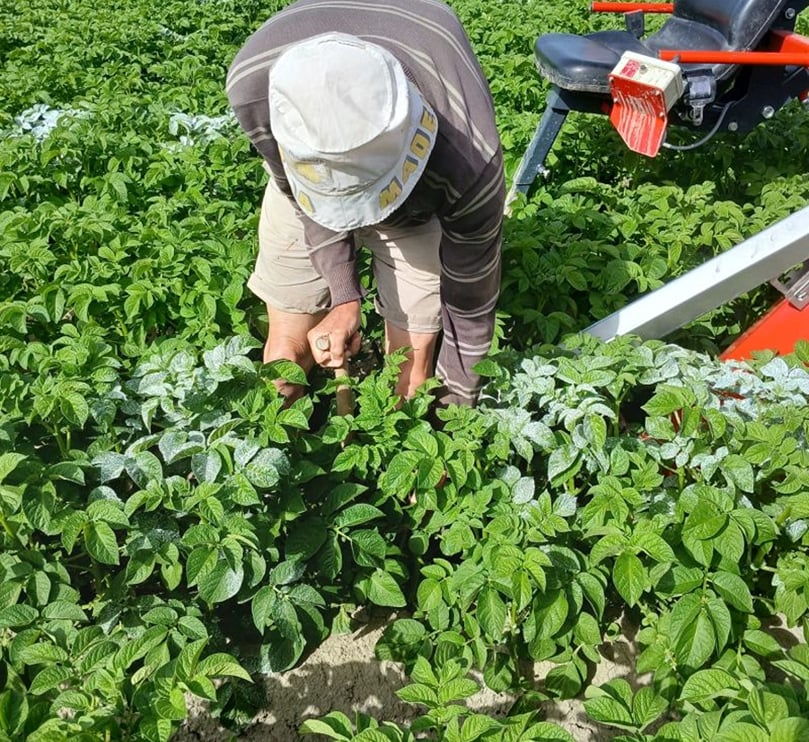
A field worker manually removes virus-infected potato plants after robotic detection and marking, demonstrating the integration of AI technology with traditional rouging practices.
Marking Plants for Efficient Removal
Instead of removing infected plants itself, the robot currently marks the diseased plant along with the plants immediately in front of and behind it using white lime. The markings make infected plants easier to identify, allowing workers to locate and remove them quickly during manual rouging. This approach combines automated detection with human verification, reducing the risk of overlooking diseased plants.
Future Focus on Fully Automated Rouging
Although plant removal remains a manual process, developers are exploring the possibility of equipping future versions of the robot with an automated gripper capable of removing infected plants directly in the field. If successfully implemented, such technology could further reduce labor demands, improve disease management, and help seed potato growers maintain high crop quality as labor shortages continue to challenge the agricultural sector.
The demonstration illustrated that while autonomous potato selection technology is still under development, significant progress is being made. As artificial intelligence, robotics, and precision agriculture continue to advance, autonomous field scouting could become an increasingly important tool for seed potato production in the years ahead.
Like to receive news like this by email? Join and Subscribe!
Get the latest potato industry news straight to your WhatsApp. Join the PotatoPro WhatsApp Community!
Highlighted Company


Related News

October 06, 2026
Dutch Potato Organisation Celebrated Potato Tuesday at Utrecht Central Station on October 6
The Dutch Potato Organisation celebrated Potato Tuesday on October 6 at Utrecht Central Station during the Week of Our Food. Visitors can enjoy free recipe booklets and discover the people behind the Dutch potato industry.

October 05, 2026
Punjab Agricultural University Introduces Four Potato Varieties for Higher Yield and Disease Resistance
PAU Ludhiana has released four potato varieties—PP-101, PP-102, PP-103 and PP-104. Yields range from 142–184 quintals/acre, with PP-103 offering early harvest and PP-104 moderate late-blight resistance. Seed is now available.

October 05, 2026
Idaho Potato Harvest Shows Solid Quality but Lower Yields in 2026
Idaho’s 2026 potato harvest is showing solid quality but lower yields, with frost, heat, warm nights and wildfire smoke affecting production. Planted area fell to 298,915 acres as growers report smaller crops.