
Idaho’s 2026 potato harvest is delivering solid quality but lower yields, as growers contend with frost, summer heat, warm nighttime temperatures and wildfire smoke.
Idaho Potato Harvest Shows Solid Quality but Lower Yields in 2026
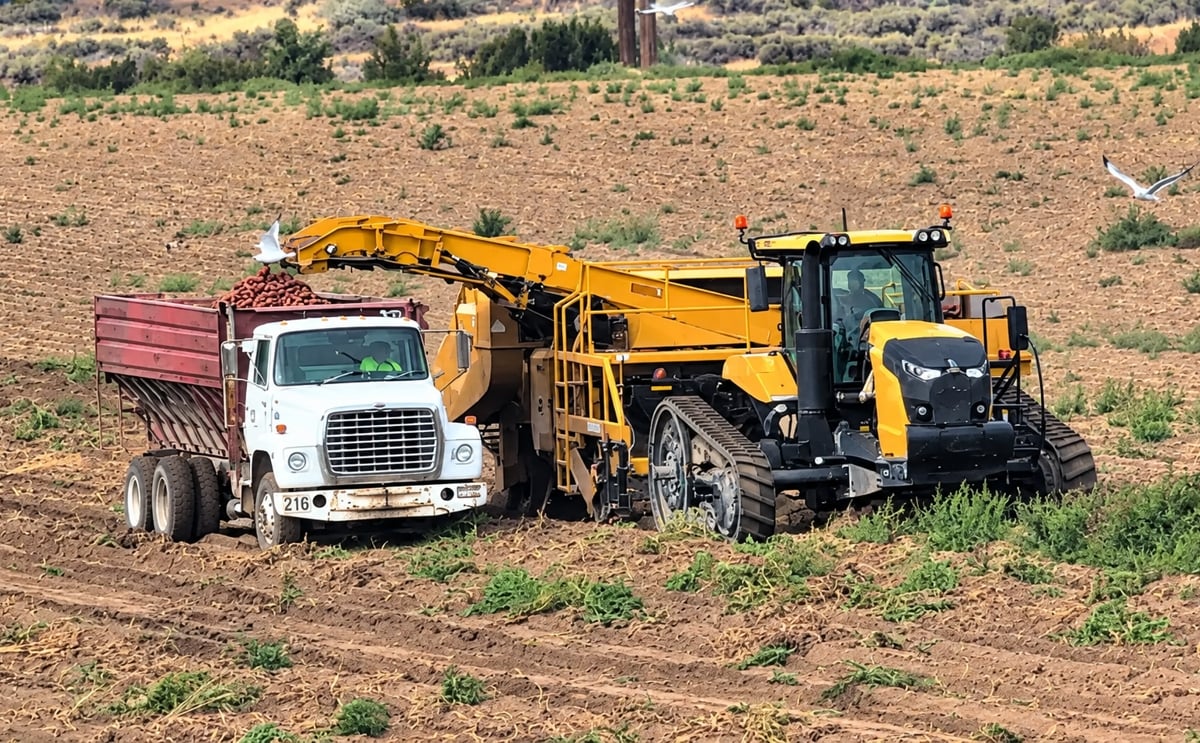
Solid quality and lower yields characterize Idaho’s potato crop as harvest continues.
Travis Blacker, Idaho Potato Commission vice president of research and industry relations:
"Quality is consistent all over, from what I hear. Yields are down. We’re not yet sure by how much."
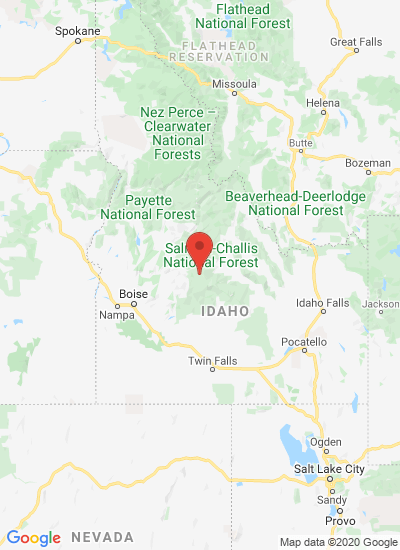
In contrast to 2025’s largely "picture-perfect" growing conditions, 2026 brought "challenges with some frost in different areas, some heat and some wind," Travis Blacker said Sept. 23. Growers "have kind of seen it all," a factor in many saying they expect lower yields. Production is centered in the state’s southern region. In the lower-elevation southwest, harvest started around the third week of August, he said. In eastern and south-central areas, plenty of the tubers are yet to be harvested.
Travis Blacker:
"It’s getting to be crunch time. From here to the first week of October, it’s going to be go time to get all of these potatoes out of the ground."
Field observations
Kamren Koompin, based in American Falls in the east, said Sept. 25 that his harvest is a bit ahead of schedule — helped by weather that is "not too hot or cold." Area growers generally started harvest a little earlier than usual. He grows potatoes for processing into fried products. Yields on his red and Umatilla potatoes are down from the high-yield 2025 season and just below the long-term average. Kamren Koompin said he hears anecdotally that Russet Burbank yields are down substantially from a year ago and a bit from average.
Quality is good, but below-average specific gravity — a density measure — is reducing yields. March was overly warm in eastern Idaho, and many growers planted early cold snaps arrived in late April and late May followed by frost in June, a factor in his lower Umatilla yields, he said. Summer nights were warmer compared to a year earlier, dragging specific gravities and yields in varieties that prefer a wider difference between daily high and low temperatures, Kamren Koompin said.
Kamren Koompin:
"Monsoon rains in the second half of August helped tamp the heat down."
His Clearwater Russet potatoes look average as to yield and quality, he said. He started harvesting them during the week of Sept. 21, earlier than usual. Near Hammett in the state’s southwest, "quality looks pretty good," farmer Nick Blanksma said. Quality is average, yields below average.
Nick Blanksma:
"We definitely had some heat. It wasn’t so much the daytime highs that got us. The nighttime lows didn’t quite get low enough for us on the west side of the state. And wildfire smoke did an awful lot of damage. We’re right on schedule. Weather this September has been favorable to dig potatoes."
Yield expectations
The commission projected 2026 planted acres at 298,915 based on field-level counts, down by about 13,000 from last year. Yield per acre was 440 hundredweight in 2025 and 430 in 2024, according to USDA’s National Agricultural Statistics Service. Ryan Wahlen, sales manager at Aberdeen-based fresh potato grower-shipper Pleasant Valley Potato, said Sept. 10 that yields looked "as bad as we’ve had in years," likely down 50 to 60 sacks per acre from a year ago.
Some sites may yield higher than others, but much lower yields and smaller size profiles are likely overall compared to 2025, he said. Growers with the eastern Idaho business delayed harvest at some fields in hopes tubers would add size. Some growers in the state probably produced better yields based on location and their crop’s development stage when late frost hit, Ryan Wahlen said.
Ryan Wahlen:
"After those events, all of the fields came back but they were never the same."
Like to receive news like this by email? Join and Subscribe!
Get the latest potato industry news straight to your WhatsApp. Join the PotatoPro WhatsApp Community!
Highlighted Company

Related News

October 06, 2026
Dutch Potato Organisation Celebrated Potato Tuesday at Utrecht Central Station on October 6
The Dutch Potato Organisation celebrated Potato Tuesday on October 6 at Utrecht Central Station during the Week of Our Food. Visitors can enjoy free recipe booklets and discover the people behind the Dutch potato industry.

October 05, 2026
Punjab Agricultural University Introduces Four Potato Varieties for Higher Yield and Disease Resistance
PAU Ludhiana has released four potato varieties—PP-101, PP-102, PP-103 and PP-104. Yields range from 142–184 quintals/acre, with PP-103 offering early harvest and PP-104 moderate late-blight resistance. Seed is now available.

October 04, 2026
McCain Proposes to Cut Potato Prices for Tasmanian Growers by USD 10.4 per Tonne
McCain is proposing a USD 10.43 per tonne cut in Tasmanian processing potato prices. TasFarmers says grower committee talks have ended ahead of planting, while McCain says conversations with growers are continuing.