
Soil monitoring technologies and biological inputs are gaining importance in Brazil’s potato sector amid climate challenges and the need to improve production efficiency.
Brazil: tight supply, firm prices, and climate alerts shape the close of May for the potato sector.

Brazil’s potato market and agribusiness sector are closing out May 2026 focused on crop adjustments, innovations in soil monitoring, and relevant climate alerts. The transition between production cycles is setting the pace for prices at the main Wholesale Supply Centers (Ceasas), while the sector seeks greater operational efficiency to protect farm-level margins.
Climate and planted area reduce regional supply in Minas Gerais
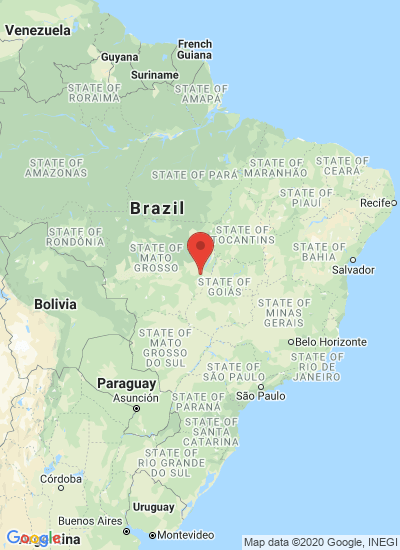
Minas Gerais, Brazil’s largest potato-producing state and responsible for around one-third of national volume, is facing reduced supply from its current crops. According to technical estimates from Faemg, the state’s second crop is expected to post a 4% decline in harvested volume this year, while the projection for the third crop points to a sharper drop of 18%.
This slowdown in production results from a combination of planned reductions in planted area and climatic factors, such as drought episodes following an initial period of adequate rainfall. Despite the lower volume available in the Minas Gerais market, local distributors point out that current prices per kilo, in the range of BRL 5.00–6.00 (USD 0.89–1.07), remain at levels considered more acceptable than the price peaks recorded last year.
Crop transition keeps wholesale market prices firm
According to the latest data from Cepea, prices for Agata-type special potatoes ended the week with little fluctuation, remaining at the consolidated level of previous weeks. In the São Paulo wholesale market, the average stood at BRL 140.89 per 25 kg bag (USD 25.12) (+4.7%), in Rio de Janeiro at BRL 144.12 per bag (USD 25.69), and in Belo Horizonte at BRL 143.47 per bag (USD 25.57).
This firmness in prices reflects the definitive end of the rainy-season crop, expected next week. At the same time, the dry-season harvest in the south of the country is gradually gaining momentum and still shows productivity below its maximum potential, which prevents oversupply and supports grower prices.
“Soil health plan” and the advance of biological inputs
In an initiative to mitigate agronomic bottlenecks, IBRA Megalab launched Soil Healthcare, a continuous soil health monitoring program that operates under a model similar to a traditional health plan.
Brazil has an estimated deficit of 8 million soil analyses per year, leading to mistakes in the application of fertilizers and corrective inputs across two-thirds of the country’s arable land that require liming. The program offers packages ranging from satellite monitoring to indicators focused on carbon stock and sequestration.
This search for greater integrated intelligence in the production system is also driving the biological inputs market. Biological inputs are no longer seen solely as direct substitutes for chemical crop protection products; they are increasingly valued for their contribution to operational stability, traceability, and systemic efficiency in the field, ensuring greater climate resilience for rural properties.
Low-pressure alert and risk of storms in the south and southeast
Meteored’s weather monitoring is issuing an important alert for growers this week. The action of two low-pressure systems is expected to organize intense storms, wind gusts of up to 50 km/h, and potential hail, mainly in western Paraná, Santa Catarina, and southern Mato Grosso do Sul.
A new cyclone is forecast to form on the coast of Rio Grande do Sul this Tuesday the 26th. Rainfall accumulations could exceed 100 millimeters concentrated within just a few hours in border areas, raising the risk of localized flooding and requiring close attention in the management of field activities during this final stretch of May.
Like to receive news like this by email? Join and Subscribe!
Get the latest potato industry news straight to your WhatsApp. Join the PotatoPro WhatsApp Community!
Related News

October 27, 2026
How HZPC Research is Advancing Precision Nutrition for Sustainable Potato Production
Royal HZPC Group researches the nutrient needs of potato varieties to develop tailored fertilization recommendations. This aims to improve yield and quality while reducing fertilizer use and environmental impact through data-driven insights.
October 25, 2026
PepsiCo Uses AI and Regenerative Agriculture to Strengthen Farming Resilience
PepsiCo is combining AI, regenerative agriculture and ag-tech partnerships to help farmers improve soil health, use resources efficiently and strengthen farm resilience, including at a fourth-generation potato farm in Alberta, Canada.
October 25, 2026
UK Food Waste: 5 Common Mistakes That Help Households Reduce Waste and Save Food
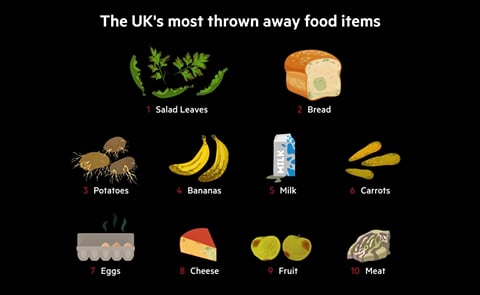
Brits waste 156 meals yearly as AEG research reveals confusion over food dates, reheating and storage. Experts share tips to reduce waste and keep food fresh. Potatoes rank 3rd on the list of most thrown out foods.