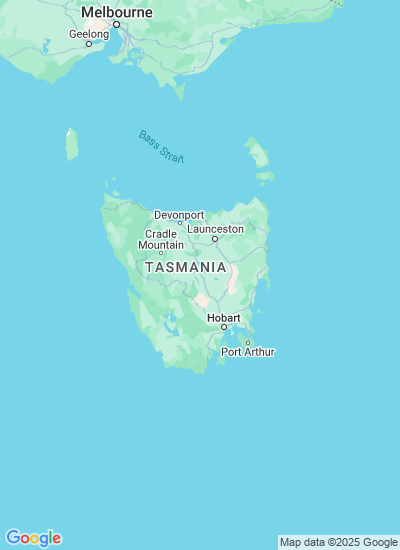
It's the first time a serpentine leafminer has been detected in Tasmania. (Courtesy: Central Science Laboratory, Harpenden)
Tasmania Confirms First Detection of Invasive Serpentine Leafminer

Authorities are investigating Tasmania's first detection of the invasive serpentine leafminer. The high-risk pest affects horticultural and vegetable production systems, and has been present interstate since at least 2020.
The insect was found at a commercial grower in Tasmania's north-west. According to Biosecurity Tasmania, the species is known to affect more than 200 host plant species by damaging plant leaves and reducing their ability to photosynthesise, leading to reduced plant growth and lower crop yields.
Leafminers, including the serpentine leafminer (SLM), create tunnels in plant leaves as they feed, leaving distinctive squiggly white lines on the leaf surface. The site-specific directions to control and minimise spread were in place, and it was undertaking "surveillance and tracing activities".
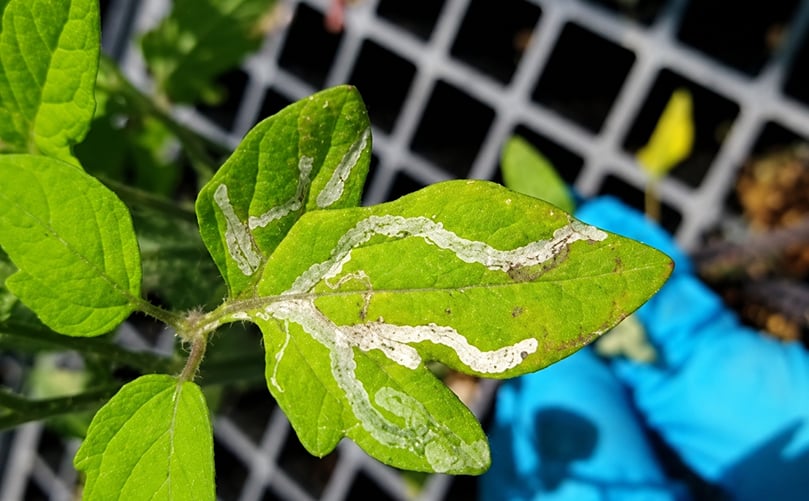
The invasive pest damages the leaves of certain plants. (Courtesy: NSW DPIRD)
The serpentine leafminer (Liriomyza huidobrensis) is a leaf-mining fly. Its larvae feed by tunnelling through plant leaves, causing "mines". Major crop hosts include potato, beans, peas, brassicas, lettuce, celery, tomato and pumpkins and other gourds. It also attacks some ornamental plants.
Public asked to report
Biosecurity Tasmania reported that other leafminer species were "very common" in Tasmania, but accurately diagnosing the serpentine leafminer was only possible through rearing larvae through to the adult stage, or through molecular testing. It has urged the public to aid monitoring by reporting specific cases of leafminer sightings.
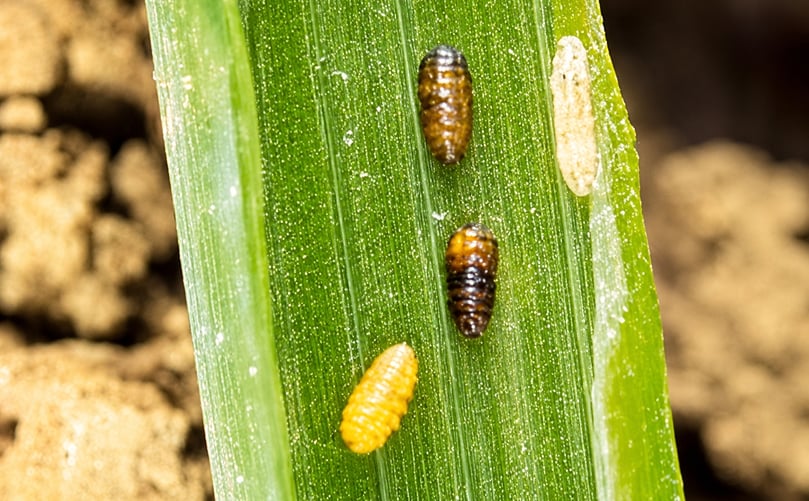
Pupae of the serpentine leafminer
These include heavy leafminer infestations on commercially grown plants, particularly if the infested plants have not been infested previously, and leafminer damage on plants that are not commonly infested by the leafminer species already present in Tasmania. Those species include aster, artichoke, beans, calendula, carnations, celery, cucumber, coriander, gladiolus, marigolds, pumpkin, ranunculus, squash, sunflower, verbena, viola and zucchini.
A full list is available here
Like to receive news like this by email? Join and Subscribe!
Get the latest potato industry news straight to your WhatsApp. Join the PotatoPro WhatsApp Community!
Related News

October 11, 2026
International Potato Symposium in Madrid Highlights Key Challenges and Opportunities for Europe’s Potato Sector
The 1st International Potato Symposium in Madrid brought together 250 professionals to discuss key challenges and opportunities in production, trade, plant health, innovation and sustainability, promoting stronger European cooperation.

October 10, 2026
EarthFresh Butter Potatoes Reach More Than 4 Million Households as Retail Demand Surges
EarthFresh Butter Potatoes are gaining momentum across North America, reaching over 4 million households. With acreage up 40% and 100% incremental sales, the premium lineup offers retailers new opportunities to grow the potato category.

October 08, 2026
ICAR-CPRI Potato Varieties Cover Nearly 75% of India’s Potato Area
ICAR-CPRI's Kufri Jyoti, Kufri Bahar, Kufri Pukhraj and Kufri Chipsona-1 together cover nearly 75% of India's potato cultivation area. The varieties have boosted productivity, farmer incomes and the potato processing sector.