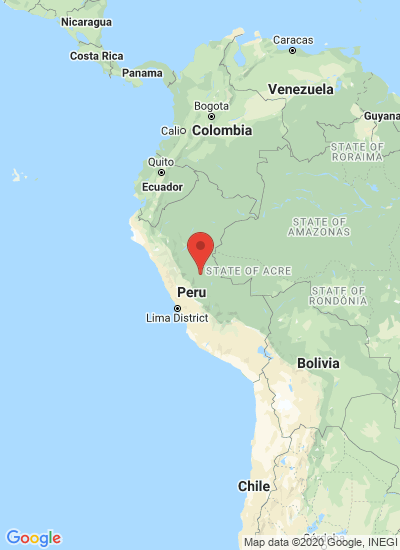

Traditional potato farming practices in the Andes that once provided in situ conservation of the vast diversity of native varieties have been waning over the past decades. Roads now bring in truckloads of rice, pasta and other sources of convenient carbohydrates to these once remote villages 4,000 meters above sea level.
By 2002, farmers were noticing that the decline of their traditional practices led to a low supply of quality potato seed and output. As well, their potatoes had become more susceptible to pests and disease.
Communities in Huancayo, Peru heard about the potato collection at the International Potato Center (CIP) and travelled to its headquarters in Lima in hopes of acquiring clean seeds.
In response, CIP began repatriating disease-free germplasm to farmers in Andean communities Ten years later, 2012 marks the first time that native potato varieties have been repatriated to the communities as in-vitro potato samples.
“Repatriation through in-vitro seedlings offers the highest quality of clean seed,” says Rene Gomez, the native potato curator at the CIP’s genebank.
“It took us 10 years to build the infrastructure and train the communities to be able to receive potato samples by in-vitro. But if you look at it from a big picture perspective, 10 years is just a dent in the history of potato farming, which dates back 10,000 years,” adds Gomez.
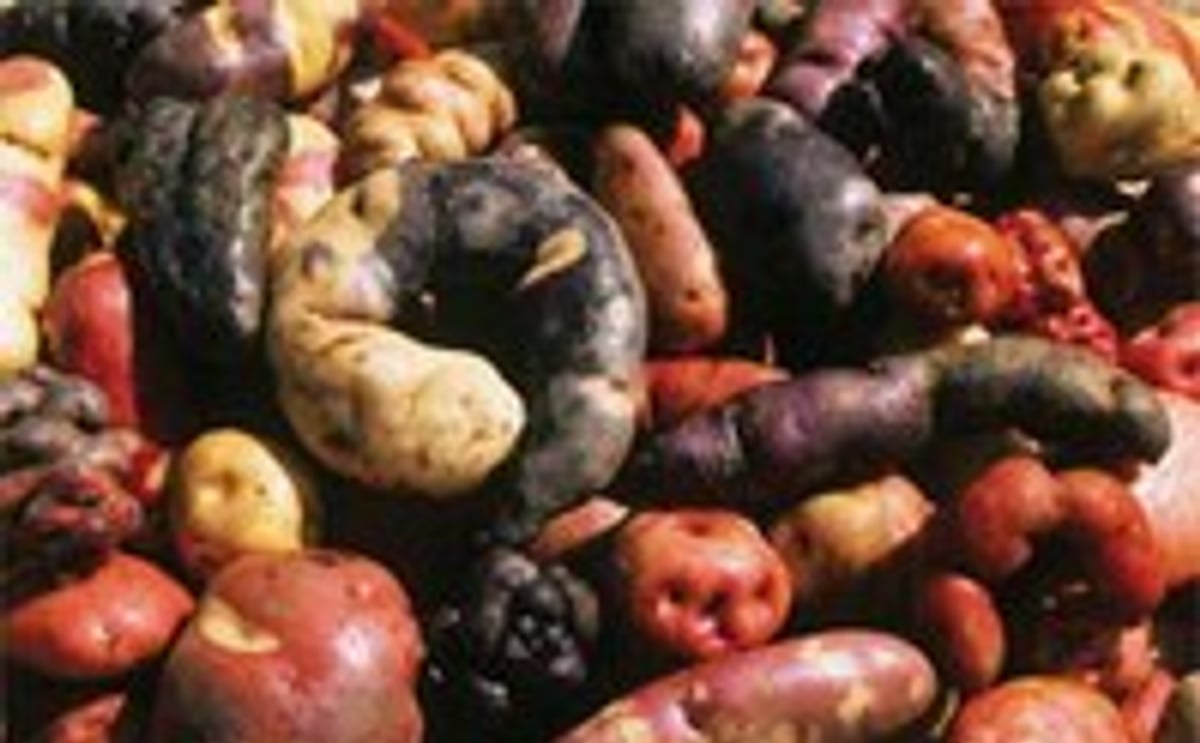
In 1971, when CIP began collecting potatoes from Peru’s highland, the fields abounded with diversity. Centuries of traditional farming methods meant that on average each Andean farmer planted a bountiful 400 varieties of potatoes a season on hectare-small plots.
CIP initiated its collection to conserve the genetic resources of potato and widen the selection of desirable traits for breeding improved spuds. Today, CIP houses the world’s largest potato collection – more than 7,000 accessions in an earth-quake proof, state-of-the-art conservation chamber. This vast genetic diversity is now an insurance policy to deal with unforeseen events and climate change, as biodiversity offers a wide portfolio of traits, valuable for adapting to changing environments.
CIP’s collection now serves as backup to the biodiversity lost in the fields. To date, CIP has repatriated 410 native potatoes varieties among communities across the Andes. The long-term aim is to establish thriving community genebanks to ensure that the genetic resources underpinning the food supply are secure for farmers today, and in the future.
Native potatoes get a clean start from repatriated in-vitro seedlings
Like to receive news like this by email? Join and Subscribe!
Get the latest potato industry news straight to your WhatsApp. Join the PotatoPro WhatsApp Community!
Highlighted Company

Related News

October 08, 2026
ICAR-CPRI Potato Varieties Cover Nearly 75% of India’s Potato Area
ICAR-CPRI's Kufri Jyoti, Kufri Bahar, Kufri Pukhraj and Kufri Chipsona-1 together cover nearly 75% of India's potato cultivation area. The varieties have boosted productivity, farmer incomes and the potato processing sector.

October 06, 2026
Dutch Potato Organisation Celebrated Potato Tuesday at Utrecht Central Station on October 6
The Dutch Potato Organisation celebrated Potato Tuesday on October 6 at Utrecht Central Station during the Week of Our Food. Visitors can enjoy free recipe booklets and discover the people behind the Dutch potato industry.

October 05, 2026
Punjab Agricultural University Introduces Four Potato Varieties for Higher Yield and Disease Resistance
PAU Ludhiana has released four potato varieties—PP-101, PP-102, PP-103 and PP-104. Yields range from 142–184 quintals/acre, with PP-103 offering early harvest and PP-104 moderate late-blight resistance. Seed is now available.