Portugal
Portugal has a long-established potato sector, with cultivation distributed across mainland Portugal and the autonomous regions. Potato production is particularly concentrated in the North and West regions, where climatic conditions, soils and access to irrigation support commercial production. The crop is grown under different production systems, ranging from intensive commercial fields to smaller diversified farms. Portugal's relatively varied climate allows potatoes to be produced in different seasons and environments.
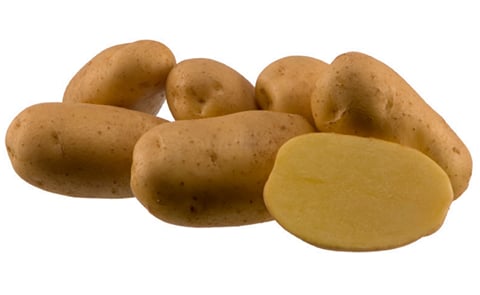
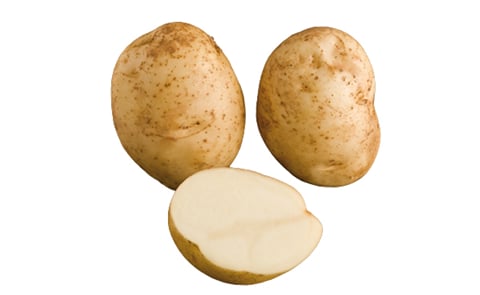
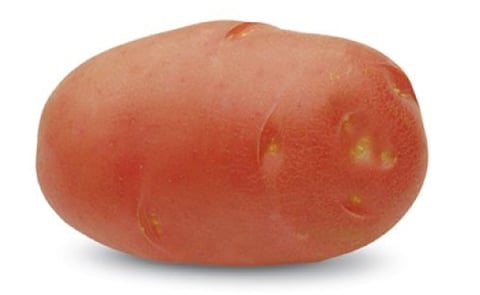
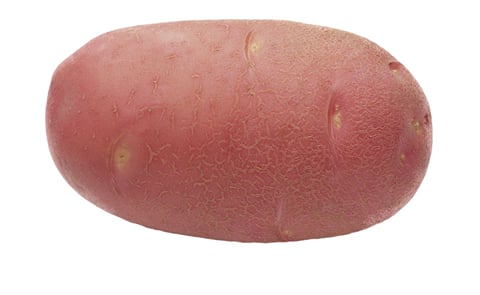
The Trás-os-Montes region in northeastern Portugal has a distinctive potato growing tradition. Its mountain and valley environments support the production of Batata de Trás-os-Montes PGI, a protected geographical indication product. The designated product uses cultivars including Desirée, Kennebec, Jaerla and Atlantic and production may be integrated with cereal, vegetable or maize rotations. The region's combination of altitude, soils and local production practices contributes to the characteristics associated with its potatoes.
Other important potato growing areas include the West region, the Vale do Tejo and northern parts of the country. Commercial production uses varieties selected according to market requirements, growing conditions and end use; varieties reported for the Vale do Tejo include Monalisa, Agria, Asterix and Vivaldi. Portugal also maintains a broader heritage of locally adapted agricultural varieties, supported through national plant genetic resource conservation programmes.
The potato (Solanum tuberosum L.) reached Portugal from South America during the early period of its introduction into Europe. Historical research indicates that it was probably present in Portugal by the 16th century, with evidence suggesting an early route through Galicia. Cultivation initially developed in relatively small areas, including Trás-os-Montes, before spreading towards Minho, Beiras and other parts of the country. A documented Portuguese reference to potato cultivation dates to 1643, while a commercial purchase is recorded in Viseu in 1705.
The crop expanded more substantially from the mid-18th century, helped by agricultural and subsistence crises that increased the importance of potatoes as a food and livestock feed. Historical research describes the gradual diffusion of the crop across Portugal during the 17th to 19th centuries, with cultivation becoming increasingly integrated into rural farming systems. By the late 18th century, government and scientific institutions were also promoting potato cultivation; in 1798, Queen Maria I initiated an official campaign to encourage potato planting in the Azores. During the 19th century, potatoes became an established component of Portuguese agriculture and food systems.