

Low Fat Potato Chips: Bridging Health, Innovation and Modern Snacking Trends
Low fat potato chips have emerged as a significant innovation in the snack food sector, responding to growing consumer demand for healthier alternatives amid rising concerns about obesity, cardiovascular diseases, and overall dietary wellness. Unlike traditional potato chips, which are typically deep fried and high in fat, low fat variants focus on minimizing oil absorption through advanced processing techniques. These methods help retain the characteristic crunch and flavor of potato chips while substantially reducing fat and calorie content.
The global potato chips market is experiencing steady growth and is projected to reach USD 55.072 billion by 2030, expanding at a CAGR of 3.78%. A considerable share of this growth is being driven by healthier product categories, including low fat, baked and air fried chips. In North America, the healthy snack chips segment which includes low fat potato chips was valued at USD 11.65 billion in 2023 and is expected to reach USD 18.62 billion by 2033, growing at a CAGR of 4.8%. This expansion is supported by increasing consumer preference for plant based, gluten free and low sodium snack options.
These market trends also reflect broader lifestyle shifts, such as increased snacking frequency, rising demand for convenient yet nutritious foods and the rapid growth of e-commerce platforms offering fat free and low-calorie snack options. Product innovations are increasingly aligned with popular dietary patterns such as keto, paleo and clean label diets, further strengthening the appeal of low fat potato chips. Younger consumers, particularly millennials and Gen Z, are placing greater emphasis on ingredient transparency, sustainability and ethical production.
Beyond nutritional advantages, low fat potato chips also attract eco-conscious consumers by reducing oil usage and processing waste compared to conventional frying methods. Despite these benefits, challenges such as flavor perception, texture consistency and relatively higher production costs remain. Even so, low fat potato chips continue to position themselves as a practical bridge between indulgence and health, fitting seamlessly into a snack market increasingly dominated by “better-for-you” alternatives.
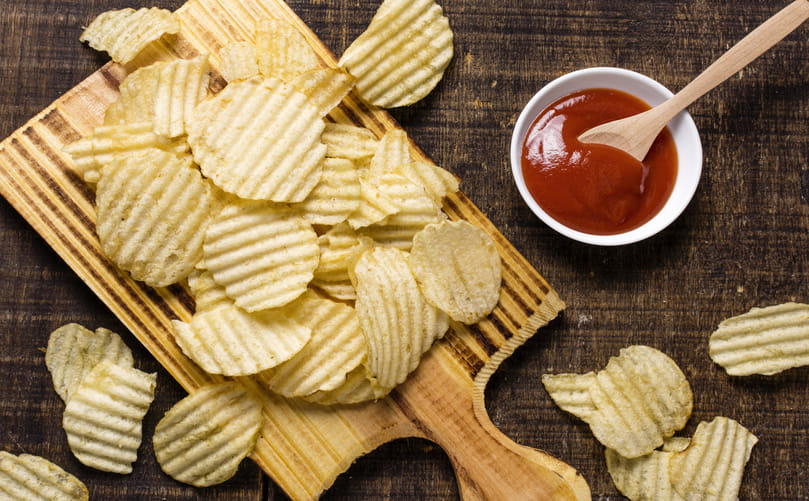
Low Fat Potato Chips: A Healthier Take on a Classic Snack
Low Fat Potato Chips: Definition, Concept and Nutritional Profile
Low fat potato chips are thinly sliced potato snacks designed to have substantially reduced fat content, typically achieved by limiting oil absorption during processing. According to FDA regulations, a product can carry a "low-fat" label if it contains no more than 3 grams of fat per reference amount customarily consumed (RACC), usually a 50 gram serving or if used in meals/main dishes, ensures fat contributes no more than 30% of total calories. This differs from "reduced-fat" claims, which require at least a 25% reduction in fat compared to a reference product, such as regular potato chips.
Conventional potato chips, deep fried in oil can contain 10 grams or more of fat per 1-ounce (28 g) serving, delivering around 160 calories and 1–1.5 grams of saturated fat. In contrast, low fat variants, including baked or air fried chips, typically contain 2–7 grams of fat, 120–140 calories and minimal saturated fat (0–1 gram), while maintaining similar carbohydrate (15–23 grams) and protein (1–2 grams) content.
The core concept centers on reducing fat by 25–70% without compromising the signature crunch, accomplished through alternative cooking methods or the use of fat replacers, such as modified starches. For example, Lay’s Baked Potato Chips contain 120 calories and 2 grams of fat per serving, compared to 160 calories and 10 grams of fat in their fried counterparts, highlighting their “better-for-you” positioning.
However, some low-fat chips may have slightly higher sodium (190–257 mg per serving) or carbohydrates to enhance flavor and texture. While they offer limited fiber (around 1 gram) and micronutrients compared to whole vegetables, low-fat potato chips appeal to health-conscious consumers by reducing risks associated with high fat diets including elevated LDL cholesterol, while maintaining sensory satisfaction. Variants made from sweet potatoes or other vegetables exist, but true low fat potato chips typically use russet or Yukon Gold potatoes for optimal texture. Sensory trade-offs, such as reduced oiliness can result in a firmer or “less indulgent” mouthfeel, yet ongoing innovations continue to improve taste and crunch, making low fat chips a viable alternative in a market shifting from purely indulgent to mindful snacking.
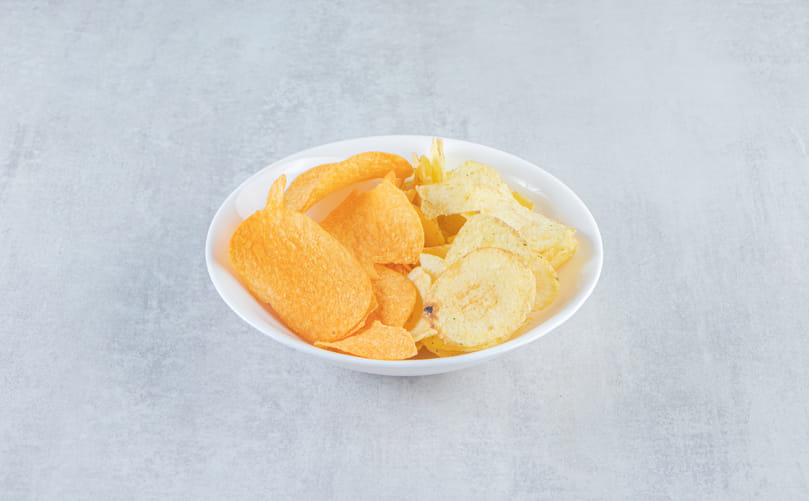
How Low Fat Potato Chips Compare to Regular Chips
Processing and Technology Used in Low Fat Potato Chips
The production of low fat potato chips relies on innovative technologies designed to minimize oil usage while maintaining texture, flavor and structural integrity, differing significantly from traditional deep frying at 180–200°C, which can result in 35–45% oil content. Key processing methods include baking, air frying, vacuum frying and microwave vacuum drying, often combined with pretreatments such as blanching or oil absorption inhibitors to optimize results.
Baking involves cooking potato slices in an oven at 150–200°C for 6–10 minutes, reducing fat content by 50–70% through convective heat rather than oil immersion. However, longer baking times may increase acrylamide formation, a concern that vacuum assisted baking mitigates, achieving reductions of 72–98%. Air-frying circulates hot air (up to 200°C) with minimal oil droplets, reducing oil content by 50–70% compared to deep frying. This method, employed in appliances like the ActiFry, achieves crispiness in 8–20 minutes, lowers moisture content by 48%, and improves color retention.
Vacuum frying operates under reduced pressure, lowering the boiling point of water to 85–120°C, allowing potato slices to fry in 3–5 minutes with approximately 30% less oil uptake. A de-oiling spin cycle further minimizes fat content, preserves nutrients and reduces acrylamide formation by up to 98%. Microwave vacuum drying combines microwave energy with vacuum conditions, retaining up to 70% of vitamins while achieving low oil content, particularly useful for fortified chips. Advanced techniques like ultrasonic microwave assisted vacuum frying enable even lower processing temperatures, enhancing nutrient retention and crunch. Pretreatments, such as washing slices in aqueous solutions or applying modified starches, further reduce oil absorption.
Several patents, including US4756916A, describe processes such as partial drying to 30–65% moisture, followed by steam treatment and frying, highlighting the technical innovations in low-fat chip production. These technologies improve processing efficiency vacuum systems, for example, allow oil recycling and extend shelf life while addressing challenges like higher costs and scalability. Overall, modern processing methods scientifically achieve fat reduction, with vacuum frying preventing fatty acid degradation and air frying minimizing surface damage, producing healthier, crunchier potato chips.
Nutritional Profile and Comparison of Low-Fat Potato Chips
Low-fat potato chips generally contain 120–140 calories per ounce, with 2–7 grams of fat, primarily unsaturated, compared to 160 calories and 10 grams of fat in traditional fried chips. Carbohydrate content remains similar, around 15–20 grams, although some low-fat varieties may have slightly higher sodium levels (190–257 mg per serving) to enhance flavor. Protein content is modest, typically 1–2 grams, with about 1 gram of dietary fiber per serving and they usually contain no trans fats.
For instance, Pringles Reduced Fat Original provides 140 calories and 7 grams of fat per serving, compared to 160 calories and 10 grams in the standard version. Low-fat chips offer a 25–50% reduction in calories and lower saturated fat, supporting better heart health. However, baking or other fat-reduction processes can increase carbohydrate content by up to 33% and may reduce micronutrient levels, such as vitamin C.
Overall, low-fat potato chips present clear advantages in controlling fat and calorie intake, making them a suitable option for health-conscious consumers, but they should still be consumed in moderation as part of a balanced diet.
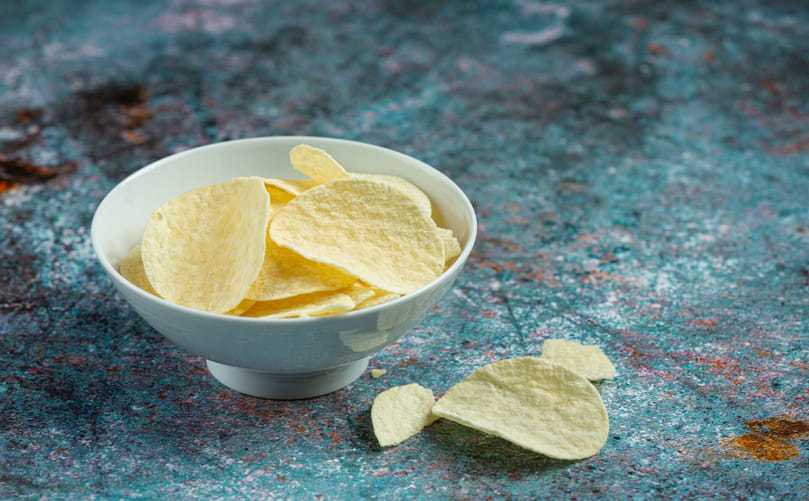
Healthy and Nutrient Packed Potato Chips
Health Benefits and Target Consumers of Low-Fat Potato Chips
Low-fat potato chips provide several health benefits by significantly reducing fat and calorie intake compared to traditional fried varieties, making them an appealing option for consumers who want healthier snacking without completely giving up indulgence. They primarily support weight management; research indicates that substituting low-fat chips for regular ones can reduce daily fat intake by 5–8 grams and lower overall energy consumption in the short term, potentially decreasing the risk of obesity and related metabolic conditions.
For cardiovascular health, low-fat chips contain minimal saturated and trans fats typically 0–1 gram per serving compared to 1–1.5 grams in regular chips helping to reduce LDL cholesterol levels and support heart function. Some variants use healthier oils, such as avocado or olive oil, providing monounsaturated fats (MUFAs) that improve blood vessel function and lower hypertension risk. Additionally, certain low-fat chips retain beneficial nutrients naturally found in potatoes, such as potassium (up to 340 mg per serving) to help regulate blood pressure and small amounts of dietary fiber (1–3 grams) to aid digestion.
While they are not nutrient dense and should complement a balanced diet, low-fat chips eliminate trans fats associated with increased cancer risk. Processing methods like vacuum frying also reduce acrylamide formation by up to 98%, further enhancing safety. When consumed in moderation, these snacks align with dietary guidelines recommending less than 30% of daily calories from fat, offering 25–50% fewer calories per serving than traditional chips.
The target consumers for low-fat potato chips are diverse. Health-conscious adults aged 25–45, including millennials and Gen Z, prioritize wellness and represent a significant portion of those seeking protein enriched or fiber fortified snacks. Weight conscious individuals on calorie restricted diets or managing obesity prefer low-fat chips for portion control and guilt free snacking. Older adults (45+) with cardiovascular concerns, such as high cholesterol or hypertension, benefit from reduced saturated fat content. Busy professionals and parents favor convenient, on-the-go formats, while the growing e-commerce market caters to keto and paleo diet followers seeking zero calorie or low-fat options.
Environmentally conscious consumers are drawn to brands with sustainable practices and clean label claims, and athletes or physically active individuals appreciate the quick energy from carbohydrates without excess fat. Market research indicates that 50% of US consumers consider health-promoting ingredients when choosing snacks, driving demand in urban areas, particularly in North America, where the healthy snack chips market is projected to reach USD 18.62 billion by 2033. However, low-fat potato chips may be less suitable for strict low carb diets due to their carbohydrate content, typically 20–23 grams per serving.
Health Benefits and Target Consumers of Low-Fat Potato Chips
Taste, Texture and Sensory Quality of Low-Fat Potato Chips
Reducing fat content in potato chips inevitably influences sensory attributes, often leading to perceptions of compromised taste and texture when compared with regular chips. However, recent technological advancements have significantly narrowed this gap. In terms of taste, low-fat potato chips generally exhibit less oiliness and a milder potato flavor due to the reduction of fat soluble flavor compounds. Despite this, they maintain comparable saltiness and the use of natural seasonings and flavor enhancers helps improve overall palatability.
Sensory evaluations indicate consumer acceptance scores ranging from 65 to 85, with baked and vacuum fried chips receiving higher ratings for their balanced and cleaner flavor profiles. For example, composite baked chips are often preferred for their lighter, less greasy taste. In contrast, traditional fried chips tend to score higher for richness and indulgence, frequently described as saltier and more flavorful, with blind test scores reaching up to 70 out of 90, while low-fat versions may score slightly lower due to perceptions of blandness.
Texture is a critical factor distinguishing low-fat chips from conventional ones. Low-fat chips can sometimes be perceived as “dry,” “hard” or “sticky” if moisture content exceeds optimal levels (0.67–3.78%). Instrumental analysis shows hardness values ranging from 379 to 1103 gf and fracturability from 167 to 857 gf, both of which negatively correlate with sensory acceptance (r = –0.75).
Innovations such as vacuum frying improve internal porosity and increase crispness by approximately 15%, enhancing crunch intensity and freshness perception. Air frying further contributes to a lighter, flakier mouthfeel with up to 48% lower moisture content. While regular chips are often described as “greasier but satisfying,” owing to their higher fat content (around 10 grams versus 2–7 grams in low-fat chips), certain formulations using emulsifiers like PGPR can mimic a greasy mouthfeel with minimal additional oil (approximately 0.5%).
Overall, the eating experience still tends to favor traditional chips in informed consumer tests due to familiarity and richness. However, blind tastings frequently show low-fat chips to be crunchier and less oily, making them appealing to health-conscious consumers. Although challenges such as potential acrylamide formation may affect aroma, the use of clean label seasonings and optimized processing techniques has improved sensory outcomes. As a result, nearly 40% of tasters prefer reduced fat chips for their lighter texture and cleaner finish, indicating growing acceptance as processing technologies continue to advance.
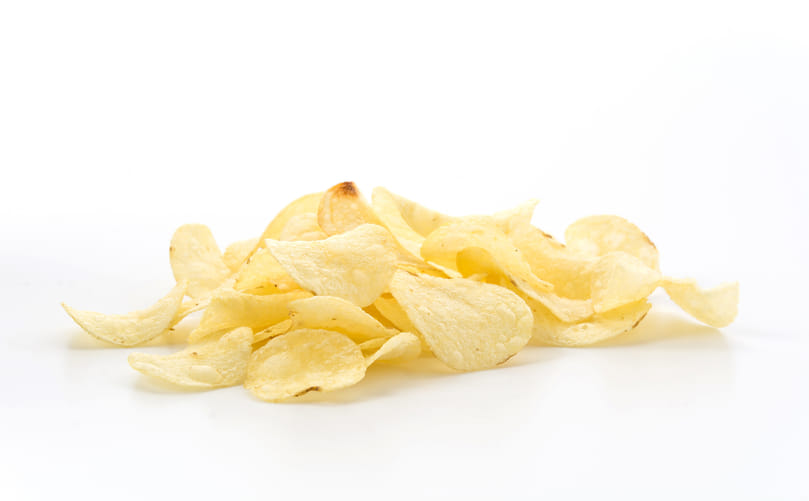
Crunch, Flavor and Mouthfeel in Low-Fat Chips
Ingredients and Clean Label Aspects of Low-Fat Potato Chips
Low-fat potato chips typically use a simplified ingredient profile that emphasizes quality, functionality and transparency. The core ingredient is high-quality potatoes, most commonly russet or Yukon Gold varieties, selected for their starch content and ability to deliver optimal texture and crispness. Fat content is minimized through the use of limited amounts of vegetable oils such as canola, sunflower, safflower or soybean oil, often sourced as non-GMO. Sea salt is commonly used for seasoning, supporting a clean and familiar flavor profile.
To compensate for reduced oil and maintain structure and mouthfeel, formulations may include fat replacers such as modified starches, rice flour, corn starch, maltodextrin or functional hydrocolloids like mono- and diglycerides. These ingredients help preserve crunch and integrity without significantly increasing fat content. For example, brands such as Cape Cod rely on simple formulations consisting of potatoes, vegetable oil and sea salt, while Lay’s kettle style or baked variants may include natural antioxidants such as tocopherols or ascorbic acid to maintain freshness. Pringles Reduced Fat uses degeminated yellow corn flour to enhance crispness and uniform texture.
Most low-fat potato chips are free from trans fats and high-fructose corn syrup and many products are formulated to be gluten free and kosher. Clean label trends strongly influence product development, with around 50% of US consumers prioritizing natural and health promoting ingredients. In response, major brands have removed artificial colors and flavors, replacing them with natural alternatives derived from spices, herbs, vegetables, yeast extracts or fruit based seasonings. This approach aligns with regulatory guidelines and growing consumer demand for ingredient transparency, reduced use of preservatives and avoidance of artificial additives or “E-number” ingredients.
Recent innovations include the use of avocado or olive oil in premium low-fat variants, reducing reliance on conventional seed oils such as corn or soybean oil. Some manufacturers are also incorporating plant-based extracts for flavor enhancement and experimenting with upcycled ingredients, such as heirloom corn or alternative potato varieties, to improve sustainability. Overall, clean label low-fat potato chips focus on minimal processing, non-GMO verification and the absence of artificial additives, strengthening their appeal in a market increasingly concerned about ultra-processed foods and environmental impact.
Shelf Life and Storage Stability of Low-Fat Potato Chips
Low-fat potato chips produced through baking, air frying or vacuum frying generally exhibit a longer shelf life than traditional deep fried chips due to their significantly lower oil content, typically 1–6 grams per 30 gram serving compared with 9–12 grams in conventional chips. Reduced oil levels limit the substrates available for lipid oxidation, thereby slowing increases in peroxide value, total polar compounds and the formation of rancid aldehydes. As a result, oxidative deterioration progresses more slowly, contributing to improved storage stability.
Vacuum fried chips, processed at 85–120 °C under reduced pressure, demonstrate particularly strong oxidative stability. Studies on fortified low-fat potato chips processed using microwave vacuum drying report retention of more than 90% of calcium, approximately 53% of vitamin C and about 72% of vitamin E, with quality remaining stable for at least three months when stored at 25 ± 2 °C and 65 ± 2% relative humidity. Vacuum frying also preserves bioactive compounds such as phenolics, flavonoids and carotenoids more effectively than atmospheric frying, while simultaneously reducing acrylamide formation. These factors collectively support extended shelf life and improved nutritional quality.
Packaging plays a critical role in maintaining storage stability. Nitrogen flushed modified atmosphere packaging (MAP) with at least 99% nitrogen is widely used to minimize headspace oxygen, prevent package collapse and maintain crispness by controlling moisture migration. When combined with high barrier metallized or aluminum laminated films, nitrogen flushing can extend the acceptable ambient shelf life of low-fat potato chips to 12–18 months, compared with 3–6 months for conventional fried chips. Accelerated storage studies on vacuum fried snacks further demonstrate slower increases in peroxide value and improved volatile stability, extending freshness by 2–4 weeks compared to air packed products, particularly when high oleic oils are used.
Despite improved oxidative stability, moisture absorption remains the primary cause of quality loss in low fat chips, leading to texture softening and staling, whereas rancidity is the dominant failure mode in high fat products. Additional stability measures include the use of natural antioxidants such as tocopherols and rosemary extracts, along with post frying de-oiling spin cycles to reduce residual oil. For optimal storage, low-fat potato chips should be kept in cool conditions below 25 °C, at relative humidity below 60%, and protected from light. Free fatty acid levels, an indicator of hydrolytic rancidity, increase more slowly in low-fat formulations, further supporting extended quality retention during storage.
Packaging and Shelf Life Innovations for Low-Fat Chips
Market Trends and Consumer Demand for Low-Fat Potato Chips
The low-fat and baked segment is currently the fastest growing category within the global potato chips market, driven by rising health awareness, increasing preference for clean label products and growing demand for reduced calorie snacking options. While market estimates vary by source, they consistently indicate steady expansion. The global potato chips market, valued at USD 45.757 billion in 2025, is projected to reach USD 55.072 billion by 2030 at a CAGR of 3.78%, with some forecasts suggesting more optimistic growth reaching up to USD 80.25 billion by 2031. Within this broader market, baked and low-fat variants are outpacing traditional fried chips, with projected growth rates of up to 6.98% CAGR, reflecting a clear shift toward “better-for-you” alternatives.
In India, which is particularly relevant given the current context, the demand for healthier snack options is growing rapidly. The Indian healthy snacks market, which includes low-fat potato chips, was valued at approximately USD 4,123.1 million in 2024 and is expected to reach USD 8,156.5 million by 2033, registering a CAGR of about 8%. Other estimates place the market at USD 2.67 billion in FY2024, growing to USD 4.95 billion by FY2032 with a CAGR of 8.03%. The Indian potato chips market alone is estimated at USD 1.62 billion in 2025 and is projected to grow at a robust CAGR of 10.75% through 2031, largely driven by innovations in baked and low-fat product lines. Rapid urbanization, rising disposable incomes, expansion of e-commerce platforms, and changing lifestyles of Gen Z and millennials who increasingly prioritize wellness and convenience are key contributors to this growth.
Consumer preferences are shaping several notable trends in the low-fat potato chips segment. Clean label positioning, characterized by the absence of artificial colors, flavors and preservatives is becoming a strong purchase driver. There is also rising interest in bold and regionally inspired flavors that deliver indulgence without excessive fat, such as spicy or sweet heat profiles. Premium formulations using avocado or olive oil instead of conventional seed oils are gaining attention, alongside functional innovations such as protein enrichment or digestive health claims. Sustainability is another important factor, as reduced oil usage translates into lower waste generation and a smaller carbon footprint, appealing to environmentally conscious consumers.
Consumer research indicates that around 50–60% of shoppers actively look for “low-fat” or “baked” claims when purchasing snacks and in India, nearly one in five snack occasions now involves a healthy, low calorie or low-fat product. Many consumers are willing to pay a 15–30% price premium for low-fat potato chips if taste and texture meet expectations. Despite this strong demand, challenges remain, including growing skepticism around seed oils and the ongoing need to balance indulgent sensory qualities with health-oriented positioning. Overall, market trends clearly suggest that low-fat potato chips are moving from a niche offering to a mainstream snack category with sustained growth potential.
Regulatory and Labeling Considerations for Low-Fat Potato Chips
In the United States, food labeling and nutrient content claims for low-fat potato chips are regulated by the Food and Drug Administration (FDA). A product may be labeled as “low fat” if it contains no more than 3 grams of total fat per reference amount customarily consumed (RACC), which for potato chips and similar snack foods is typically 30 grams. A “reduced fat” claim requires the product to contain at least 25% less fat than an appropriate reference food and the reference product itself must not qualify as low fat.
The FDA’s updated “healthy” nutrient content claim, finalized in December 2024 with enforcement postponed until April 28, 2025, places greater emphasis on foods making a meaningful contribution to recommended food groups such as vegetables, fruits, whole grains, fat free or low-fat dairy and protein foods, while also meeting limits for saturated fat, sodium and added sugars. Reformulated low-fat potato chips may be better positioned to meet these criteria than traditional fried chips, which generally exceed saturated fat and sodium thresholds. In addition, the FDA has proposed a front-of-package “Nutrition Info Box” that would categorize saturated fat, sodium and added sugars as low, medium or high, increasing transparency for consumers.
Within the European Union, nutrition and health claims are governed by Regulation (EC) No 1924/2006. Under this framework, a “low fat” claim is permitted only if the product contains no more than 3 grams of fat per 100 grams, while a “reduced fat” claim requires at least a 30% reduction in fat compared to a reference product. All claims must be scientifically substantiated, clearly communicated and not misleading to consumers. These harmonized rules ensure consistency across EU member states and place strict responsibility on manufacturers to justify nutrition claims.
In India, regulatory oversight is provided by the Food Safety and Standards Authority of India (FSSAI). Nutrient content claims, including “low fat,” fall under the Food Safety and Standards (Advertising and Claims) Regulations, 2018, which require that all claims be truthful, evidence-based, and not suggest prevention or treatment of diseases. General labeling requirements are defined under the Food Safety and Standards (Labelling and Display) Regulations, 2020, mandating the declaration of energy, total fat, saturated fat, carbohydrates, sugars, protein and salt per serving and per 100 grams.
Thresholds for low-fat claims generally align with Codex and FDA standards, typically not exceeding 3 grams of fat per 30 grams or per 100 grams, depending on the claim and product category. Manufacturers must also comply with applicable product standards for potato chips or extruded and expanded snack foods. While front-of-pack labeling schemes are not yet mandatory in India, all nutritional information must be accurate, non-misleading and compliant with FSSAI regulations and disease risk reduction claims require specific regulatory approval.
Sustainability and Production Efficiency in Low-Fat Potato Chip Manufacturing
Low-fat potato chip production, particularly through baking, air frying and vacuum frying, offers clear sustainability advantages over conventional deep frying by substantially reducing oil consumption, energy use, wastewater generation and overall carbon footprint. Compared to traditional frying, these methods typically reduce oil usage by 30–50%, directly lowering the environmental burden associated with edible oil production, refining, transport and disposal.
Vacuum frying which operates at lower temperatures of approximately 85–120 °C under near zero oxygen conditions can reduce oil uptake by up to 50% while simultaneously preserving heat sensitive nutrients and decreasing acrylamide formation by 94–98%. These efficiencies translate into reduced fossil fuel demand and less waste oil, improving both environmental and economic performance.
Life-cycle assessment studies indicate that, in some scenarios, potato chips can exhibit a lower global warming potential than fresh potatoes when evaluated per kilogram consumed, largely because processing concentrates the product and reduces transport volumes. Values reported include approximately 0.85 kg CO₂-equivalent per kilogram consumed for potato chips compared with 0.97 kg for fresh potatoes, while frozen fries remain more carbon intensive at around 1.21 kg CO₂-equivalent per kilogram.
Processing remains the dominant hotspot, contributing up to 75% of total greenhouse gas emissions, mainly due to frying oil use and diesel-based energy. However, mitigation strategies such as adopting drip irrigation during cultivation can reduce the water scarcity footprint by 30–60% and replacing diesel with cleaner fuels such as natural gas or biomass pellets can lower the carbon footprint by 2–16%.
Waste valorization further enhances sustainability in low-fat chip production systems. Potato peel waste, which can account for 15–20% of raw potato mass in processing plants, is increasingly utilized in integrated biorefinery models. Research demonstrates that potato peels can yield approximately 11% starch, phenolic compounds ranging from 0.687 to 14.0 mg gallic acid equivalents per gram and methane yields of 218–310 mL per gram of volatile solids through anaerobic digestion.
Combined pyrolysis and hydrothermal conversion pathways can produce bio-oil, biogas and biochar, with reported net profit potential of about $347 per ton of humid peel when tipping fee avoidance is included. Such closed loop systems convert disposal costs into revenue streams while generating renewable energy and biofertilizers, reducing overall plant emissions by an estimated 30–40% and supporting zero waste manufacturing models.
Processing efficiency is further improved through advanced pretreatments such as pulsed electric field technology, which softens potato tissue to enable smoother slicing, reduces frying time by 20–30% and lowers oil absorption by 15–25%, delivering additional savings in energy and oil use. In regions with high solar availability, including parts of India, solar powered drying systems and hybrid vacuum technologies are being piloted to cut fossil fuel dependency by up to 50%. Collectively, these innovations position low-fat potato chip production as a more resource efficient and environmentally responsible alternative within the snack food industry.
Limitations and Challenges in Low-Fat Potato Chip Production
Despite their clear nutritional and environmental advantages, low-fat potato chips face several practical, technical and market related challenges that limit wider adoption. One of the most significant barriers is higher capital and operating costs. Equipment such as vacuum fryers, air frying lines, pulsed electric field units and high barrier, nitrogen flushed packaging systems typically cost two to four times more than conventional frying setups. These higher production costs often translate into a 15–30% retail price premium, which can restrict consumer uptake in price sensitive markets, including India.
Texture and sensory quality present another major challenge. Reduced oil content can result in a harder, drier or occasionally “sticky” mouthfeel if moisture levels are not precisely controlled within the optimal range of 0.67–3.78%. Consumer acceptance scores frequently decline by 10–20% compared with regular chips unless advanced processes such as vacuum frying or PEF optimization are used to restore porosity and crunch. While blind sensory tests sometimes rate low-fat chips as crunchier, informed consumers often still prefer the familiar richness and greasy mouthfeel of traditional chips. Efforts to reduce salt content further complicate sensory acceptance, as only about 15% sodium reduction can be achieved through direct reformulation, whereas reductions of up to 30% require more complex strategies such as salt-modulation systems or three dimensional salt distribution technologies.
Consumer perception and ingrained eating habits also pose hurdles. Many shoppers continue to associate “low-fat” claims with inferior taste and attempts to simultaneously reduce fat and salt can polarize consumer preferences. This skepticism slows repeat purchases and makes strong branding and sensory optimization essential for market success.
From a technical standpoint, scaling up low-fat chip production introduces additional difficulties. Achieving uniform low oil content across large production batches, controlling acrylamide formation in non-vacuum processes and maintaining consistent clean label formulations at industrial scale require precise process control and skilled operators. These demands, combined with high initial investment, often discourage small and medium-sized manufacturers from entering the segment.
Regulatory and labeling complexity further adds to the challenge. Strict nutrient content thresholds for “low-fat” claims, such as a maximum of 3 grams of fat per 30 grams under US and India aligned standards, necessitate highly accurate formulation and quality control. In addition, newer “healthy” claim regulations increasingly require meaningful contributions from recommended food groups and tighter sodium limits, criteria that many current low-fat potato chip formulations do not yet fully satisfy.
Future Innovations and Product Development in Low-Fat Potato Chips
Over the next decade, low-fat potato chips are expected to evolve from simple fat-reduced snacks into highly personalized, functional and resource efficient products driven by advances in food processing, digital technologies and sustainability focused design. Hybrid processing systems that combine pulsed electric field technology with ultrasound or microwave assisted vacuum processing are already moving toward commercialization. These integrated approaches can further reduce oil uptake by an additional 10–15%, cut energy consumption by 20–30% and improve retention of color, texture and heat sensitive nutrients.
Emerging manufacturing concepts such as three dimensional and four dimensional food printing are opening new possibilities for structural and sensory customization. These technologies allow precise control over chip thickness, porosity, flavor distribution and even shape changing behavior in response to moisture or temperature, creating novel mouthfeel experiences. Early prototypes include protein and fiber enriched printed chips designed with tailored nutritional profiles to meet specific consumer needs.
Product innovation is also shifting toward enhanced nutritional functionality. Protein and fiber fortified low-fat chips formulated with pea, lentil or upcycled potato protein concentrates are being developed to deliver 10–15 grams of protein per 30-gram serving, targeting fitness oriented, plant-based and flexitarian consumers. At the same time, artificial intelligence driven formulation platforms are enabling precise optimization of salt and fat replacer distribution, achieving 30–50% sodium reduction while maintaining perceived saltiness through predictive sensory modeling and rapid product iteration.
Sustainability will play an increasingly central role in future development. Full biorefinery integration at processing plants aims to convert potato peels, starch-rich wastewater and spent oil into biogas, bioplastics, biofertilizers and high value phenolic compounds, moving facilities toward net-zero or even carbon negative production models. Clean label functional claims are also expanding, with biofortified orange or purple sweet potato chips retaining 6–86% more carotenoids or anthocyanins when processed by vacuum frying. Additional innovations include probiotic or prebiotic surface coatings and the use of zero calorie bulking fibers to enhance gut health positioning.
Packaging and market localization will further define future growth. Developments in home compostable or recyclable high barrier films, solar-powered or hybrid processing lines suited to warm climates such as India and hyper local flavor profiles using natural extracts are expected to improve both sustainability and consumer relevance. By the period from 2030 to 2040, low-fat potato chips are likely to be perceived not as a compromise but as premium, customizable and low impact snacks that successfully combine indulgence, nutrition and environmental responsibility. The convergence of technology, sustainability and consumer demand suggests that this future is not only aspirational but increasingly commercially viable today.

