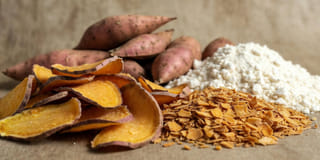

From Fresh Tubers to Shelf-Stable Foods: The Story of Dehydrated Potatoes
Dehydrated potato products are processed forms of potatoes in which most of the water content is removed through controlled drying methods, resulting in lightweight, shelf-stable products that can be easily rehydrated before use. In food processing, dehydration involves reducing moisture levels typically to below 10% which significantly limits microbial growth, enzymatic reactions and spoilage. As a result, shelf life can extend from only a few weeks for fresh potatoes to one or two years or longer when products are properly packaged and stored.
The practice of dehydrating potatoes has ancient origins. Indigenous communities of the Andes, particularly during the time of the Inca civilization, produced chuño, a naturally freeze-dried potato created through repeated freezing and thawing cycles at high altitudes. Modern industrial dehydration began developing in the early twentieth century. One of the earliest technological milestones was a U.S. patent filed in 1905 by Ernest W. Cooke (granted in 1912), which described shredding, partial cooking and drying potatoes so they could be reconstituted without becoming excessively starchy or losing palatability.
Commercial production expanded in the United States during the 1920s, particularly in Idaho, with potato flour production beginning in 1926, followed by diced dehydrated potatoes in 1940. Large scale dehydration accelerated in 1942 when J.R. Simplot adapted onion drying technology for potatoes. By the 1950s, the introduction of potato granules for instant mashed potatoes by R.T. French in 1952 marked a major shift toward convenience-oriented food products.
The potato, scientifically known as Solanum tuberosum originated in the Andean region of South America approximately 8,000–5,000 B.C and was later introduced to Europe by Spanish explorers in the late sixteenth century. Today, it is the world’s fourth largest food crop after rice, wheat and maize. Global cultivation spans a wide range of agro-climatic regions, with annual production exceeding 368 million metric tons.
Asia accounts for more than half of global production led by China and India, followed by major producers in Europe such as Germany and the Netherlands, North America including the United States and Canada and South American countries such as Peru. Potatoes play a vital dietary role by providing affordable, energy-rich and nutrient dense food to billions of people worldwide, contributing significantly to food security and forming part of diverse culinary traditions from mashed potatoes in Western diets to processed snacks such as aloo bhujia in India.
Dehydrated potato products are gaining increasing global importance due to the rising demand for shelf-stable and convenience foods driven by urbanization, changing lifestyles and the expansion of quick-service restaurants. The global dehydrated potato market valued at approximately USD 8.26 billion in 2025 is projected to reach USD 15.76 billion by 2034 growing at a compound annual growth rate (CAGR) of 7.49%. The Asia Pacific region dominates the market accounting for about 63.23% of global share due to high production capacity and growing demand for processed foods.
Dehydration also plays a critical role in reducing post-harvest losses, which can range from 20–40% in fresh potatoes because of spoilage, mechanical damage and inadequate storage, particularly in developing regions. Converting surplus harvests into value-added products such as flakes, granules and flour supports export opportunities, stabilizes supply throughout the year and improves resource efficiency. Consequently, dehydrated potatoes have become an essential component of modern food processing industries, widely used in snacks, soups, bakery products and ready-to-eat meals while enhancing scalability and minimizing waste.
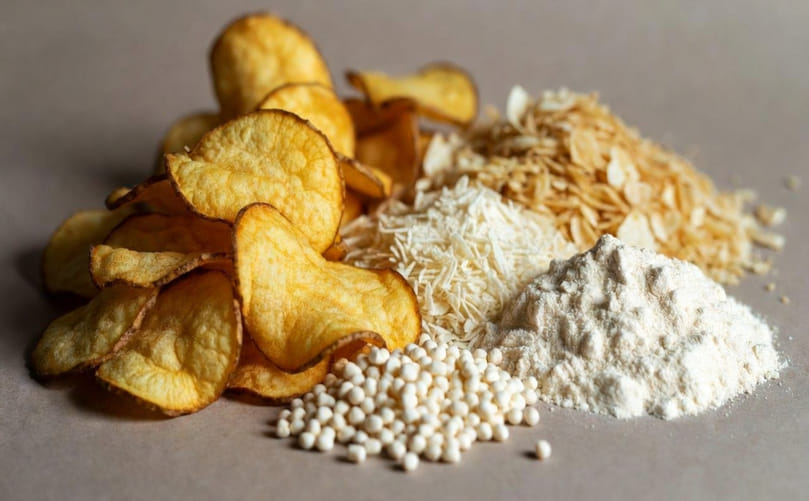
Global Journey of the Potato: From Andean Origins to Modern Dehydrated Foods
Why Dehydrate Potatoes?
Dehydrating potatoes serves multiple practical and economic purposes by extending product usability while addressing challenges related to storage, transportation and food waste. One of the primary advantages is significant shelf-life extension. Fresh potatoes typically remain marketable for about 2–3 months under ideal cool and dark storage conditions. In contrast, dehydration reduces moisture content to levels that inhibit bacterial growth, fungal development and enzymatic spoilage, allowing dehydrated products to be stored for 1–2 years or longer at room temperature without refrigeration. This reduces dependence on cold storage infrastructure, which is energy intensive and often inaccessible in remote or developing regions, thereby lowering operational costs for farmers, processors and supply chains.
Dehydration also substantially reduces transportation and storage costs. The process lowers product weight by approximately 70–80% while decreasing volume, making dehydrated potatoes more compact, easier to handle and less susceptible to mechanical damage during transport. These advantages support efficient global trade by enabling surplus production from major potato growing regions to be exported economically to deficit markets.
In addition, dehydration helps prevent post-harvest losses, which can account for 20–40% of potato production due to sprouting, rotting or bruising, particularly under suboptimal storage conditions in warm climates. Preserving surplus harvests minimizes food waste, improves profitability and ensures year-round availability for both consumers and food processors, thereby stabilizing supply chains against seasonal fluctuations.
In industrial food processing, dehydrated potatoes enhance scalability and formulation efficiency. They can be easily incorporated into a wide range of products, including snack foods, soups, bakery items and ready-to-eat meals, without the logistical challenges associated with fresh raw materials. Dehydrated products also reduce preparation time as they rehydrate quickly and are suitable for instant foods, convenience meals, outdoor activities and emergency food supplies. From a nutritional perspective, dehydration retains most key nutrients while creating a lightweight and portable energy source.
Overall, potato dehydration improves supply chain efficiency by reducing energy requirements associated with refrigeration, lowering logistical costs, minimizing food waste and enabling value addition. These benefits contribute to improved sustainability and economic resilience within the global potato industry.
Nutritional Composition and Health Value of Dehydrated Potatoes
Dehydrated potatoes retain much of the nutritional value of fresh potatoes while providing a more concentrated source of essential macronutrients and micronutrients. Fresh potatoes contain high levels of carbohydrates (approximately 17–20 g per 100 g), making them an important energy source due to their complex starches which release energy gradually. They provide moderate protein (1.8–2.6 g per 100 g), which is considered relatively high in quality among root crops because of a balanced profile of essential amino acids, particularly lysine. Dietary fiber ranges from 1.2–3.1 g per 100 g and contributes to digestive health and improved satiety.
Fresh potatoes also supply important vitamins and minerals. Vitamin C content ranges from 6–14 mg per 100 g and functions as a strong antioxidant, while vitamin B6 (0.23–0.33 mg per 100 g) supports metabolism and nervous system function. Potatoes are especially rich in potassium (280–547 mg per 100 g), which plays a key role in heart health and blood pressure regulation along with magnesium an essential mineral for muscle and nerve function. Naturally low in fat (about 0.1 g per 100 g) potatoes are considered a heart friendly food option.
In dehydrated forms such as flakes or powder, the removal of water reduced from approximately 77–80% in fresh potatoes to below 10% concentrates nutrients on a weight basis. As a result, 100 g of dry potato flakes typically contains about 354–381 calories, 81–86 g carbohydrates, 8–9.5 g protein, 6–7 g dietary fiber and negligible fat (0.2–0.4 g). Mineral content remains substantial with potassium levels reaching approximately 1,000–1,500 mg per 100 g of dry product, while magnesium levels are largely preserved.
When rehydrated (for example, 100 g of mashed potatoes prepared from flakes), the nutritional composition becomes comparable to fresh potatoes, providing roughly 113 calories, 15 g carbohydrates, 2.3 g fiber, about 9.7 mg vitamin C and 233 mg potassium. However, dehydration can lead to partial losses of heat-sensitive nutrients. Vitamin C may decline by up to 50% during processing due to heat exposure, although nutrient retention is generally higher than in canning and comparable to or better than some freezing processes. Overall, dietary fiber, minerals and most B vitamins remain well preserved resulting in a nutrient dense, versatile ingredient that serves as an efficient energy source suitable for a wide range of diets.
Raw Material Selection for Dehydrated Potato Processing
Selection of suitable raw potatoes is a critical factor in the production of high-quality dehydrated potato products as raw material characteristics directly influence processing efficiency, drying performance, product yield, texture, color, flavor and overall economic viability. Potatoes intended for dehydration should possess high dry matter content, typically ranging between 18–25%, which reduces the amount of water that must be removed during drying and increases recovery of solids. Higher dry matter levels improve product texture enhance rehydration performance and increase finished product yield which generally represents about 20–25% of the original fresh weight.
Low reducing sugar content is another essential requirement. Reducing sugars such as glucose and fructose should ideally remain below 0.1–0.3% on a fresh weight basis to minimize Maillard browning reactions during thermal processing and drying. Excess sugars lead to undesirable dark coloration, bitter flavors and reduced consumer acceptance. Specific gravity, commonly used as an indirect indicator of dry matter content should be relatively uniform among tubers, typically within the range of 1.08–1.10 to ensure consistent cooking behavior and uniform moisture removal during dehydration. Variability in specific gravity can result in uneven drying, inconsistent texture and quality defects.
Processing industries generally prefer high starch mealy potato varieties because they produce superior texture and rehydration characteristics in dehydrated products. Widely used cultivars include Russet Burbank, valued for its high solids content and suitability for flakes and granules; Yukon Gold, known for good flavor retention and moderate starch levels; Kennebec, suitable for slices and dices due to its processing versatility and Katahdin, appreciated for its storage stability. European processors commonly utilize varieties such as Bintje for industrial dehydration. These cultivars are preferred over waxy types such as Red Pontiac, which contain higher moisture and lower starch often resulting in dense or gummy textures after dehydration.
Harvest maturity also plays an important role. Tubers should be fully mature allowing maximum starch accumulation and skin set, but not overmature, which may increase susceptibility to internal defects and storage losses. Uniform tuber size improves processing efficiency by enabling consistent peeling, slicing, cooking and drying. Medium to large tubers is generally preferred because they reduce trimming losses and improve mechanical handling efficiency.
Raw potatoes must meet strict quality standards. Tubers should be firm, well-shaped and free from physiological disorders and diseases such as late blight, bacterial wilt, ring rot, soft rot, blackheart and severe common scab. Mechanical damage, bruising or cuts should be minimized as these defects accelerate oxidation and microbial contamination during processing. Green potatoes must be excluded because exposure to light induces accumulation of glycoalkaloids such as solanine, which causes bitterness and poses food safety risks.
Quality evaluation of raw material typically includes visual inspection, specific gravity measurement, dry matter determination and reducing sugar analysis. Proper storage conditions prior to processing are equally important, as low-temperature storage may increase sugar accumulation and lead to excessive browning during drying. Poor raw material selection can increase processing losses by 10–20% and significantly reduce final product quality, highlighting the importance of certified seed production-controlled cultivation practices, and careful post-harvest handling. For organically produced dehydrated potatoes, raw materials must comply with certified organic standards, ensuring production without prohibited synthetic inputs while maintaining traceability throughout the supply chain.
Processing Steps in Dehydrated Potato Production (Core Technical Section) The production of dehydrated potato products involves a sequence of carefully controlled operations designed to ensure product safety, uniform quality, efficient moisture removal and desirable rehydration characteristics. While early dehydration practices originated from traditional Andean preservation methods such as chuño, modern industrial processing has evolved into a highly standardized operation supported by automated equipment and strict quality systems. Contemporary dehydration plants operate under Good Manufacturing Practices (GMP) and Hazard Analysis and Critical Control Point (HACCP) protocols with the primary objective of reducing moisture content to below 8–10% to achieve long-term microbial stability and storage safety.
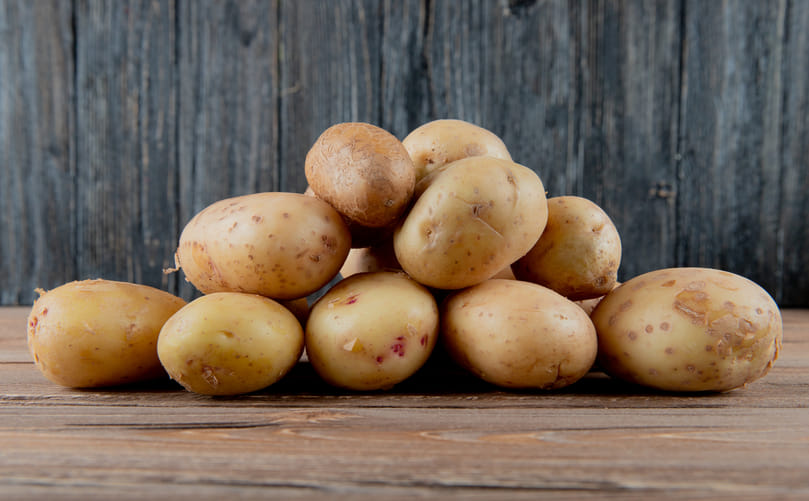
Potato Tubers Used as Raw Material in Dehydrated Potato Production
Pre-Treatment Processes in Dehydrated Potato Manufacturing
Pre-processing prepares raw potatoes for drying by removing contaminants, standardizing size and structure and stabilizing biochemical properties to preserve color, texture and nutritional quality.
Washing and Cleaning: Freshly harvested potatoes are thoroughly washed using potable water to remove soil, stones, pesticide residues and surface microorganisms. Industrial systems typically employ rotating drum washers, spray washers or flume washing systems combined with mechanical agitation. Proper washing reduces microbial load and prevents contamination during subsequent processing stages.
Peeling: Peeling is commonly performed using steam peeling or abrasive peeling systems. Steam peeling involves exposure to high pressure steam followed by rapid pressure release, which loosens the skin for efficient removal while minimizing flesh loss. Abrasive peelers mechanically remove skins through friction. Peeling losses are generally maintained within 5–10% to ensure processing efficiency while improving product appearance and safety.
Trimming and Inspection: After peeling, potatoes undergo manual or automated inspection to remove defects such as green tissue, eyes, bruised areas or diseased portions. Optical sorting technologies are increasingly used to improve consistency and reduce human error, ensuring uniform raw material quality.
Cutting and Size Reduction: Depending on the final product, potatoes are sliced, diced, shredded or prepared for mashing. Uniform cutting is essential for consistent heat transfer and drying efficiency. Typical dimensions include slices of approximately 3–6 mm thickness or dices ranging from 8–12 mm. During handling, cut pieces may be held in cold water to reduce enzymatic browning and surface starch accumulation.
Blanching: Blanching is a critical step for enzyme inactivation, particularly polyphenol oxidase and peroxidase, which cause enzymatic browning and quality deterioration. Steam or hot water blanching is typically conducted at 75–100°C for several minutes depending on product size. This process stabilizes color, partially gelatinizes starch, reduces microbial load and improves rehydration properties. Rapid cooling following blanching prevents overcooking and preserves texture.
Cooking (for Flakes and Granules): For products such as potato flakes and granules, potatoes are fully cooked using steam or hot water prior to mashing. Cooking softens tissues, gelatinizes starch and prepares the material for uniform drying. Controlled cooking prevents excessive cell rupture, which could otherwise lead to sticky or pasty textures in the finished product.
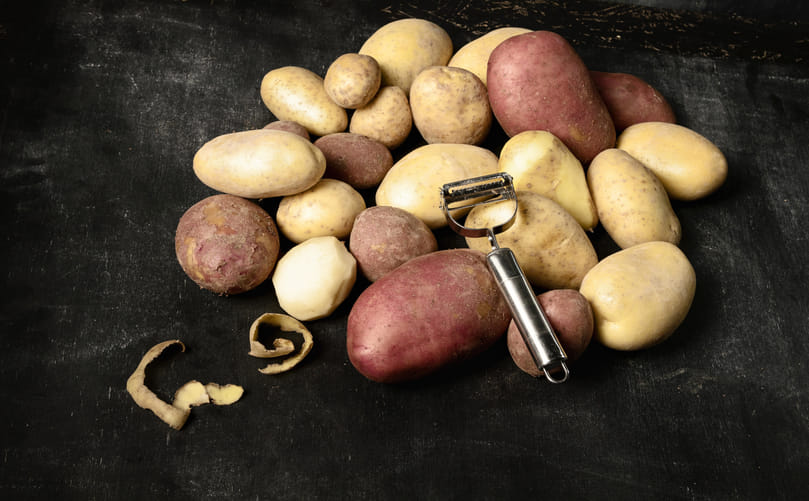
Preparing Potatoes for Dehydration: Essential Pre-Treatment Operations
Drying Methods and Process Control in Potato Dehydration
Drying is the most critical stage of dehydration, where moisture content is reduced from approximately 75–80% in fresh potatoes to below 10%, thereby inhibiting microbial activity and extending shelf life. Temperature, airflow, humidity and residence time are carefully controlled to prevent case hardening, discoloration or nutrient degradation.
Drum Drying: Drum drying is the predominant industrial method used for producing potato flakes. Cooked potato mash is spread as a thin film onto rotating heated drums. Rapid drying occurs within seconds forming a dehydrated sheet that is subsequently scraped off and milled into flakes. Final moisture typically ranges between 6–8%. This method provides high throughput and consistent product quality but may cause partial loss of heat sensitive nutrients.
Hot Air-Drying Hot air drying is widely used for slices, dices and shreds. Heated air (generally 60–80°C) is circulated across the product in cabinet, belt or fluidized bed dryers. Moisture removal occurs gradually over several hours, producing stable products suitable for soups, ready meals and ingredient applications.
Tray Drying: Tray drying involves spreading potato pieces on perforated trays through which heated air circulates. Operating temperatures usually range between 50–70°C. Although slower and more labor intensive, this method is suitable for small scale production and specialty products requiring careful drying control.
Tunnel Drying: Tunnel dryers operate continuously using conveyor systems that move products through controlled zones of temperature and humidity. This method allows large-scale industrial production with improved uniformity and energy efficiency.
Freeze Drying: Freeze drying is a premium dehydration technique in which potatoes are frozen and water is removed through sublimation under vacuum conditions. This method preserves cellular structure, flavor, color and nutritional quality exceptionally well, resulting in moisture levels below 5%. However, high equipment and energy costs limit its use to specialized or high value applications.
Vacuum Drying: Vacuum drying removes moisture under reduced pressure at relatively low temperatures, minimizing oxidation and thermal damage. It is suitable for high quality or sensitive potato products where flavor and nutrient retention are priorities.
Process Control and Moisture Targets: Across all drying systems the primary objective is to reduce moisture content from approximately 80% in fresh potatoes to less than 10%, ensuring product stability during storage. Drying time depends on product size, airflow velocity, humidity conditions and equipment design. Modern processing facilities increasingly integrate advanced pre-treatments and automation technologies to enhance drying uniformity, improve energy efficiency and maintain consistent product quality.
Overall, precise control of pre-processing and drying operations determines the functional performance, shelf life and commercial success of dehydrated potato products.
Commercial Types and Applications of Dehydrated Potato Products
Dehydrated potato products are manufactured in several commercial forms, each designed to meet specific functional and technological requirements within the food processing industry. These products are produced by removing moisture from fresh potatoes through controlled drying methods such as drum drying, hot air drying, fluidized-bed drying, vacuum drying or freeze drying. The resulting ingredients are lightweight, shelf-stable and easy to transport while retaining much of the original potato flavor, nutritional value and functional properties.
Differences among product types arise from variations in processing techniques, particle structure, rehydration behavior and intended applications. Major dehydrated potato products include flakes, granules, powder or flour, slices, dices, shreds and agglomerated mixes. These products serve diverse sectors including snack manufacturing, convenience foods, bakery applications, soups and sauces, institutional catering and ready-to-eat meal production. Processing industries typically prefer high dry matter potato varieties such as Russet type cultivars due to their superior starch content, processing yield and texture performance.
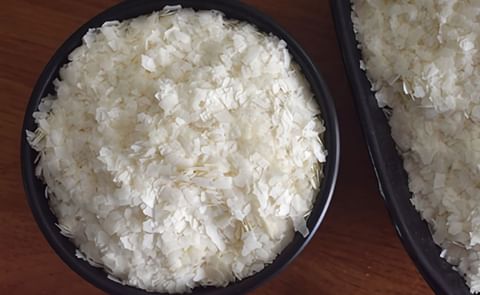
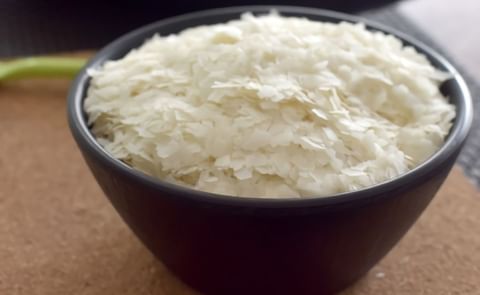
Potato Flakes: Potato flakes represent the most widely produced dehydrated potato product globally. They are manufactured by cooking peeled potatoes, mashing them into a uniform slurry and spreading the mash as a thin film onto heated rotating drums. Rapid drying forms a dehydrated sheet that is scraped off and milled into flakes.
Flakes are available in multiple specifications including standard flakes, low-peel low-leach (LP-LL) flakes, organic variants and low-density flakes designed for specific industrial applications. Particle size may range from coarse to fine depending on end use. LP-LL flakes are particularly suitable for fabricated snack products such as sheeted or extruded chips because of their superior water absorption and binding capacity. Standard flakes are extensively used in instant mashed potatoes, snack dough formulations, gluten-free pasta products and thickening applications. Their rapid rehydration produces a smooth texture closely resembling freshly prepared mashed potatoes.
Potato Granules: Potato granules are produced by cooking potatoes followed by controlled mashing and agglomeration, typically using air drying or fluidized-bed drying systems. The resulting product consists of porous, free-flowing particles with excellent dispersibility and controlled water absorption.
Granules provide superior texture stability compared with flakes in high moisture or mechanically processed foods. They are widely used in extruded snacks, potato pellets, dry mixes, hash browns, soups, frozen meals and as binders in meat or plant-based formulations. Their reduced tendency to form lumps during rehydration makes them particularly valuable in industrial scale food manufacturing.
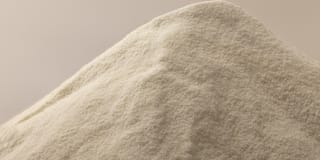
Potato Powder or Flour: Potato powder or flour is produced by finely grinding dehydrated flakes or granules into uniform particles of varying fineness. Available grades include standard, fine, extra-fine and clean label coarse variants depending on processing requirements.
This product functions primarily as a thickening, binding, and texturizing ingredient. It is commonly incorporated into soups, sauces, gravies, bakery products, snack coatings and gluten-free formulations. Potato flour improves dough yield, moisture retention, crumb softness and shelf life in baked goods. In some markets, lower-grade powder is also utilized in animal feed formulations or industrial starch applications.
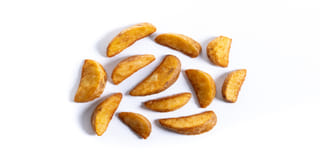
Potato Slices and Cubes (Dices): Potato slices and dices are produced by cutting potatoes into defined shapes prior to dehydration using hot air or freeze-drying systems. Typical dimensions include slices of approximately 3–6 mm thickness and dices ranging from 8–12 mm.
These products retain recognizable potato structure and rehydrate into firm, intact pieces suitable for soups, stews, casseroles, salads and ready-to-eat meals. Variations include plain roasted and organic forms. Roasted dehydrated potatoes provide enhanced flavor development and reduce preparation steps for food manufacturers.
Potato Shreds: Potato shreds consist of long, thin strands created by shredding potatoes before drying, commonly using hot air drying systems. After rehydration, they maintain structural integrity and develop desirable crispness during frying or baking.
They are widely used in hash browns, potato pancakes, breakfast products, extruded foods and prepared meal components. Their fibrous structure allows rapid moisture absorption while maintaining texture.
Agglomerates and Instant Mashed Mixes: Agglomerated potato products are manufactured by combining flakes or granules with controlled moisture and mechanical processing to form porous clusters. These products are often blended with seasonings, dairy ingredients or flavor systems to create complete instant mashed potato mixes.
Agglomeration improves flowability, reduces dust formation and enables rapid reconstitution using only hot water. Such products are commonly used in convenience foods, institutional catering, emergency food supplies and food aid programs.
Overall, flakes and granules dominate global production due to their versatility, ease of handling and compatibility with automated food manufacturing systems. The diversity of dehydrated potato formats enables processors to tailor functional performance across a wide range of food applications, supporting the continued expansion of ingredient-based food processing industries.
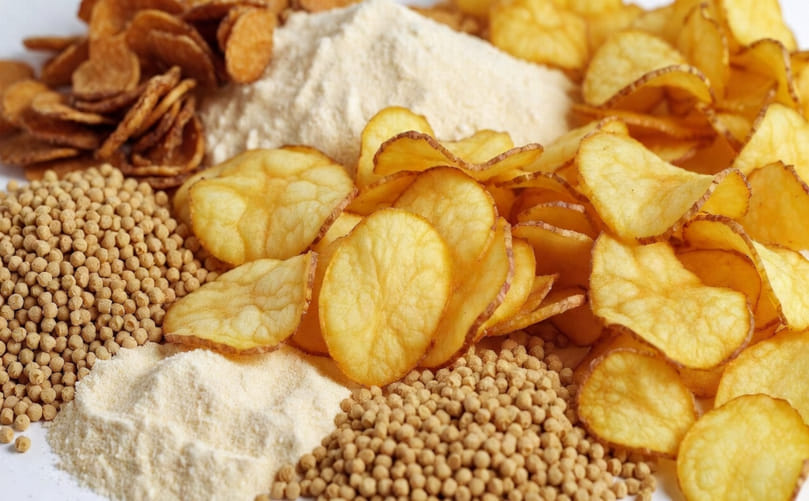
Major Commercial Categories of Dehydrated Potato Products
Quality Parameters and Standards of Dehydrated Potato Products
Quality parameters of dehydrated potato products are essential for ensuring product safety, processing consistency, storage stability and consumer acceptance. These parameters are evaluated using standardized testing procedures described in international guidelines such as the USDA Commercial Item Description (CID) A-A-20032 and the Codex Alimentarius Commission standards. Quality assessment focuses on physical, chemical, sensory and microbiological attributes.
Key quality indicators include moisture content, color retention, rehydration capacity, texture recovery, flavor preservation, nutrient retention and microbial safety. Analytical evaluation involves methods such as oven drying for moisture determination, spectrophotometric color measurement, texture analysis and microbiological plating techniques. Variability in raw material quality or processing conditions may influence these parameters; therefore, food processors implement Hazard Analysis and Critical Control Points (HACCP) principles to maintain consistent product standards and ensure regulatory compliance.
Final Moisture Content: Final moisture content is a critical factor influencing shelf life and microbial stability. Dehydrated potato products typically require moisture levels below 9–10%, with flakes maintained at approximately 6–8% and freeze-dried products below 5%. Potato granules generally must not exceed 9.0% moisture. Moisture is measured using oven drying methods or digital moisture analyzers. Excess moisture may result in clumping, microbial growth and reduced storage stability, whereas proper drying enables shelf life of up to two years under suitable storage conditions.
Color Retention and Browning Control: Color quality is evaluated through visual inspection or instrumental measurement using Hunter Lab colorimetry (L*, a*, b* values). High quality products exhibit a light yellow to creamy white appearance with minimal browning. Undesirable discoloration may result from Maillard reactions or enzymatic oxidation during processing. Reducing sugar levels are typically maintained below 4.0% to prevent excessive darkening during drying or cooking. Blanching effectively inactivates polyphenol oxidase enzymes responsible for enzymatic browning. Physical defects such as peel fragments, black specks or scorched particles are usually limited to a maximum of 25 specks per 100 g sample, with particles larger than 1.6 mm considered defects.
Rehydration Capacity: Rehydration capacity reflects the ability of dehydrated potatoes to absorb water and regain their original structure. It is commonly expressed as the ratio of rehydrated weight to dry weight with values greater than 3:1 considered desirable. Testing typically involves soaking samples in hot water at approximately 80 °C for 5–10 minutes. Products dried using freeze drying techniques generally exhibit higher rehydration efficiency compared with air-dried products due to improved structural porosity.
Texture Recovery: Texture recovery is assessed after rehydration to evaluate firmness, smoothness or crispness depending on product type. Instrumental texture analyzers measure parameters such as hardness (expressed in Newtons). Structural characteristics including porosity and shrinkage influence final texture quality; volume shrinkage should generally remain below 20% to prevent gumminess or structural collapse. Potatoes with high dry matter content (20–25%) typically produce superior texture in flakes and snack applications.
Flavor Preservation: Flavor quality is evaluated through trained sensory panels to ensure retention of natural potato taste without off-flavors. Low-temperature drying processes help preserve volatile flavor compounds. Antioxidants and controlled processing conditions further minimize flavor degradation. Properly processed dehydrated potatoes retain approximately 80–90% of their original flavor characteristics.
Nutrient Retention: Nutritional quality is monitored by assessing retention of key vitamins and minerals, particularly vitamin C, vitamin B6 and potassium. Heat sensitive nutrients may decline during processing; however, freeze drying significantly improves retention with vitamin C preservation often exceeding 50%. High dry matter content (20–25%) contributes to nutrient concentration in the final product.
Microbial Safety Standards: Microbial safety is a critical quality requirement for dehydrated foods. Standard limits typically include total plate counts below 10⁴ CFU/g and the absence of pathogens such as Salmonella and Escherichia coli. Sulfite levels used for preservation are generally maintained below 500–600 ppm according to international food safety regulations. Compliance with HACCP systems and Codex standards ensures safe global trade and consumer protection.
Browning Control Measures: Enzymatic browning is effectively controlled through blanching treatments and regulated sulfite application, which inhibit enzymatic activity and maintain desirable product color and overall quality during storage.
Industrial Applications and Uses of Dehydrated Potato Products
Dehydrated potato products are highly versatile ingredients widely used across the food industry due to their convenience, extended shelf life and ability to closely replicate the characteristics of fresh potatoes after rehydration. These products function as essential components in both consumer-ready foods and industrial formulations contributing to texture enhancement, binding, thickening and nutritional improvement.
One of the most common applications is in instant mashed potatoes, where flakes or granules rapidly rehydrate with hot water or milk to produce a smooth and creamy product. In snack manufacturing, dehydrated potatoes are extensively utilized in extruded chips, sticks, crackers and potato-based pellets, where their starch content provides structure, expansion and crisp texture. Within bakery applications, potato flakes and powders are incorporated into breads, pastries, cakes, biscuits and dough formulations, acting as anti-staling agents that improve crumb softness, moisture retention, dough yield and overall shelf life without significantly altering flavor.
Dehydrated potato ingredients also serve as natural thickeners in soups, sauces, gravies, stews and chowders, providing viscosity and mouthfeel while maintaining clean label appeal. They are commonly included in ready-to-eat meals, frozen dinners and convenience mixes, where consistent quality and rapid preparation are essential. Additionally, these products function as coatings and binders in meat formulations, breading systems, and plant-based alternatives improving product stability and texture.
In institutional and large-scale foodservice operations including restaurants, hospitals and military catering, dehydrated potatoes enable efficient bulk preparation due to their long storage stability and ease of handling. Lower grade powders are also utilized in animal feed as nutrient rich supplements, while their portability and durability make them valuable in food aid and humanitarian programs.
Specific product forms demonstrate distinct functional advantages. Potato flakes are particularly suitable for fabricated snacks such as sheeted or extruded chips and gluten free pasta products due to their high-water absorption capacity. Potato granules perform well in hash browns, extruded fries and seasoning or flavor carrier systems. Potato flour acts as an effective binder and texturizer in bakery and frozen dessert applications, while dehydrated slices, dices and shreds are widely used in casseroles, potato salads, hashes and prepared meal components.
Emerging industry trends highlight the role of dehydrated potato products in clean label and plant-based foods, where they provide natural binding and texture without synthetic additives. Furthermore, dehydration technology supports global food security by reducing post-harvest losses and enabling efficient storage and transportation. Overall, dehydrated potato products reduce labor requirements in food preparation, ensure consistent product quality and contribute valuable nutrients such as dietary fiber and potassium across diverse food formulations.
Applications of Dehydrated Potato Products Across Global Regions
Dehydrated potato products demonstrate distinct utilization patterns across global regions, shaped by local culinary traditions, consumer preferences, economic conditions and levels of food processing infrastructure. Their adaptability, long shelf life and ease of transportation make them suitable for diverse food systems ranging from traditional snacks to highly industrialized convenience foods.
In Asia, particularly in countries such as India and China, dehydrated potato products are widely used in snack manufacturing including products such as aloo bhujia, extruded potato sticks and savory snack mixes. They are also incorporated into instant noodle formulations to improve texture and mouthfeel, as well as ready-to-cook meals, stuffed flatbreads and bakery products. Rapid urbanization and increasing demand for convenience foods have accelerated adoption in the region. Asia accounts for the largest global market share estimated at approximately 60–65%, with potato flakes dominating due to their suitability for traditional snack processing and foodservice applications.
In Europe, dehydrated potatoes are primarily utilized in convenience foods and processed meal solutions. Common applications include instant mashed potatoes, soups, sauces, ready-to-eat casseroles and bakery products such as breads and pastries. Strong consumer preference for quick preparation foods in countries including the United Kingdom, Germany and the Netherlands has supported steady market growth. European markets also emphasize clean label, organic and sustainably processed products, driving innovation in premium dehydrated potato ingredients.
North America, led by the United States and Canada, extensively integrates dehydrated potato products into frozen and instant food sectors. Major applications include hash browns, frozen meals, snack pellets, bakery binders and institutional scale mashed potato preparations. Increasing consumer interest in health-oriented products has encouraged the development of low sodium and clean label formulations. A significant portion of regional potato production is processed into dehydrated forms, supporting both domestic consumption and international exports.
In developing regions such as Latin America, the Middle East, Africa and parts of South America, dehydrated potatoes play an important role in food security and affordable nutrition. They are commonly used in shelf stable food aid programs, soups, stews, snack products and economical meal mixes. Their long storage stability helps reduce post-harvest losses and improves food availability in areas with limited cold chain infrastructure. Oceania is emerging as a growing market with increasing adoption in convenience foods, while countries such as South Africa focus on regional snack production and export-oriented processing.
Overall, regional utilization patterns highlight the versatility of dehydrated potato products and their ability to adapt to diverse cultural, economic and industrial food systems worldwide. Dehydration technology enables potatoes to transition from a highly perishable crop into a globally traded, value-added ingredient supporting modern food processing and food security initiatives.
International Trade and Market Trends of Dehydrated Potato Products
The international trade of dehydrated potato products has experienced substantial growth, driven by increasing global demand for convenient, shelf-stable ingredients used in processed and ready-to-eat foods. The global dehydrated potato market was valued at approximately USD 5.51 billion in 2022 and is projected to reach USD 9.37 billion by 2030, exhibiting a compound annual growth rate (CAGR) of 6.9% during the forecast period. Other market assessments estimate a value of USD 8.26 billion in 2025, expanding to USD 15.76 billion by 2034 at a CAGR of 7.49%. Although estimates vary depending on methodology and market scope, all projections indicate strong and sustained growth.
This expansion is primarily fueled by the rising popularity of convenience foods and quick service meals including instant mashed potatoes, snack products and ready-to-eat formulations, particularly in rapidly urbanizing regions. Increasing workforce participation, changing dietary habits and demand for time saving food solutions continue to accelerate market adoption.
A key trend shaping the industry is the growth of ingredient-based food manufacturing, where dehydrated potatoes function as versatile binders, thickeners and texture enhancers. The Asia-Pacific region dominates the global market accounting for more than 63% market share, supported by high potato production in countries such as India and China and strong demand from foodservice and snack manufacturing sectors. North America and Europe remain significant markets, with the United States market alone expected to reach approximately USD 958.22 million by 2032, driven by expansion in processed food industries. European markets increasingly emphasize organic, clean label and sustainably sourced products.
In international trade, major exporters include the United States, Canada and European countries such as Germany, the Netherlands and Belgium, which supply potato flakes, granules and powders to global markets. The United States processes roughly 15% of its total potato production into dehydrated products, contributing significantly to export volumes. China has also emerged as a strong exporter in related processed potato categories, indicating potential future shifts in dehydrated potato trade dynamics.
Import demand continues to expand in developing regions, where dehydrated potatoes support food aid programs, snack manufacturing and affordable convenience foods. Reduced transportation costs, lower storage requirements and the absence of refrigeration needs provide strong logistical advantages that facilitate international trade. Growth in global fast-food chains, expanding e-commerce distribution channels and increasing demand for processed ingredients further strengthen market expansion. However, trade patterns remain influenced by tariffs, supply chain disruptions and fluctuations in raw material prices.
Overall, the global dehydrated potato industry demonstrates robust growth potential, supported by evolving consumer lifestyles, expanding food processing industries and increasing emphasis on efficient, shelf-stable food systems.
Storage and Packaging of Dehydrated Potato Products
Proper storage and packaging are essential for maintaining the quality, safety and extended shelf life of dehydrated potato products, as these materials are highly susceptible to moisture absorption, oxidation and insect infestation. Following dehydration, products should undergo a short conditioning period in sealed or resealable containers for several days to allow residual moisture to equilibrate throughout the product, thereby preventing localized condensation and clumping during storage.
For long-term preservation, dehydrated potatoes should be packed in airtight, moisture barrier packaging materials such as food grade Mylar bags, glass jars or rigid plastic containers with tightly sealed lids. Mylar bags are particularly effective because they provide strong protection against oxygen, light and moisture transfer. The use of oxygen absorbers (typically 300–500 cc per gallon of package volume) helps remove residual oxygen, significantly extending product shelf life and preventing oxidative deterioration. Vacuum packaging using jar sealers or chamber vacuum systems further reduces exposure to air and humidity and is especially suitable for flakes, granules, powders and diced products.
Storage conditions should remain cool, dry and dark to preserve product stability. Recommended storage temperatures are below 21°C, with relative humidity maintained below 60% to minimize moisture uptake, nutrient degradation, flavor loss and microbial growth. Under standard airtight storage, shelf life typically ranges from 4 to 12 months, while vacuum sealed or Mylar packaged products with oxygen absorbers may remain stable for 1–2 years or longer.
Packages should be protected from mechanical damage by avoiding excessive stacking or compression that could crush fragile products such as flakes. Packaging in portion sized units is advisable to reduce repeated exposure to air after opening. In commercial processing, foil-laminated pouches or nitrogen flushed packaging systems are commonly used to provide additional protection against oxidation and light exposure.
Routine inspection during storage is important to ensure safety and quality; signs such as off odors, discoloration, moisture condensation or pest activity indicate potential spoilage. Proper storage and packaging practices not only maintain microbial stability but also preserve rehydration performance, texture, flavor and nutritional value throughout the product’s intended shelf life.

Commercial Packaging Methods for Dehydrated Potato Products
Challenges and Limitations in Dehydrated Potato Production
Although dehydrated potato production provides significant advantages in terms of shelf life, convenience and supply chain efficiency, several technical, economic and market related challenges affect processing efficiency, product quality and industry growth.
One major limitation is the difference in flavor compared with fresh potatoes. Heat exposure during drying can lead to the loss of volatile aroma compounds, resulting in a less fresh taste profile that may reduce consumer acceptance in certain applications. Browning reactions also present a persistent challenge. Enzymatic browning and Maillard reactions, particularly in potatoes with elevated reducing sugar content can cause undesirable dark coloration and off flavors. Although blanching and the use of anti-browning treatments help minimize these effects, strict raw material control remains essential.
Energy consumption represents another critical concern. Drying operations, especially drum drying and hot air drying, require substantial thermal energy, making the process energy intensive and increasing production costs. Additional resource use occurs during washing, peeling, blanching and drying stages, raising both economic and environmental sustainability concerns. Improving energy efficiency and adopting renewable energy solutions are ongoing priorities within the industry.
Rehydration variability is also a technical limitation. Inconsistent drying conditions or non-uniform particle size may result in uneven moisture absorption, poor texture recovery or undesirable mouthfeel after reconstitution. Such inconsistencies can negatively affect performance in applications such as soups, snack products and instant meals.
Production systems are highly dependent on specific processing grade potato varieties with high dry matter and low reducing sugar levels. This dependence limits raw material flexibility, particularly in regions where climate variability affects crop quality and yield. Climate change impacts, including temperature fluctuations, drought stress and soil degradation, further complicate consistent raw material supply.
High capital investment requirements for modern dehydration facilities, advanced dryers, automation systems and quality control infrastructure create barriers for small and medium scale processors, especially in developing regions. Establishing and maintaining food safety standards and quality assurance systems also increases operational complexity.
From a market perspective, supply chain disruptions, labor shortages, transportation constraints and fluctuating raw potato prices contribute to economic uncertainty. Variations in global trade policies and logistics costs can further influence profitability and export competitiveness. Additionally, some consumers perceive dehydrated foods as overly processed or nutritionally inferior, despite the fact that most minerals, fiber and carbohydrates remain well preserved after dehydration.
Overall, the dehydrated potato industry must address challenges related to energy efficiency, raw material variability, consumer perception and climate resilience. Continued innovation in processing technologies, sustainable production practices and product development will be essential to overcome these limitations and support long-term industry growth.
Food Safety and International Standards in Dehydrated Potato Processing
Food safety in dehydrated potato processing is governed by comprehensive international standards designed to ensure products are safe for consumption and compliant with global trade requirements. These standards aim to control biological, chemical and physical hazards throughout the production chain from raw material procurement to final packaging and distribution.
Hazard Analysis and Critical Control Points (HACCP) systems form the foundation of food safety management in dehydrated potato processing. HACCP requires processors to identify potential risks such as microbial contamination, pesticide residues, foreign materials and processing related hazards at every stage of production. Critical control measures typically include effective washing and sorting of raw potatoes, blanching to inactivate enzymes and reduce microbial load, controlled drying to achieve safe moisture levels below 10% and proper packaging to prevent post-processing contamination. HACCP plans must be fully documented and verified through routine monitoring, validation procedures and internal or external audits in accordance with Codex Alimentarius recommendations, particularly CAC/RCP 1-1969, which outlines general principles of food hygiene.
The Codex Alimentarius Commission provides internationally recognized guidelines for dehydrated vegetables including potatoes, under codes such as CAC/RCP 5-1971, which specifies hygienic practices for dehydrated fruits and vegetables. These standards emphasize sanitary processing conditions, prevention of contamination and compliance with microbiological limits. Finished products are expected to be free from pathogens such as Salmonella, while indicator organisms such as Escherichia coli must remain within acceptable limits (typically below 10³ CFU/g). Moisture content is generally maintained below 9–10% to inhibit microbial growth and ensure storage stability. Codex standards also address permissible levels of food additives, contaminants and chemical residues to facilitate safe international trade.
Quality requirements for fresh potatoes used as processing raw material are defined under standards such as CXS 339-2020 for ware potatoes, which specify cleanliness, maturity and freedom from defects or disease. Continuous updates to Codex regulations including revisions adopted during international committee sessions, contribute to harmonized global food safety frameworks and indirectly strengthen safety controls for processed potato products.
In the United States, standards such as USDA Commercial Item Description A-A-20032 for dehydrated white potatoes require compliance with Good Manufacturing Practices (GMP) and risk-based preventive control systems. These include strict microbial criteria, typically maintaining total plate counts below 10⁴ CFU/g, alongside requirements for sanitation, processing hygiene and product consistency.
Export-oriented production further requires robust traceability systems that enable tracking from farm to finished product. Documentation commonly includes supplier verification records, processing parameters, batch identification, laboratory testing results and recall procedures when necessary. International harmonization of standards supports fair trade by aligning contaminant limits, additive regulations and safety verification protocols across countries.
Effective sanitation programs, laboratory quality control, employee training and designated food safety management personnel are essential components of compliance. Regular environmental monitoring, validated cleaning procedures and approved analytical testing methods help ensure that dehydrated potato products consistently meet safety, quality and regulatory expectations in global markets.
Sustainability and Climate Relevance of Dehydrated Potato Products
Dehydrated potato products play an important role in supporting sustainable food systems by addressing challenges related to food waste, resource efficiency and climate resilience. One of the primary sustainability benefits is the significant reduction in post-harvest losses. Fresh potatoes are highly perishable and may experience 20–40% losses due to spoilage, mechanical damage or improper storage conditions. Dehydration extends shelf life substantially by removing moisture, thereby inhibiting microbial growth and enzymatic deterioration while preserving nutritional value.
The dehydration process also improves transportation efficiency. Removal of water reduces product weight by approximately 70–80% and significantly decreases storage volume, enabling more efficient logistics and lowering fuel consumption during transportation. Compared with frozen or refrigerated potato products, dehydrated forms require minimal cold-chain infrastructure, resulting in reduced energy use and lower greenhouse gas emissions throughout distribution and storage stages.
Life cycle assessment studies indicate that dehydrated potato flakes can exhibit a lower global warming potential compared with frozen potato products. For example, dehydrated flakes may generate approximately 0.65 kg CO₂-equivalent per kilogram of product, whereas frozen fries may reach around 1.21 kg CO₂-equivalent per kilogram, largely due to energy intensive freezing, storage and transportation requirements. Although agricultural production and thermal processing remain major contributors to environmental impact, overall emissions can be lower when evaluated across the full supply chain.
Reduced dependence on refrigeration further enhances climate relevance by decreasing electricity consumption and associated emissions. This supports resilient food supply systems, particularly in regions with limited cold storage infrastructure or unstable energy availability. Sustainable production practices including improved water management, energy efficient drying technologies, waste valorization and optimized irrigation systems such as drip irrigation can further reduce environmental footprints and address increasing water scarcity linked to climate change.
Future Trends and Innovations in the Dehydrated Potato Industry
The dehydrated potato industry is entering a phase of innovation driven growth with the global market projected to reach USD 15.76 billion by 2034, expanding at a CAGR of 7.49%. This growth is largely fueled by increasing consumer demand for convenient, plant-based and shelf-stable food products. One of the major emerging trends is protein fortification, exemplified by the launch of protein enriched mashed potato products offering approximately 6 g of protein per serving, targeting health-conscious and fitness-oriented consumers.
At the same time, clean label and organic product segments are gaining momentum as consumers seek minimally processed foods with transparent ingredient lists. Sustainability is becoming a central focus, encouraging the adoption of energy efficient drying technologies including microwave assisted drying and superheated steam systems, which help reduce energy consumption, processing costs and environmental impact.
Advanced processing technologies are also transforming product quality and efficiency. Innovations such as ultrasound treatment, pulsed electric fields (PEF) and microwave processing improve texture, shorten drying and frying times and reduce oil absorption and acrylamide formation. In particular, PEF technology enhances structural modification of potato tissues, enabling faster frying while maintaining desirable sensory characteristics.
Automation and artificial intelligence are increasingly being integrated into processing facilities to optimize production consistency, improve quality control and enhance operational efficiency. Meanwhile, plant breeding programs are developing new potato varieties with improved water-use efficiency, enhanced storability and greater resilience to climate stress.
Beyond traditional applications, dehydrated potato ingredients are expanding into functional food markets including potato-based gels used in sports nutrition products, protein bars and vegan formulations. The rise of ready-to-cook and convenience foods such as bite sized frozen snacks combined with sustainable packaging solutions and the rapid growth of e-commerce channels is further strengthening the sector’s long-term resilience and market expansion. However, sustainability challenges remain. Climate change affects potato production through rising temperatures, irregular rainfall and increased pest and disease pressure, which can influence raw material quality and availability. Higher storage temperatures may accelerate sprouting and physiological deterioration before processing, while drought conditions can increase susceptibility to mechanical damage and yield variability.
Overall, dehydration enhances food security by enabling long-term storage, reducing waste across the value chain and stabilizing supply during seasonal or climate related disruptions. By lowering transportation emissions minimizing refrigeration needs and supporting efficient resource utilization, dehydrated potato processing contributes meaningfully to more sustainable and climate resilient food systems.