

September 23, 2012
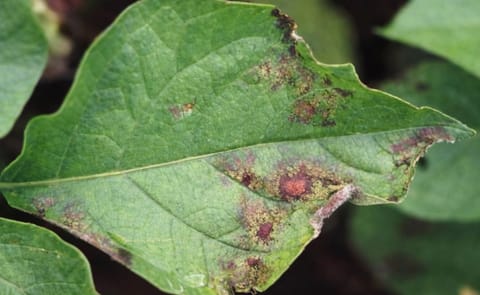
Modern DNA Techniques Applied to Nineteenth-Century Potatoes
Researchers led by Professor Bruce Fitt, now at the University of Hertfordshire, have used modern DNA techniques on late nineteenth-century potatoes to show how the potato blight may have survived between cropping seasons after the Irish potato famine ...From the archive

September 19, 2012
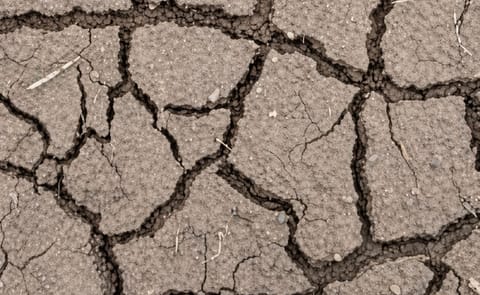
Universidad peruana desarrolla estudios para obtener papas resistentes a la sequía
La presidenta del Consejo Nacional de Ciencia, Tecnología e Innovación Tecnológica (Concytec), Dra. Gisella Orjeda Fernández, presentó el trabajo titulado Secuenciamiento del Genoma de la Papa y Análisis del Transcriptoma de Papas Nativas bajo Estrés H...From the archive


September 19, 2012
ARS Restores $209,000 in Potato Research Grants
USDA's Agricultural Research Service (ARS) announced it has restored half of the FY 2012 potato research funding it originally cut as a way to meet its obligated savings requirements.From the archive

September 11, 2012
APRE receives additional funding for Potato Nutrition Research & Education
The Alliance for Potato Research and Education (APRE) today announced that it will receive additional funding from the United States Potato Board (USPB) to support nutrition science research and education on the white potato in all forms.From the archive
September 09, 2012
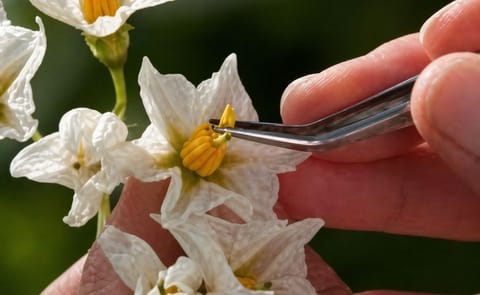
British potato breeding changing focus
The days of a few big varieties dominating the potato market are over, with breeding programmes becoming more focused on delivering sustainable varieties for specific markets.From the archive

September 03, 2012
Low/No/Reduced Sodium NPD claims decline despite salt concerns
Despite increased awareness about the risks of too much sodium in consumers’ diets and pledges from governments around the world to reduce salt levels in food, products with low/no/reduced sodium claims have seen some decline over the past years accord...From the archive

Sponsored Content
Sponsored Content
Sponsored Content

September 03, 2012
Increase in greenhouse gas positive for potato yield
The increase in the concentration of CO2 in the atmosphere can have a positive influence on the potato yield. This is according to Anton Haverkort of Plant Research International, part of Wageningen UR, on 22 August during the bi-annual Potato Demo Day at Westmaas.From the archive


September 03, 2012
University of Wisconsin scientists probe, attack late blight in potatoes
As the annual potato harvest begins, Wisconsin farmers continue to check their fields for late blight, the ferocious plant disease that caused the 1848 Irish potato famine and fueled massive emigration from Ireland.From the archive

August 30, 2012
International Potato Center seeking research specialist for Latin America and Caribbean
The International Potato Center (CIP) is seeking a dynamic and resourceful research professional to support the implementation of the value chain strategy across Latin America and the Caribbean (LAC), and to contribute to the CGIAR Research Programs (CRP) on pro-poor analysis and value chain development.From the archive


August 28, 2012
USPB to quadruple its contribution to APRE
The U.S. Potato Board has agreed to quadruple its annual contribution to a year-old organization charged with defending the french fry. Effective this crop year, USPB will increase its investment in the Alliance for Potato Research and Education (APRE...From the archive
August 16, 2012
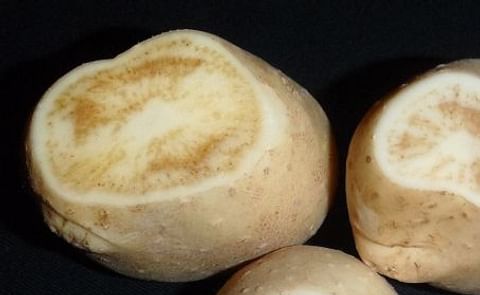
University of Idaho receives grant to study zebra chip disease
The federal government is providing $109,000 for the University of Idaho to study an emerging plant disease the school says “poses a substantial threat to the state’s potato industry.” The money will be used to monitor potato fields for the presence o...From the archive
August 09, 2012
Solynta, FOODsniffer chosen for Ag Innovation Showcase
Two innovative Dutch agri-food companies, Solynta and FOODSniffer, have been selected to present at the Ag Innovation Showcase in St. Louis Sept. 10-13. Solynta has developed a revolutionary breakthrough in potato breeding technology.From the archive
Sponsored Content
August 09, 2012
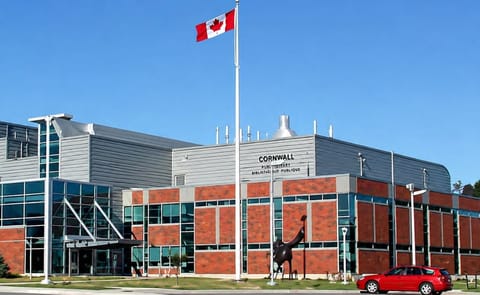
Canadian government invests in potato research
Canadian Potato producers received a boost from the federal Government, as Agriculture Minister Gerry Ritz and Member of Parliament Mike Allen (Tobique–Mactaquac) attended the Centennial celebrations at the Potato Research Centre in Fredericton, NB.From the archive

August 01, 2012
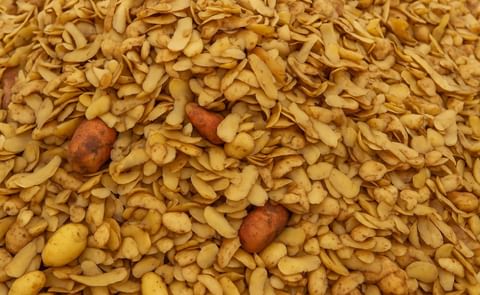
Researchers in India developed technology to convert potato waste into cattle feed
The problem of glut of potatoes causing heavy losses to farmers can now be reduced drastically as the Central Institute of Post Harvest Engineering and Technology (CIPHET) has standardized a technology for using any quality potatoes for the production of cattle feed of high nutritional value.From the archive


July 26, 2012
Green light for growing GM potatoes in Ireland
The Environmental Protection Agency (EPA) has today given consent to Teagasc, Oak Park, Co Carlow, to carry out field trials on a genetically modified (GM) potato line with improved resistance to late potato blight.From the archive


July 26, 2012
US organic potato growers have no approved zebra chip options
While other potato growers use preventative insecticide applications to protect their crops from a new disease to the Pacific Northwest, called zebra chip, Fred Brossy can only wait and see if it hits him.From the archive
July 02, 2012
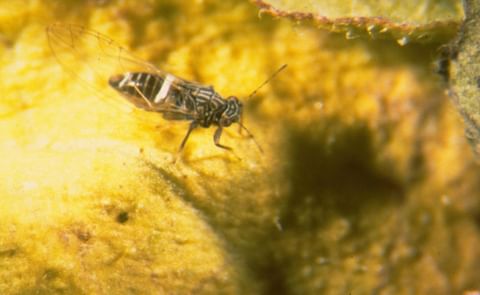
Idaho Potato Psyllids test positive for zebra chip disease
The University of Idaho extension today announced that the potato psyllids found last month in Idaho tentatively tested positive for Liberibacter, Zebra Chip disease.From the archive
June 25, 2012
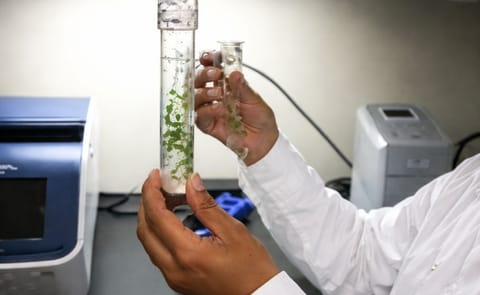
RNA silencing project aims to reduce plant virus clean-up time from one year to far less
Currently, eliminating a virus from an infected plant requires considerable time and money. The price is more than US$500, and the process can take up to a year. Searching for a more cost- and time-effective solution, scientists at the International P...From the archive