

Introduction: The Rise of Apple Chips as a Smart Snacking Revolution
What Apple Chips Are: A Crunchy Reinvention of Whole Fruit
Apple chips are thinly sliced apples that have been dehydrated or otherwise processed to remove most of their moisture content, resulting in a lightweight, crispy snack that mimics the texture of traditional chips while preserving the fruits natural essence. They can be enjoyed plain or seasoned, and unlike fresh apples, they offer portability and a satisfying crunch without the juiciness that can make whole fruits inconvenient for on-the-go consumption. Apple chips are often categorized as a fruit-based alternative to savory snacks, bridging the gap between indulgence and nutrition. Historically, drying fruits like apples dates back to ancient preservation methods used by civilizations such as the Egyptians and Romans, who sun-dried produce to extend shelf life during off-seasons. In modern times, apple chips have evolved into a commercial product, available in various forms from simple home-dehydrated slices to gourmet, flavored varieties sold in stores.
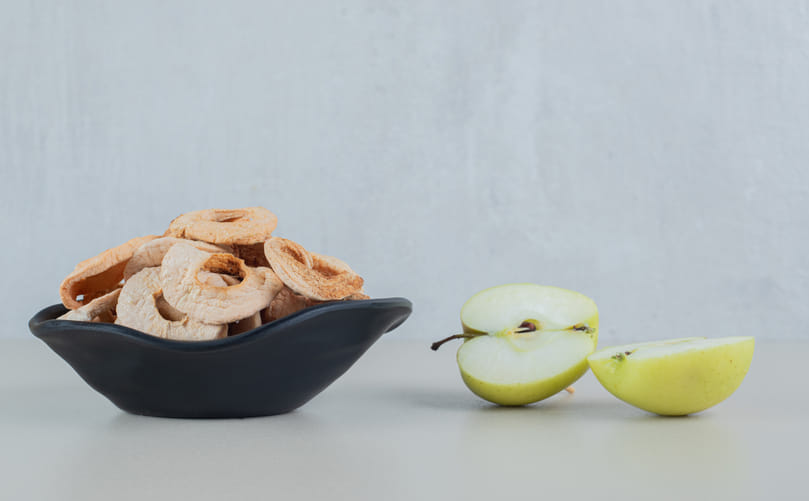
Crispy Apple Chips: A Modern Fruit Snack
Brief Description of How Apple Chips Are Made: From Orchard to Crunch
The process starts with selecting high-quality apples, which are thoroughly washed to remove dirt, residues and potential contaminants often using chlorinated water or bubble tunnels in industrial settings for efficiency. Next, the apples are sorted for size and quality, peeled and cored if desired (though skins are sometimes retained for added fiber and nutrients) and sliced into uniform thicknesses of about 1-3 mm using mandolines, knives or automated slicers to ensure even drying. To combat browning from enzymatic reactions, slices are treated with natural anti-oxidants like ascorbic acid (vitamin C), citric acid, lemon juice, or even honey solutions, which inhibit polyphenol oxidase activity and preserve color.
The dehydration phase involves methods such as baking in ovens at 93–107°C for 1-3 hours, air-drying in dehydrators at 57–63°C for 6-12 hours, or more advanced techniques like freeze-drying, which freezes slices at -40°C before vacuum sublimation. Frying is less common but involves brief immersion in oil for a crunchier result. Post-drying, optional seasonings are added, and the chips are cooled before packaging. This multi-step approach not only extends usability but also concentrates flavors and nutrients.
Why Apple Chips Are Gaining Popularity as a Healthy Snack: Clean, Convenient, and Conscious
Apple chips have become increasingly favored due to the broader consumer shift toward nutritious, minimally processed alternatives to high-calorie, fried snacks. Their appeal lies in being naturally gluten-free, vegan and often free from artificial preservatives, aligning with plant-based diets and clean-eating trends. With rising awareness of obesity and related health issues, people seek low-fat options that provide satiety through fiber, making apple chips ideal for weight management and busy lifestyles. They are popular among children for their fun, chip-like form without the guilt of junk food and among athletes for portable energy.
E-commerce and social media have amplified their visibility, with influencers promoting them as "guilt-free" treats. Additionally, their versatility in flavors caters to diverse palates, contributing to sustained demand in the global snack market. Organic and non-GMO variants further boost appeal among health-conscious consumers seeking transparency in sourcing..