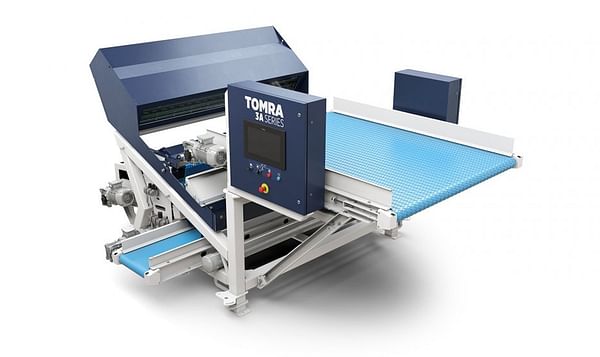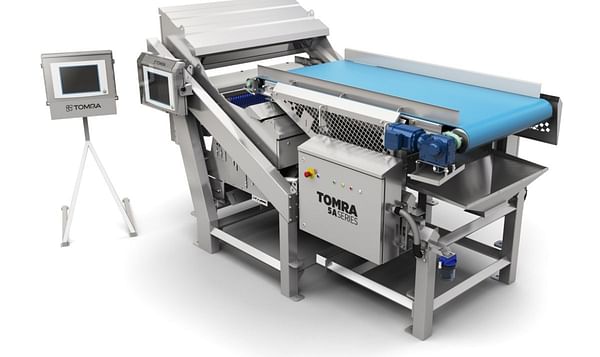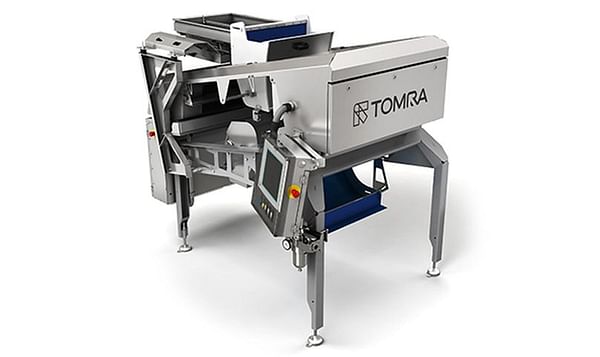


TOMRA Food is a global supplier of sensor-based sorting, grading, and peeling equipment to the food processing sector. The business creates technologies that combine cameras, lasers, and artificial intelligence (AI) to detect flaws, eliminate extraneous elements, and organize food products by color, size, shape, and quality. Its products are frequently utilized to improve food safety, product uniformity, and processing efficiency in industrial processes.
The firm provides a diverse range of equipment, including optical sorting machines (belt, chute, and free-fall sorters), grading and inspection systems, and steam peeling solutions including the Eco, Orbit, and Odyssey peelers. These systems may be used as standalone devices or incorporated into whole processing lines, enabling automated and high-capacity food production facilities.
The company has more than 12,800 units installed at food growers, packers and processors around the world for confectionery, fruit, dried fruit, grains and seeds, potatoes, proteins, nuts, and vegetables.
TOMRA Food operates centers of excellence, regional offices and manufacturing locations within the United States, Europe, South America, Asia, Africa and Australasia.
(Click picture to watch video)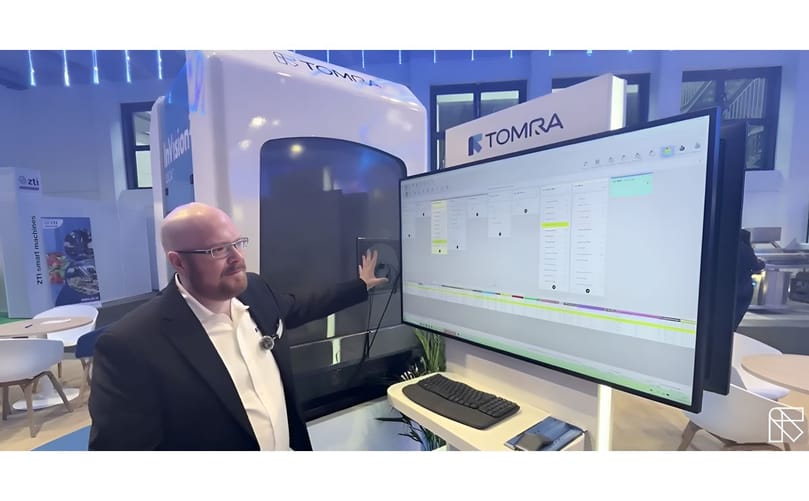
InVision2 in Action: High-Precision Fruit Sorting Demo