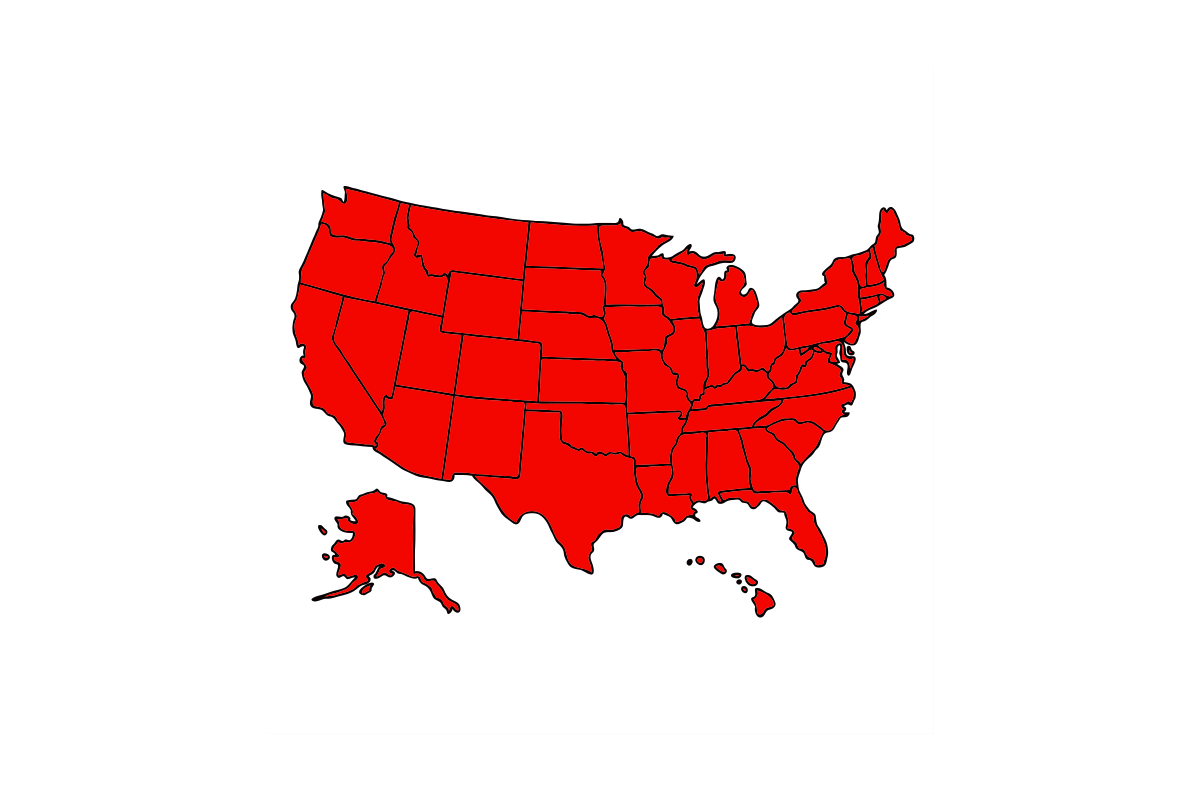

Two more products have been recalled due to the possibility that they may contain salmonella-tainted hydrolyzed vegetable protein (HVP) from Basic Food Flavors – but fears of a large-scale recall have proved unfounded.
At the beginning of March, Food and Drug Administration (FDA) officials said they had found salmonella on equipment at Basic Food Flavors’ Las Vegas, Nevada facility. A customer had alerted the agency after it reported salmonella contamination of the company’s HVP through the FDA’s Reportable Food Registry. Due to the ingredient’s ubiquity and its complex supply chain, the resulting recall was widely expected to balloon over the next few weeks or months.
HVP is a common flavor enhancer used in thousands of food products, including soups, sauces, frozen dinners, cheese, hotdogs, dips and seasoned snacks.
MiDAS Foods International is the latest company to add products to the recall list, with its Instant Beef Soup dry mix and Instant Beef Stroganoff sauce mix, which were sold to food manufacturers in Florida and Tennessee. However, the two products are the first to be recalled since April 1, when 177 products were on the list.
HVP recall continues – but far smaller than feared

¿Te gustaría recibir noticias como esta por correo electrónico? ¡Únete y suscríbete!
Get the latest potato industry news straight to your WhatsApp. Join the PotatoPro WhatsApp Community!
Noticias relacionadas

Octubre 20, 2026
Magallanes impulsa nuevas variedades de papa y tecnologias para mejorar la produccion en 2027
Un programa en Magallanes, Chile, impulsa nuevas variedades de papa, semillas de calidad y técnicas de riego eficiente para beneficiar a 436 productores, reducir el uso de pesticidas y fortalecer la producción y el procesamiento local en 2027.

Octubre 20, 2026
Colombia y Fedepapa acuerdan medidas para reducir costos y mejorar la rentabilidad del sector papero
El Gobierno de Colombia y Fedepapa acuerdan impulsar el riego eficiente, las semillas certificadas y la mecanización para reducir costos de producción, mejorar la comercialización y fortalecer la rentabilidad del sector papero.

Octubre 19, 2026
Francia reduce el tamano mínimo de las papas para procesamiento ante la menor cosecha de 2026
La industria francesa reduce de 50 a 45 milímetros el calibre mínimo de las papas para procesamiento. Siete cadenas de supermercados aceptan papas fritas más cortas ante una cosecha que podría caer cerca de 2 millones de toneladas en 2026.