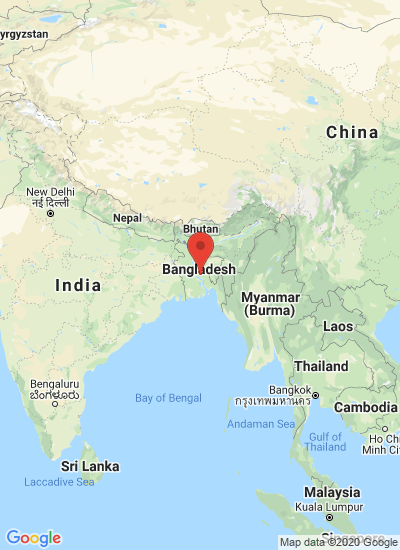

Potato farmers in Bangladesh Rangpur region faced a difficult Eid as oversupply and low prices left harvests unsold.
Low prices and oversupply leave potato farmers in Bangladesh Rangpur region facing difficult Eid
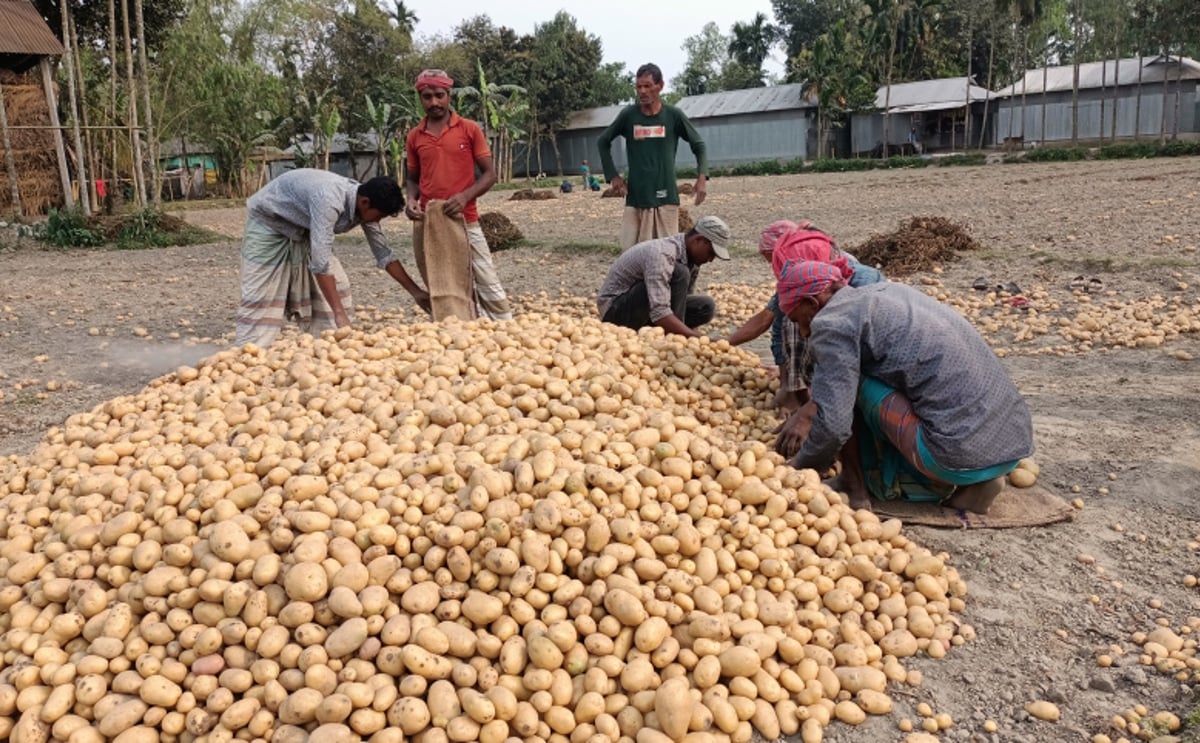
Potato farmers across the Rangpur region in Bangladesh faced a difficult Eid period as unsold harvests, low market prices and mounting losses overshadowed festive celebrations.
Fields remained filled with potatoes, but demand was limited. Many farmers, already burdened by debt, reported that the joy of Eid had disappeared. For the second consecutive year, growers experienced financial losses, with large volumes of harvested potatoes left unsold, forcing families to cut back on even basic holiday preparations.
Across Lalmonirhat, Kurigram, Gaibandha, Rangpur and Nilphamari districts, the contrast was evident. While Eid preparations continued elsewhere, many farming households remained under financial strain. Even after selling produce at nearly half the production cost, farmers struggled to recover investments, with some losing their entire capital.
Farmers report heavy financial losses
Moksedur Rahman, a farmer from Rangpur, cultivated potatoes on 11 bighas at a cost of approximately BDT 620,000 (USD 5,062). He harvested around 40,000 kg but sold only half of the yield for BDT 160,000 (USD 1,306).
With production costs estimated at BDT 15–16 (USD 0.12–0.13) per kilogram, he sold at BDT 8–9 (USD 0.06–0.07), resulting in significant losses. Having taken a BDT 400,000 (USD 3,640) loan from a local NGO, he now faces repayment pressure.
Moksedur Rahman:
"I bought vermicelli, sugar and milk for the family, but I could not buy new clothes for anyone. It feels very painful. Even Eid day passed in sorrow. Last year too, I could not celebrate Eid properly due to losses in potato farming."
Noor Islam, a farmer from Lalmonirhat, reported a similar situation after cultivating potatoes on 15 bighas in an attempt to recover previous losses.
Noor Islam:
"I was forced to sell potatoes at half the production cost, yet there were no buyers. I had no money in hand and could not buy new clothes for my children. Potato farming has ruined me and taken away our Eid joy."
Rohidul Islam, from Kurigram, also reported continued financial distress, estimating losses of around BDT 350,000 (USD 3,185) this season.
Rohidul Islam:
"I was mentally very distressed due to losses in potato farming. I repaid some loans by selling potatoes, but still have debts left. I had no money in hand and could not buy new clothes or even basic food items for Eid."
Oversupply and storage limitations
Atabar Hossain, a farmer from Pirgachha, said he reduced cultivation following previous losses but still faced unsold produce and low demand.
Atabar Hossain:
"There were potatoes in the fields, but no buyers. While Eid brought joy for others, for potato farmers it became a time of sorrow."
According to the Department of Agricultural Extension, potato cultivation in the Rangpur region covered approximately 110,700 hectares this season, with a production target of around 3.035 million tonnes. However, available cold storage capacity, estimated at 764,500 tonnes across 71 facilities, remained significantly below total production levels.
Concerns over future production
Sirajul Islam, Additional Director of the Rangpur Regional Department of Agricultural Extension, stated that favourable weather supported strong yields, but low prices discouraged farmers.
Sirajul Islam:
"If opportunities for exporting potatoes are not created, farmers will face a major crisis. Continued losses may reduce interest in potato cultivation in the future."
Repeated financial setbacks have already led some farmers to reduce or abandon potato cultivation, raising concerns about the long-term sustainability of production in the region.
¿Te gustaría recibir noticias como esta por correo electrónico? ¡Únete y suscríbete!
Get the latest potato industry news straight to your WhatsApp. Join the PotatoPro WhatsApp Community!
Noticias relacionadas
Octubre 07, 2026
Argentina: la papa inicia octubre al alza mientras Tucumán y Jujuy ganan protagonismo
En Argentina, el precio de la papa comenzó octubre al alza mientras disminuye la oferta del Sudeste bonaerense y Córdoba, Tucumán gana protagonismo con valores de hasta ARS 27.000 por bolsa y Jujuy aporta mercadería de buena calidad.

Octubre 06, 2026
España: cae el consumo de patata fresca mientras los formatos procesados y congelados ganan terreno
En España, el consumo doméstico de patata mantiene una tendencia descendente y se sitúa un 10,7% por debajo de la media de los cinco períodos anteriores, mientras la patata fresca pierde volumen y los formatos procesados y congelados ganan presencia. FruitToday

Septiembre 30, 2026
España: Princesa Amandine llega a Fruit Attraction 2026 con 28,6 millones de kilos vendidos y 300 hectáreas de cultivo
Princesa Amandine participará en Fruit Attraction 2026 en Madrid, donde presentará su campaña 2026-2027, centrada en consolidar el proyecto, garantizar una oferta estable y mantener su apuesta por la calidad y la innovación.