
Potato cooperatives in Ethiopia are recovering from conflict, using improved seed, training and partnerships to restore production and strengthen food security.
Ethiopia potato cooperatives rebuild after conflict with focus on resilience and growth

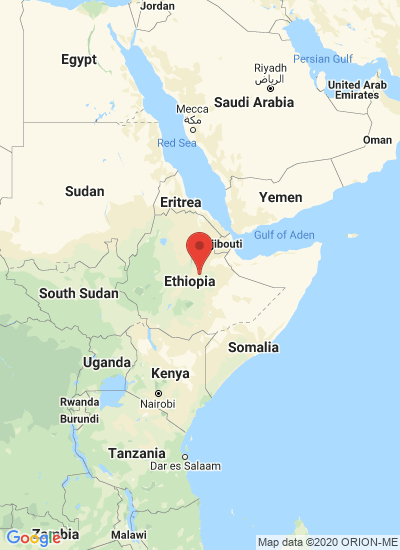
Ethiopia potato cooperatives are rebuilding after conflict, with farmers in Tigray and the Gamo Zone using improved seed, training and finance to restore production and strengthen food security.
In Felege Weyni, where agricultural life was disrupted by the outbreak of war in November 2020, potato farming became an essential source of food and stability. For Keshi Gebretsadik, a priest and head of a 54-member seed multiplication cooperative, the impact was immediate. The group lost its tractor to looting, while more than 1,000 quintals of potatoes rotted unsold as markets collapsed and transport routes were cut off.
Even so, potatoes helped sustain households during nearly two years of conflict and remain central to family resilience during the recovery period. Keshi, a farmer from Itsebi Woreda in Tigray Eastern Zone, began his seed multiplication initiative in 1999 E.C. with 13 members. Supported by regional agricultural institutions and microfinance services, the project later developed into the Shewit Seed Multiplication Cooperative.
The war interrupted that progress, but the cooperative has since resumed operations and expanded to 54 members, with equal participation of men and women. Improved access to finance and agricultural inputs is now helping the group transition from recovery to growth.
Improved seed and finance support recovery
A partnership with SNV has played an important role in this process. Backed by a financing package of ETB 2.4 million (USD 15,254), the cooperative has already drawn half of the funds to restore operations and invest in future production.
Keshi Gebretsadik, Head of Shewit Seed Multiplication Cooperative:
"During the war and the COVID-19 pandemic, potatoes became a primary source of food. We lost our tractor, and we were forced to discard more than 1,000 quintals that could not reach the market."
The introduction of G1 generation seed potatoes, described as higher-quality and disease-controlled planting material, marked a turning point for the cooperative, helping position it for sustained productivity gains.
A similar transition is taking place in Chencha Woreda of the Gamo Zone, where Daniel Gomesha Goha, chairman of the Dambo Ticha GMO Seed Potato Producers Cooperative Association, said improved seed and training have helped farmers significantly increase yields.
Daniel Gomesha Goha:
"Before improved seeds, we depended entirely on local varieties with low yields."
Membership in the cooperative has grown from 30 to more than 100 farmers. Beyond commercial production, the group also distributes seed potatoes to vulnerable households that are unable to farm due to age, illness or limited resources, effectively functioning as a community support system.
Plans are now underway to expand further, with the aim of reaching every household in the area.
Workshop highlights potato role in food security and resilience
These experiences of recovery and adaptation were reflected in discussions during the National Potato Research and Development Workshop held from March 17 to 19 in Addis Ababa at the Ethiopian Institute of Agricultural Research (EIAR). Held under the theme "Advancing the Potato Industry in Ethiopia: Innovation for Resilience, Food Security, and Economic Growth," the workshop highlighted the growing recognition of potato as more than a subsistence crop, positioning it as a strategic asset in national development.
Participants emphasized the need to bridge the gap between research and practice, ensuring that innovations developed through research translate into tangible benefits for smallholder farmers. Experiences from Tigray and the Gamo Zone demonstrated how potato production is evolving into a key pillar of food and nutrition security.
Speaking on St. Patrick’s Day, Fergal Ryan, Deputy Head of Mission at the Embassy of Ireland, drew parallels with Ireland’s 19th-century Great Famine, when potato blight devastated a population heavily dependent on a single crop.
Fergal Ryan:
"The Irish potato remains central to our story of confronting hunger and inequality. Our focus is on supporting smallholder farmers - reducing hunger and strengthening resilience by unlocking the crop’s full potential as a high-yield, nutritious, and climate-adapted food."
Sector still faces structural challenges
Despite progress, speakers at the workshop highlighted persistent structural constraints across the potato value chain.
Reta Worku, Technical Representative at SNV:
"The potato has long been seen as a poor man’s crop. Now it risks becoming a rich man’s crop."
He added that inconsistent supply, particularly for processors, reflects broader systemic issues.
Reta Worku:
"Not getting sufficient and quality potato for processing is a serious gap."
Sebsibe Zewdie of GIZ pointed to the National Potato and Sweet Potato Development Strategy 2024-2030 as a key framework for improving coordination across institutions.
Sebsibe Zewdie:
"Sustainable and inclusive growth must center on smallholder farmers. A coordinated approach - linking government, research, development partners, and the private sector - is essential to building a resilient system."
Fekadu Gurmu, Director General of EIAR, said Ethiopia’s agricultural extension system has historically focused on cereals such as wheat and maize, often leaving horticultural crops with limited attention.
Fekadu Gurmu:
"The attention given to crops like potato is still limited."
He added that ongoing research is developing varieties resistant to diseases such as late blight and wilting, while also addressing the needs of agro-processing industries. Expanding extension services to deliver these innovations to farmers remains the next critical step.
Like to receive news like this by email? Join and Subscribe!
Get the latest potato industry news straight to your WhatsApp. Join the PotatoPro WhatsApp Community!
Related News

October 10, 2026
EarthFresh Butter Potatoes Reach More Than 4 Million Households as Retail Demand Surges
EarthFresh Butter Potatoes are gaining momentum across North America, reaching over 4 million households. With acreage up 40% and 100% incremental sales, the premium lineup offers retailers new opportunities to grow the potato category.

October 08, 2026
ICAR-CPRI Potato Varieties Cover Nearly 75% of India’s Potato Area
ICAR-CPRI's Kufri Jyoti, Kufri Bahar, Kufri Pukhraj and Kufri Chipsona-1 together cover nearly 75% of India's potato cultivation area. The varieties have boosted productivity, farmer incomes and the potato processing sector.

October 06, 2026
Dutch Potato Organisation Celebrated Potato Tuesday at Utrecht Central Station on October 6
The Dutch Potato Organisation celebrated Potato Tuesday on October 6 at Utrecht Central Station during the Week of Our Food. Visitors can enjoy free recipe booklets and discover the people behind the Dutch potato industry.