India’s potato industry calls on Union Budget 2026 to deliver structural reforms across cultivation, cold chain, processing and exports, aiming to position potatoes as a high-value, export-oriented growth sector while improving farmer incomes.
India potato sector urges structural reforms in Union Budget 2026
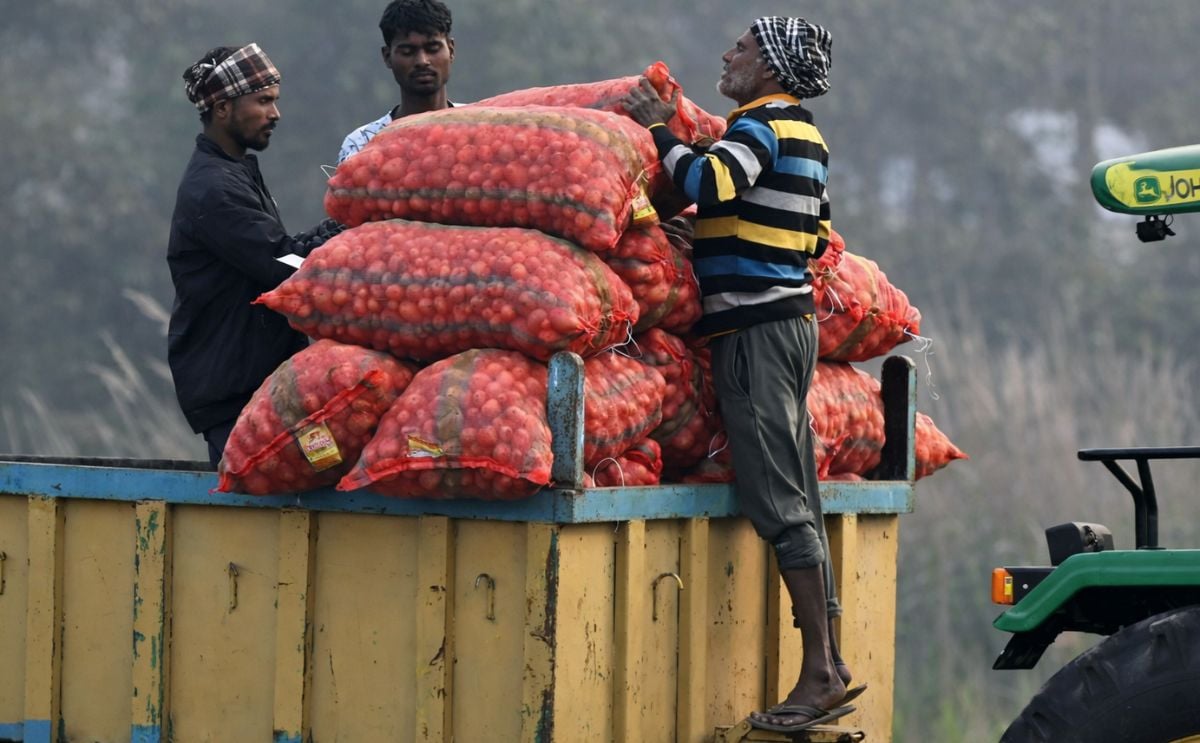
As the Union Budget 2026 is unveiled, India’s potato sector has urged the government to take decisive and time-bound policy action to transform the industry into a strong driver of farmer income growth, food processing expansion and export-led development. Industry stakeholders stress that incremental measures will no longer be sufficient.
Potatoes sit at the intersection of food security, farmer prosperity and India’s processed food ambitions. The sector is calling on Budget 2026 to move beyond limited support measures and introduce structural reforms that reduce cold storage losses, curb post-harvest wastage and position India as a global hub for value-added potato products.
Collective farming to strengthen farmer economics
One of the sector’s key priorities is the introduction of clear fiscal incentives for collective farming models, particularly for processing-grade potato growers. Structures similar to Farmer Producer Organizations (FPOs) are seen as essential to achieve scale, quality consistency and predictable incomes for farmers supplying the processing industry.
Cold chain, logistics and processing at the core of reform
Cold storage, grading and logistics remain critical bottlenecks in India’s potato supply chain. The industry has requested capital subsidies and interest subventions to enable investment in modern, energy-efficient cold storage facilities that can significantly reduce storage losses.
Additional support for transport and logistics would help lower the cost of moving produce from farms to processing plants and ports. The inclusion of potato processing under the Production Linked Incentive (PLI) framework is also viewed as a key step to accelerate capacity expansion and value addition.
Digitalisation as a competitive necessity
Potato cultivation is highly sensitive to heat and water stress, making climate risk a major challenge for both farmers and processors. Companies such as HyFarm are already working with breeders to develop early-maturity, climate-resilient varieties, while deploying IoT sensors and AI-driven advisory systems to support farmers in real time.
The industry believes that widespread adoption of digital technologies, including precision farming, traceability and real-time advisories, is essential if Indian potato farming is to become globally competitive.
Export push with government leadership
To strengthen India’s position in global markets, the sector is seeking government support for export-ready logistics and better policy alignment. Dedicated port infrastructure, faster phytosanitary clearances and recognition of India’s traceability systems in bilateral trade agreements are seen as critical enablers.
Industry representatives also highlight the importance of government-led export roadshows across Southeast Asia, the Middle East and the Indian subcontinent to support market access and promote Indian potato products internationally.
R&D investment to secure long-term growth
The sector continues to call for scaled-up investment in potato research and development through public–private partnerships. Priority areas include processing-grade, high-yielding and climate-resilient varieties tailored to Indian growing conditions.
Stakeholders emphasise that Budget 2026 should mark a clear inflection point, transforming potatoes from a price-sensitive commodity into a high-value, export-oriented growth sector aligned with India’s long-term agricultural and economic vision. Strategic investment in R&D, digitalisation and exports is expected to create rural employment, attract private capital and build a globally competitive potato value chain anchored in farmer prosperity.
Like to receive news like this by email? Join and Subscribe!
Get the latest potato industry news straight to your WhatsApp. Join the PotatoPro WhatsApp Community!
Highlighted Company

Related News

October 22, 2026
Belgian Potato Exports Rise as UK Demand for Premium Convenience Foods Grows
Belgian potato exporters are targeting UK demand for premium convenience foods. Innovative frozen, fresh-processed and airfryer-friendly products, alongside private-label expertise, are creating growth opportunities as domestic supply falls short.

October 21, 2026
Europatat Congress 2027 to Celebrate 75th Anniversary in Lisbon
Europatat Congress 2027 will take place in Lisbon, Portugal, from 2–4 June, celebrating Europatat’s 75th anniversary. Co-organised with Porbatata, the event will feature a conference, gala dinner, technical visits and sponsorship opportunities.

October 21, 2026
Kazakhstan and Belgium Partner to Boost Potato Processing and Exports
Kazakhstan and Belgium have signed a memorandum to develop potato processing, modernise cultivation and attract investment. With the 2026 harvest forecast at 2.8 million tonnes, Kazakhstan aims to expand exports of higher-value potato products.