
MTS Gijzenberg uses two DIVIDER Select systems directly after receiving to create a cleaner potato flow while maintaining capacity with eight fewer people on the sorting line
MTS Giesenberg Uses Flikweert Vision DIVIDER Select to Streamline Potato Sorting in Arizona

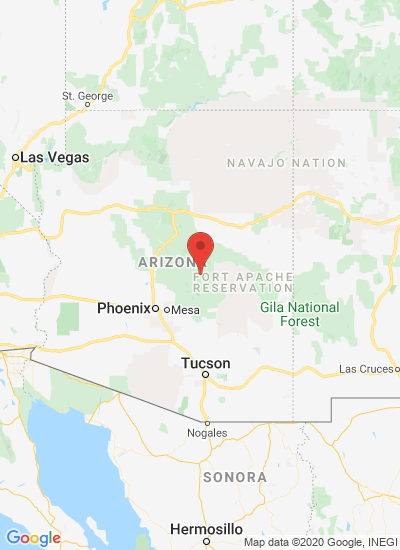
MTS Giesenberg, a Dutch family business with operations in Groningen, the Netherlands, and Willcox, Arizona, has reduced its reliance on manual potato sorting after installing two DIVIDER Select optical sorting systems from Flikweert Vision at its Arizona operation.
Jos Giesenberg has managed the operation in Willcox since 2015. Potatoes are grown at an elevation of around 1,200 metres in a dry climate that helps keep disease pressure low, although irrigation is essential for production. MTS Giesenberg grows creamer potatoes starting from 18 mm. At this small size, potatoes, clods and stones can be very similar in size, making effective separation particularly challenging.
At the same time, finding enough people for manual sorting had become increasingly difficult. Giesenberg wanted to remove foreign material earlier in the process while reducing the number of people required on the sorting line.
(Click picture to watch video)
Less manual sorting at MTS Gijzenberg with Divider Select, Flikweert Vision
Two DIVIDER Selects installed after receiving
To address these challenges, MTS Giesenberg installed two DIVIDER Select optical sorting systems from Flikweert Vision. The systems use industrial cameras to capture every object as it travels along the belt. The product remains stable on the belt during inspection, allowing the cameras to obtain clear images for analysis.
Flikweert Vision's AI-based software determines which objects belong in the potato flow and which should be removed. Individual ejection fingers are controlled separately to selectively remove clods, stones, foreign objects and potatoes with extreme defects.
This results in a cleaner and more manageable potato flow before the product continues through the handling process.
Eight fewer people at the same capacity
According to Flikweert Vision, MTS Giesenberg now requires eight fewer people on the sorting line while maintaining the same capacity. Positioning the DIVIDER Select systems directly after the receiving hopper also allows foreign material to be removed early in the process. This gives Giesenberg greater control over the potatoes entering and leaving storage.

Jos Gijzenberg, Owner of MTS Gijzenberg
The potatoes consequently reach the boxes cleaner, while the operation requires fewer people and has greater control over product flow. For MTS Giesenberg, the installation also reflects a broader shift toward automation in potato handling. Jos Giesenberg expects optical sorting technology to take over more work currently performed manually in the future.
Optical sorting technology for potatoes
Flikweert Vision develops optical sorting technology for the potato and onion sectors. Its DIVIDER Select is designed to remove foreign material and major product defects early in the handling process, reducing the amount of unwanted material that continues through subsequent stages.

Potatoes pass beneath the industrial cameras inside Flikweert Vision's DIVIDER Select, where AI-based software identifies foreign material and potatoes with extreme defects for removal
At MTS Giesenberg, the combination of industrial cameras, AI-based recognition and individually controlled ejection fingers allows the two systems to distinguish small potatoes from similarly sized stones, clods and other unwanted material.
The installation demonstrates how optical sorting can reduce dependence on manual labour while maintaining throughput and improving control over potato handling and storage.
Like to receive news like this by email? Join and Subscribe!
Get the latest potato industry news straight to your WhatsApp. Join the PotatoPro WhatsApp Community!
Highlighted Company


Products

Related News

October 29, 2026
ZEEN Tech Wins Two SIAL Innovation 2026 Awards for Oil-Free Food Processing Technology
Swiss food processing equipment company ZEEN Tech won the Gold Award and Equipment and Technologies Award at SIAL Innovation 2026 in Paris for its Fried in Water technology, designed as an alternative to oil frying with potential use in potato chips.

October 28, 2026
Flo-Mech Launches Flo-Flavour On-Demand Slurry System for Snack Seasoning Applications
Flo-Mech is now offering its new Flo-Flavour On-Demand Slurry System for snack and coated product lines. The system features gravimetric dosing, continuous mixing and automated powder and liquid integration. Now available for on-site customer trials.

October 27, 2026
FAM STUMABO to Showcase Centris 400 and SureTec 240 at Gulfood Manufacturing 2026
FAM STUMABO will showcase its Centris 400 and SureTec 240 cutting machines at Gulfood Manufacturing 2026 in Dubai, highlighting precision cutting, improved yields, reduced waste and automation solutions for food processors.