

Regular Chips: The Timeless Foundation of the Snack Industry
In the fast-moving world of snack foods, where new flavours appear almost weekly, regular potato chips also known as plain, classic or simply salted remain the quiet powerhouse and true foundation of the entire category. While flavoured varieties often grab attention and drive incremental growth, plain salted chips continue to command a substantial and remarkably stable share of the global market.
Recent analysis indicate that flavoured chips account for roughly 64% of global revenue, while plain and salted varieties still represent about 35–36%. In several key markets, their dominance is even more pronounced. In the United States, plain chips frequently exceed 50–55% of the segment and in many price sensitive or family-oriented regions they remain the default choice for large packs and everyday consumption.
This enduring popularity is no accident. Regular chips deliver a universally understood experience that is familiar, comforting and free of surprises. Their clean, balanced taste appeals across age groups, cultures and consumption occasions. They are the snack consumers choose when they want a reliable crunch without committing to a bold or polarising flavour profile.
Plain chips also serve as the industry’s benchmark. Every new flavour innovation is implicitly judged against the quality of a brand’s regular chip. Brands that fail to consistently deliver an excellent plain offering rarely build lasting consumer loyalty, regardless of how creative or trendy their flavoured line up may be.
Across supermarkets, convenience stores and bulk retail formats, the classic salted variety remains the volume driver, the entry point for new consumers and the dependable profit engine that supports experimentation and innovation elsewhere in the portfolio. In an industry defined by change, regular chips continue to prove that simplicity, when executed well never goes out of style.
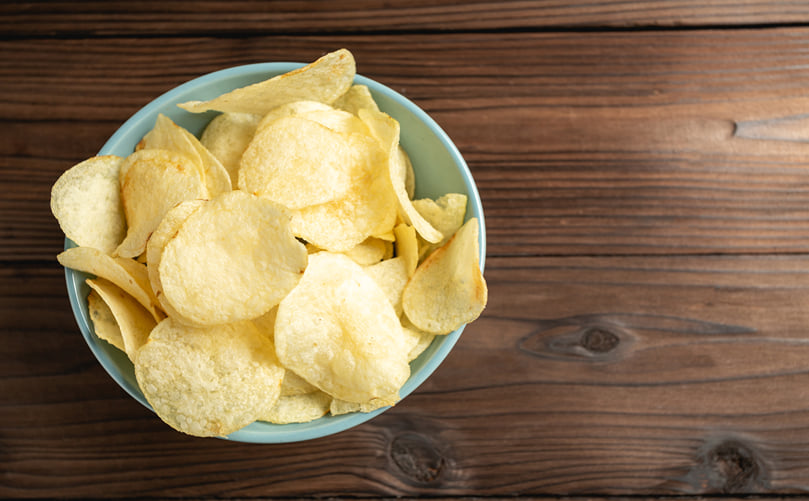
The Classic Crunch: Plain Chips at the Heart of the Snack Industry
Inside the Classic: Defining the Regular Potato Chip
A regular potato chip is defined above all by its purity and its strict adherence to a traditional, minimal-ingredient process that has changed surprisingly little since the snack was invented in the 19th century. Production begins with whole, fresh potatoes never dehydrated flakes, formed dough or extruded sheets which are washed, peeled and sliced into thin, uniform pieces typically measuring between 1.27 and 1.78 millimetres in thickness.
These slices are then deep fried in high stability vegetable oil, most commonly canola, sunflower, corn or palm oil, at temperatures generally ranging from 170 °C to 190 °C. Frying continues until the moisture content falls below 2%, usually around 1.5–1.8%, while the oil content stabilizes at approximately 33–38% by weight.
The only seasoning permitted is salt, applied at about 1.5–2.5% of the finished product weight, typically through a light tumbling or dusting step after frying. Nothing else is added no flavour powders, spices, colours, maltodextrins or additional seasonings. This deliberate simplicity allows the natural potato flavour to remain dominant, supported by the golden colour developed through controlled Maillard browning and the chip’s signature crisp, airy texture.
The result is a chip that snaps cleanly, melts quickly on the tongue and leaves behind a clean, lightly salty aftertaste. Any deviation from this formula such as thicker kettle style cuts, added seasonings or alternative cooking methods like baking or air frying moves the product out of the strict “regular” category and into a different sub segment.
Industry standards, including those referenced by food authorities, emphasize this narrow ingredient list and these precise physical parameters because they ensure consistency, shelf stability and the unmistakable sensory experience that generations of consumers instantly recognize as classic potato chips.
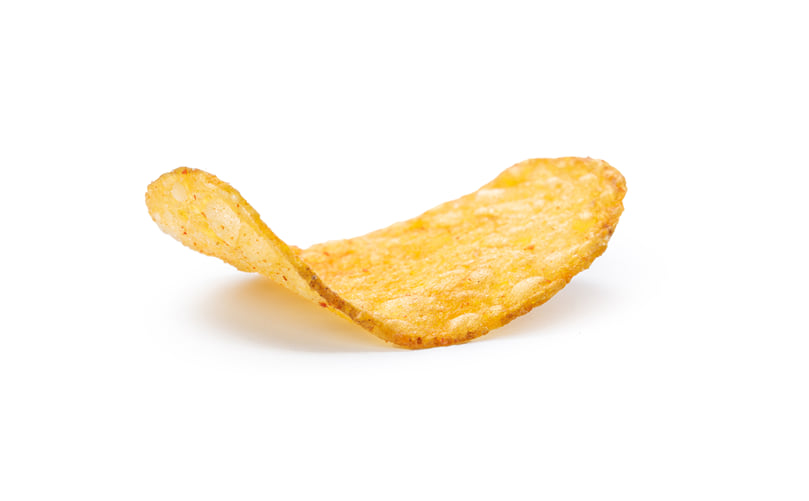
Crafting Perfection: The Anatomy of a Classic Potato Chip
Raw Materials Matter: Why Potato Variety Defines Regular Chips
Because regular chips contain no masking flavours or added seasonings, the quality of the raw potato is absolutely critical. Any weakness in colour, texture or flavour becomes immediately visible and perceptible in the finished product. For this reason, processors rely on potato varieties bred specifically for chipping, with a strong emphasis on high dry matter content, typically in the range of 20–25%, corresponding to a specific gravity of about 1.080–1.095. High dry matter creates a rigid, glassy cell structure that delivers superior crispness while limiting oil absorption during frying.
Equally important is an extremely low concentration of reducing sugars, mainly glucose and fructose. Ideally, these sugars are maintained below 0.05–0.1%, as even small increases can trigger excessive Maillard browning during frying. Elevated sugar levels lead to dark, bitter chips and are associated with higher acrylamide formation, making sugar control both a quality and food safety priority. Tuber uniformity also plays a major role. Potatoes are typically selected in the 50–80 gram range with round to oval shapes to reduce peeling losses, ensure uniform slice thickness and promote even heat transfer during frying.
After harvest, chipping potatoes are stored for extended periods, usually four to ten months, under carefully managed conditions. Storage temperatures are commonly maintained between 7 and 10 °C, a range that helps suppress sprouting and respiration while avoiding cold induced sweetening that would otherwise raise reducing sugar levels. Precise storage management is just as important as varietal selection in maintaining consistent chip colour and flavour throughout the processing season.
Among commercial varieties, Atlantic remains a global workhorse due to its high yield, good fry colour and dependable performance across a wide range of environments. Lamoka, developed by Cornell University, has emerged as a modern benchmark for long term storage performance. It maintains excellent chip colour even after eight months of storage, offers strong resistance to common scab and golden nematode and delivers a specific gravity of around 1.088, resulting in slightly lower oil uptake and improved texture compared with older varieties. Snowden continues to be valued for its stable processing quality and broad disease tolerance, while in Europe and parts of Asia, Lady Rosetta is widely preferred for its very high dry matter content, often reaching 23–24%, its early maturity and its ability to produce bright, uniform chips under diverse climatic conditions.
These varieties are the outcome of decades of targeted breeding programmes focused on the exact requirements of regular potato chips: high solids for structure, low sugars for colour control, uniform tuber shape for processing efficiency and strong disease resistance to ensure reliable supply. When processors source the right variety, store it correctly and slice it with precision, the result is a regular chip that achieves the ideal balance of lightness, crunch and clean potato flavour that has defined the category for generations.
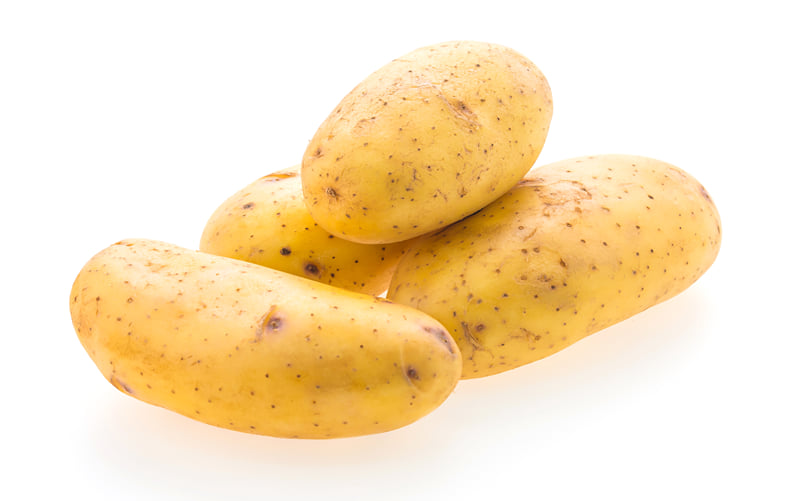
From Field to Fryer: The Potato Varieties Behind Perfect Chips
Processing and Texture Characteristics of Regular Potato Chips
The processing of regular potato chips follows a highly controlled industrial sequence designed to deliver the signature light, airy crispness and clean snap that consumers expect. Potatoes are washed and steam peeled, typically resulting in a 6–8% peel loss, then precision sliced to a uniform thickness of 1.2–1.8 mm, with most production lines targeting 1.3–1.7 mm for standard thin chips. After slicing, the chips are rinsed to remove excess surface starch. An optional blanching step at 70–85 °C for 2–5 minutes may be applied to inactivate enzymes and reduce reducing sugars, helping to control browning during frying.
The slices then enter continuous fryers where oil temperature is carefully maintained at 175–185 °C. Within 2–4 minutes, moisture content decreases from approximately 80% in raw potatoes to less than 2% in the finished chip. During this process, oil absorption typically reaches 30–35% by weight. Modern processing lines incorporating Pulsed Electric Field (PEF) treatment can reduce oil uptake to around 30–32% and shorten frying time by 20–25%.
Rapid moisture evaporation during frying creates a glassy, brittle cellular structure, which is responsible for the characteristic clean snap of regular chips. The mechanical breaking force generally ranges from 15–20 N, while the audible crunch typically measures 70–80 dB.
In contrast to kettle cooked chips, which are sliced thicker at 1.5–2.0 mm and batch fried under fluctuating oil temperatures for longer durations, regular chips offer a lighter, more uniform texture. They are characterized by a delicate, quick melting mouthfeel rather than a dense, hard bite.
This precise balance of slice thickness, stable high temperature frying and rapid dehydration gives classic salted chips their instantly recognizable crispiness and ensures consistent quality across production batches.
The Timeless Appeal of Regular Salted Potato Chips
Regular salted potato chips offer one of the most neutral and universally appealing taste profiles in the entire snack category: a clean potato flavour complemented by light, balanced saltiness, typically around 1.5–2.5% by weight, without any competing seasonings. This simplicity makes them the perfect “blank canvas,” versatile enough to pair with virtually any dip, sandwich or topping, while remaining satisfying when enjoyed on their own without overwhelming the palate.
In recent years, plain or salted chips have continued to dominate large segments of the market because of their broad, cross generational appeal. They remain the safe and familiar choice for children, the everyday staple for families, and the neutral option preferred by consumers who avoid bold or highly seasoned flavours. Consumer research consistently shows that the classic, lightly salted crunch is one of the most reliable drivers of repeat purchase across age groups and occasions, ranging from casual snacking to social gatherings.
Their adaptability also provides a strong advantage in price sensitive and household consumption channels, where they function equally well as a standalone snack or as an ingredient in recipes. The clean, lightly salty, potato forward profile creates a sense of comfort and familiarity, positioning regular chips as the benchmark against which every new flavour innovation is judged.
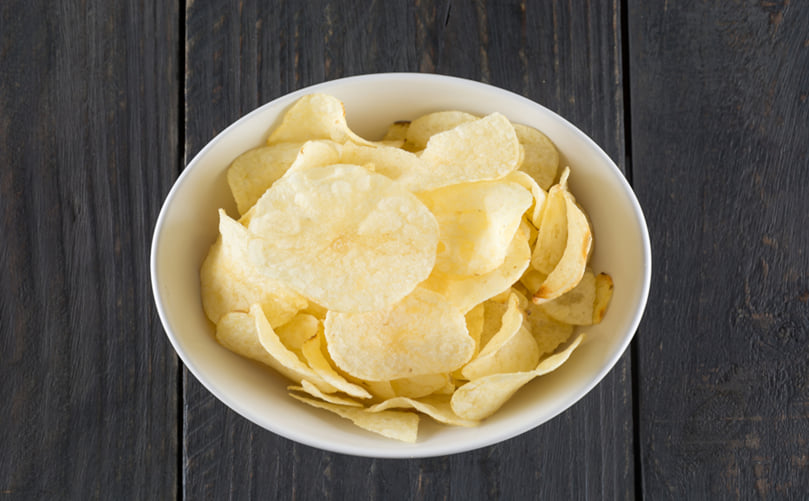
Universal Crunch: The Enduring Popularity of Salted Potato Chips
Shelf Life and Storage Stability of Regular Potato Chips
Regular (plain or salted) potato chips generally demonstrate superior shelf-life stability compared with flavoured varieties because they contain fewer seasoning components that can degrade, oxidise or absorb moisture over time. The absence of flavour powders reduces the risk of aroma loss, moisture migration and catalytic oxidation, all of which can shorten product stability in seasoned chips.
Modern packaging systems use nitrogen flushing to reduce residual oxygen levels to below 2–3.5%, creating a modified atmosphere that significantly slows lipid oxidation and rancidity development. Under accelerated storage conditions at 45 °C, unsalted or plain chips without nitrogen flushing typically remain stable for approximately 6 weeks, which corresponds to about 24 weeks under normal storage conditions, based on hexanal formation and sensory detection of rancidity. With nitrogen flushing, stability under the same accelerated conditions can extend to around 8 weeks, equivalent to roughly 32 weeks in real time.
In standard commercial practice, properly nitrogen flushed plain chips commonly achieve an unopened shelf life of 2–6 months and in many cases longer. Premium product lines using high oleic oils and metallised barrier films may reach 9–12 months of shelf stability. Because plain chips do not contain volatile flavour compounds that may degrade or lose intensity, they tend to maintain their clean potato taste and crisp texture longer than seasoned varieties.
However, once opened, both plain and flavoured chips rapidly lose crispness due to moisture absorption from ambient humidity. For this reason, the industry consistently recommends prompt consumption after opening to preserve optimal texture and flavour quality.
Market Demand and Global Presence of Regular Potato Chips
Regular (plain or salted) potato chips continue to command strong global demand as one of the most stable, high volume segments of the broader potato chips category. According to the January 2026 Mordor Intelligence update, the overall global potato chips market was valued at **approximately USD 56.23 billion in 2025 and is projected to grow to USD 59.67 billion in 2026, reaching about USD 80.25 billion by 2031 at a 6.12 % CAGR over 2026–2031.
Within this market, plain and salted varieties remain a significant portion of volume and revenue, even as flavoured chips collectively capture a larger share. Mordor Intelligence data indicates that flavoured chips held about 64.10 % of market revenue in 2025, with plain and salted products constituting the balance. Additional segmentation of the fried potato chips category which dominates overall potato chip consumption shows that plain and salted chips represented around 58 % share in 2025, underscoring their continued relevance as cost effective, versatile staples within this sub segment.
Regionally, North America emerged as the largest single market in 2025, accounting for about 35.20 % of global potato chips revenue, reflecting mature consumption habits, strong retail infrastructure and the enduring popularity of classic brands. The Asia Pacific region is forecast to be the fastest growing area through 2031, with a 6.85 % CAGR driven by rapid urbanization, rising disposable incomes in China, India and Southeast Asian countries and increasing adoption of Western style snacking habits. Europe and other regions together make up the remaining share, where plain chips continue to perform well in price sensitive channels, large format packs and institutional purchases.
Demand for regular chips remains resilient globally because their neutral flavour, affordability and reliable quality support both impulse purchases and planned household stocking. Even as flavour innovation expands choice, the classic plain and salted profile retains broad appeal across demographic groups and occasions from everyday snacking to complementing meals.
Regional Preferences in “Regular” Potato Chips
Although “regular” potato chips are defined by their simplicity potatoes, oil and salt subtle regional variations in salt intensity, slice thickness, oil type and frying style allow the same basic product to feel locally familiar while maintaining its plain identity.
In North America, consumers generally prefer very thin slices, typically around 1.2–1.5 mm, combined with lighter salt levels of approximately 1.5–2.0%. This produces a delicate, quick melting crunch that pairs well with dips and sandwiches. Mainstream brands such as Lay’s Classic reflect this lighter texture and seasoning profile, while some regional kettle style brands offer a slightly firmer bite within the “original” segment.
In the United Kingdom and much of Northern Europe, regular chips are often cut slightly thicker, around 1.5–1.8 mm, with a more pronounced salt impact that can reach up to 2.5%. Sea salt is commonly preferred and the traditional “ready salted” style delivers a firmer texture and more noticeable seasoning, aligning with local taste expectations.
In India and parts of Asia, plain chips may contain moderately higher salt levels, generally in the range of 2.0–2.5% and are frequently fried in neutral oils such as refined vegetable oil or rice bran oil. The slightly stronger seasoning and crisp structure help maintain flavour perception in humid climates. In some markets, products inspired by the “Salt ’n’ Shake” concept include a separate salt sachet, allowing consumers to customize salt intensity according to personal preference.
Across Latin America and parts of the Middle East, regular chips often feature a medium thickness cut and balanced salting, making them suitable for pairing with local street foods or being consumed as a standalone snack.
These relatively small but meaningful adjustments in salt dosage, slice thickness, oil selection and frying parameters enable global brands to preserve the universal “plain” positioning of regular chips while delivering the specific mouthfeel and flavour balance that each region expects. This adaptability is a key reason why regular chips continue to rank among the highest volume everyday snack products worldwide.
Role in Brand Trust and Consumer Loyalty
Regular potato chips function as the ultimate benchmark of a brand’s credibility and one of the strongest drivers of long-term consumer loyalty within the snack category. While consumers may experiment with bold or limited edition flavours out of curiosity, they consistently return to the classic salted variety as the true measure of quality and consistency. If the plain chips appear overly oily, stale, unevenly coloured or fail to deliver the expected clean snap and authentic potato taste, the brand’s overall reputation can suffer more significantly than from the underperformance of any single flavoured variant.
Leading brands clearly recognize this dynamic. In recent year, Lays introduced one of its most significant brand updates in nearly a century, placing greater visual emphasis on real potatoes in its packaging design and reinforcing its commitment to ingredient transparency. The company also announced the removal of artificial flavours and colours from its core U.S. product range by the end of 2025 and highlighted the use of cleaner oils in selected baked and kettle cooked lines. These changes were positioned around strengthening consumer trust and reinforcing the message of consistent quality from farm to bag.
Consumer behaviour research consistently shows that reliability in a core, everyday product builds the emotional foundation for loyalty. When shoppers trust that the regular salted chips will consistently deliver the same crisp texture and balanced potato flavour they expect, they are more likely to explore additional offerings within the brand’s portfolio, including flavoured, premium or seasonal variants.
In essence, the plain salted product is not merely another stock keeping unit; it represents the brand’s daily promise of consistency. Brands that consistently uphold this promise benefit from higher repeat purchase rates, stronger brand equity and deeper long-term consumer relationships across their entire range.

Building Loyalty: How Regular Chips Define Brand Trust
Role of Regular Chips in Product Innovation
Regular potato chips serve as the essential starting point and technical benchmark for nearly every major innovation in the potato chip category. Because they contain no masking seasonings, any adjustment in processing technique, potato variety, oil type, slice thickness or frying method must first perform successfully in the classic salted format before being extended to flavoured variants. In a sense, the plain chip reveals everything: texture flaws, oil quality issues, colour inconsistencies and structural weaknesses cannot be hidden behind seasoning.
Almost every flavoured chip begins its production cycle as a regular chip, with seasonings applied only after frying. For this reason, new formats such as kettle cooked, thick cut, wavy or rippled, baked, reduced fat and air fried chips are typically introduced first in a plain salted version. This approach allows brands to validate improvements in crunch, mouthfeel, oil reduction or structural integrity in their purest and most transparent form before adding complex flavour systems.
Industry trends consistently show that regular or lightly salted variants represent a significant share of new product launches across emerging sub-categories, including kettle style and textural innovations. When brands implement reformulations such as introducing alternative oils, adjusting fat levels or improving ingredient transparency the changes are often first refined and communicated through Classic or Sea Salt lines. This strategy reinforces consumer trust while providing a clear baseline for performance and quality.
In practice, a successful regular chip becomes the sensory and technical standard against which all extensions are measured. Once a brand achieves the desired crispness, colour, oil balance and clean potato flavour in its plain version, it can confidently layer on global seasonings, limited edition flavours or health-oriented claims without compromising the integrity of its core product.
Health Perception and the Clean Label Advantage
Among all potato chip varieties, regular salted chips are increasingly perceived as the “cleanest” and most transparent option because they contain the fewest ingredients typically just potatoes, oil and salt. This simplicity aligns closely with the clean label movement, where consumers actively look for shorter ingredient lists, recognizable components and the absence of artificial additives. The straightforward composition of plain chips makes them easier for consumers to understand and trust compared with heavily seasoned alternatives that may include flavour enhancers, colourants or complex additive blends.
In late 2025, Lay’s reinforced this clean label positioning by committing to remove artificial flavours and colours from its core U.S. product range and by emphasizing ingredient transparency in its communication. The company also highlighted the use of alternative oils in selected lines, such as olive oil in baked products and avocado oil in certain reduced fat kettle cooked variants, positioning these moves as part of a broader effort toward improved ingredient integrity and consumer trust.
Market analyses indicate that the plain or salted segment continues to maintain a substantial share of overall sales in many regions, partly because it is perceived as less processed than strongly flavoured products. Baked, organic and minimally processed variants many of which are introduced first in plain salted formats are also expanding, reflecting growing interest in cleaner snacking options.
For health-conscious consumers, regular salted chips are often viewed as the “simplest indulgence” within the category. While still an occasional snack, their limited ingredient profile, transparent sourcing narratives and reduced reliance on synthetic additives make them comparatively more acceptable within balanced dietary patterns.


