

Introduction: The Rise of Apple Chips as a Smart Snacking Revolution
What Apple Chips Are: A Crunchy Reinvention of Whole Fruit
Apple chips are thinly sliced apples that have been dehydrated or otherwise processed to remove most of their moisture content, resulting in a lightweight, crispy snack that mimics the texture of traditional chips while preserving the fruits natural essence. They can be enjoyed plain or seasoned and unlike fresh apples, they offer portability and a satisfying crunch without the juiciness that can make whole fruits inconvenient for on-the-go consumption. Apple chips are often categorized as a fruit-based alternative to savory snacks, bridging the gap between indulgence and nutrition. Historically, drying fruits like apples dates back to ancient preservation methods used by civilizations such as the Egyptians and Romans, who sun-dried produce to extend shelf life during off-seasons. In modern times, apple chips have evolved into a commercial product, available in various forms from simple home-dehydrated slices to gourmet, flavored varieties sold in stores.
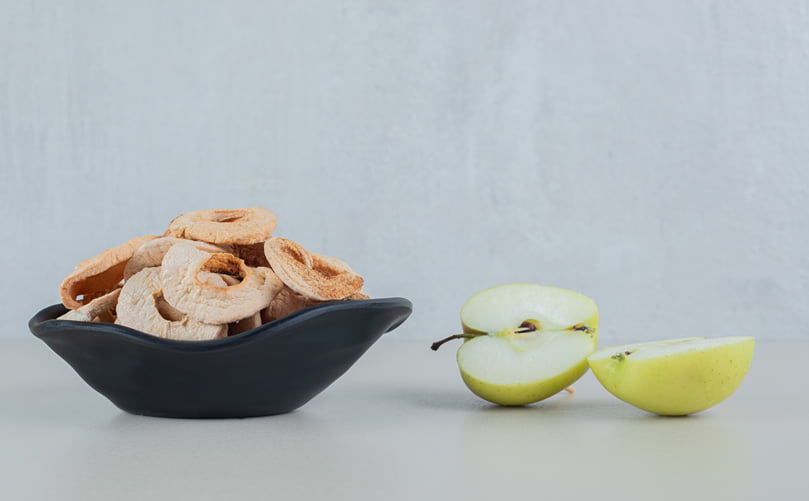
Crispy Apple Chips: A Modern Fruit Snack
Brief Description of How Apple Chips Are Made: From Orchard to Crunch
The process starts with selecting high-quality apples, which are thoroughly washed to remove dirt, residues and potential contaminants often using chlorinated water or bubble tunnels in industrial settings for efficiency. Next, the apples are sorted for size and quality, peeled and cored if desired (though skins are sometimes retained for added fiber and nutrients) and sliced into uniform thicknesses of about 1-3 mm using mandolines, knives or automated slicers to ensure even drying. To combat browning from enzymatic reactions, slices are treated with natural anti-oxidants like ascorbic acid (vitamin C), citric acid, lemon juice, or even honey solutions, which inhibit polyphenol oxidase activity and preserve color.
The dehydration phase involves methods such as baking in ovens at 93–107°C for 1-3 hours, air-drying in dehydrators at 57–63°C for 6-12 hours, or more advanced techniques like freeze-drying, which freezes slices at -40°C before vacuum sublimation. Frying is less common but involves brief immersion in oil for a crunchier result. Post-drying, optional seasonings are added, and the chips are cooled before packaging. This multi-step approach not only extends usability but also concentrates flavors and nutrients.
Why Apple Chips Are Gaining Popularity as a Healthy Snack: Clean, Convenient and Conscious
Apple chips have become increasingly favored due to the broader consumer shift toward nutritious, minimally processed alternatives to high-calorie, fried snacks. Their appeal lies in being naturally gluten-free, vegan and often free from artificial preservatives, aligning with plant-based diets and clean-eating trends. With rising awareness of obesity and related health issues, people seek low-fat options that provide satiety through fiber, making apple chips ideal for weight management and busy lifestyles. They are popular among children for their fun, chip-like form without the guilt of junk food and among athletes for portable energy.
E-commerce and social media have amplified their visibility, with influencers promoting them as "guilt-free" treats. Additionally, their versatility in flavors caters to diverse palates, contributing to sustained demand in the global snack market. Organic and non-GMO variants further boost appeal among health-conscious consumers seeking transparency in sourcing.
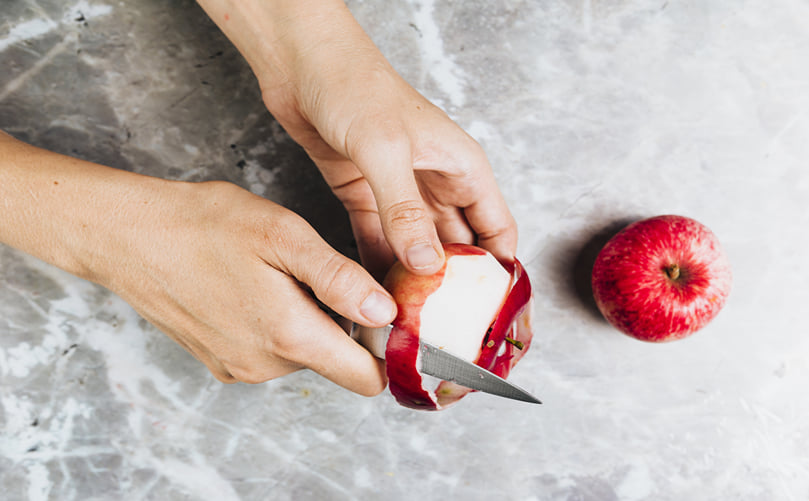
Apple Chips: The Rising Star in Healthy Snacking
Different Types of Apple Chips and How They Compare
Apple chips are classified primarily by their dehydration method, which influences their sensory attributes, durability and health profile. Below is an expanded comparison, incorporating additional methods like microwave or osmotic drying for completeness.
Baked Apple Chips: Baked apple chips are produced by slicing apples thinly and baking them at low temperatures (approximately 80–110°C with little or no oil. Seasonings may be applied before or after baking. The final texture is light and crisp, though slight chewiness can occur if residual moisture remains. When stored in airtight packaging, they typically last 1–3 months, which can extend to around 6 months with vacuum sealing and good moisture control. Nutritionally, baked apple chips are low in calories (around 90–120 kcal per serving), retain moderate fiber (2–4 g) and preserve roughly 60–75% of vitamins, with negligible fat content. They are well suited for home or small-scale production and involve less oil than frying, though they tend to shrink more than freeze-dried chips.
Dehydrated Apple Chips (Hot Air-Dried): Dehydrated apple chips are made using controlled hot air drying at temperatures of about 57–71°C for extended periods. Pre-treatments such as ascorbic acid or citric acid are often used to prevent browning. These chips are firm and crunchy, sometimes becoming leathery if overdried. Shelf life ranges from 6–12 months under ambient conditions and can extend up to 18 months with proper moisture and oxygen-barrier packaging. Nutritionally, they contain concentrated natural sugars (18–28 g per serving) due to moisture loss, maintain good polyphenol content and have higher calorie density. This method is cost-effective and scalable but requires uniform slicing and tray rotation for even drying.
Freeze-Dried Apple Chips: Freeze-dried apple chips are produced by freezing apple slices and removing moisture through vacuum sublimation. This process preserves the cellular structure, resulting in ultra-light, porous chips with a melt in the mouth crispness and minimal shrinkage. Shelf life is typically 12–24 months or longer when sealed with oxygen absorbers. They offer the highest nutritional quality, retaining about 90–95% of vitamins and antioxidants, with no added fats or sugars. Although the process is energy-intensive and costly, it delivers a premium product ideal for rehydration and high end health snacks.
Fried Apple Chips: Fried apple chips are prepared by frying apple slices in edible oils such as canola, sunflower or coconut oil at high temperatures (around 160–180°C), followed by draining excess oil. The resulting chips are very crunchy with a rich mouthfeel and noticeable oiliness. Shelf life generally ranges from 3–6 months, with oil oxidation limiting longer storage unless advanced packaging is used. Nutritionally, they contain higher fat levels (8–15 g per serving) and increased calories. While fiber is retained, antioxidants are reduced and there is a potential risk of acrylamide formation. These chips are indulgent and flavorful but the least healthy option.
Microwave-Dried Apple Chips (Emerging Method): Microwave-dried apple chips use microwave energy to rapidly remove moisture, often in short pulses to prevent burning. Oil may or may not be used. The texture can be inconsistent, ranging from crisp to puffed or blistered. Shelf life is relatively short, about 2–4 months, as the product is sensitive to humidity. Nutritional value is similar to baked chips, with shorter processing time helping to limit nutrient degradation. This method is fast and energy-efficient but difficult to standardize at a commercial scale.
Osmotically Dehydrated Apple Chips: Osmotically dehydrated apple chips involve soaking apple slices in sugar or salt solutions before air drying. This process draws out water while infusing flavor. The final product is softer, chewier and sweeter, with better flexibility compared to fully dried chips. Shelf life typically ranges from 4–8 months, depending on water activity and formulation. Nutritionally, these chips may contain higher sugar levels if sweetened but retain better texture due to partial moisture. This method is commonly used for flavored or specialty products and reduces overall drying time and energy requirements.
Raw Materials and Apple Varieties Used in Apple Chip Production
Apple chips are produced from fresh, mature apples (Malus domestica) selected for firm flesh, balanced sugar–acid ratio, uniform size and resistance to enzymatic browning during slicing and drying. Apples with soft or mealy texture are generally avoided, as they tend to collapse, smear or lose structure during dehydration.
Processors increasingly prefer clean, defect-free fruit, though cosmetically imperfect or surplus apples (such as windfall fruit) are widely used in sustainable production systems, provided internal quality is uncompromised. Organic apples are also gaining importance due to rising clean label and residue-free product demand. Certain heirloom varieties are used in artisanal or niche segments to create differentiation.
Common Apple Varieties Preferred for Apple Chips
Several commercial apple cultivars are particularly well suited for chip processing due to their texture, sugar profile and drying behavior:
- Fuji: High sugar content (Brix 16–20) and dense flesh produce naturally sweet, caramelized chips ideal for plain or lightly seasoned snacks.
- Gala: Mild sweetness and aromatic profile enhance flavored chips, though slice thickness must be carefully controlled to avoid chewiness.
- Granny Smith: Tart (Brix 10–14), very firm, and structurally stable excellent for spiced or savory chips requiring flavor balance.
- Honeycrisp: Exceptional cellular turgor and juiciness yield premium, ultra-crispy chips with honey-like sweetness.
- Pink Lady (Cripps Pink): Balanced sweet tart flavor and attractive color make it versatile for both plain and flavored products.
- Braeburn: Noted for spicy, complex flavor notes that translate well into gourmet-style chips.
- Golden Delicious: Mellow flavor and good shape retention; easy to process and suitable for oven-baked or beginner scale operations.
- Empire: Bold flavor with deep red skin; contributes higher antioxidant potential.
- Jazz: Firm, zesty, and crisp popular for vibrant, consumer-friendly snack profiles.
- Crimson Crisp: Deep red pigmentation, disease resistance and high phenolic content make it attractive for specialty and health-focused products.
Softer cultivars such as McIntosh are generally avoided due to tissue breakdown during slicing and drying.
Impact of Variety on Sweetness and Flavor
Apple variety strongly influences the sensory profile of apple chips through differences in soluble solids (Brix), organic acids and volatile aroma compounds. High-Brix cultivars such as Fuji and Honeycrisp develop intense natural sweetness during dehydration as water removal concentrates sugars, often reaching 35–40 g sugars per 100 g of finished product without added sweeteners. Mild Maillard reactions further enhance nutty and caramel notes.
Tart varieties like Granny Smith provide a contrasting acidic backbone that prevents overly sweet or cloying flavors, making them ideal for cinnamon-, chili or herb-seasoned chips. Aromatic cultivars such as Gala and Pink Lady contain higher ester concentrations (e.g., hexyl acetate), amplifying perceived “fresh apple” flavor. Braeburn contributes subtle spice-like notes that enhance gourmet positioning.
Blending varieties (for example, Fuji–Granny Smith at a 70:30 ratio) is a common industrial practice to balance sweetness and acidity. Consumer studies consistently show 20–30% higher preference scores for blended chips compared to single-variety products.
Impact on Color and Crispiness
Color retention in apple chips depends on both pigment composition and oxidation behavior. Red-skinned varieties like Empire and Crimson Crisp contain higher anthocyanin levels, producing visually striking chips, though these pigments may fade by 10–20% without anti-browning treatments. Granny Smith maintains a stable pale-green to light-cream color due to chlorophyll stability, while Golden Delicious develops an appealing golden-yellow hue.
Crispiness is primarily driven by cell structure and tissue density. Varieties such as Honeycrisp and Jazz possess rigid cell walls that resist collapse during moisture removal, resulting in a clean, brittle snap. Softer cultivars may develop slightly chewy edges, especially when slice thickness exceeds 3 mm. Apples grown on sun-exposed outer canopy branches typically show 15–25% higher crispness and color intensity due to increased sugars and phenolics.
Freeze-drying further enhances crispiness across all varieties by preserving over 90% of cellular structure, while hot-air drying is more variety dependent.
Impact on Final Product Quality
Variety selection directly affects processing yield, shelf life, nutritional value and consumer acceptance. Firm varieties like Fuji and Honeycrisp allow uniform slicing with minimal breakage, reducing processing waste by up to 95% compared to softer apples. Certain cultivars also exhibit natural antimicrobial properties, extending shelf life by 20–30% under similar storage conditions.
Nutritional quality varies significantly: red-fleshed or dark-skinned varieties such as Crimson Crisp retain substantially higher levels of polyphenols (e.g., quercetin and anthocyanins), enhancing antioxidant claims. Tart varieties often show superior color stability during hot-air drying, while sweeter apples excel in flavor intensity.
In commercial production, variety blending improves consistency in moisture content (<5%) and water activity (<0.6), leading to more uniform texture and flavor. Overall, careful cultivar selection and blending can increase consumer acceptance ratings by 15–20%, making variety choice a critical determinant of apple chip quality and market success.
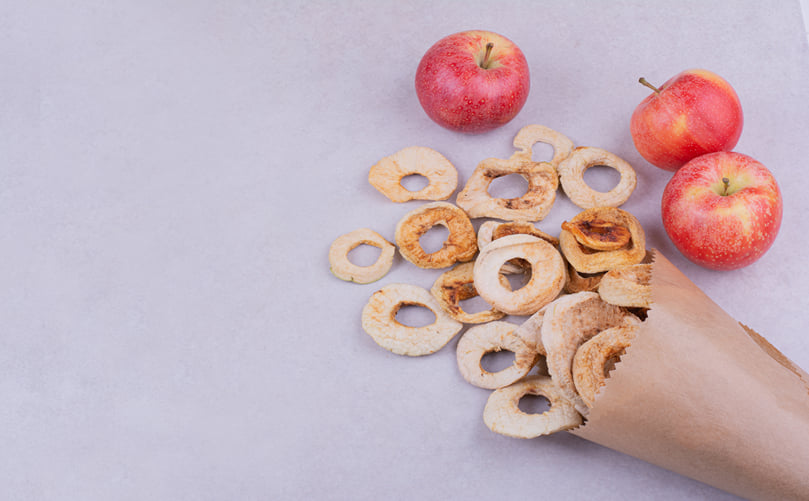
The Apples Behind Our Crispy Chips
Processing and Manufacturing Methods of Apple Chips
Industrial production of apple chips follows a highly controlled, automated workflow designed to ensure food safety, product uniformity and scalability. Modern facilities typically operate under HACCP and ISO 22000 systems and can process approximately 500–2,000 kg of fresh apples per hour, depending on technology and drying method. The process emphasizes minimal additives, relying primarily on dehydration for preservation.
Washing and Sorting
Fresh apples, usually received in bulk bins or crates, undergo initial visual inspection to remove heavily damaged or contaminated fruit. Washing is carried out using bubble or spray washers with potable, sanitized water. Common sanitizing agents include chlorine (50–200 ppm), peracetic acid or ozone-based systems, which together can reduce surface microbial load by up to 99%.
After washing, excess surface moisture is removed using air knives or centrifugal dryers. Apples are then graded through automated sorting lines equipped with optical cameras, near-infrared sensors or AI-based defect detection. Sorting criteria include size (typically 2.5–3.5 inches diameter), color uniformity and internal or external defects such as bruising. Usually, 5–10% of fruit is rejected at this stage. Advanced facilities maintain batch-level traceability, linking each lot to its orchard source through barcodes or RFID systems.
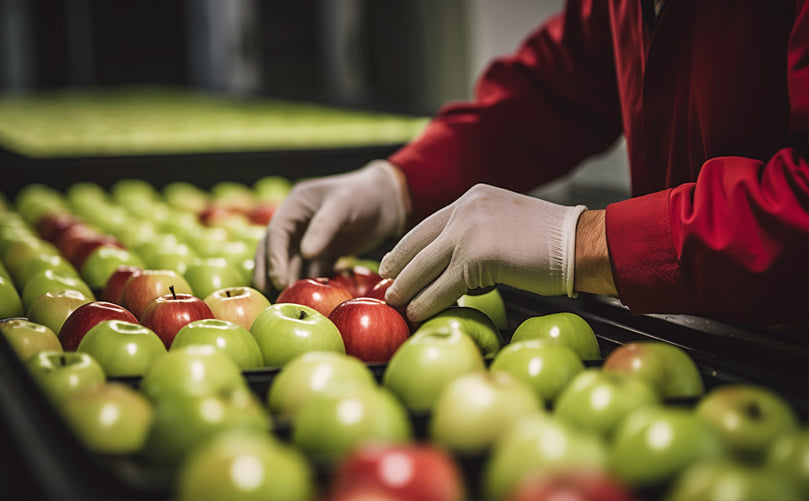
Pre-Processing Sorting and Quality Grading of Apples
Slicing and Anti-Browning Treatments
Sorted apples are conveyed to coring and slicing machines. Peeling is optional; many producers retain the skin to improve fiber content, antioxidant levels and visual appeal. Precision slicers produce uniform rings or segments with thickness typically ranging from 1–3 mm thinner slices yield higher crispiness, while thicker slices retain slight chewiness.
To prevent enzymatic browning caused by polyphenol oxidase activity, slices are immediately treated with anti-browning solutions for 2–10 minutes. Common treatments include:
- Ascorbic acid (1–2%), which acts as an antioxidant and preserves color and vitamin content.
- Citric acid (0.5–1%), which lowers pH and slows enzymatic reactions.
- Natural alternatives such as lemon juice (2–5%) or mild saline solutions (≈1% NaCl), offering moderate protection with minimal flavor impact.
Some industrial processors use sodium acid sulfate (SAS) for combined anti-browning and antimicrobial action. Blanching (steam or hot water for 1–2 minutes) may be applied in selected baked or air-dried products to inactivate enzymes and firm tissue, though it can slightly reduce heat-sensitive nutrients.
Drying Methods
Drying is the most critical step, reducing moisture to below 5% and water activity to <0.6, ensuring crisp texture and microbial safety. Choice of drying technology affects cost, quality and nutritional retention.
Hot Air Drying (HAD): Apple slices are dried in tray or continuous belt dryers using air at 60–70°C for 8–12 hours. This method is economical and widely used but can cause 20–40% shrinkage and 15–25% loss of volatile compounds and heat-sensitive nutrients. Energy optimization through air recirculation improves efficiency and uniformity.
Vacuum Drying: Conducted at 50–70°C under reduced pressure, vacuum drying lowers the boiling point of water, limiting oxidation and preserving 85–90% of color and flavor. Drying times are shorter (4–6 hours) and the resulting chips have a more porous structure compared to conventional air drying.
Freeze Drying (FD): Apple slices are frozen (around –40°C) and dehydrated under deep vacuum, allowing ice to sublimate directly into vapor. This process retains over 95% of nutrients, maintains cellular structure and produces ultra-light, highly crisp chips. Although freeze drying is energy-intensive and costly, it delivers premium quality products with extended shelf life. Hybrid systems such as microwave vacuum freeze drying are increasingly used to reduce processing time and energy consumption.
Throughout drying, real-time moisture monitoring ensures uniform dehydration. Chips are cooled to ambient temperature before packaging to prevent condensation.
Packaging and Storage
Once dried and cooled (to below 40°C), apple chips may be lightly seasoned before packaging. Industrial packaging uses high-barrier multilayer materials such as PET/Aluminum/PE laminates or metallized films to protect against oxygen and moisture ingress. Nitrogen flushing or modified atmosphere packaging (MAP) reduces oxygen levels to below 2%, slowing oxidation and mold growth.
For extended shelf life, oxygen absorbers or desiccant sachets are often included. Finished products are labeled with nutritional information, allergens, batch codes and best-before dates. Storage conditions typically involve cool (10–20°C), dry (40–60% RH), and dark environments. Under these conditions, shelf life ranges from 6–12 months for hot air dried chips and 12–24 months or more for freeze-dried products.
Sustainability trends increasingly favor recyclable or biodegradable packaging materials, which can reduce plastic use without compromising barrier performance.
Nutritional Profile of Apple Chips
Calories and Macronutrients: Apple chips are nutritionally concentrated due to the removal of 80–95% of their original water content during dehydration. As a result, plain, unsweetened apple chips provide approximately 320–380 kcal per 100 g. A typical 30 g serving delivers around 95–115 kcal, making apple chips more energy-dense than fresh apples but still lighter than most fried snack foods. Carbohydrates dominate the macronutrient profile, accounting for about 85–92 g per 100 g, primarily in the form of naturally occurring fruit sugars along with small amounts of complex carbohydrates. Protein content remains low at 1–2 g per 100 g, while fat is negligible (0–1 g) in baked, air-dried and freeze-dried products. Fried apple chips, however, may contain 5–10 g of fat per 100 g depending on the frying medium. When no sugars or oils are added, apple chips generally exhibit a moderate glycemic index of approximately 45–55.
Dietary Fiber Content: Dietary fiber becomes highly concentrated during dehydration and is one of the most valuable nutritional attributes of apple chips. Fiber levels typically range from 8–12 g per 100 g, contributing roughly 25–40% of the recommended daily intake. Both soluble and insoluble fiber fractions are retained, with soluble fiber primarily pectin supporting blood glucose regulation and cholesterol management, while insoluble fiber promotes digestive regularity. Freeze-dried apple chips retain nearly all original fiber content, whereas hot-air drying may reduce soluble fiber by about 10–15% due to partial pectin degradation.
Natural Sugars and Glycemic Impact: The sweetness of apple chips comes entirely from the natural sugars present in apples, which become concentrated during drying. Unsweetened apple chips contain approximately 45–65 g of natural sugars per 100 g, mainly fructose and glucose. Although this concentration increases perceived sweetness and slightly raises the glycemic index compared to fresh apples, the presence of fiber helps moderate blood sugar response. Commercial products may include added sugars for flavor enhancement, which significantly increase free sugar content and caloric load, making label verification important for health conscious consumers.
Vitamins, Antioxidants and Minerals: Micronutrient retention in apple chips depends largely on processing temperature and oxygen exposure. Vitamin C is the most affected, with levels ranging from approximately 5–20 mg per 100 g depending on the drying method, while small amounts of B-complex vitamins are retained. Apple chips are particularly rich in polyphenolic antioxidants such as quercetin, catechins and chlorogenic acid, with total polyphenol content typically between 200–400 mg per 100 g. The apple skin contributes nearly 70% of these antioxidants, making skin-on chips nutritionally superior. Mineral content remains relatively stable during drying, with apple chips providing useful amounts of potassium (300–500 mg per 100 g), along with iron and magnesium in smaller quantities. Overall, well-processed apple chips retain approximately 70–90% of the antioxidant capacity of fresh apples, with freeze-dried products showing the highest preservation.
Health Benefits of Apple Chips
Apple chips retain and concentrate many of the beneficial bioactive compounds naturally present in fresh apples. When consumed in moderation (approximately 20–50 g per day), plain, unsweetened apple chips can support overall health beyond basic nutrition. Their benefits are largely attributed to dietary fiber, polyphenolic antioxidants, and essential minerals, as supported by extensive research on apple consumption.
Low-Fat and Cholesterol-Free: Plain baked, air-dried, or freeze-dried apple chips contain virtually no fat and no cholesterol, making them well suited to heart-healthy and low-fat dietary patterns. The soluble fiber pectin binds bile acids in the digestive tract, promoting their excretion and encouraging the body to utilize circulating cholesterol for bile synthesis. Regular apple intake has been associated with 5–15% reductions in LDL (bad) cholesterol, with several studies reporting 6–10% decreases in total cholesterol after sustained consumption. As a result, apple chips when not fried can contribute to cardiovascular risk reduction.
Good Source of Dietary Fiber: Apple chips are a concentrated source of dietary fiber, typically providing 8–12 g per 100 g, which supports digestive function and metabolic health. Insoluble fiber improves bowel regularity and reduces constipation risk, while soluble fiber slows glucose absorption, aiding blood sugar control. Pectin fermentation in the colon produces short-chain fatty acids (SCFAs) such as butyrate, which nourish colon cells and may help lower the risk of colorectal disorders. Diets rich in fiber are consistently associated with improved gut health and reduced incidence of metabolic diseases.
Antioxidant and Anti-Inflammatory Effects: Apple chips are rich in polyphenolic antioxidants, including quercetin, catechins and chlorogenic acid, typically ranging from 200–400 mg per 100 g. These compounds help neutralize free radicals, reduce oxidative stress and modulate inflammatory pathways. Observational studies have linked regular apple consumption with reduced markers of inflammation and a lower risk of chronic conditions related to aging. Residual vitamin C, though partially reduced during drying, continues to support immune function by enhancing antioxidant defenses.
Support for Weight Management: Despite being more calorie-dense than fresh apples, apple chips promote satiety due to their fiber content and chewing requirement. Fiber stimulates satiety-related hormones, helping control appetite and reduce overall calorie intake. Replacing refined or fried snacks with moderate portions of apple chips has been associated with improved weight control in calorie-restricted diets. A small handful typically provides 100–150 kcal, allowing consumers to manage cravings without excessive energy intake.
Digestive and Gut Health Benefits: The prebiotic properties of pectin support the growth of beneficial gut bacteria, contributing to improved microbial balance and gut barrier integrity. Enhanced SCFA production supports digestive comfort and nutrient absorption. Additionally, the natural crunch of apple chips can contribute modestly to oral hygiene by mechanically reducing plaque accumulation, while apple polyphenols may inhibit harmful bacterial adhesion. The presence of potassium further supports electrolyte balance, particularly when apple chips are consumed as a snack during active or warm conditions.
Potential Limitations and Concerns of Apple Chips
Although apple chips are a nutritious snack when minimally processed, dehydration and certain processing practices can introduce nutritional and health-related concerns. Most potential drawbacks are manageable when apple chips are consumed in moderation (about 1–2 servings per day) and when products with minimal additives are chosen.
Sugar Concentration Due to Dehydration: Dehydration removes water and concentrates naturally occurring sugars, raising total sugar content to approximately 45–65 g per 100 g. This concentration increases calorie density and moderately elevates the glycemic index (GI ~45–55) compared with fresh apples (GI 36). For individuals with diabetes or insulin resistance, large portions may contribute to rapid post-meal blood glucose rises. A typical 30 g serving contains about 14–20 g of natural sugars, which, while not equivalent to refined sugar confectionery, can still contribute to dental erosion or metabolic strain if consumed excessively. Combining apple chips with protein or fat sources helps moderate glycemic response.
Portion Control Challenges: Apple chips are energy-dense yet lightweight and low in volume, making them easy to overconsume. A 50 g portion can provide a similar calorie load to two medium fresh apples, but with less physical fullness due to the absence of water (fresh apples contain ~85% water, while apple chips contain <5%). Reduced hydration and mastication volume may weaken satiety signals, increasing the risk of unintentional calorie surplus. Pre-portioned servings are therefore recommended to avoid mindless snacking.
Added Sugars and Preservatives in Commercial Products: Many commercial apple chip products include added sugars, syrups, oils or flavor coatings, which significantly increase free sugar and calorie content. Some manufacturers also use sulfites to preserve color and extend shelf life. Sulfites can trigger adverse reactions in sensitive individuals, particularly those with asthma, although the affected population is relatively small. Consumers are advised to select single-ingredient or “no added sugar” products and carefully review labels to minimize exposure to unnecessary additives.
Flavor Variants and Value Addition in Apple Chips
Apple chips possess a natural balance of sweetness and mild acidity, making them an excellent base for flavor innovation. Through seasoning, coating or infusion usually applied after drying apple chips can be transformed from simple fruit snacks into premium, gourmet or functional products. Value addition focuses on enhancing sensory appeal while maintaining clean-label positioning, nutritional quality and adaptability to consumer demands such as low sugar, allergen-free or wellness-oriented snacks.
Cinnamon Apple Chips: Cinnamon apple chips remain the most popular and widely accepted flavor variant, strongly associated with warm, dessert-like sensory notes. The active compound cinnamaldehyde enhances apple inherent sweetness and spice character. Applying approximately 1–2% ground cinnamon before or after drying creates a balanced warmth, especially effective when combining tart varieties like Granny Smith with sweeter cultivars such as Fuji. Light cinnamon–sugar blends or cinnamon-infused honey coatings are sometimes used for indulgent versions, though plain cinnamon remains preferred in health-focused products.
Honey-Coated or Caramelized Apple Chips: Honey or caramel coated apple chips target the premium dessert-snack segment. Light honey glazing caramelizes during low-temperature drying, producing glossy chips with toffee-like notes through controlled Maillard reactions. Using natural sweeteners such as raw honey, date syrup, or maple syrup allows manufacturers to maintain a “naturally sweetened” claim while enhancing antioxidant content. These variants are often positioned as dessert toppings, bakery inclusions, or premium snack offerings rather than everyday consumption items.
Salted or Chili-Flavored Apple Chips: Savory apple chip variants appeal to consumers seeking a sweet salty or sweet spicy contrast. A light dusting of sea salt moderates perceived sweetness and enhances flavor depth, while chili powders such as cayenne, paprika or ancho introduce controlled heat. Chili–lime combinations are particularly effective with tart apple varieties, creating a bold fusion profile popular in global and fusion snack markets. Sensory studies show that savory seasoning can reduce perceived sweetness by up to 20%, broadening appeal beyond traditional fruit-snack consumers.
Chocolate-Coated Apple Chips: Chocolate-coated apple chips represent a high-value indulgent category. Dipping dried apple chips in dark or white chocolate after cooling creates a contrast between crisp fruit and smooth coating. Dark chocolate variants offer additional antioxidant benefits from cocoa flavonoids, while white chocolate emphasizes sweetness and creaminess. These products are typically positioned as limited-edition or specialty items due to higher calorie content and cost, often enhanced with ethical sourcing or functional additions such as nut butters for protein enrichment.
Organic and Clean-Label Variants: Organic apple chips focus on minimal processing and ingredient transparency, often consisting solely of apples or apples with a single natural seasoning. Certified organic sourcing, non-GMO verification and absence of artificial preservatives or colors significantly increase consumer trust. Clean-label variants are among the fastest-growing segments, particularly in health-conscious and export markets, where traceability and sustainability play a major role in purchasing decisions.
Emerging and Innovative Flavor Profiles: Innovation in apple chip flavoring continues to expand into niche and functional categories. Spices such as ginger or allspice add warmth and complexity, pairing well with tart or aromatic apple varieties. Tropical-inspired variants incorporate coconut or naturally aromatic apple cultivars for exotic appeal. Superfood-infused chips, including matcha, turmeric or spirulina, target wellness-focused consumers by combining antioxidants and functional benefits. Vanilla, maple and herbal savory profiles such as rosemary or thyme elevate apple chips into gourmet snack or pairing products suitable for cheese boards and specialty retail.
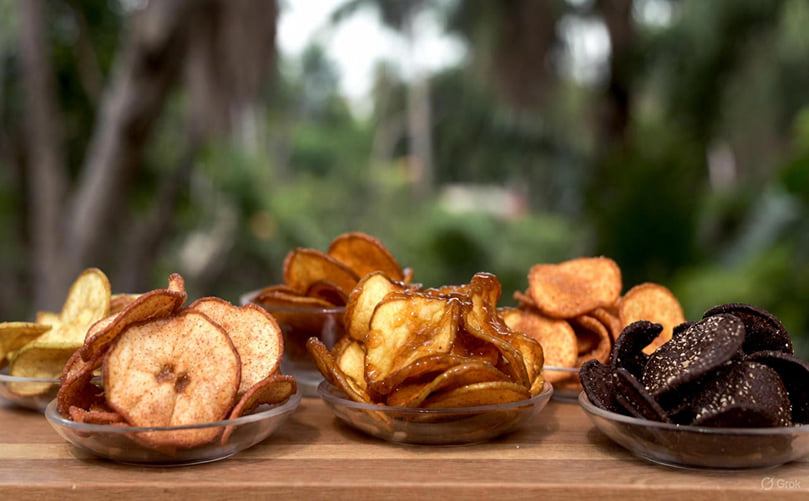
Apple Chips: Traditional and Emerging Flavor Profiles
Packaging and Shelf Life
Effective packaging is crucial for apple chips, preserving crispiness by barring moisture, oxygen and light while enabling portability. Shelf life varies from 3-24 months based on type, with dehydrated averaging 6-12 months and freeze-dried up to 24. Factors like water activity (aw <0.6) and storage conditions (50-70°F, 40-60% RH) dictate longevity; improper handling can halve it via sogginess or rancidity.
Moisture-Barrier Packaging
Core to preservation, these use multi-layer laminates with low moisture vapor transmission rates (MVTR <1 g/m²/day) to prevent rehydration. Common structures:
- Metallized Films (e.g., PET/AL/PE): Aluminum foil interlayers block 99% moisture/UV, ideal for opaque bags; used by Bare Snacks for 12+ month crispiness.
- Clear Stand-Up Pouches: All-polyethylene or BOPP for visibility, with zip-lock seals; suitable for single-serve (30g) to family sizes (200g).
- Vacuum-Sealed Bags: Removes air pre-sealing, extending life by 50%; Mylar (boPET) variants for bulk storage.
Oxygen Control and Freshness
Oxidation causes flavor loss and browning, so nitrogen flushing (O₂ <2%) or modified atmosphere packaging (MAP: 70-90% N₂, 10-30% CO₂) inhibits it, preserving polyphenols by 80-90%. Oxygen absorbers (e.g., iron packets) scavenge residuals, while ethylene scavengers (for fresh-cut influences) extend unopened life. For home use, vacuum-seal in mason jars with FoodSaver attachments.
Shelf Life Under Ambient Conditions
- Baked/Dehydrated: 6-12 months in MAP; test for sogginess via crispness index (>70% retention).
- Freeze-Dried: 18-24 months vacuum-sealed; oxygen-free environments maintain porosity.
- Fried: 3-6 months due to oil; cooler storage (<50°F) adds 1-2 months. High RH (>70%) or heat accelerates failure; studies show osmo-air-dried chips in metallized pouches retain quality at 38°C/90% RH for 3-6 months. Conditioning (exposing to air briefly post-drying) equalizes moisture, preventing mold.
Sustainable and Eco-Friendly Packaging Trends
With plastic waste concerns, shifts include:
- Biodegradable PLA or Compostable Films: Corn-based, breaking down in 90 days; used by brands like That's It! for 100% recyclable pouches.
- Recycled Content: Post-consumer PET (rPET) reduces virgin plastic by 30%; paper-foil hybrids for premium feel.
- Minimalist Designs: Refillable tins or bulk bins cut packaging by 40%; active packaging with natural antimicrobials (e.g., rosemary extract) extends life without synthetics.These trends align with EU directives, boosting shelf appeal while cutting carbon footprints by 20-25%.
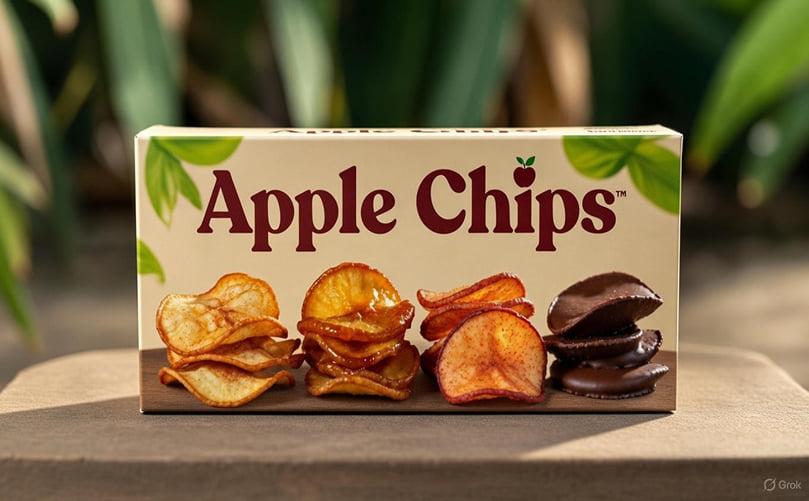
Shelf Life Preservation and Eco-Friendly Packaging Trends
Market Trends and Consumer Demand
The global apple chips market is witnessing steady and sustained growth as part of the broader healthy snacking ecosystem, driven by shifting consumer preferences toward convenient, plant-based and nutrient-dense foods. In 2024, the global apple chips market was valued at approximately USD 1.42–1.47 billion and is projected to reach nearly USD 2.87 billion by 2033, registering a compound annual growth rate (CAGR) of about 8–9%. This expansion aligns closely with the overall fruit chips segment, which stood at around USD 5.9 billion in 2024 and is forecast to grow to USD 12.6 billion by 2034 at a CAGR of 7.9%. Apple chips account for an estimated 34–35% share of this segment, owing to their familiarity, versatility and wide consumer acceptance.
Within the broader snack landscape, fruit snacks were valued at approximately USD 15.87 billion in 2024 and are expected to reach USD 30.25 billion by 2033, while the fruits and vegetable chips category is projected to expand from USD 61.7 billion in 2024 to USD 113.6 billion by 2034. North America remains a leading market, particularly for premium and health-oriented fruit snacks. Although the U.S. apple chips segment experienced a temporary decline in 2024, likely linked to inflationary pressures and reduced discretionary spending, long-term growth prospects remain positive due to product innovation, premiumization and expanding e-commerce penetration.
Rising Demand for Healthy and Plant-Based Snacks
Increasing health consciousness is accelerating the shift toward plant-based and minimally processed snack options, positioning apple chips as a preferred alternative to fried and sugar-laden snacks. Their naturally vegan, gluten-free and cholesterol-free profile aligns well with the growing adoption of flexitarian and plant-forward diets. Rising concerns around obesity, metabolic disorders, and lifestyle-related diseases have intensified demand for low-calorie, fiber-rich snacks, driving consistent growth in fruit-based snack consumption.
Technological advancements in dehydration, freeze-drying and vacuum frying have significantly improved the texture, flavor retention, and shelf stability of apple chips, enhancing consumer acceptance. Regionally, Asia-Pacific is expected to record the fastest growth due to urbanization, rising disposable incomes and increasing exposure to Western-style healthy snacking habits, while European markets emphasize sustainability, clean labels and ethical sourcing. Digital retail channels have further boosted accessibility, with online platforms reporting strong year-on-year growth for apple chip multipacks and subscription-based offerings.
Popularity Across Diverse Consumer Segments
Apple chips demonstrate broad demographic appeal, spanning children, athletes, working professionals and older adults. Parents increasingly prefer apple chips as lunchbox-friendly, nut-free and mess-free alternatives to confectionery products, particularly when lightly flavored variants comply with school nutrition guidelines. Among athletes and fitness-oriented consumers, apple chips are valued for their quick energy release, natural carbohydrates and fiber content, with growing interest in protein-enhanced or functional variants.
Office-going millennials and Gen Z consumers, who prioritize portability and controlled calorie intake, increasingly incorporate apple chips into daily snacking routines, especially in remote or hybrid work environments. Older consumers appreciate the digestive benefits associated with dietary fiber and polyphenols, reinforcing demand among senior populations focused on gut health and cardiovascular wellness.
Growth of Clean-Label and Organic Offerings
Clean-label positioning has emerged as a major purchasing driver in the apple chips category. Products free from artificial additives, preservatives, and genetically modified ingredients account for a significant share of consumer preference. Organic apple chips, supported by certifications such as USDA Organic and non-GMO verification are expanding rapidly and are expected to command a substantial share of the premium segment by the end of the decade. Consumers show a strong willingness to pay higher prices for transparency, sustainability, and perceived health benefits, particularly when combined with functional enhancements such as added fiber, probiotics or superfood ingredients.
Role Within the Global Fruit Snack Market
Apple chips play a central role within the global dried and fruit snack markets, often serving as an entry product for consumers exploring healthier snack alternatives. They contribute meaningfully to sustainability initiatives by utilizing surplus or cosmetically imperfect apples, supporting circular economy models and reducing post-harvest food losses. Emerging trends such as personalized snack subscriptions, region-specific flavor innovation and data-driven product development are further strengthening the category.
Although challenges such as climate variability and supply chain disruptions persist, increased vertical integration, improved traceability systems and technological innovation are enhancing market resilience. Overall, apple chips continue to hold a strong and expanding position within the global fruit snack industry, supported by long-term shifts toward health, sustainability and convenience.
Apple Chips vs. Other Fruit and Snack Options: Nutritional Insights
Compared with banana chips, apple chips provide more dietary fiber and polyphenols, supporting digestive health and reduced inflammation, while banana chips excel in potassium content, which benefits blood pressure and muscle function. However, most commercial banana chips are fried, making them calorie and fat-heavy, with health risks similar to conventional fried snacks.
When compared to plain dried apples, apple chips retain much of the same micronutrient profile but offer a crisp texture instead of chewiness, making them more convenient for on the go consumption. This crispness, however, can increase the risk of overconsumption due to reduced satiety compared with the higher water-holding capacity of chewy dried fruit.
Against potato chips, apple chips and other fruit based snacks demonstrate a dramatic reduction in fat and sodium, while delivering significantly higher fiber and antioxidant content. Research consistently shows that replacing fried chips with dried fruit snacks can support modest weight loss and improved metabolic markers. That said, fried banana chips closely resemble potato chips nutritionally and should be consumed sparingly.
Among emerging alternatives such as dried mango or vegetable chips, apple chips remain distinctive due to their pectin-rich fiber, which supports cholesterol binding and gut health an advantage not commonly matched by other fruit or vegetable snacks.
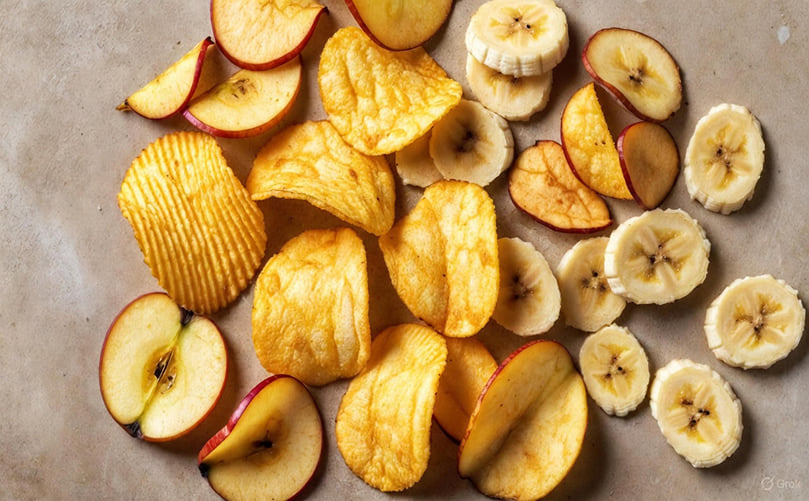
Apple Chips vs. Banana Chips and Potato Chips
Regulatory and Quality Standards
Regulatory frameworks for dried fruit snacks like apple chips are designed to ensure safety, accurate labeling, and minimal contaminants. These standards are harmonized globally through organizations like Codex Alimentarius and are tailored regionally by authorities such as the FDA (U.S.), EU regulations and FSSAI (India). They address key aspects including moisture content (to prevent microbial growth), use of additives and residual contaminants, while voluntary grading systems help enhance marketability. Compliance is especially critical for exports and is often verified through HACCP plans and third-party audits.
The Codex Standard CXS 360-2020 for Dried Fruits specifies maximum moisture levels (e.g., 20–25% for apples depending on variety), limits on mycotoxins (aflatoxins <10 µg/kg), and prohibits unapproved preservatives. It also provides guidance on composition, hygiene and labeling differentiating terms such as “dried apple slices” versus “apple chips” when flavors are added.
In the U.S., the FDA classifies dehydrated fruits as snacks under 21 CFR 145, requiring nutrition facts, allergen declarations (e.g., sulfites >10 ppm) and adherence to Good Manufacturing Practices (GMPs) to prevent contamination (Salmonella must be absent in 25g samples). The USDA offers voluntary grading (e.g., U.S. Grade B) to ensure uniform color, crispness and defect levels below 5% for exports.
In the EU, Regulation (EC) No 1333/2008 limits additives (e.g., ascorbic acid <1,000 mg/kg for anti-browning) and enforces organic certifications via Reg. 2018/848, ensuring residue-free claims and traceability. Acrylamide benchmarks (750 µg/kg for similar snacks) encourage low-temperature processing.
FSSAI Food Safety and Standards (Fruit Products) Regulations restrict moisture to 5–7%, prohibit artificial colors and require clear labeling for nutritive sweeteners or spices; vegan claims must be verified. Globally, Codex harmonizes trade through hygiene codes (CXC 1-1969), emphasizing sanitation. Quality metrics include water activity <0.6 for shelf stability and sensory testing for crispness and color. Non-compliance can lead to recalls, as seen in previous sulfite mislabeling incidents, highlighting the importance of robust quality assurance.
Sustainability Aspects in Apple Chip Production
Sustainability in apple chip production focuses on waste minimization, resource efficiency and eco-friendly technologies, converting potential orchard discards into value-added products while reducing greenhouse gas emissions. Using life-cycle assessments (LCAs), producers identify environmental hotspots such as energy-intensive drying, which accounts for 40–60% of the production footprint and implement innovative solutions aligned with UN Sustainable Development Goals for zero hunger and responsible consumption.
Use of Surplus or Cosmetically Imperfect Apples: Globally, 20–40% of apple harvests are rejected due to cosmetic flaws or surplus, which would otherwise go to waste. Apple chip production repurposes these fruits, with sorting technologies yielding 80–90% usable slices and diverting 30–50% from landfills. Cooperative initiatives in the U.S. purchase "ugly" apples at discounted rates, increasing farmer incomes by 10–15% and ensuring steady supply for organic or clean-label lines.
Reduced Food Waste: Byproducts like peels and cores (20–30% of apple weight) are valorized into pectin extracts, animal feed or biofuels, recovering 50–70% of potential value and cutting disposal-related emissions, such as methane from landfills. LCAs indicate that hot-air drying reduces overall waste by 40% compared to selling fresh apples with short shelf life. Ultrasonic pretreatments further minimize trim losses by 15% by maintaining firmer slices. Closed-loop facilities recycle drying exhaust for heating, enhancing circularity and zero-waste efficiency.
Energy-Efficient Drying Technologies: Drying represents 70–80% of total energy use, but innovative methods significantly reduce consumption. Hybrid infrared-convective systems use 4–5 kWh/kg (versus 10–15 kWh/kg for traditional hot-air), retaining 90% of quality while cutting greenhouse gas emissions by 30–50%. Vacuum calcium chloride methods dehydrate slices 50% faster with 40% less energy, preserving nutrients and reducing water usage. Microwave or ultrasonic hybrid dryers lower specific energy consumption to 2–3 kWh/kg, with AI-based load optimization enabling an additional 20% savings. Solar-assisted or laser-precision dryers are emerging for off-grid operations, reducing carbon footprints by 25–35% per LCA studies. Collectively, these sustainable practices also yield 15–25% long-term cost reductions, according to industry reports.