
Understanding Snacks: From Traditional Eating Habits to Modern Convenience Foods
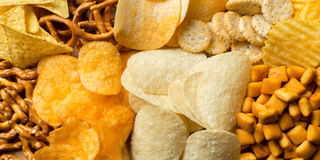
Snacks are small portions of food typically consumed between main meals to provide quick energy, satiety or nutritional support. They encompass a wide range of foods from fresh fruits, nuts and dairy products to processed items such as chips, biscuits and snack bars primarily designed for convenience and portability. Although the term “snack” does not have a universally accepted scientific definition, it generally refers to any food or beverage consumed outside regular meals and in smaller quantities than a full meal.
In modern lifestyles, snacks play an important role in daily dietary patterns by helping to maintain energy levels, stabilize blood glucose and prevent excessive hunger between meals. In some populations, snacks can contribute up to 25% of total daily energy intake. When chosen wisely such as nutrient-dense options like fruits, vegetables, yogurt or nuts snacks can support weight management and overall health. Conversely, frequent consumption of energy-dense, nutrient-poor snacks may increase the risk of obesity and other lifestyle-related health issues.
Traditionally, snacking habits were closely linked to cultural practices, seasonal availability and locally sourced foods, such as roasted grains, nuts during festivals or fresh produce in agrarian societies. These snacks were typically simple and minimally processed. In contrast, modern snacking reflects fast-paced urban lifestyles, with a strong shift toward packaged and ready-to-eat products such as flavored chips, bakery snacks and energy bars. This transition has been driven by factors including increased workforce participation, especially among women, longer working hours and the growing demand for on-the-go, single-serve food options over home-prepared snacks.
Snacking Choices in Contemporary Lifestyles
Snack Categories and Market Segments
Snacks can be categorized based on processing methods, ingredient sources, physical formats and target consumer segments. This classification reflects diversity in production techniques, nutritional composition, consumer appeal and it helps in understanding market dynamics, health implications and evolving preferences shaped by convenience and lifestyle demands.
Processing Methods in Snack Production
Snacks are often classified according to their degree of processing, drawing conceptual support from systems such as the NOVA food classification, which ranges from unprocessed to ultra-processed foods. For practical and industry-oriented understanding, snacks are commonly grouped into traditional, ready-to-eat (RTE) and ready-to-cook (RTC) categories.
Traditional Snacks: Traditional snacks are minimally processed or handmade foods such as roasted nuts, dried fruits or homemade popcorn. They rely on basic techniques like sun-drying, roasting, boiling or simple fermentation. These snacks typically align with NOVA Group 1 or 2 (unprocessed or minimally processed foods), allowing them to retain natural flavors, nutrients and cultural authenticity. Their lower reliance on industrial processing also results in reduced energy usage and a smaller environmental footprint. However, limitations include shorter shelf life in the absence of preservatives, challenges in maintaining microbial safety during handling, higher labour requirements and limited scalability for mass production.
Ready-to-Eat (RTE) Snacks: RTE snacks are fully processed products that require no preparation prior to consumption, including potato chips, extruded puffs, crackers, cookies and yogurt-based snacks. These products typically involve frying, baking, extrusion or dehydration, followed by protective packaging to ensure extended shelf life. Classified under NOVA Group 3 or 4, RTE snacks offer high convenience, consistent quality and a wide range of flavors suited to on-the-go lifestyles. At the same time, intensive processing can lead to nutrient losses, particularly heat-sensitive vitamins, while added fats, sugars and sodium may increase calorie density. Packaging waste and the risk of habitual overconsumption are additional concerns.
Ready-to-Cook (RTC) Snacks: RTC snacks are semi-processed products such as frozen French fries, instant noodle mixes, microwave popcorn kernels or snack pellets that require minimal cooking or heating before consumption. These products generally fall under NOVA Group 3 and occupy a middle ground between traditional and RTE snacks. They offer flexibility and a degree of home customization while often retaining more nutrients than fully processed RTE products. RTC snacks can be cost-effective for manufacturers and allow consumers better portion control. However, they still require time, energy and equipment for preparation and improper cooking can affect texture, safety or sensory quality. Preservation methods used to ensure stability may also raise clean-label concerns.
Ingredient-Based Classification of Snacks
Classification based on primary ingredient highlights the nutritional foundation of snacks and their relevance to specific dietary needs, sustainability goals and functional claims.
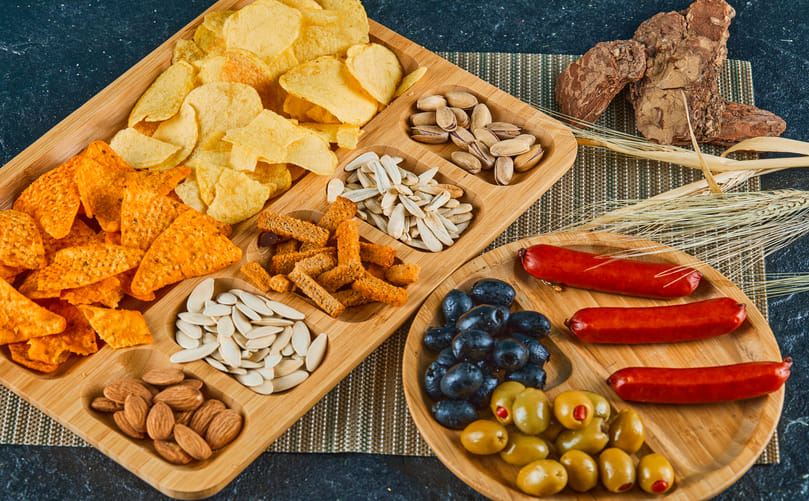
Cereal-Based Snacks: Cereal-based snacks are produced from grains such as corn, rice, wheat, oats, millets and include products like popcorn, rice cakes, breakfast snack bars and wheat crackers. These snacks primarily supply carbohydrates for quick energy and are often fortified with vitamins and minerals. Their affordability and compatibility with baking and extrusion make them widely used in large-scale production. When whole grains are incorporated, fiber content improves digestive benefits. However, refined cereal snacks may exhibit a high glycemic index, pose gluten-related challenges for sensitive individuals and contain lower natural protein unless fortified. Improper grain storage can also increase susceptibility to mycotoxin contamination.
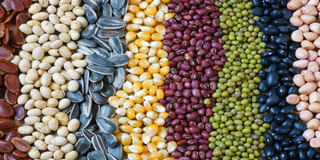
Legume-Based Snacks: Legume-based snacks use chickpeas, lentils, peas, beans or their protein fractions to create roasted snacks, extruded chips and protein bars. These snacks are valued for their high plant-based protein and dietary fiber content, which support satiety and glycemic control. Legumes also contribute to sustainability due to their nitrogen-fixing ability, which reduces fertilizer dependency. Despite these advantages, legume ingredients may cause digestive discomfort in some consumers due to naturally occurring oligosaccharides and often require additional processing to improve taste and texture. Texture variability and allergen considerations can also influence product development.
Tuber-Based Snacks: Tuber-based snacks are derived from potatoes, cassava, sweet potatoes or yams and include products such as chips, crisps and fries. Their high starch content provides an ideal base for achieving crisp textures and their gluten-free nature broadens consumer appeal. Tubers offer high crop yields and act as effective carriers for seasoning and flavors. On the downside, excessive starch contributes to lower nutrient density, while high-temperature processing can lead to acrylamide formation. Seasonal availability and high oil absorption during frying may also affect consistency and nutritional quality.
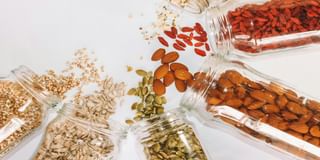
Nut and Seed-Based Snacks: Nut and seed-based snacks include almonds, peanuts, cashews, sunflower seeds, pumpkin seeds, chia and flax, commonly consumed as roasted snacks, trail mixes or bars. These snacks are nutrient-dense, providing healthy unsaturated fats, protein, vitamin E and essential minerals that support cardiovascular health. Their fat-protein combination enhances satiety and sensory richness. However, they are energy-dense and can encourage overconsumption if portions are not controlled. Allergen risks, oxidative rancidity during storage and higher raw material costs due to water and resource-intensive cultivation remain key challenges.
Snack Categories Based on Key Raw Material Sources
Product Format and Structural Types
Snack formats are designed to optimize texture, portability, shelf life and consumer appeal, strongly influencing eating behavior and sensory perception.
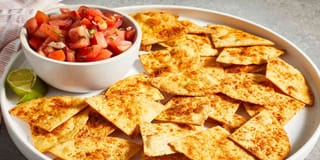
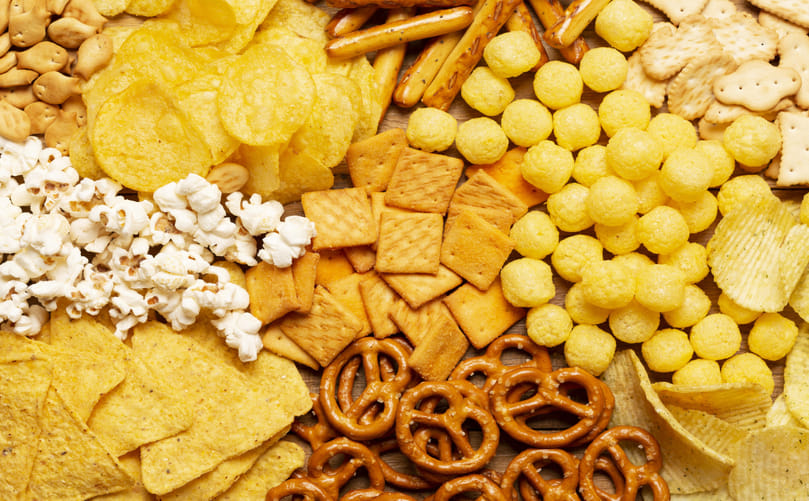
Chips: Chips are thinly sliced or formed snacks, typically fried or baked, such as potato or tortilla chips. Their characteristic crunch and flavor delivery make them one of the most popular snack formats globally.
Extruded Snacks: Extruded snacks, including cheese puffs and corn curls are produced through high-temperature extrusion that creates expanded, airy structures. This format allows for creative shapes, efficient large-scale production and strong visual appeal, particularly among younger consumers.
Crackers: Crackers are flat, baked snacks made from cereal flours, designed for crispness and durability. They are commonly paired with dips or toppings and offer longer shelf life and lower fat content compared to fried snacks.
Bars: Bars combine grains, nuts, seeds or proteins into compact, portable forms using binders such as syrups or nut pastes. They are widely used as functional snacks or meal replacements due to their nutrient density and convenience.
Puffs: Puffed snacks are low-density, expanded products such as puffed rice or vegetable puffs. Their light structure creates a perception of indulgence with relatively low calorie intake per serving, though they may be fragile and prone to staling.
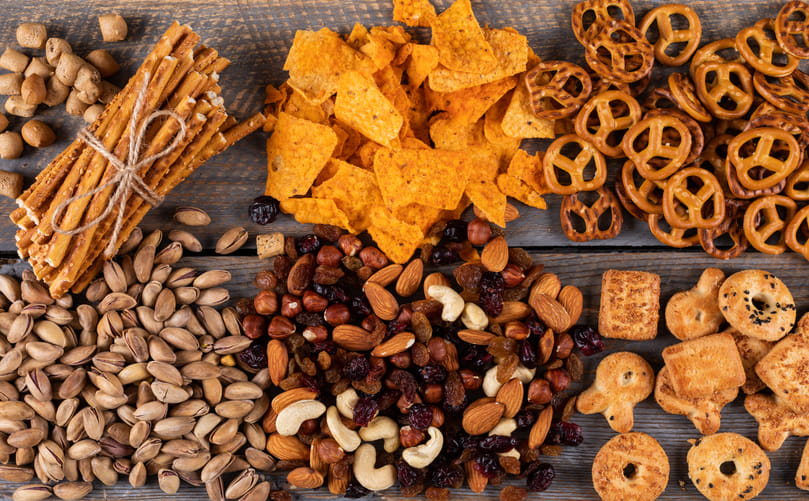
Visual Overview of Popular Snack Formats
Consumer-Oriented Snack Segmentation
Snack products are increasingly designed to meet the physiological, lifestyle and nutritional needs of specific consumer groups.
Kids: Childrens snacks emphasize playful shapes, bright colors and familiar flavors, often combined with vitamin fortification and reduced sugar levels. While they support early engagement with food, careful formulation is required to limit additives and ensure safety.
Adults: Adult-focused snacks prioritize balance, convenience and health attributes such as high protein, low carbohydrates or plant-based ingredients. These products cater to busy lifestyles but may encourage meal replacement if overused.
Athletes: Athlete-oriented snacks focus on performance and recovery, offering high protein, electrolytes and fast-digesting carbohydrates. They are designed for portability and targeted nutrition, though cost and digestive tolerance can vary.
Elderly: Snacks for older adults emphasize soft textures, easy digestion and nutrient fortification, particularly calcium, vitamin D and fiber. These products support independence and nutritional adequacy but require careful sensory optimization to maintain acceptability.
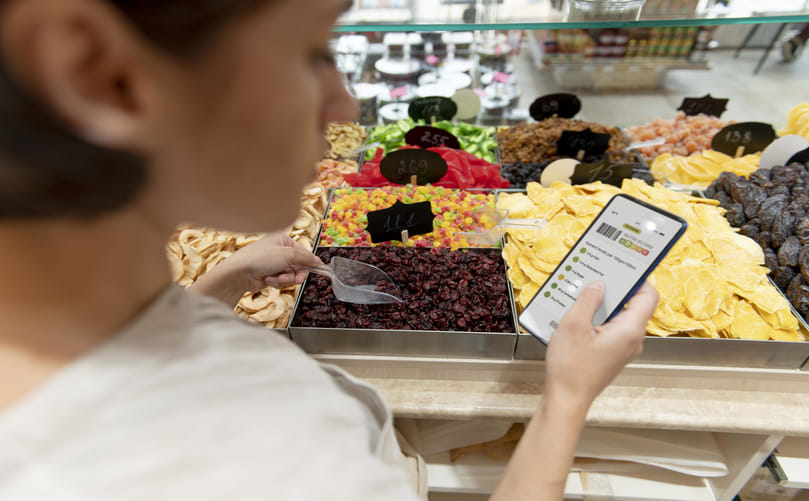
Consumer-Oriented Classification of Snack Products
Raw Materials and Ingredient Composition in Snack Products
Snack production relies on a diverse array of primary and functional ingredients, with a growing emphasis on natural versus synthetic additives to align with clean-label trends and health perceptions. This balance ensures both appeal and nutritional value while navigating supply chain realities.
Primary Ingredients: Core components form the structural and nutritional foundation, sourced from agriculture. Examples include grains (corn, wheat for structure and carbs), tubers (potatoes for starch and texture), legumes (chickpeas for protein and binding), nuts/seeds (almonds for fats and crunch) and occasionally fruits/vegetables (apples for dried chips or natural sweetness). These provide inherent flavors and textures that support local economies and spur innovation. However, they are prone to seasonal variability impacting supply and quality, climate or pest vulnerabilities that disrupt yields and higher costs for organic variants that demand stricter farming practices.
Functional Ingredients: Added to enhance value, such as dietary fiber (oats, inulin for gut health and satiety), proteins (whey, pea isolates for muscle support) and micronutrients (vitamins/minerals for fortification against deficiencies). These improve the overall nutritional profile, enable health claims like "high-fiber" and cater to trends such as keto or vegan diets. Integration can be complex, raising processing costs and occasionally introducing off-flavors, with risks of over-fortification that might unbalance the snack's natural composition.
Natural vs Synthetic Additives: Natural additives derive from plants or animals (e.g., beet juice for vibrant color, citric acid from citrus for preservation and tartness), while synthetic ones are lab-created (e.g., Red 40 for consistent hues, BHA as antioxidants to prevent rancidity). Natural options are increasingly favored for their perceived health benefits, reduced regulatory scrutiny in clean-label markets and potential bioactive perks like antioxidants from spice extracts. They also resonate with consumers seeking eco-friendly choices and fewer allergens.
In contrast, synthetics shine in cost-effectiveness and scalability, delivering uniform performance, extended shelf life through stability and precise dosing for reliability. Yet, they face backlash over health links (e.g., hyperactivity from certain dyes or potential carcinogens), stricter global regulations including bans and production processes with environmental tolls, lacking the extra nutritional upside of naturals. Overall, the shift toward naturals despite 10-20x higher costs, variability in potency and shorter efficacy reflects consumer-driven reformulation.
Role of Spices, Flavors and Seasonings: These elevate sensory appeal and define a snack's identity; natural spices like turmeric (for earthy warmth and anti-inflammatory curcumin) or chili (for bold heat) offer authentic depth and subtle health boosts, while synthetic flavors ensure batch to batch consistency in mass production. They enhance palatability by masking off-notes from processing and enable ethnic or global varieties that excite adventurous eaters. Natural versions add antioxidants as a bonus, but overuse can amplify sodium levels or trigger spice sensitivities and sourcing exotic ones poses logistical hurdles. Synthetics provide reliability but may lack the nuanced complexity that builds brand loyalty.
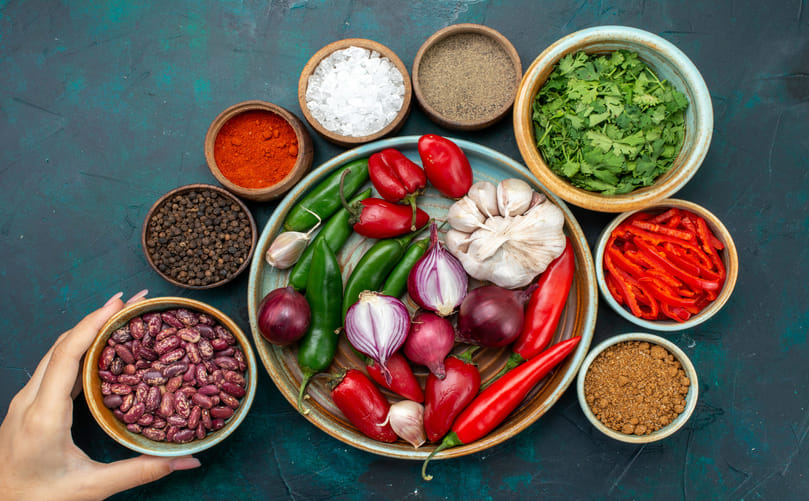
Key Ingredients Powering Modern Snack Production
Processing Methods in Modern Snack Production
Various processing technologies convert raw materials into snack products by modifying their structure, safety and shelf life while carefully balancing nutritional retention, cost efficiency and scalability. Continuous innovation in this area is increasingly driven by health-conscious consumers and sustainability requirements.
Frying (Deep and Vacuum): Deep frying involves immersing snack products in hot oil, typically at temperatures between 160–190°C, enabling rapid moisture loss, crisp texture development and strong flavor formation through Maillard reactions, as commonly seen in potato chips. This method offers high throughput and sensory appeal, making it suitable for large-scale production.
Vacuum frying, by contrast, operates under reduced pressure at lower temperatures of around 90–110°C, significantly limiting oil absorption and oxidative damage. While vacuum frying can reduce fat content by 30–50% and better preserve natural color and antioxidants, deep frying often results in high fat levels (up to 40% by weight), increased acrylamide formation and oil degradation over repeated use. Vacuum systems, although nutritionally advantageous, require higher capital investment and generally operate at slower production rates.
Baking: Baking utilizes dry heat, often supported by convection airflow, at temperatures ranging from 150–250°C to produce snacks such as crackers, biscuits and bars. It is widely regarded as a lower-fat alternative to frying, offering improved retention of heat-sensitive nutrients and consistent quality in continuous production systems. Baking allows flavor development with minimal oil addition; however, longer processing times can lead to excessive dryness, necessitating moisture management through formulation adjustments. Compared to fried products, baked snacks may deliver milder flavor profiles that often require seasoning enhancement to achieve consumer acceptance.
Extrusion: Extrusion is a high-shear, high-temperature process (approximately 100–200°C) in which dough is forced through dies using single or twin-screw extruders to produce expanded snacks such as puffs, curls and textured protein products. Twin-screw extrusion provides superior mixing and uniform expansion, supporting continuous, cost-efficient production with high shape versatility. The process enables effective incorporation of fortificants and sustainable ingredients such as vegetable by-products. However, extrusion can cause heat-induced degradation of sensitive nutrients, alter starch digestibility due to gelatinization and requires substantial initial investment, making it more accessible to large-scale manufacturers.
Roasting: Roasting applies controlled dry heat, typically between 120–180°C, using ovens, rotating drums or fluidized-bed systems to enhance flavor and aroma in nuts, seeds and legumes. The process intensifies characteristic roasted notes through Maillard reactions while maintaining relatively low fat levels. Despite these advantages, uneven heat distribution may result in localized scorching, accelerating lipid oxidation and reducing shelf life. Scaling roasting operations also involves high energy consumption and careful process control to ensure uniform quality.
Puffing and Popping: Puffing and popping rely on rapid pressure or heat release to expand starchy raw materials, as seen in popcorn or gun-puffed rice. These methods produce light, voluminous snacks without added oil, supporting low-calorie positioning and fast processing. Their application is limited to high-starch ingredients and product consistency can vary due to uneven expansion. Nutritional enhancement opportunities are also limited beyond basic fortification.
Emerging Technologies (Air Frying and Advanced Extrusion): Air frying uses high-velocity hot air at temperatures of approximately 180–200°C to replicate fried textures while reducing oil usage by up to 70–80%. This technology is scalable from household appliances to industrial systems and offers improved antioxidant retention compared to conventional frying, though it may require longer processing times and can yield textural differences from oil-fried products. Advanced extrusion technologies, including low-temperature and digitally controlled systems are expanding into plant-based and customized nutrition applications with reduced thermal damage. Despite their potential, these emerging approaches remain capital-intensive and are still transitioning from research and pilot stages to widespread commercial adoption.
Nutritional Profile and Dietary Significance of Snack Foods
Snack foods exhibit wide variation in nutritional composition, shaped by ingredient selection, processing intensity and fortification strategies. These factors determine whether snacks function as quick energy sources or contribute to longer-term health support. Recent nutritional evaluations increasingly emphasize nutrient density the balance between essential macronutrients and micronutrients relative to calorie content as a key indicator of snack quality. This approach aligns with modern dietary guidance that encourages whole food based patterns while limiting excessive added sugars, refined carbohydrates and saturated fats. The nutritional profile of a snack directly influences satiety, metabolic response and its suitability within daily diets, particularly in the context of rising lifestyle-related disorders such as obesity and diabetes.
Macronutrients: Macronutrients form the primary energy base of snack products. Carbohydrates dominate cereal and tuber-based snacks, typically accounting for 50–70% of product weight and provide rapid energy through starches and simple sugars. Protein content is generally higher in legume, dairy or nut-based snacks, often ranging from 5–20%, with specialized products such as protein bars exceeding 10 g per serving to support satiety and muscle maintenance. Fat content varies widely, from as low as 10% in baked or puffed snacks to over 40% in fried products. Unsaturated fats from nuts and seeds are nutritionally preferred over saturated fats commonly associated with deep-fried snacks. While an appropriate balance of carbohydrates, proteins and fats supports diverse physiological needs, excessive reliance on fats or refined carbohydrates can substantially increase calorie intake without proportional nutritional benefit, highlighting the importance of portion control.
Micronutrients: Micronutrients are naturally present in minimally processed snacks made from whole foods, such as vitamin E and magnesium in nuts or potassium in tubers. In highly processed snacks, however, micronutrient levels are often reduced unless fortification is applied. Common fortification practices include the addition of vitamins A, C and B-complex for metabolic and immune support, along with minerals such as iron and calcium to address widespread deficiencies. Fortified snacks may provide a substantial proportion of daily micronutrient requirements per serving, helping bridge nutritional gaps in inconsistent diets. Nevertheless, processing conditions such as high heat can degrade sensitive nutrients, with losses of vitamin C and certain B vitamins occurring during extrusion or frying. Overdependence on fortification may also obscure poor base ingredient quality, reinforcing the nutritional advantage of inherently nutrient-rich, less-processed snack options.
Calorie Density: Calorie density, expressed as kilocalories per gram is a critical determinant of snack consumption behavior. Low-calorie-density snacks, such as air-popped popcorn or vegetable-based puffs, typically contain fewer than 2 kcal/g and promote satiety with relatively low energy intake. In contrast, fried snacks and confectionery bars often exceed 5 kcal/g, increasing the risk of overconsumption due to high energy delivery in small volumes. High-density snacks can contribute a significant share of daily caloric intake without providing equivalent nutritional value. Although products marketed as “light” or “low-calorie” may appear healthier, excessive portion sizes can negate these benefits, underscoring the need for consumer awareness beyond label claims.
Glycemic Index and Glycemic Load: The glycemic index (GI) reflects how rapidly a snack raises blood glucose levels, with low-GI options supporting more stable energy release. Snacks based on legumes, nuts or whole grains typically exhibit lower GI values due to higher fiber and protein content, which slow carbohydrate digestion. Glycemic load (GL) further accounts for portion size, making moderate servings of mid-GI snacks nutritionally acceptable within balanced diets. Product innovations that combine cereals with legumes or added proteins have demonstrated improved glycemic responses while enhancing satiety. Conversely, highly refined or extruded cereal snacks with high GI values may contribute to sharp glucose fluctuations, particularly when consumed frequently or in sedentary lifestyles. Individual metabolic responses vary, reinforcing the importance of personalized dietary choices.
Functional and Fortified Snacks: Functional snacks are formulated with bioactive components such as probiotics, omega-3 fatty acids or plant-derived compounds intended to support specific physiological benefits, including digestive health, cognitive function or stress management. Fortified snacks are designed to address targeted nutritional needs, such as iron-enriched products for physically active individuals or fiber-enhanced snacks for digestive support. These formulations increase nutrient density and allow snacks to serve preventive or supportive health roles. Despite their benefits, functional snacks often involve higher production costs and may present formulation challenges related to flavor stability or texture. When developed with clean-label principles and sound nutritional foundations, however, they offer consumers practical options that align convenience with long-term health objectives.
Sensory Characteristics and Consumer Perception of Snacks
Sensory attributes play a decisive role in snack consumption, shaping both initial purchase decisions and long-term brand loyalty. They represent a multisensory experience encompassing texture, flavor, aroma, color and overall acceptability, all of which interact synergistically rather than independently. Sensory quality is commonly assessed through trained sensory panels and consumer testing and research consistently shows that attributes such as sustained crispness and balanced flavor profiles are strongly correlated with positive hedonic responses. Conversely, inconsistencies such as artificial coloring in products marketed as natural can undermine consumer trust and reduce repeat purchases.

Decoding Taste and Aroma: Principles of Sensory Evaluation of Snacks
Texture (Crispiness, Crunch, Mouthfeel): Texture is one of the most influential sensory drivers in snacks, contributing both tactile and auditory satisfaction. Crispiness, often quantified through fracturability and initial bite force is especially critical in chips and puffed products, where lower fracture forces are associated with premium quality perception. Crunch adds an auditory dimension that reinforces freshness and enjoyment, while mouthfeel varies widely across formats, ranging from light, melt in the mouth textures in extruded snacks to dense, chewy structures in bars. Products offering multiple textures within a single bite are increasingly valued for their dynamic eating experience. However, moisture uptake leading to sogginess rapidly reduces acceptability and excessively hard textures can limit appeal among elderly consumers, highlighting the need for precise control of moisture and structural parameters during processing.
Flavor Profile: Flavor perception results from the integration of basic tastes and retronasal aroma, making it central to snack preference. Balanced flavor formulations, particularly in savory snacks, strongly influence consumer liking, while excessive salt or spice levels can lead to sensory fatigue. Natural seasonings and spices are often associated with greater authenticity and depth of flavor, whereas synthetic flavor systems provide consistency and cost efficiency in large-scale production. The growing popularity of ethnic and fusion flavors reflects consumer demand for novelty, though careful formulation is required to avoid overwhelming the palate. Time intensity sensory evaluations have shown that sustained but moderate flavor release enhances overall enjoyment without compromising health-oriented reformulation goals.
Aroma: Aroma contributes significantly to both anticipation and perceived flavor intensity, being sensed before consumption and during mastication. Volatile compounds formed during roasting or baking, such as nutty or caramelized notes are key indicators of freshness and quality. Oxidative or stale aromas, in contrast, can sharply reduce consumer acceptance. Aroma is particularly important in reduced-fat or low-calorie snacks, where flavor impact may otherwise be diminished. Managing aroma involves controlling processing conditions and effectively masking off-notes generated during high-temperature treatments, with natural extracts increasingly favored for their ability to enhance sensory harmony.
Color and Appearance: Color and visual appearance serve as immediate quality cues, shaping consumer expectations before tasting. Uniform coloration, appropriate browning and consistent size and shape are associated with higher perceived quality, while irregularities can negatively influence acceptance even in blind evaluations. Natural colorants are increasingly preferred due to their alignment with clean-label claims, though they present challenges related to stability and fading. Visual appeal also influences impulse purchasing, but discrepancies between appearance and actual flavor or texture can create sensory dissonance, reducing overall satisfaction.
Consumer Acceptability: Consumer acceptability represents the integrated evaluation of all sensory attributes and is typically measured using hedonic scales. Overall liking is heavily influenced by texture and flavor, though cultural context and demographic factors significantly shape preferences. For example, crunchiness may be more highly valued in certain regions, while softer textures are preferred in others. Sensory profiling techniques such as quantitative descriptive analysis help identify attribute interactions that drive acceptance and guide product optimization. Although subjective by nature, systematic evaluation of acceptability during product development reduces market risk and supports the creation of snack products that resonate with diverse consumer segments and sustain long-term growth.

The Next Generation of Snacks: Sensory Appeal with Health at the Core
Health-Driven Innovation in the Modern Snack Industry
Health and wellness have become central to modern snacking behavior, driven by increasing awareness of nutrition, lifestyle diseases and preventive health. The global healthy snacks market has expanded rapidly, supported by consumer demand for products that combine indulgence with tangible health benefits. As snacks now contribute a significant share of daily energy intake, their nutritional quality plays an important role in managing risks associated with excessive sugar, salt and unhealthy fats. This shift has intensified focus on transparency, functional efficacy and alignment with dietary guidelines that encourage nutrient-dense foods while limiting added sugars and saturated fats.
Healthy Snacking Trends: Consumers increasingly perceive snacks as tools to support wellness rather than mere indulgences. Busy lifestyles favor portable formats that deliver functional benefits, with protein and fiber emerging as leading priorities for satiety and digestive health. Plant-based snacks, particularly those based on nuts, seeds and legumes, reflect ethical, environmental and health-driven choices, while clean-label expectations continue to reshape formulations toward recognizable ingredients. However, premium pricing remains a barrier for some consumers and unsubstantiated “health halo” claims risk eroding trust, prompting brands to rely more heavily on evidence-based nutrition and transparent communication.
Low-Fat, Low-Sodium and Low-Sugar Options: Reformulation strategies increasingly target cardiovascular and metabolic health by reducing fat, sodium and added sugars. Techniques such as air frying and baking lower fat content and overall calorie density, while sodium reduction supports blood pressure management. Sugar reduction, often achieved through alternative sweeteners and fiber-based bulking agents, aligns with diabetes-conscious diets. While these approaches appeal to health-focused consumers, maintaining flavor and mouthfeel remains a technical challenge, requiring careful use of flavor enhancers and balancing strategies to avoid bland or unsatisfying products.
Gluten-Free, Vegan, and Plant-Based Snacks: Gluten-free snacks address both medical needs associated with celiac disease and broader lifestyle-driven avoidance of gluten, necessitating strict control of cross-contamination during processing. Vegan and plant-based snacks continue to expand their market share by leveraging legumes, grains and seeds to provide adequate protein while reducing environmental impact. These products appeal to consumers concerned with sustainability, allergies and ethical sourcing, although challenges persist in achieving desirable texture, complete micronutrient profiles and credible fortification without compromising clean-label expectations.
High-Protein and High-Fiber Snacks: High-protein and high-fiber snacks have gained prominence for their roles in promoting satiety, supporting muscle maintenance and improving glycemic control. Protein-enriched snacks are commonly positioned for active lifestyles, while fiber-rich formulations contribute to digestive health and sustained energy release. Combining natural protein and fiber sources helps improve nutritional efficacy and consumer acceptance, though excessive inclusion may lead to digestive discomfort or increased product costs. Successful formulations balance functional benefits with sensory quality and affordability.
Clean-Label Movement: The clean-label movement emphasizes simplicity, transparency and minimal processing, encouraging the use of whole ingredients and shorter ingredient lists. Consumers increasingly associate clean labels with trust, safety and overall wellness, even at a modest price premium. However, removing synthetic preservatives and stabilizers can shorten shelf life and complicate supply chains. Manufacturers are responding by adopting natural antioxidants and preservation strategies that maintain product quality while meeting clean-label expectations, ensuring that health-focused positioning does not compromise taste or safety.
Packaging Technologies and Shelf Life Optimization in Snacks
Shelf life and packaging act as interdependent safeguards of snack quality, safety, and marketability. Key factors such as moisture control (optimal water activity, aw 0.2–0.6) and oxygen exposure determine product stability, extending usability from weeks to months while reducing food waste (globally estimated at 14%). Modern packaging innovation increasingly balances barrier performance with environmental responsibility.
Shelf Life Determinants: Shelf life deterioration is primarily driven by microbial growth, lipid oxidation and enzymatic or non-enzymatic browning. Low aw effectively inhibits microbial proliferation, yet fluctuations in ambient humidity can rapidly induce staleness in crispy snacks reducing crunch by up to 50% within days. Processing methods (e.g., frying, baking) and appropriate storage conditions (cool, dry, <25°C) slow degradation. However, clean-label formulations without synthetic preservatives typically exhibit shorter shelf lives, necessitating tighter process and packaging controls. Shelf-life indicators and routine monitoring support safety assurance, though climate variability complicates global distribution.
Packaging Materials: Conventional plastics such as PET and PP remain dominant due to their excellent moisture and oxygen barrier properties. However, bio-based alternatives including PLA (corn-derived) and mushroom-based films are gaining traction for their reduced environmental persistence. Multilayer laminates combining different barrier functions can extend shelf life by 2–3 times compared with single-layer films. While lightweight and efficient, these systems face challenges including higher costs (≈20% increase) and limited recyclability, driving innovation toward hybrid solutions such as paper-plastic composites and mono-material laminates.
Modified Atmosphere and Vacuum Packaging: Modified Atmosphere Packaging (MAP) replaces oxygen with CO₂ and/or N₂, reducing oxidative rancidity in products like nuts by up to 40%. Vacuum packaging removes air entirely, creating anaerobic conditions that preserve aroma and texture in chips and roasted snacks. Both methods can extend shelf life to 6–12 months. Limitations include susceptibility to seal failures (e.g., pinholes) and higher equipment costs, which may restrict adoption by small-scale producers. Nevertheless, their ability to significantly reduce food waste aligns well with sustainability goals.
Storage Conditions: Optimal storage conditions 15–20°C and 40–60% relative humidity are critical to maintaining texture and flavor. Elevated temperatures accelerate lipid oxidation, with reaction rates approximately doubling for every 10°C increase. Protection from light prevents pigment fading and off-flavor development, though poor retail display practices often undermine these controls. In tropical climates, robust packaging with superior barrier properties becomes essential, complemented by consumer education on proper storage.
Sustainability in Packaging: Sustainability-driven innovations include smart packaging films with freshness or pH indicators that alert consumers to spoilage, reducing waste by up to 15%. Edible coatings and higher recycled content (≥50% in some new packaging lines) further lower environmental impact. Compostable materials are expanding, though scalability remains constrained by higher costs (30% premium) and performance limitations. Circular economy approaches such as refill systems and improved traceability are strengthening consumer trust while supporting long-term environmental goals.

Packaging Solutions That Protect Snack Freshness
Food Safety, Quality Standards & Regulatory Compliance
Food safety and quality standards in the snack industry are strictly enforced to protect consumers from hazards such as microbial contamination, chemical residues and allergens, while ensuring consistency and trust. Global frameworks like Codex Alimentarius provide harmonized benchmarks and regional bodies such as the FDA (US) and FSSAI (India) implement tailored regulations. In 2025–2026, updates emphasize additive safety, labeling transparency and supply chain traceability, particularly amid rising imports and the introduction of novel ingredients. Compliance costs typically range from 2–5% of production budgets. Adhering to these standards mitigates risks reducing product recalls by up to 30% and drives innovation in testing technologies such as rapid PCR for pathogen detection.
FSSAI / FDA / Codex Standards: The FSSAI amendments, notified in July 2025 and effective from February 1, 2026, refine standards for food products, additives, and processing aids. These include updated refractive index parameters for oils, enzyme specifications and stricter limits on food colors to prevent adulteration. The FDA’s 2025 Human Foods Program Guidance Agenda addresses topics such as allergen cross-contact prevention and updates under FSMA, with inspections enhanced by AI-assisted risk profiling to manage increased recalls. At the global level, Codex’s 48th Session (November 2025) revised the General Standard for Food Additives (GSFA), harmonizing over 50 entries on safe usage levels for preservatives and colors, promoting international trade while protecting vulnerable populations like children.
Quality Control Parameters: Quality assurance involves multifaceted testing including moisture (3–5% for crispness), pH (4–6 for stability) and sensory evaluations to meet specifications such as aw < 0.6 to control microbial growth. Advanced techniques like HPLC for additive detection and NIR spectroscopy for rapid nutrient verification ensure products meet label claims for example, protein content within a 10% variance. These parameters, audited under ISO 22000, enhance shelf stability but require automation investments to accommodate the projected 5% production volume growth in 2026.
Microbial Safety: Pathogens such as Salmonella and E. coli remain primary concerns, with Codex limits set at <10 CFU/g. Risk mitigation strategies include HACCP plans, pasteurization, and irradiation, which reduce pathogen incidence by 40–60%. The FDA’s 2025 FSMA enhancements require foreign supplier verification for imports, while the FSSAI November 2025 updates specify signing authorities and testing methods for high-risk snacks. Climate-driven contamination risks underscore the need for blockchain-based traceability, which can reduce detection times from days to hours.
Labeling Requirements: Snack labels must clearly present ingredients, allergens (top 9 bolded), nutrition facts including added sugars per the 2025 FDA rules and origin claims. The FSSAI mandates QR codes for traceability by 2026. Codex emphasizes clear, non-misleading declarations for fortified snacks, while the FDA proposes front-of-pack warnings for high sodium content. Non-compliance can result in fines up to USD 10,000 per violation, whereas accurate labeling enhances consumer trust, with 75% of consumers actively checking for allergens.
Global Snacking Patterns and Market Evolution
Consumer behavior in snacking has evolved into a complex interplay of indulgence and intentionality. By 2025, 94% of global consumers snack daily, with snacks contributing approximately 23% of total caloric intake and increasingly replacing traditional meals rather than merely supplementing them. The global snack market, valued at approximately USD 950 billion in 2026, is projected to grow at a 5.2% CAGR, driven by demand for on-the-go formats, personalized nutrition and functional positioning. However, macroeconomic pressures particularly inflation and cost-of-living increases are moderating impulse purchases and shifting consumers toward value-conscious choices. Emerging behavioral drivers include emotional connection through shared flavors, mindful portioning and the influence of GLP-1 medications, with users showing a 37% increase in spending on protein-rich and functional snacks, prompting retailers to redesign shelves around health-focused categories.
Snacking Frequency: Snacking frequency has stabilized globally at two to three occasions per day, reflecting its normalization within daily eating patterns. According to 2026 projections, 62% of consumers prioritize fruit and vegetable-based snacks due to wellness perceptions and natural ingredient appeal. Urban millennials exhibit higher frequency up to four snacking occasions per day largely for sustained energy and convenience, while Gen Z demonstrates a strong preference for global and experimental flavors, driving a 15% growth in ethnic and fusion snack variants. At the same time, increasing adoption of GLP-1 appetite-suppressing drugs projected to reach 20 million users globally is expected to reduce overall snack volume consumption by 10–15%, compelling manufacturers to emphasize nutrient density, satiety and functional benefits over portion size expansion.
On-the-Go Consumption: On-the-go consumption remains a dominant driver of category growth, accounting for approximately 55% of total snack sales. Hybrid work environments, urban commuting, and time-constrained lifestyles have accelerated demand for portable, single-serve and resealable packaging formats. By 2026, convenience-driven snack purchases are forecast to increase by 12%, supported by digital platforms, direct-to-consumer models and subscription-based snack services. Despite rising concerns over packaging waste and sustainability, convenience continues to outweigh environmental considerations for many consumers, with 70% willing to pay a 10% price premium for grab-and-go functionality and ease of consumption.
Premiumization: Premiumization within the snack sector continues to gain momentum, with premium segments growing at approximately 7% year-on-year. Artisanal, small-batch and clean-label snacks command 20–30% price premiums, supported by attributes such as ingredient transparency, ethical sourcing, minimal processing, and the use of exotic or niche ingredients (e.g., yuzu, matcha, ancient grains). Consumer openness to novelty remains high, with 85% of shoppers indicating willingness to try new flavors, particularly those blending nostalgia with innovation (e.g., retro-inspired savory crisps). However, value sensitivity remains significant, with 45% of households actively seeking lower-cost alternatives or private-label equivalents, placing pressure on brands to justify premium pricing through storytelling, provenance and measurable functional benefits.
Regional and Global Snack Trends: Regional preferences continue to shape global snack innovation. Asia leads growth in savory and spiced snack categories, registering approximately 6% CAGR, with markets such as India favoring masala-flavored extrudates and puffed snacks. Western markets increasingly emphasize better-for-you (BFY) attributes, including low-carb, keto and high-protein formulations, particularly in the United States. Global flavor fusion such as Korean BBQ, chili-lime and peri-peri profiles has achieved cross-market penetration, while European markets prioritize low-sugar and regulatory aligned formulations in response to tightening nutritional policies. Despite globalization, cultural specificity remains critical, with 40% of consumers actively seeking authentic ethnic snack experiences rather than generic adaptations.
Demand for Functional and Ethnic Snacks: Functional snacks represent one of the fastest-growing segments within the category, expanding at an 8.2% growth rate to reach approximately USD 122 billion, led by products targeting gut health, energy optimization, immunity and vitality. Concurrently, demand for ethnic snacks has risen by 18%, driven by migration, cultural exposure and culinary curiosity. Consumers increasingly value simple ingredient lists, clear labeling, and evidence-backed health claims, using packaging as a decision-making tool. However, growing fatigue toward exaggerated or poorly substantiated claims poses reputational risks, underscoring the need for scientifically supported formulations and transparent communication to sustain long-term trust and category growth.
Environmental Sustainability and Circular Practices in Snack Systems
Sustainability has become a central strategic priority in the snack industry, which collectively contributes an estimated 1.5 billion tons of CO₂ e-annually across raw material production, processing, packaging, distribution and waste. By 2026, industry initiatives increasingly align with long-term net-zero targets for 2050, emphasizing regenerative agriculture, energy efficiency and circular economy models. Consumer expectations strongly reinforce this shift, with nearly 83% of buyers demanding transparency and sustainability disclosures and showing willingness to pay a 15% premium for environmentally responsible products. However, climate volatility such as widespread droughts observed in 2025 has intensified raw material scarcity and raised production costs by 5–10%. Regulatory momentum, including EU waste and packaging directives effective from 2026, further compels manufacturers to integrate measurable sustainability metrics into operations. Notably, biodegradable packaging adoption has reached approximately 25%, contributing to meaningful reductions in plastic waste.
Sustainable Sourcing of Raw Materials: Sustainable sourcing initiatives now cover roughly 60% of globally traded grains and nuts used in snacks, supported by certifications such as Rainforest Alliance and Fairtrade, which have collectively reduced deforestation-linked sourcing by nearly 20%. Regenerative agricultural practices including crop rotation, cover cropping, and reduced tillage are increasingly adopted to enhance soil carbon sequestration and resilience, delivering yield stability improvements of around 10%. For tuber-based crops, digital traceability tools such as blockchain systems enable origin verification and ethical compliance. Despite these advances, smallholder farmers who supply nearly 70% of raw materials often face financial and technical barriers to adoption, with sustainability premiums of up to 15% placing pressure on already constrained margins.
Energy-Efficient Processing: Energy optimization has accelerated across snack manufacturing, with renewable sources supplying approximately 40% of processing energy by 2026. Solar-integrated extrusion and baking lines have reduced greenhouse gas emissions by up to 25%, while AI-enabled monitoring systems in frying operations deliver energy savings of nearly 20% through real-time control of oil temperature and throughput. Waste heat recovery systems further enhance efficiency in continuous ovens. However, high capital requirements often exceeding USD 500,000 per facility limit rapid adoption among small and medium enterprises, creating a sustainability divide within the sector.
Waste Reduction and By-Product Utilization: Waste minimization strategies increasingly focus on by-product valorization and circular resource use. Upcycling initiatives convert potato peels, cereal bran and pulse husks into fiber-rich ingredients, diverting nearly 30% of processing waste from landfills and contributing to a growing USD 2 billion market for upcycled snack products. Food donation programs and secondary markets reduce finished-product losses by approximately 15%, aligning with 2026 waste-reduction targets. Nonetheless, logistical inefficiencies, cold-chain limitations and regulatory constraints continue to hinder large-scale implementation.
Eco-Friendly Packaging: Packaging innovation remains a critical lever for environmental impact reduction. Biodegradable and compostable materials such as PLA and mycelium-based films now replace approximately 35% of conventional plastic packaging, offering decomposition timelines as short as 90 days under controlled conditions. Increased use of recycled content exceeding 50% in several new product lines has become a baseline expectation. Smart packaging solutions, including carbon footprint labeling and QR-based lifecycle disclosures, further enhance transparency. Although sustainable packaging carries a 20–30% cost premium, brands report sales uplifts of up to 18%, indicating that consumer loyalty increasingly offsets economic constraints.
Innovations and Future Outlook in the Snack Industry
The snack industries outlook in 2026 is defined by rapid innovation, with a projected valuation of USD 1 trillion by 2030 at a 5% CAGR. Growth is fueled by AI-driven flavor design, biotech proteins and shifting consumer preferences toward functional, clean-label snacks. R&D accelerators, such as Snack Futures are incubating approximately 20% of new product launches. Beyond taste, technology enables personalization and operational efficiency gains of around 15%, though ethical considerations around AI usage remain critical.
Novel Ingredients: Emerging raw materials are reshaping snack formulations. Millets provide gluten-free nutrition and are seeing a 25% increase in bars. Insects, such as cricket flour, deliver up to 60% protein with low environmental impact, entering mainstream markets through puffs and bars. Algae offers omega-3s for heart health, while pulses like lentils enhance fiber content in snacks. These ingredients collectively reduce the environmental footprint by approximately 40%, though sensory optimization such as masking earthy flavors is essential for consumer acceptance.
Personalized Nutrition: Personalized snacking is gaining traction through AI-powered platforms. DNA-based kits allow customization of snack formulations for low-glycemic index profiles, with 30% consumer adoption projected by 2026. Integration with wearables enables real-time nutrition tracking, offering enhanced efficacy for GLP-1 users and other health-conscious segments.
Smart Packaging: Innovative packaging technologies are enhancing shelf life, functionality and consumer engagement. pH-sensitive indicators signal freshness, reducing waste by 15%, while NFC tags enable augmented reality-based nutrition information. Edible films incorporating probiotics add functional benefits, merging convenience with health support.
Functional and Medical Nutrition Snacks: Functional snacks are increasingly targeting specific health needs. Products with layered pre- and postbiotics support gut health, while medical variants designed for diabetes management (low-glycemic load) are growing 12% annually. Co-branding with pharmaceutical companies is facilitating the development of targeted immunity boosters and other specialized nutrition offerings, bridging the gap between snacking and medical nutrition.
Industry Challenges & Operational Pressures
Despite strong growth, the snack sector faces multifaceted challenges in 2026. Climate volatility is increasing input costs by 4–6%, while regulatory tightening on additives and consumer behavior shifts such as GLP-1 adoption threaten to reduce sales volumes by up to 10%. Geopolitical disruptions, heightened scrutiny on sustainability and evolving health expectations further intensify pressures, with 32% of firms citing compliance with environmental and social standards as a top hurdle. Nevertheless, these challenges present opportunities for resilience-building and innovation.
Health Concerns: Rising obesity and diabetes rates place high-sugar and high-fat snacks under scrutiny. The growing population of GLP-1 users (20 million) has reduced impulse purchases by 15–20%. Reformulating products to be “better-for-you” (BFY) can impact short-term sales, forcing brands to balance indulgence with credible health claims.
Regulatory Compliance: Frequent updates from FSMA, FSSAI and other global authorities demand significant investments in traceability and documentation often exceeding USD 1 million per supply chain. Non-compliance fines have increased by 25%, and varying international standards complicate export strategies, requiring careful alignment with multiple regulatory frameworks.
Cost Fluctuations: Ingredient prices fluctuate 5–10% due to weather events, tariffs and global supply challenges, squeezing profit margins despite modest sales growth of 3.2%. Rising labor costs of around 4% further push companies toward automation to maintain efficiency and competitiveness.
Shelf-Life vs Clean-Label Balance: Consumers’ demand for ultra-clean labels free from synthetic preservatives can shorten product shelf life by 20–30%. Technologies like high-pressure processing and natural antioxidant integration can bridge this gap, but they often increase production costs by roughly 15%, challenging scalability for smaller manufacturers.