

Sodium Acid Pyrophosphate (SAPP): A Critical Anti-Browning Agent in Potato Processing
Sodium Acid Pyrophosphate (SAPP) also known as disodium dihydrogen pyrophosphate is an inorganic compound with the chemical formula Na₂H₂P₂O₇ and CAS number 7758-16-9. It is designated as E450(i) in the European food additive classification system. SAPP appears as a white, odorless, crystalline powder or granules. It is highly soluble in water (approximately 11.9 g/100 mL at 20 °C) but insoluble in ethanol. It has a density of about 2.31 g/cm³ and decomposes upon heating above ~220 °C rather than exhibiting a true melting point. In aqueous solution, it forms a mildly acidic medium, typically with a pH around 4. SAPP may exist as a hexahydrate when crystallized from water but readily loses water under ambient conditions.
SAPP is produced by partially neutralizing food grade phosphoric acid with sodium hydroxide or sodium carbonate to form monosodium phosphate, followed by thermal dehydration at approximately 250 °C according to the reaction: 2 NaH₂PO₄ → Na₂H₂P₂O₇ + H₂O.
In the food industry, SAPP functions primarily as a sequestrant (chelating agent), buffering agent, acidulant and leavening acid. It is classified as Generally Recognized as Safe (GRAS) by the U.S. Food and Drug Administration (21 CFR 182.1087) when used in accordance with Good Manufacturing Practice. It is also approved for use by European Food Safety Authority, Joint FAO/WHO Expert Committee on Food Additives and other global regulatory bodies.
Although SAPP is widely used in applications such as baking powders (where it reacts with sodium bicarbonate to release carbon dioxide), canned seafood, cured meats and processed cheese, its most critical and specialized role is in potato processing. In this context, SAPP acts as an effective anti-browning agent by chelating iron and inhibiting enzymatic discoloration, thereby preserving the bright, uniform color expected by consumers. Without proper browning control, processors may experience quality deterioration, higher rejection rates and reduced marketability, making SAPP an essential functional ingredient in the global potato processing industry.
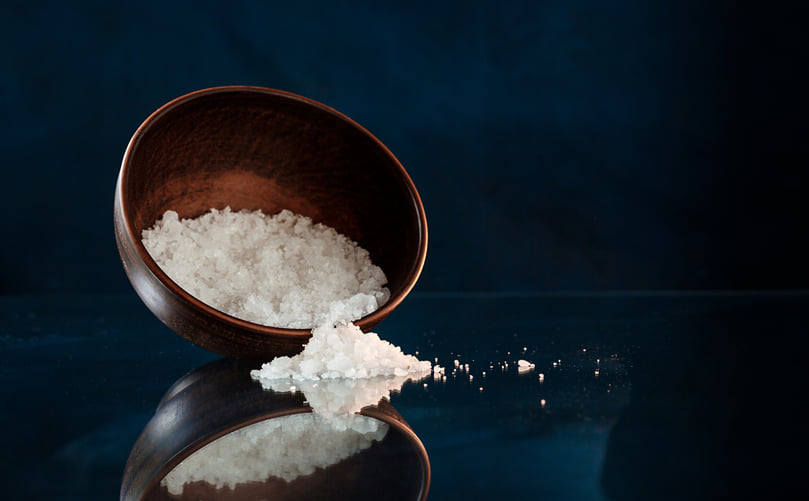
Pure SAPP Crystals: The Functional Ingredient Behind Perfect Potato Color
Role of SAPP in Preventing Discoloration in Potato Processing
Potatoes are highly susceptible to two distinct types of discoloration that significantly affect product quality and marketability.
Enzymatic browning occurs rapidly within seconds to hours when potatoes are peeled, cut or sliced. The enzyme polyphenol oxidase (PPO) catalyzes the oxidation of naturally occurring phenolic compounds, primarily chlorogenic acid in the presence of oxygen resulting in the formation of brown quinone pigments. This type of discoloration is particularly problematic in fresh cut, pre-peeled or minimally processed potato products.
After cooking darkening (ACD) is a non-enzymatic discoloration that develops hours after boiling, frying, par frying or dehydration, even in properly blanched products. It appears as a gray to black coloration and is caused by the interaction between iron (Fe²⁺/Fe³⁺) originating from the tuber itself, processing water or equipment and chlorogenic acid. During cooking, a colorless complex forms between chlorogenic acid and ferrous iron; upon cooling and exposure to oxygen, this complex oxidizes into a dark bluish gray ferri chlorogenic acid complex. The severity of ACD depends on factors such as the chlorogenic acid to citric acid ratio in the tuber (a higher ratio results in darker discoloration), potato variety, growing conditions, storage environment and iron content. ACD affects a wide range of products including French fries, chips, dehydrated flakes, granules, canned potatoes and even home cooked preparations, leading to consumer rejection and economic losses.
Sodium Acid Pyrophosphate (SAPP) is the industry standard solution for controlling both types of discoloration particularly ACD, across all major potato product categories such as frozen French fries, potato chips, dehydrated flakes, granules, powders and pre-peeled or minimally processed items. Its effectiveness lies in its ability to chelate iron thereby preventing the formation of dark colored complexes responsible for discoloration. Unlike blanching, which primarily inactivates PPO and addresses only enzymatic browning, SAPP provides a more comprehensive solution by targeting non-enzymatic pathways as well.
As a result, SAPP is widely adopted due to its consistent and reliable performance in maintaining a light, uniform and appealing product color from processing to consumption. Its use helps reduce rejection rates, minimize waste, extend visual shelf life and support efficient large-scale production in the growing global potato processing industry.
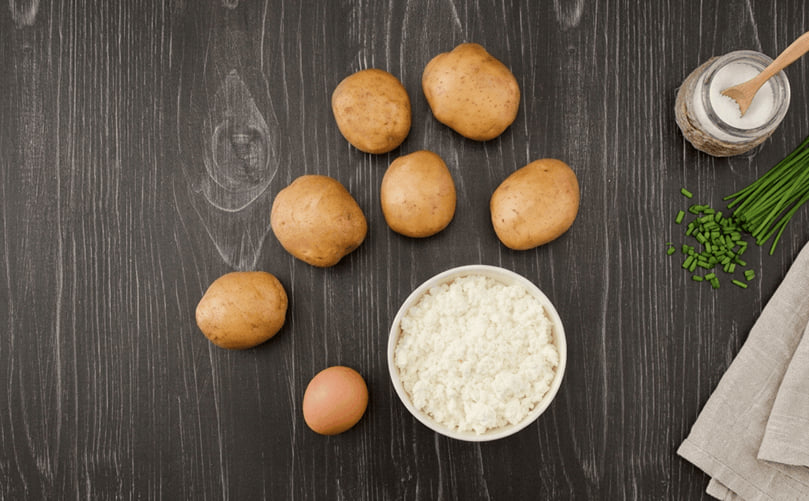
SAPP at Work: Protecting Potato Color and Quality
How SAPP Prevents After-Cooking Discoloration: Iron Chelation Mechanism Explained
Sodium Acid Pyrophosphate (SAPP) acts primarily through chelation (sequestration) of metal ions, especially iron (Fe²⁺ and Fe³⁺). The pyrophosphate anion (H₂P₂O₇²⁻) has a strong affinity for polyvalent cations and binds free iron present in potato tissue and processing water forming a stable, non-reactive complex. This prevents iron from participating in discoloration reactions.
In freshly cooked potatoes, chlorogenic acid reacts with ferrous iron (Fe²⁺) to form a colorless complex. Upon exposure to oxygen, Fe²⁺ is oxidized to Fe³⁺, which then reacts with chlorogenic acid to produce ferri chlorogenic acid responsible for the characteristic bluish gray to black discoloration.
By sequestering iron, SAPP effectively prevents the formation of this colored complex and in some cases can reduce the intensity of pre-existing discoloration by shifting the equilibrium away from pigment formation.
In addition to iron chelation, SAPP provides mild pH buffering with optimal performance around pH 5. This slightly acidic environment helps slow both enzymatic and non-enzymatic browning reactions. Furthermore, SAPP can also chelate copper ions (Cu²⁺), which are essential cofactors for polyphenol oxidase (PPO) activity, thereby offering secondary inhibition of enzymatic browning.
From a technical standpoint, SAPP performs best under controlled conditions. Its efficacy is maximized at pH ~5 and solution temperatures of 20–25 °C. It undergoes gradual hydrolysis to orthophosphate with the rate increasing at higher temperatures and non-optimal pH levels. While excessive use may lead to phosphate related off tastes (bitterness), recommended concentrations have negligible sensory impact.
SAPP is versatile in application, functioning effectively in both raw stages (dip or flume systems) and post cooking treatments even at very low iron concentrations (as low as 1 ppm).
Scientific and industrial evidence consistently shows that SAPP’s sequestration mechanism is significantly more effective than conventional acidulants for after cooking discoloration (ACD) control, as it directly targets the iron polyphenol interaction, rather than relying solely on pH reduction or antioxidant activity. This makes it a highly efficient and cost-effective solution for large scale potato processing.
Industrial Applications of SAPP in Potato Processing: Ensuring Color Stability Across Product Categories
Sodium Acid Pyrophosphate (SAPP) is widely used across major potato product categories due to its effectiveness in controlling both enzymatic browning and after cooking darkening (ACD), while ensuring consistent quality at an industrial scale.
In French fries both frozen par-fried and fresh cut, SAPP represents the largest application segment. It is typically added to blanch water or applied as a post blanch dip or soak on potato strips. This is standard practice in both continuous and batch processing lines supplying quick service restaurants and retail markets. SAPP helps prevent graying in raw strips and preserves a bright, uniform color after par-frying, freezing and final frying. It is also commonly used in fresh cut “ready-to-cook” fries to maintain visual quality during storage.
In potato chips (crisps), SAPP is applied either through flume water during slicing or as a short dip treatment prior to frying. This ensures a uniformly light chip color, minimizes darkening during high temperature frying and improves color stability during storage.
For dehydrated potato products such as flakes, granules and powders, SAPP is incorporated at multiple stages of processing. It is often added in solution during blanching or directly into the wet mash before drum drying. This prevents discoloration during drying, storage and rehydration. In instant mashed potato products, SAPP can also enhance texture by promoting a desirable mealy mouthfeel.
In pre-peeled, minimally processed, canned and frozen potatoes, SAPP is typically used as a dip treatment for whole, sliced or diced potatoes. It is effective in stabilizing color during boiling, steaming or canning processes and can also reduce or reverse existing discoloration in some cases.
Application methods are flexible and easily integrated into existing processing systems. The most common approach is dipping or immersion, where potato pieces are treated in a dilute SAPP solution, usually after cutting or blanching with typical contact times ranging from 30 to 180 seconds. SAPP can also be added directly to blanching water used in flume systems for continuous processing or incorporated as an ingredient in dehydrated product formulations.
Overall, these application methods require minimal modification to existing equipment making SAPP a practical and cost-effective solution for maintaining color quality across diverse potato processing operations.
Why SAPP Matters: Key Benefits for Efficiency, Quality and Consistency in Potato Processing
Sodium Acid Pyrophosphate (SAPP) provides significant operational and commercial advantages that extend well beyond basic color control making it a critical processing aid in the potato industry.
One of the primary benefits is improved appearance and consumer acceptance. SAPP helps maintain the bright natural white-to-golden color that consumers expect in potato products. It not only prevents the formation of new discoloration but can also reduce the intensity of existing after cooking darkening (ACD), thereby minimizing visual defects and improving overall product appeal.
SAPP also contributes to reduced waste and rejection rates. By stabilizing color throughout processing, storage and distribution, processors experience fewer product rejections during quality control and less discard, even after extended frozen storage or rehydration.
Another key advantage is the extension of visual shelf life. Products such as frozen fries, potato chips and dehydrated flakes retain their desirable appearance for longer periods, enhancing marketability in both retail and foodservice sectors.
SAPP plays a role in acrylamide mitigation as well. Its mild acidifying effect on the potato surface can help reduce acrylamide formation during high temperature frying, a benefit supported by regulatory and industry observations.
In dehydrated potato products, SAPP improves texture by promoting a desirable mealy or fluffy consistency upon reconstitution, which is a critical quality parameter for instant mashed potatoes.
Importantly, SAPP serves as an effective alternative to sulfites. It eliminates the need for sulfur dioxide or bisulfites, which are associated with allergen concerns and regulatory limitations, while delivering equal or superior performance in controlling non-enzymatic discoloration.
SAPP also enhances batch-to-batch consistency by compensating for natural variability in raw materials including differences in potato variety, iron content, storage conditions and processing water quality.
Additionally, it supports flavor stability by minimizing the development of off flavors in stored or processed potato products helping maintain product quality over time.
Overall, these benefits translate into improved processing efficiency, higher product yield, reduced costs and consistent quality making SAPP a valuable and reliable solution for modern potato processing operations.
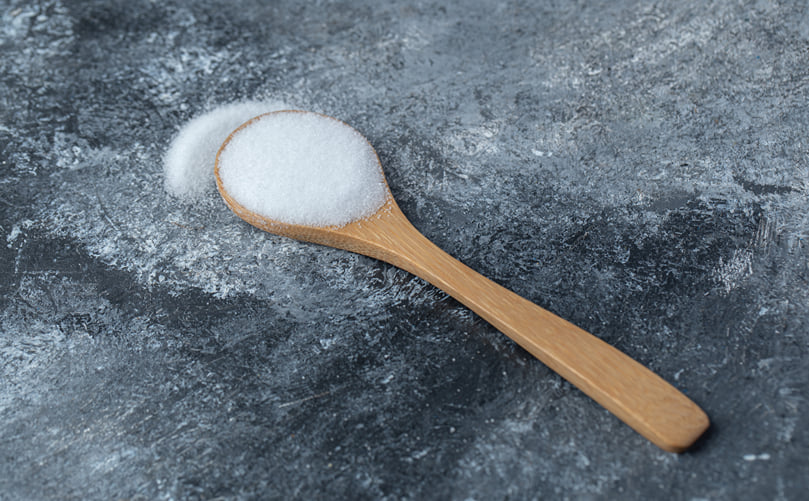
SAPP: Industry-Standard Anti-Browning Agent
Optimizing SAPP Use: Recommended Dosage, Application Conditions and Process Control
Sodium Acid Pyrophosphate (SAPP) is always applied as a dilute aqueous solution and the percentages refer to the treatment solution rather than the final product. Residual uptake in the potato is minimal and remains well within acceptable limits.
Under standard industrial practice, SAPP is typically used at concentrations of 0.5% to 1.0%, particularly in French fry processing, which aligns with widely recognized commercial guidelines. A broader practical range of 0.1% to 1.5% may be used depending on product type and raw material variability.
For French fries and potato chips the most common range is 0.5% to 1.0%, with many processors using around 0.8% as a working benchmark. In dehydrated products such as flakes and granules, similar concentrations are applied though final levels are optimized through process trials. In pre-peeled and minimally processed potatoes slightly lower concentrations of 0.3% to 0.8% are often sufficient.
The optimal dosage depends on several processing and raw material factors. Potato variety plays a major role as higher levels of iron and chlorogenic acid may require slightly increased SAPP concentrations. Processing conditions such as blanching temperature, water hardness and solution pH also influence effectiveness with optimal performance typically achieved around pH 5. Contact time and solution temperature are equally important with ideal conditions being 20–25 °C and sufficient exposure duration. Additionally, potatoes with high reducing sugar content may require complementary sugar control strategies alongside SAPP treatment.
In terms of application, immersion or blanch contact times generally range from 30 to 180 seconds. The solution temperature should be maintained at ambient or slightly warm levels, avoiding high temperatures that can accelerate hydrolysis of SAPP into orthophosphate. Process monitoring is typically carried out using colorimetric measurements (Lab values) * along with sensory evaluation to fine tune dosage on a batch-by-batch basis.
Care must be taken to avoid overuse. Concentrations above 1.0–1.5% may lead to undesirable bitter or chemical off-flavors due to increased phosphate uptake and hydrolysis. Conversely, insufficient dosing may fail to adequately control after cooking darkening particularly in challenging raw materials.
In practice, most processors begin with a baseline range of 0.5% to 0.8% and refine the dosage through pilot trials and in-line monitoring. When combined with proper blanching protocols and effective raw potato storage management this approach consistently delivers optimal color control with minimal impact on flavor or texture.
Enhancing Potato Quality with SAPP: Effects on Color, Texture and Stability
When used at recommended levels, Sodium Acid Pyrophosphate (SAPP) enhances multiple quality attributes of potato products while maintaining desirable sensory characteristics.
SAPP plays a critical role in color retention, particularly by preventing and reducing after cooking darkening (ACD). It helps maintain a bright, uniform white-to-golden appearance in finished products. French fries and chips retain an appealing golden color after frying or par-frying, while dehydrated products such as flakes and granules exhibit minimal graying upon rehydration. This effect is primarily due to effective iron chelation, which inhibits the formation of dark ferri-chlorogenic acid pigments. Both industrial experience and analytical measurements (such as improvements in L* and b* values) confirm enhanced color stability compared to untreated products.
In terms of texture, SAPP contributes positively, especially in dehydrated potato products. It promotes a more desirable mealy and fluffy texture upon reconstitution reducing the likelihood of a pasty or gummy mouthfeel. This improvement is associated with better preservation of cell structure during processing allowing for more favorable breakdown characteristics during preparation.
Regarding flavor stability, SAPP has minimal impact when used within optimal concentrations (typically 0.5–1.0% in solution). It does not impart noticeable sourness or chemical notes and helps reduce the development of off flavors during storage of cooked or processed potatoes. However, excessive use may lead to bitter or undesirable flavors due to phosphate related effects, which can be avoided through proper dosage control.
SAPP also provides additional quality benefits. Its mild acidifying effect contributes to reduced acrylamide formation during high temperature frying, supporting safer product profiles. It also helps maintain consistent product quality despite variations in raw materials, such as differences in potato variety, iron content or storage conditions.
Overall, when properly applied, SAPP improves visual appeal, texture and storage stability without negatively affecting taste or consumer acceptance. These combined effects contribute to higher product quality, reduced rejection rates and improved competitiveness in the potato processing industry.
Regulatory Approval and Safety of SAPP: Global Standards and Compliance
Sodium Acid Pyrophosphate (SAPP) is widely recognized as a safe and well-established food additive, supported by decades of commercial use and comprehensive scientific evaluation.
In the United States, the U.S. Food and Drug Administration classifies SAPP as Generally Recognized as Safe (GRAS) under 21 CFR 182.1087 when used in accordance with Good Manufacturing Practice (GMP). The Select Committee on GRAS Substances has assigned phosphates including SAPP a Category 1 rating indicating they are safe at current and reasonably anticipated levels of use. SAPP is permitted for multiple functional roles including sequestration and buffering in potato products and other foods.
Within the European Union, the European Food Safety Authority authorizes SAPP as E450(i) (disodium diphosphate). EFSA’s re-evaluation concluded that there are no concerns regarding genotoxicity, carcinogenicity or acute toxicity when used within established limits. The group Acceptable Daily Intake (ADI) for phosphates is set at 40 mg/kg body weight per day (expressed as phosphorus), which includes SAPP as part of total dietary phosphate intake.
At the international level, the Joint FAO/WHO Expert Committee on Food Additives has reached similar safety conclusions establishing a Maximum Tolerable Daily Intake (MTDI) of 70 mg/kg body weight (as phosphorus) for phosphates.
SAPP is also approved for food use in numerous other jurisdictions including Canada, Japan and Australia/New Zealand, making it a globally accepted additive in conventional food processing. However, due to its synthetic origin, it is not permitted in certified organic products.
From a safety perspective, extensive toxicological evaluations confirm that SAPP has low toxicity and does not pose risks when used within recommended limits. Residual levels in finished potato products are typically very low due to dilution limited contact time and rinsing steps during processing. There is no evidence of genotoxic, carcinogenic or reproductive effects associated with its approved use.
For labeling purposes, SAPP must be declared as “sodium acid pyrophosphate” or “E450(i)” on ingredient lists depending on regional regulations.
Overall, long standing regulatory approval and widespread industrial use support the conclusion that SAPP is a safe and reliable processing aid when applied in accordance with established guidelines.
SAPP vs Alternatives: Performance, Trade-offs and Industry Preference in Potato Processing
Sodium Acid Pyrophosphate (SAPP) continues to be the industry benchmark for controlling after cooking darkening (ACD) in potatoes due to its targeted iron chelation at potato compatible pH (~5). While several alternatives exist, each comes with specific limitations and trade-offs.
Citric acid is a commonly used acidulant that reduces browning by lowering pH and providing some chelation. It can be effective in dip treatments and in certain cases, comparable color retention has been observed. However, its mechanism is less specific to iron and it often introduces noticeable sourness, reduces flavor acceptability and may contribute to a slightly waxy texture on the product surface.
Ascorbic acid (vitamin C) functions as a strong antioxidant, effectively controlling enzymatic browning by reducing quinones back to phenolic compounds. However, it is significantly less effective against iron driven ACD, which is the dominant discoloration mechanism in cooked potato products. For this reason, it is typically used in combination with other agents rather than as a standalone solution.
Other phosphates or sequestrants, such as tetrasodium pyrophosphate exhibit different pH and chelation characteristics but are generally less suited for potato applications due to suboptimal performance under typical processing conditions.
Among emerging alternatives, sodium acid sulfate (SAS) has shown performance comparable to SAPP and citric acid in reducing ACD in some studies. It can improve color parameters (such as b* and chroma) and reduce graying with minimal reported impact on flavor. However, its higher acidity may still influence texture, sometimes resulting in slight waxiness similar to citric acid treated products.
Blends based on lactic acid and calcium lactate represent more “natural origin” solutions. These systems work by complexing chlorogenic acid and inhibiting oxidation reactions. They are particularly useful for clean label formulations and can reduce or partially replace SAPP usage. However, they typically require lower pH conditions (around 3.5 or below) and careful control of contact time (30–180 seconds) to achieve comparable results.
Other acidulants including acetic and lactic acid alone can suppress browning and reduce acrylamide formation, but often at the cost of undesirable sour notes and potential flavor suppression, limiting their standalone use in high quality potato products.
Overall, SAPP remains the preferred choice due to its highly specific iron sequestration effectiveness at mildly acidic pH, minimal impact on flavor and texture, cost efficiency and proven scalability across diverse product categories such as frozen fries, chips and dehydrated potatoes. While alternative and hybrid systems are gaining attention particularly for clean label applications SAPP’s reliability and performance continue to make it a central component in modern potato processing.
Managing the Downsides: Key Challenges and Practical Limitations of SAPP in Potato Processing
While Sodium Acid Pyrophosphate (SAPP) is highly effective for controlling after cooking darkening, it presents certain limitations that processors must carefully manage to ensure optimal product quality and regulatory compliance.
One of the primary concerns is the risk of off-flavor development due to overuse. When applied at concentrations above approximately 1.0–1.5%, SAPP may be absorbed into potato tissue. Over time, its gradual hydrolysis to orthophosphate can result in bitter or chemical taste notes, which negatively affect consumer acceptance. Even moderate overdosing in sensitive potato varieties can reduce sensory quality making precise dosage control essential.
Another challenge relates to consumer perception and clean label trends. Increasingly, consumers associate phosphates with synthetic additives, leading to resistance in premium or “natural” product segments. This has driven some processors to explore alternative solutions or reduce SAPP usage in order to meet evolving market expectations.
Environmental considerations also play a role. Phosphate containing effluents from processing operations contribute to total phosphorus loads in wastewater. If not properly managed, this can lead to eutrophication and algal blooms in receiving water bodies. As a result, many regions enforce strict discharge limits requiring investment in wastewater treatment systems or increasing compliance costs. Although SAPP itself is not classified as hazardous, its breakdown products still contribute to overall phosphorus levels.
SAPP is also not a complete standalone solution for all quality challenges. While it is highly effective for iron-related discoloration (ACD), it has limited impact on issues such as high reducing sugar content, which drives Maillard browning or microbial growth. Therefore, it must be integrated with proper blanching, sugar management and hygiene practices to achieve comprehensive quality control.
Its performance is process sensitive depending on multiple variables including potato variety, iron and chlorogenic acid levels, storage history, water hardness, pH (optimal around 5), temperature and contact time. Variations in any of these factors can reduce its effectiveness requiring continuous monitoring and adjustment during processing.
Additionally, SAPP is not permitted in certified organic products due to its synthetic origin limiting its use in that rapidly growing market segment.
Overall, while these challenges are well understood and manageable, they highlight the importance of precise process control, regulatory awareness and strategic formulation when using SAPP in modern potato processing operations.
Best Practices for SAPP Application: Maximizing Performance and Product Quality in Potato Processing
To achieve optimal performance from Sodium Acid Pyrophosphate (SAPP) while minimizing potential drawbacks, processors follow a set of well-established and practical processing guidelines.
SAPP is most effective when integrated with optimized blanching processes. It should be applied during or immediately after blanching, which inactivates the polyphenol oxidase (PPO) enzyme responsible for enzymatic browning. A two-stage blanching system typically a high temperature step followed by a lower temperature stage combined with a subsequent SAPP dip provides the most effective control of after cooking darkening (ACD).
Maintaining precise solution parameters is critical. The recommended concentration is generally 0.5–1.0%, with optimal performance at pH around 5 and solution temperatures of 20–25 °C. Contact times typically range from 30 to 180 seconds, with 1–3 minutes being common in industrial practice. The use of automated dosing systems, proper mixing and in-line monitoring of pH and temperature ensures consistent application across production batches.
Effective use of SAPP also depends on raw material management. Potatoes should be stored under controlled conditions to limit the accumulation of reducing sugars. Incoming batches may be tested for iron content and chlorogenic acid levels, allowing processors to adjust SAPP dosage accordingly, particularly when dealing with high iron raw materials.
Continuous quality monitoring is essential for process optimization. Many processors use real time colorimetric measurements (Lab* values) alongside periodic sensory evaluation to fine tune SAPP levels and ensure consistent product quality, rather than relying on fixed dosing rates.
To address clean label considerations, hybrid approaches are increasingly adopted. Lower doses of SAPP (e.g., 0.1–0.5%) can be combined with alternative agents such as citric acid or calcium lactate to reduce total phosphate usage while maintaining effective discoloration control.
Attention to equipment and water quality is also important. Process water should be monitored for iron content, and water softening may be applied if necessary. Specialized application systems, such as spray augers or dip conveyors help ensure uniform SAPP distribution in French fry and chip processing lines.
Proper storage and handling of SAPP contribute to consistent performance. The material should be stored in cool, dry conditions to prevent moisture uptake and degradation. Personnel should be trained in safe handling practices including dust control as SAPP can cause irritation upon exposure.
For dehydrated potato products, SAPP is most effective when added to the wet mash or incorporated into the process stream prior to drum drying. This approach enhances both color stability and the desirable mealy texture in the final product.
When these best practices are consistently followed, processors can achieve uniform color, improved product quality, reduced waste and compliance with both regulatory and market requirements.
Future Trends and Industry Insights: The Evolving Role of SAPP in Potato Processing
The potato processing industry is undergoing rapid transformation, driven by changing consumer preferences, regulatory pressures and sustainability goals.
One of the most significant shifts is the clean label movement, where consumers increasingly demand simpler and more recognizable ingredient lists. This trend is pushing processors to reduce or replace synthetic additives such as SAPP. As a result, many brands are introducing “phosphate-free” or “low-phosphate” potato products, particularly in premium market segments.
In response, several alternative technologies and ingredients are gaining traction. Sodium acid sulfate (SAS) has shown promising results in controlling after cooking darkening (ACD) with some studies indicating comparable or improved color retention relative to SAPP. It is effective in lowering pH and maintaining desirable color attributes, often without the flavor drawbacks associated with stronger acidulants like citric acid.
Similarly, blends of lactic acid and calcium lactate are emerging as natural origin solutions. These systems function by interacting with chlorogenic acid and inhibiting oxidation reactions allowing partial or complete replacement of SAPP in certain applications. They are particularly attractive for clean label formulations and can maintain acceptable color and texture under controlled conditions.
A major technological advancement is occurring in the field of CRISPR-Cas9. Gene editing of polyphenol oxidase (PPO) enzymes in potatoes has led to the development of varieties with significantly reduced enzymatic browning and postharvest discoloration. Recent research in advanced cultivars has demonstrated lower PPO activity and improved visual quality without introducing foreign DNA, which may allow classification as non-GMO in some regulatory frameworks. Over time such innovations could substantially reduce reliance on chemical anti-browning treatments.
At the same time, sustainability considerations are becoming increasingly important. Concerns over phosphate discharge and its role in eutrophication are leading to stricter wastewater regulations. Processors are investing in improved water treatment technologies, recycling systems and optimized processing methods to reduce environmental impact and ensure compliance.
The industry is also seeing broader advancements in automation and process control including precise dosing systems, real time color monitoring and integrated quality management tools. These innovations support more efficient use of additives and improved consistency in final product quality.
In the near to medium term, SAPP is expected to remain a key processing aid due to its proven effectiveness, cost-efficiency and scalability. However, the long-term trajectory points toward reduced dependence on phosphates through a combination of cleaner label ingredients, improved processing technologies and genetically optimized potato varieties.
Overall, the future of potato processing will be shaped by a balance between performance, consumer expectations and environmental responsibility with SAPP gradually transitioning from a dominant solution to part of a more diversified and sustainable toolkit.