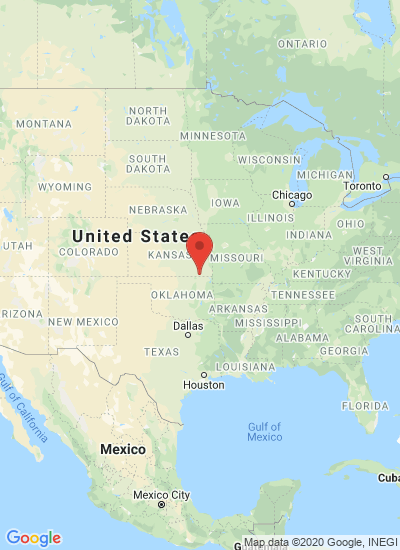

In 2007, 20 – 40 % of all corn in the US was used for energy production
Snack Food Industry urges review US biofuel policy

Today the Snack Food Industry made its case in US congress for changes in the US biofuel policy, in light of the dramatic increase of food prices and the environmental costs.
Daryl Thomas, chairman of the Snack Food Association, spoke to the House Small Business Committee during a hearing on the impact of food prices on small business.
He told the committee members that congress should revisit federal food-to-fuel mandates and subsidies. Daryl Thomas, also Senior VP Sales and Marketing for Herr’s Foods Inc. told the committee that snack food manufacturers such as Herr’s have seen production costs rise by at least 15% due to skyrocketing costs of commodities. Farm level corn prices have increased more than 150% and soybean prices have jumped more than 100%, he said.
With these statements the Snack Food Association joins a growing chorus of voices, consisting of environmental groups, Non Governmental Organisations such as FAO and many others increasingly critical of the biofuel policies in the US, Canada and many other countries.
So what is the impact of biofuels on the food prices? Although biofuels are not the only factor driving up the prices - just consider gas prices, with oil close to 125 USD/barrel - it diverts significant amounts of potential food into energy production: last year, anywhere between 20 – 40 % of all corn in the US was used for energy production.
The unfortunate aspect is that some biofuels hardly contribute to actual savings: use of ethanol from corn instead of gasoline saves only 15%. Biodiesel from soybean offers more perspective with about 40% savings. Ethanol produced from sugar cane in Brazil comes out best, with 80% saving in energy input. But this is only true for established production locations. If forest is destroyed to create the land to grow the sugar cane, the net energy effect is negative for many, many years (I have read somewhere up to 20 years). And high food prices and food shortages obviously drive deforestation.
So is there no future at all for biofuels? Actually there is… Daryl Thomas: “In particular we should accelerate development of cellulosic ethanol derived from crop wastes, grasses and other materials that do not increase food prices, hold significantly greater promise to displace traditional sources of gasoline, and could have less impact on the environment.”
Use of potato waste for the production of ethanol also falls in this category.
Like to receive news like this by email? Join and Subscribe!
Get the latest potato industry news straight to your WhatsApp. Join the PotatoPro WhatsApp Community!
Highlighted Company
Related News

October 05, 2026
Covered Bridge Potato Chips Expands in Japan With 12-Container Costco Japan Order
Covered Bridge is expanding in Japan after Costco Japan ordered 12 containers of its potato chips, with eight shipped by late September 2026, following an agreement that made Japan its tenth international market.

October 04, 2026
Uglies Sweet Potato Chips Win Two Major Industry Awards in 2026
Uglies® Sweet Potato Chips won two 2026 industry awards. Its Hot Honey flavor received a Best New Product Award, while its Original, Hot Honey and Spicy BBQ varieties earned Double Gold for taste and packaging.

September 28, 2026
Colombia: PepsiCo to invest USD 1 billion and could strengthen its potato supply chain
PepsiCo will invest USD 1 billion in Colombia over five years to expand production and distribution, an investment that could strengthen its potato supply chain, where it is already the country’s largest industrial buyer at around 84,000 tonnes per year.