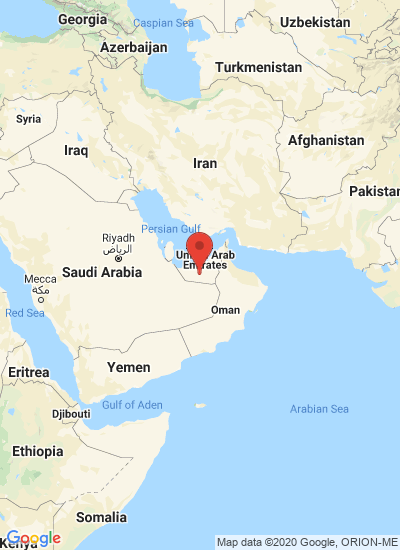

Abu Dhabi is planning to increase the production of potatoes as part of food security measures. This is in view of the fact that the storage life of potatoes can last as long as six to eight months and hence protect the country against possible food shortages in future.
In 2009, the UAE imported more than 100,000 tonnes of potatoes of which 90,500 tonnes were from Saudi Arabia.
“Food shortages are happening more frequently all over the world, so when Abu Dhabi’s own farmers grow potatoes, the country is not as reliant on other countries,” officials told a press conference yesterday.
Abu Dhabi Farmers’ Services Centre (ADFSC) has launched Potato Seed Programme for the 2011-2012 growing season which will help produce 4,000 tonnes of potatoes this year, Chris Hirst, CEO of ADFSC, said.
United Arab Emirates turn to potatoes for food security
Like to receive news like this by email? Join and Subscribe!
Get the latest potato industry news straight to your WhatsApp. Join the PotatoPro WhatsApp Community!
Related News

September 15, 2026
Survey Finds Americans Increasingly Turn to Food Delivery and Grocery Convenience Services
A FinanceBuzz and Bank of America survey finds 63 percent of Americans use food delivery monthly, while high fees influence ordering decisions, with 68 percent abandoning a delivery order after seeing the final cost.

September 06, 2026
FAO Food Price Index rises in August amid broad-based increases, led by sugar
The FAO Food Price Index averaged 131.1 points in July 2026, up 0.7 points from its June level. Increases in the price indices for cereals, sugar and vegetable oils were partially offset by declines in those for meat and dairy products.

August 07, 2026
FAO Food Price Index edges higher in July on stronger crop prices
The FAO Food Price Index averaged 131.1 points in July 2026, up 0.7 points from its June level. Increases in the price indices for cereals, sugar and vegetable oils were partially offset by declines in those for meat and dairy products.