
Pakistan
Pakistan is an important potato producing country in South Asia, with potato grown across different agro-ecological zones, although production is overwhelmingly concentrated in Punjab. The crop is cultivated in Punjab, Khyber Pakhtunkhwa (KPK), Balochistan and Sindh, with smaller areas also occurring in northern and highland regions. Punjab dominates national production because its irrigated plains, winter temperatures, established potato growing systems and proximity to processing, storage and transport infrastructure provide favourable conditions for commercial production. Recent official data for 2023–24 recorded about 8.43 million tonnes of potato production nationally, with Punjab accounting for more than 97% of the total.
The principal commercial potato belt is located in central and southern Punjab. Kasur, Okara, Sahiwal, Pakpattan, Multan, Khanewal and Vehari form a major production cluster, while Chiniot, Jhang, Toba Tek Singh and Faisalabad represent another important production area. Okara and the surrounding districts are particularly significant for commercial potato cultivation, supplying both domestic markets and export channels. Punjab's production system supports multiple cropping windows, including autumn and spring crops in the plains and a summer crop in suitable highland areas, allowing Pakistan to maintain a relatively extended supply period.
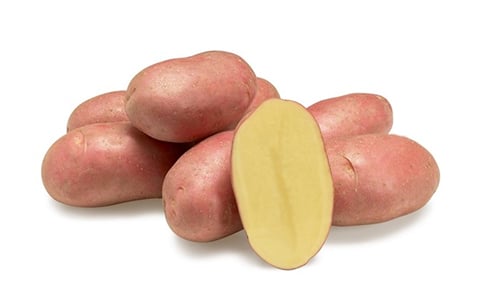
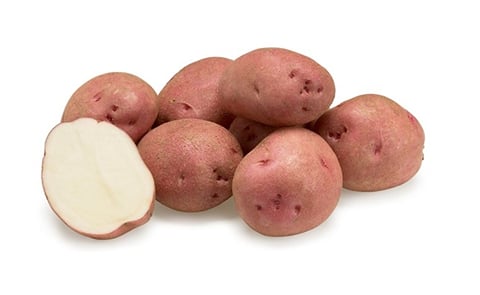
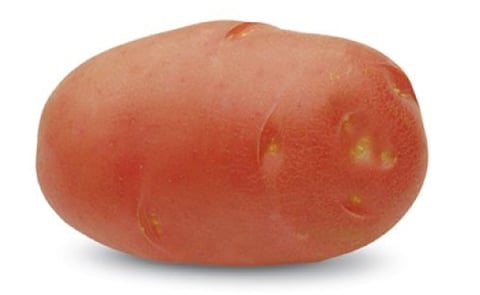
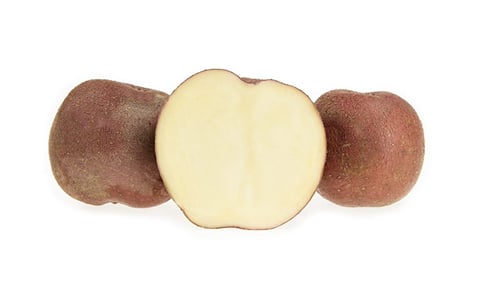
Pakistan's potato industry serves fresh consumption, export and processing markets. The country's production environment supports varieties for both table use and industrial applications, including French fries and chips. Commercially grown varieties reported by Pakistani agricultural and horticultural authorities include Sante, Santana, Asterix, Lady Rosetta and other red- and white-skinned types. Potato production is closely connected with cold storage, grading, washing, packing and export infrastructure, particularly in Punjab. KPK and Balochistan contribute smaller volumes, while potato cultivation in Sindh has also been evaluated under different ecological conditions.
Potato research in the region that became Pakistan predates independence. The Punjab Agriculture Department records that systematic potato research began around 1931, initially involving the evaluation of local and exotic germplasm. Before independence, potato research was associated with the agricultural research system centred at Pusa, with supporting stations including Shimla and Madras. A major constraint at the time was the availability of suitable seed potatoes, which were brought into Punjab from areas including Dehradun, Shimla, Farrukhabad and Patna.
After the creation of Pakistan in 1947, potato research and production development gradually became institutionalized. The introduction of potato cultivation in the Murree Hills provided an important source of seed for trials in the plains and helped researchers understand the relationship between the spring and autumn production cycles. Research expanded at the Punjab Agricultural College and Research Institute, Lyallpur (now Faisalabad), during 1950–51, followed by the establishment of a federal Potato Research Station at Murree in 1958–59. Hybridization and the introduction and acclimatization of foreign potato material subsequently became important components of the national improvement programme. In 1969, the government further strengthened potato research through the Accelerated Potato Improvement and Production Project, contributing to the development of Pakistan's modern potato breeding, seed production and production research system.