
Smart Farming Revolutionizing Potato Cultivation Through AI and Precision Technologies
Smart farming in potato cultivation integrates artificial intelligence (AI), the Internet of Things (IoT), drones and decision support systems to optimize processes from planting to post-harvest, enhancing efficiency and innovation. This technology driven approach tackles major challenges in potato production vital global staple with an output exceeding 368 million metric tons in 2023, primarily from China, India and the United States.
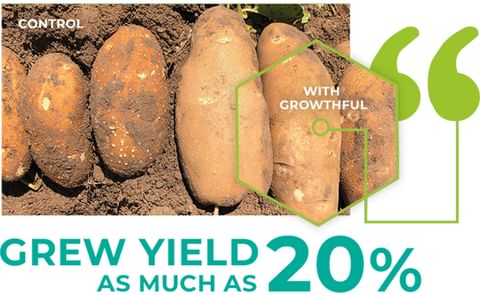
By enabling precise, data driven decisions, smart farming can boost yields by up to 20%, cut input use by 15–30% and reduce post-harvest losses, which currently range between 20–30% worldwide. These improvements not only enhance profitability but also promote sustainability through lower greenhouse gas emissions, improved soil health and efficient resource management.
Recent developments, such as AI powered predictive analytics and drone-based multispectral imaging are driving widespread adoption in technologically advanced regions like Idaho (USA) and the Netherlands. However, challenges remain particularly the high upfront costs (approximately USD 6,000 for a basic drone system) and limited rural internet connectivity. Addressing these constraints through affordable technologies and infrastructure support is crucial for empowering smallholder farmers, who form the backbone of potato production in developing regions.
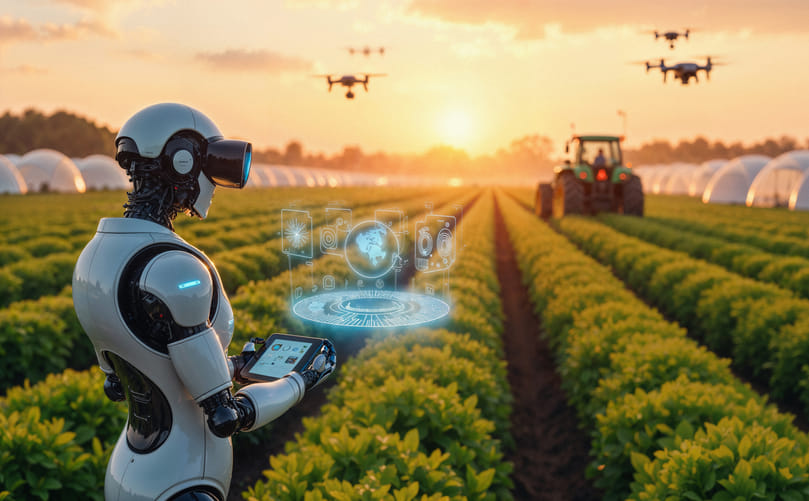
AI-Driven Precision Agriculture Shaping the Future of Potato Cultivation
What Is Smart Farming?
Smart farming also known as precision agriculture, leverages artificial intelligence (AI), Internet of Things (IoT) sensors, drones (UAVs), satellites and decision support systems (DSS) to optimize potato production under challenges such as climate variability, resource limitations and disease pressures like late blight, which can cause yield losses of up to 20%.
During 2024–2025, innovations such as AI IoT integrated pivots for early disease detection and multirotor UAVs equipped with smart sensors have significantly expanded the scope of precision farming. These technologies enable real time field monitoring, data collection and automated interventions across the potato value chain.
For example, platforms like Farmevo’s Lense AI utilize drone imagery and geospatial analytics to forecast yields with up to 85% accuracy while identifying early stress indicators in potato crops. This data driven approach not only enhances productivity potentially by 5–50% in regenerative systems but also strengthens sustainability by reducing chemical inputs, improving soil health and enhancing carbon sequestration. Overall, smart farming aligns with the United Nations Sustainable Development Goals (SDGs), particularly those targeting zero hunger and climate action, by promoting resilient and resource efficient potato production systems.
Application of Smart Farming in Different Stages of Potato Cultivation
Smart farming is transforming potato cultivation by delivering real time, data driven insights and automating labor intensive processes across all production stages. Through the integration of digital tools, machine learning and sensor-based technologies, farmers can align operations with best management practices (BMPs) to enhance productivity, optimize input efficiency and reduce environmental footprints. This holistic approach enables precise decision making from land preparation and planting to harvesting and storage, ensuring sustainable and profitable potato production.
Precision Sowing: Laying the Foundation for High Yield Potato Production
The sowing phase lays the foundation for successful potato production, encompassing soil preparation, selection of certified seed tubers (with a target of 95% disease free quality) and precision planting to ensure uniform emergence. Traditional practices often result in 10–20% seed wastage due to uneven spacing and depth, but smart farming tools mitigate these inefficiencies through automation and real time analytics.
Deep tillage combined with multi-year crop rotations such as planting potatoes after legumes or cereals instead of other Solanaceae enhances soil organic matter by 1–2% over successive cycles and reduces erosion by up to 30%. GPS guided planters equipped with variable rate technology (VRT) adjust seed spacing and planting depth according to soil variability maps, cutting seed use by 10–15% while improving stand uniformity.
IoT-based soil sensors continuously monitor parameters such as electrical conductivity (EC) and pH (optimal range 5.5–6.5), while AI-driven weather forecasting models identify frost free planting windows allowing growers to delay sowing by 7–10 days in variable climates to prevent early season losses.
In the Czech Republic, variable rate planting trials in Central Bohemia demonstrated a 15% increase in yield and 12% cost savings through reduced seed waste using satellite guided data. Similarly, digital platforms like Cropin’s PoP integrate crop rotation histories to generate agronomic alerts and GIS-based mapping in seed production has improved fuel efficiency by up to 20%. Emerging AI applications, such as microbial DNA analysis developed at Utrecht University, now enable the selection of resilient potato varieties, further enhancing crop establishment and early growth.
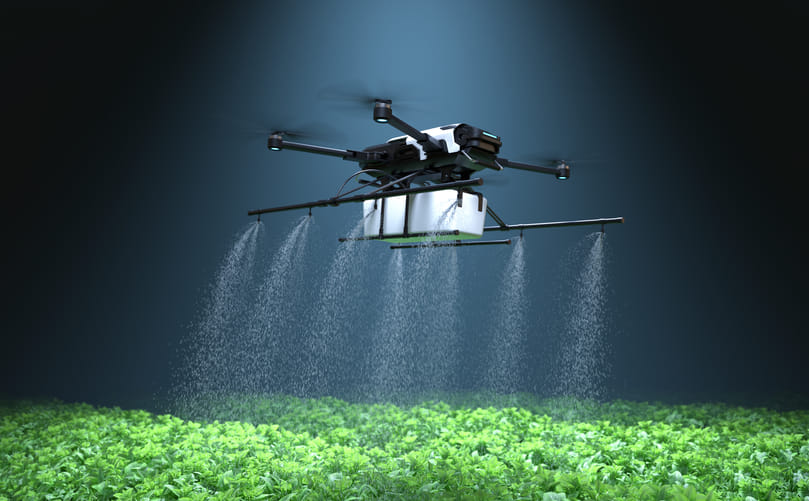
Aerial Precision: Drone Assisted Spraying for Smarter Potato Farming
Optimizing the Pre-Harvest Phase for Maximum Potato Yield
The pre-harvest period spans 100–120 days, comprising vegetative growth (weeks 1–4 with 70–80% soil moisture), tuber initiation (weeks 5–8) and bulking (weeks 9 onward), during which approximately 70% of inputs are applied. Yields can vary by 20–30% due to biotic and abiotic stresses.
IoT networks, equipped with over 100 sensors per hectare, monitor evapotranspiration, enabling variable rate drip irrigation that saves 20–30% water. In Idaho, drones deployed over 500-acre fields with multispectral sensors map nitrogen deficiencies allowing targeted fertilization that reduces inputs by 25% and increases yields by 10% (approximately 50 tons per field).
AI-based disease early warning systems (AI-DEWS), integrated with weather APIs can predict late blight 7–10 days in advance, reducing fungicide usage by 15–56%. For example, trials in the Netherlands identified 10% of infected zones, preventing losses of up to 15 tons. EOSDA satellites and Utrecht’s AI-driven tools forecast crop growth using drone imagery, supporting regenerative practices that boosted European yields by 5% under Cropin’s FIRST initiative.
In Australia’s Ballarat region, hyperspectral drones analyzed 270 light bands to monitor nutrient uptake, enabling yield gains of 15% (around 20 tons per field) while reducing fertilizer use by 25%. Best management practices (BMPs) prioritize integrated pest management (IPM) supported by remote sensing, cutting environmental impacts by 10–20%.
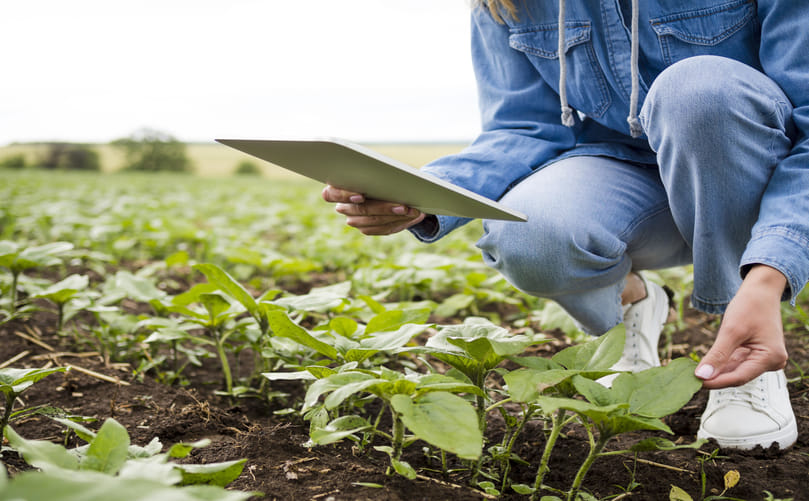
Enhancing Potato Cultivation Efficiency with EOSDA Crop Monitoring
Smart Harvesting: Precision Approaches to Maximize Potato Recovery
Smart Harvesting Harvesting typically occurs at 100–120 days, triggered by approximately 50% haulm senescence though mistiming can result in 5–10% losses due to damage or premature digging. Smart systems employ growing degree day (GDD) models with a 7°C base, achieving predictions accurate to ±3 days.
GPS enabled UGVs and AI driven robots gently lift tubers, reducing bruising by 40% and soil compaction by 25%. Integrated yield monitors feed decision support systems (DSS) to optimize truck routing, cutting fuel consumption by 15%. Platforms like Agremo analyze drone imagery for plant density and stay green status, guiding interventions to extend crop maturity.
In North Dakota, post flood drone surveys salvaged 80% of a 150-acre field (120 tons) within hours by mapping damage, supporting insurance claims worth USD 50,000. Generative AI assists in scheduling, while irrigation cessation 10–12 days before harvest helps curb disease incidence. Precision agricultural technologies (PATs) like these have demonstrated cost reductions of up to 20% in trials.
Post-Harvest Management: Reducing Losses with Smart Technologies
Post-harvest losses in India reach 20–30% due to suboptimal storage conditions (ideal: 4–7°C, 95% relative humidity), impacting approximately 50 million tons annually. IoT and AI innovations can extend shelf life to 6–9 months.
DATOMS’ Cold Storage Monitoring system tracks temperature, humidity, CO₂ levels and door activity via sensors, issuing alerts for deviations and preventing 10–15% rot. AI driven computer vision grading achieves 95% accuracy in sorting defective produce while predicting market value. SmartStor adiabatic storage systems reduce energy consumption by 30% and limit weight loss to below 5%.
Cellar Insights’ AI monitors decomposing gases before spoilage occurs, cutting losses by 20% in pilot trials. Cropin’s logistics platforms enhance traceability and integrate with blockchain to secure price premiums. Studies on analogous crops such as sweet potato, demonstrate up to 15% efficiency gains. Best management practices (BMPs) emphasize continuous monitoring through precision agricultural technologies (PATs).
Climate Change & Resilience in Potato Cultivation
Smart farming technologies are becoming essential for strengthening resilience in potato cultivation under climate change pressures including rising temperatures, erratic rainfall and increasing frequency of extreme weather events. Artificial intelligence (AI) based climate models, integrated with IoT sensors and satellite data, allow farmers to monitor heat stress in real time by analyzing canopy temperature and soil moisture dynamics.
These systems enable timely interventions such as targeted irrigation, cooling or shading, potentially reducing yield losses by 10–20%. Water scarcity prediction is increasingly supported by predictive analytics using models such as DSSAT and climate projections derived from CMIP6 scenarios, which help forecast drought risks and optimize irrigation scheduling. Such precision irrigation strategies can reduce water use by 20–30% while maintaining tuber quality and productivity.
Carbon footprint monitoring tools including platforms like the Cool Farm Tool, enable quantification of greenhouse gas emissions associated with fertilizer application and soil management practices. By identifying emission hotspots, farmers can adopt mitigation strategies such as precision nutrient management and optimized fertilizer timing, reducing emissions by approximately 9–20%.
Climate resilient decision support systems further enhance adaptation by integrating AI-driven early warning models for diseases such as late blight, enabling proactive responses through improved variety selection, crop rotation planning and timely crop protection measures. These approaches directly support global sustainability goals, including the United Nations sustainable development goals related to zero hunger and climate action by improving system efficiency and long-term agricultural sustainability.
Recent studies demonstrate significant yield gains from climate smart adaptations, particularly in vulnerable regions such as South Asia. Practices including mulching have shown yield increases of approximately 28.3%, adjusted planting dates 28.1%, adoption of stress tolerant genotypes 23.2% and improved irrigation management 22.9%, highlighting their transformative potential. Globally, potato producers face escalating challenges such as heat waves, water scarcity and soil degradation.
These pressures are being addressed through improved access to disease free seed systems, development of heat tolerant varieties and adoption of water efficient irrigation technologies such as drip irrigation and high efficiency pivot systems. Research indicates that without adaptation, climate change could reduce potato yields by up to 32% by 2060; however, switching to heat adapted cultivars and improving soil health management can substantially mitigate these projected losses.
In European production systems, selecting varieties capable of maintaining stable yields under heat and drought stress is a primary adaptation strategy, supported by localized weather forecasting tools that optimize planting and harvesting decisions under increasingly variable climate conditions. Combined agronomic practices including mulching and drip irrigation, improve water use efficiency while reducing pathogen risks in water-sensitive crops such as potato. Overall, integrating climate informed decision making with adaptive agronomy, precision irrigation and predictive crop protection systems enhances resilience and supports stable production under changing precipitation patterns and extreme climatic events.
Digital Twin Technology: An Emerging Trend in Potato Cultivation
Digital twin technology is emerging as a transformative innovation in potato cultivation by creating virtual replicas of physical fields that simulate crop growth, environmental interactions and management scenarios. These digital environments integrate real time data from IoT sensors, weather forecasting systems and satellite imagery to model potato crop performance and predict outcomes with high accuracy. In regions such as the Netherlands and Canada, digital twin systems are being used to generate yield predictions with accuracy levels reaching up to 91%, while also enabling scenario testing for stress conditions including drought, nutrient deficiencies and heat stress. By allowing farmers to evaluate management strategies virtually, these simulations support optimized irrigation and fertilizer planning, potentially increasing yields by 10–15% while reducing input use and operational risks.
Recent developments highlight the growing role of digital twins within precision agriculture, particularly in crop establishment planning, pest and disease management and resource optimization. A notable example is the investment by McCain Foods in developing a digital twin of its Farm of the Future in New Brunswick, Canada. This system simulates regenerative agricultural practices aimed at improving soil health, water efficiency and on-farm biodiversity, supporting the company’s goal of achieving 100% regenerative potato acreage by 2030. Similarly, initiatives led by NASA in collaboration with United States Department of Agriculture are advancing agricultural digital twin frameworks that combine remote sensing data with national crop datasets to forecast yields under varying climate scenarios and deliver location specific productivity insights.
Across the broader agricultural sector, research institutions such as Texas A&M University and Iowa State University are developing digital twin platforms that integrate drone imagery, artificial intelligence and large-scale agronomic datasets to simulate entire cropping seasons. These systems improve in-season forecasting, reduce production risks and enhance decision making efficiency for crops including potatoes. Emerging commercial platforms, such as those developed by LandScan, further demonstrate how patented digital twin technologies can optimize specialty crop production through advanced spatial modeling and predictive analytics.
As digital twin ecosystems evolve, integration with technologies such as blockchain and edge computing is addressing challenges related to data security, interoperability and real time processing. Together, these advancements are paving the way for scalable adoption of digital twins in potato farming, enabling more resilient, data driven production systems capable of adapting to climate variability and resource constraints.
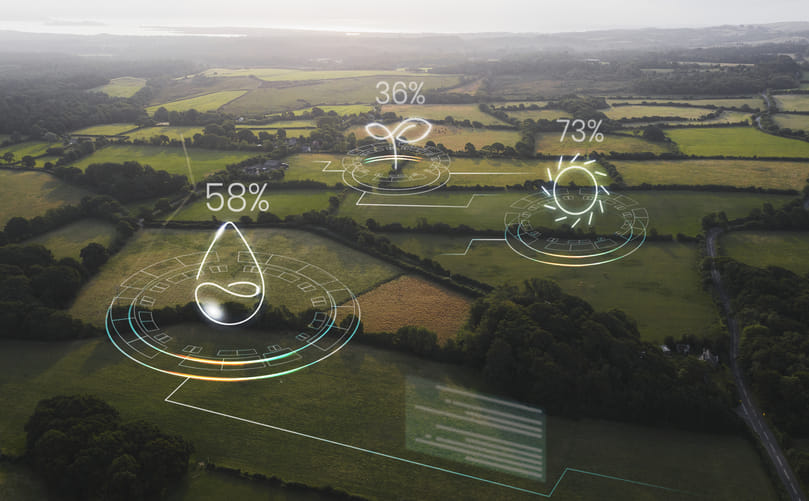
Building Climate Resilience in Potato Farming Through Smart Agriculture
Robotics & Autonomous Machinery in Potato Farming
Robotics and autonomous machinery are rapidly expanding in potato farming, offering solutions to improve operational efficiency while addressing increasing labor shortages. Advanced autonomous sprayers equipped with artificial intelligence and machine vision systems can identify weeds in real time and apply herbicides only where needed. Technologies such as the See & Spray system developed by John Deere enable precision weed detection, reducing herbicide use by approximately 80–90%, lowering production costs and minimizing environmental impact. Mechanical weeding robots developed by companies such as Carbon Robotics use laser-based or precision mechanical tools to remove weeds selectively, supporting integrated pest management strategies across large scale fields of up to 500 acres.
Autonomous harvesting and field operations are also advancing rapidly. Equipment innovations from GRIMME integrate AI-driven crop sensing and computer vision technologies into harvesters, enabling gentler tuber handling and reducing mechanical bruising by up to 40%. Autonomous tractors and harvest optimization systems further enhance efficiency by improving route planning and machine coordination contributing to fuel savings of approximately 15% while maintaining harvesting quality and consistency.
Recent developments highlight accelerated progress toward full agricultural autonomy. At CES 2025, John Deere introduced second generation autonomy kits featuring advanced computer vision supported by 16 cameras that provide a 360-degree field view. These systems enable autonomous tillage operations on large 8R and 9R tractor platforms, allowing higher operational speeds and improved handling of large implements. The technology is also expanding into orchard sprayers and specialty crop equipment with industry roadmaps targeting fully autonomous field operations by 2030 to mitigate labor constraints.
Parallel innovations from manufacturers such as CNH Industrial and Kubota demonstrate autonomous robotic platforms capable of performing weeding, tillage and precision field management tasks suited for potato production systems. Industry innovation programs including collaborative startup initiatives led by John Deere, increasingly focus on AI-powered sensing, robotics integration and data driven automation tailored to specialty crops such as potatoes.
Electric and hybrid autonomous machinery equipped with predictive analytics and IoT connectivity is further transforming harvesting operations by enabling real time adjustments based on soil conditions, crop load and machine performance. Collectively, these technologies enhance sustainability by improving resource use efficiency, reducing chemical inputs and fuel consumption and supporting regenerative farming practices within large-scale potato production systems.
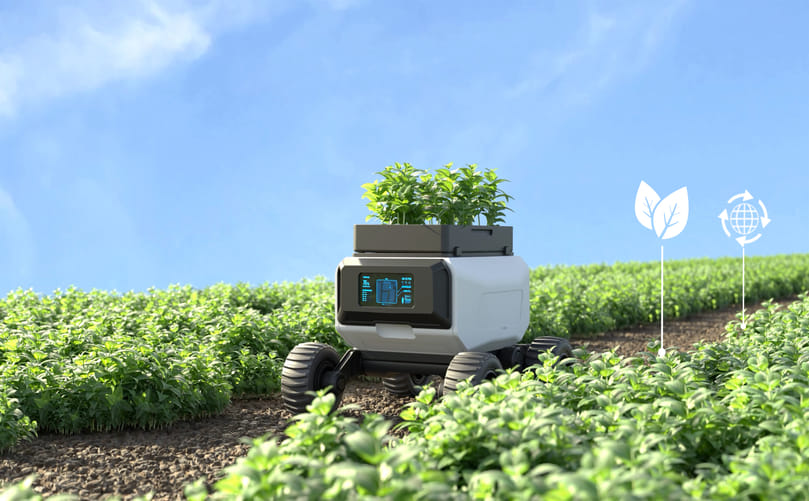
Autonomous Robotics Transforming Modern Potato Farming
Data Ownership & Interoperability in Smart Farming
Data ownership has emerged as a critical challenge in smart farming systems, where farmers generate large volumes of operational data but often lack clear control over how that data is stored, shared or monetized. Many digital agriculture platforms operate under complex or opaque contractual agreements that tend to favor technology providers, creating uncertainty regarding farmer rights and data sovereignty. Studies indicate that nearly 68% of barriers to agricultural data sharing are linked to concerns about ownership, privacy and equitable benefit distribution, resulting in mistrust and slower adoption of digital technologies across farming systems.
Interoperability remains another major limitation, largely due to fragmented digital platforms and proprietary data formats that create isolated data silos. These systems frequently lead to vendor lock-in, where farmers face high switching costs or risk losing historical farm data when changing technology providers. Additional risks include unauthorized third-party data access or sharing, which can reinforce power imbalances within agricultural value chains. By 2026, security and privacy concerns have intensified as proprietary encryption systems restrict seamless integration across platforms, preventing comprehensive cybersecurity coverage. Dependence on third-party cloud infrastructures also introduces compliance risks, particularly when data usage occurs without fully informed farmer consent.
High initial investment costs and the absence of universally accepted data standards further complicate adoption. Equipment interoperability depends heavily on standardized data protocols, yet consistent global standards remain limited, making it difficult to validate data quality derived from sensors, drones and automated farm measurements. Without harmonized systems, integrating datasets across machinery, advisory platforms and analytics tools becomes inefficient and technically complex.
Proposed solutions increasingly emphasize farmer centric governance models and collaborative data ecosystems. Policy frameworks such as the European Union Data Act promote transparency, portability and fair access to agricultural data, encouraging open innovation while protecting user rights. Emerging approaches also include blockchain-based data governance systems that provide transparent tracking of data usage and permissions, enabling farmers to retain ownership while allowing secure collaboration. Industry led initiatives such as the Agricultural Interoperability Network aim to facilitate brand agnostic data exchange, reducing dependency on proprietary platforms and improving cross system compatibility.
In potato farming, where precision agriculture relies heavily on sensor networks, drone imagery and real time decision support, resolving data ownership and interoperability challenges is particularly important. Farmer focused policies, open standards and lightweight digital technologies can help reduce reliance on closed ecosystems, encourage equitable data sharing and accelerate the adoption of resilient, data driven production systems.
Smallholder Adaptation Models in Potato Farming
Smallholder potato farmers in regions such as India and Africa who account for approximately 80% of total producers are increasingly adopting accessible technologies and cooperative models to enhance climate resilience and productivity. Smartphone-based advisory applications, such as Plantix, use artificial intelligence for pest and disease detection, reaching over a million users monthly and contributing to yield increases of 10–25%. Shared drone services, often facilitated through farmer cooperatives, provide affordable aerial monitoring for small plots (typically under 2 hectares), enabling precision spraying, input optimization and yield forecasting, resulting in cost reductions of 15–20%.
Cooperative technology hubs in countries like Kenya and Malawi offer shared access to IoT devices, digital training and decision support systems, empowering smallholders to implement climate smart practices such as optimized irrigation, crop rotation and early stress detection. Initiatives such as Farmonaut leverage satellite imagery to support small plots, improve farm management and enhance market access for more than 350,000 users helping bridge the digital divide.
By 2026, innovations such as AI-driven agents like ArgoAskAI are providing tailored climate adaptation advice for vulnerable farming communities, while mobile-based insurance solutions aim to cover up to 10 million smallholders by 2030 through scalable, data driven platforms. Climate smart agriculture (CSA) practices including crop livestock integration, solar or electric powered water pumps, organic fertilization, intercropping with sweet potato and improved seed varieties show high adoption rates with studies in Ethiopia’s East Hararghe Zone reporting uptake of 82.7% among sampled households. These practices enhance resilience to heat stress, water scarcity and pest pressures.
In South Africa, government led initiatives emphasize reduced chemical use, technology integration such as drones and localized extension support. India’s National Mission on Sustainable Agriculture demonstrates the effectiveness of decentralized implementation strategies tailored for smallholders. Across West and North Africa, projects in Nigeria, Egypt, Algeria and South Africa promote climate resilient potato varieties with resistance to late blight and tolerance to erratic weather, strengthening seed systems and cropping patterns for small scale producers.
Collectively, these adaptation models align with global commitments to smallholder resilience including the Bill & Melinda Gates Foundation pledge of US$1.4 billion for climate smart agriculture initiatives. By integrating digital advisory tools, stress tolerant crops, cooperative service delivery and women led initiatives, these models support sustainable intensification and climate resilience for smallholder potato farmers in resource constrained regions.
Carbon Accounting & Sustainability Metrics in Potato Farming
Carbon accounting in potato production quantifies greenhouse gas (GHG) emissions across the entire value chain with average footprints ranging from 198 to 343 kg CO₂ eq. per tonne of tubers. Fertilizer use is the largest contributor, accounting for approximately 42% of emissions, followed by irrigation at around 20%. Sustainability metrics focus on practices such as nitrogen footprint monitoring, where adoption of the 4R nutrient stewardship framework (right source, rate, time and place) can reduce N₂O emissions by 15–20%. Verified soil organic carbon (SOC) gains enable carbon credit generation, potentially providing financial offsets of USD 20–50 per hectare, incentivizing climate friendly practices.
Environmental, social and governance (ESG) reporting integrates these metrics through standardized protocols such as the GHG Protocol Land Sector and Removals Guidance, which track both emissions and removals to support corporate decarbonization strategies. Industry programs, like Nutrient’s Carbon Program, implement controlled release fertilizers and other best management practices to reduce the carbon footprint by approximately 11%, aligning with net zero commitments. By 2026, potato supply chains are increasingly monitoring Scope 1, 2 and 3 emissions, with agriculture representing up to 94% of FLAG (Food, Land, Agriculture and Forestry) sector emissions. Corporate initiatives, such as PepsiCo’s local sourcing strategies, reduce transport related emissions while promoting sustainability along the supply chain.
Advances in digital agriculture including digital twin simulations and granular data integration are improving the accuracy of Scope 3 reporting. Global events like the World Potato Congress in Kenya emphasize the importance of sustainability metrics for food security. Innovative systems such as aeroponic vertical farms reduce water use by up to 90% and allow precise tracking of carbon footprints per kilogram of produce, achieving yields up to 40 times higher per square meter compared with conventional cultivation.
Field-to-Market reports highlight agribusiness commitments, noting reductions of 15.8% in operational GHG emissions and cumulative savings of 670,000 metric tons of CO₂ eq. through improved supply chain management. Region specific studies, such as in Punjab, Pakistan, report potato carbon footprints of 6.24–7.50 m³ per farmer scale, underscoring the importance of optimizing fertilization, irrigation and residue management to minimize environmental impact. Investments in clean energy, reduced tillage, cover cropping and sustainable residue management further decrease emissions, supporting environmentally responsible and climate resilient potato production globally.
Key Benefits of Smart Farming in Potato Cultivation
Increased Yields and Quality: AI-driven variety selection and continuous crop monitoring can boost yields by 5–20%. Examples include a 1.5% increase in starch content and up to 28% yield improvement through mulching in climate smart trials.
Resource Efficiency: Precision agriculture reduces inputs significantly water by 5–30%, pesticides by 15% and fertilizer by 25%. For instance, variable rate technology (VRT) in Czech trials saved 20% of resources while maintaining yield.
Environmental Sustainability: Smart farming practices lower greenhouse gas emissions by 9–20% and enhance carbon sequestration in regenerative systems. In the UK, adoption of best practices reduced nitrate runoff by 10%.
Economic Gains: Cost savings range from 12–25%, with higher profits reported for example, USD 20,000 per hectare in Indian farms. Mid-scale farms can achieve ROI within 1–2 years.
Risk Mitigation and Scalability: Advanced monitoring and integrated pest management achieve 70–90% pest control, bridging gaps for smallholders. Programs like McCain’s target 50% adoption of smart technologies by 2030, supporting scalable, resilient production systems.
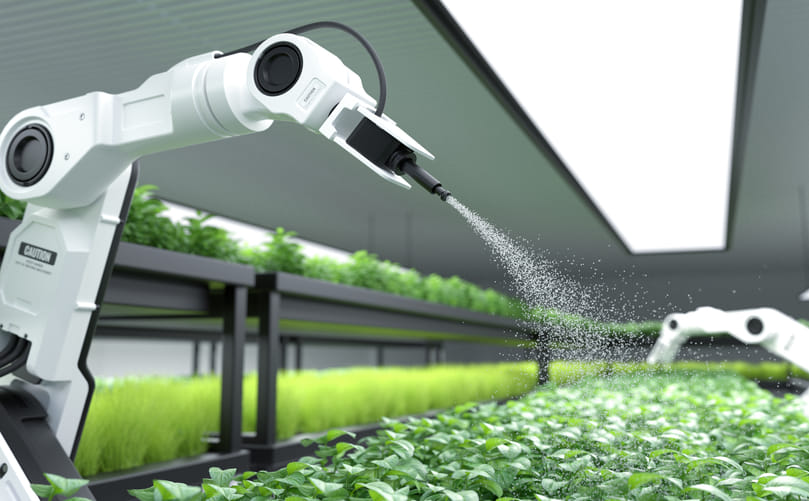
From Manual Labor to Autonomous Precision in Potato Farming
Challenges and Adoption Barriers
Global adoption of smart farming technologies remains low, at 20–30%, particularly among smallholders who represent 80% of potato producers.
Technical Challenges: IoT network failures in roughly 10% of rural areas delay early detection, while fragmented data systems hinder integration across platforms.
Economic Constraints: Upfront costs of USD 5,000–10,000 and uncertain 2–3 year ROI deter many farmers. Subsidies, such as those covering 40% of costs in India are not universally available.
Social and Climate Factors: About 60% of farmers lack adequate training and privacy concerns limit adoption for 30% of producers. Extreme weather events further exacerbate soil degradation and operational risks.
Solutions focus on cooperative models, AI-based training applications and incentive programs like the EU’s CAP funding aiming to achieve 50% regenerative acreage by 2030.