

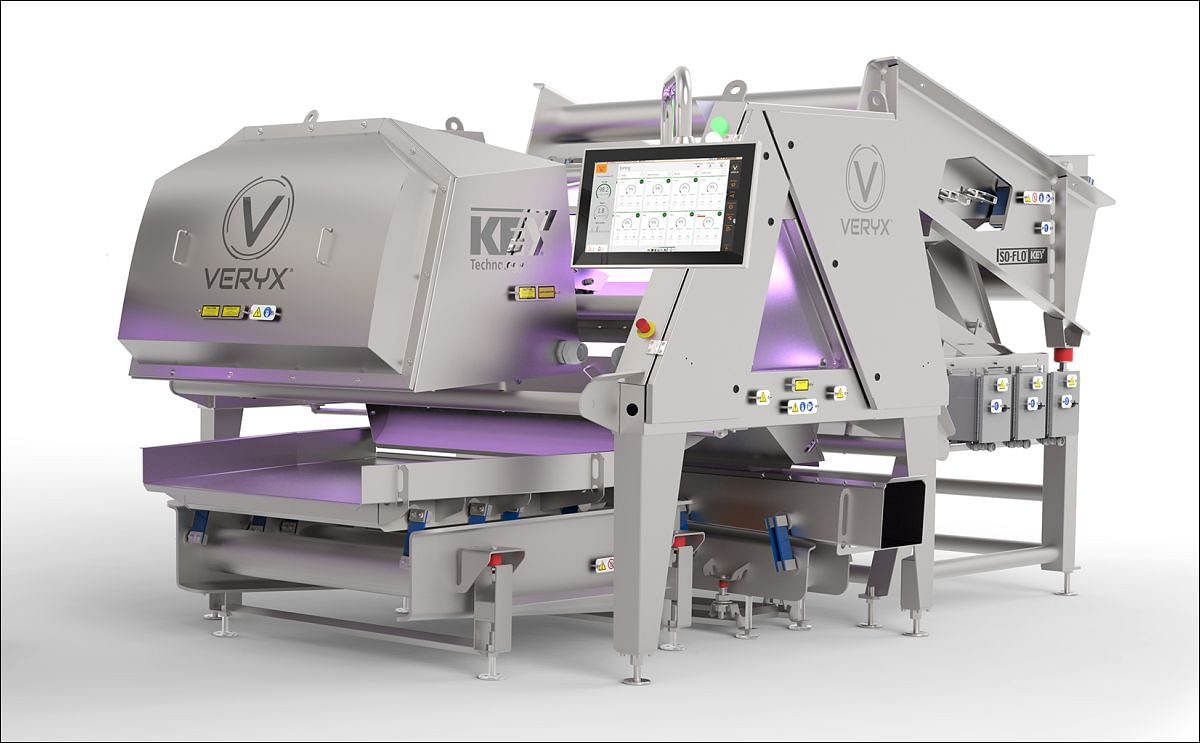
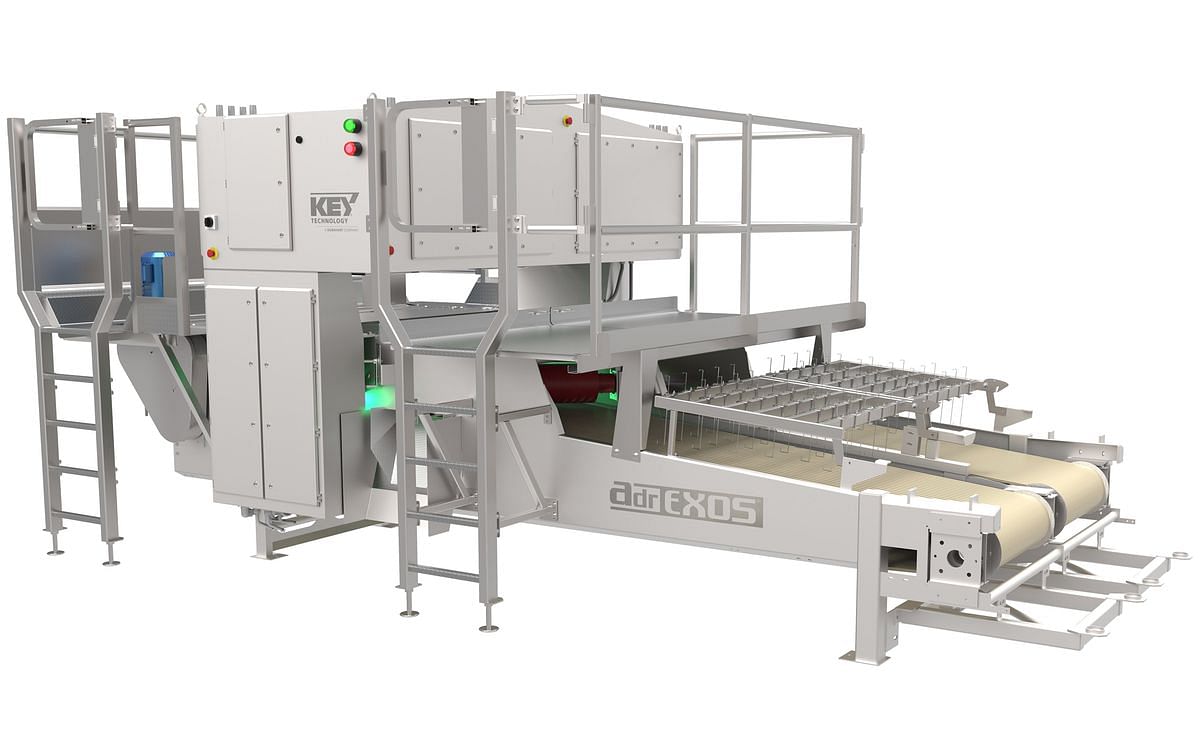
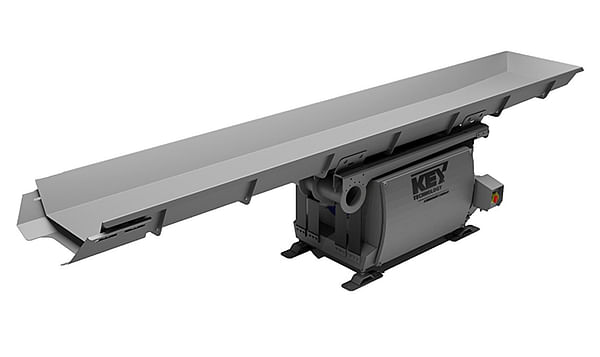
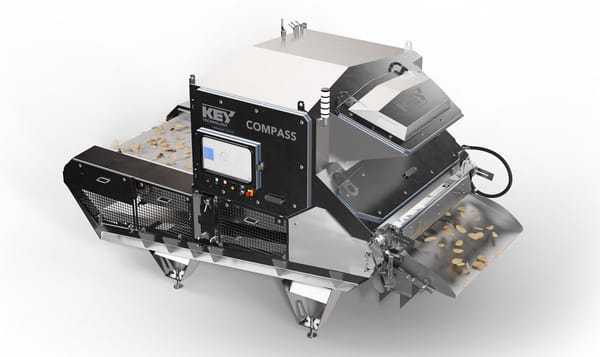
Key Technology's potato processing equipment includes optical inspection systems, laser sorters, sizing, grading, and packaging conveyors, and revolutionary Automatic Defect Removal (ADR®) systems.
Key's extensive line of technology helps operations worldwide meet quality, safety, and capacity demands every day.
Other brand names of Key Technology are Optyx, ISO-FLO and Impulse.
The company has facilities in the United States (Walla Walla, Washington), Europe, China, Australia and Mexico.
Key Technology merged with Visys early 2013.
Key Technology became a Duravant company in 2018.

Company Description
Subsidiaries and Factory Locations
Products Offered


Product Types offered by this company
News for this Company
July 12, 2017
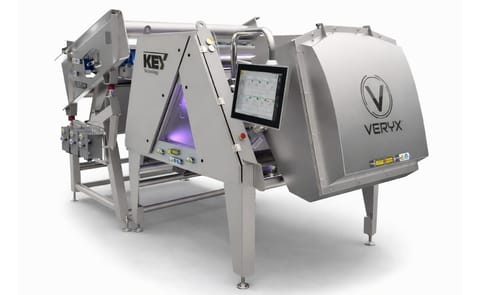
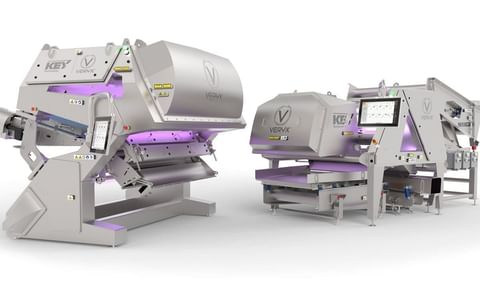
Key Technology Introduces New VERYX® C70 Digital Sorter
Key Technology expands its VERYX® family of digital sorters with the addition of the new VERYX C70. This small chute-fed sorter is ideal for low- to mid-capacity production lines.From the archive

June 27, 2017
Key Technology Presents VERYX® Digital Sorters to Australian Food Processors at FoodPro 2017
Key Technology introduces its VERYX® family of digital sorters to the Australian food processing industry with the VERYX C140 on exhibit at the FoodPro trade show in Sydney 16-19 July, 2017.From the archive


June 08, 2017
Burts Chips and Keogh's Crisps chose Key Technology’s Optyx to sort their batch fried potato chips
Key Technology’s Optyx® digital sorters are selected by regional processors of batch-fried potato chips/crisps working to satisfy the rising quality expectations of consumers and retailers around the world.From the archive

May 24, 2017
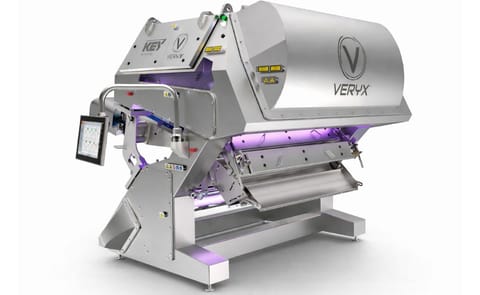
Key Technology introduces a new medium capacity sorter: the VERYX® B140
Key Technology expands its VERYX® family of digital sorters with the introduction of the VERYX B140, a medium-capacity belt-fed sorter with a 1400-mm wide inspection zone.From the archive
Agents for this company
Frequently Asked Questions
How does optical sorting technology redefine quality control in potato processing?
Optical sorting systems like Optyx use high-resolution cameras, lasers and AI-based algorithms to detect defects that are invisible to the human eye. This shifts quality control from manual inspection to data-driven precision, reducing human error while improving consistency, throughput and food safety compliance.
Why is being part of Duravant significant for Key Technology?
Duravant provides a broader industrial ecosystem, enabling Key Technology to integrate its solutions into end-to-end food processing lines. This enhances scalability, access to global markets and cross-industry innovation, positioning Key as part of a holistic automation solution provider rather than a standalone equipment manufacturer.
What role does automation play in reducing post-harvest losses globally?
Automation reduces losses by identifying and removing defects early, preventing contamination and optimizing sorting efficiency. In crops like potatoes, this can significantly reduce waste during grading and processing, contributing to food security and sustainability.
What are the implications of global manufacturing facilities on service and support?
With facilities in the U.S., Europe, China, Australia and Mexico, Key Technology ensures localized support, faster maintenance and reduced downtime. This global presence also allows customization based on regional processing requirements.
How does Key Technology contribute to food safety standards compliance?
Their systems detect contaminants, foreign materials and defects with high precision, helping processors meet stringent global standards like HACCP and export quality norms. This is critical for maintaining consumer trust and regulatory compliance.
Make This Page Even Better!
This content was last updated on March 12, 2026
Have a helpful detail to contribute? Catch something that should be corrected?