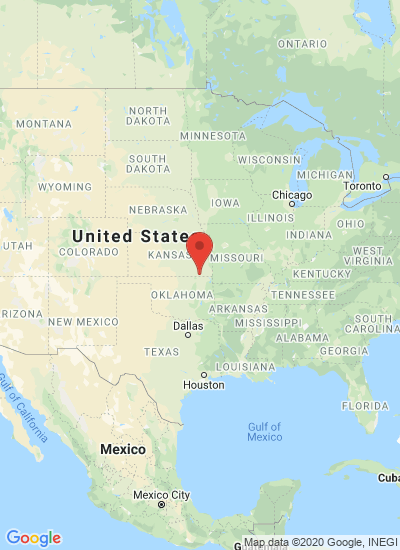

University of Wisconsin-Madison researchers have been selected to lead a national, multi-institution effort to improve the quality and safety of processed potatoes, the U.S. Department of Agriculture's National Institute of Food and Agriculture (NIFA) announced today (Oct. 14).
The $3.7 million Specialty Crop Research Initiative grant will support an effort to reduce the amount of acrylamide, a potential carcinogen, in french fries and potato chips, without sacrificing the taste and texture that make these products so popular with consumers.
"Acrylamide is an unwanted compound in these products that we didn't know was there until 2002. We actually don't know if it is a serious health concern, but it's much better to be out in front of this,"says the project's leader, Paul Bethke, a UW-Madison assistant professor of horticulture and USDA-ARS plant physiologist.
The project was developed with major input from key stakeholders in the fresh, frozen processed and chip potato industries representing all major potato growing areas in the United States. More than 30 representatives from these sectors and the end-user community make up the project's advisory committee, including growers, processors, major food vendors such as McDonald's, the U.S. Potato Board and the National Potato Council.
The grant will involve scientists from 10 universities and USDA labs from around the nation who will work to develop potatoes that produce less acrylamide when they are cooked. This involves searching for varieties with low levels of reducing sugars and the amino acid asparagine, which combine to produce acrylamide when potatoes - like other starchy foods - are fried at high temperatures. They will also hunt for helpful molecular markers to use in breeding new varieties. Industry partners will grow, store and cook the potatoes and assess their key traits.
The goal of the four-year project is to provide the industry with four new chip potato and four new fry potato lines that yield chips, fries and similar products that have reduced acrylamide levels and meet with consumer approval.
"This award isn't just about Wisconsin, it's for the entire potato industry,"says UW-Madison associate professor of horticulture A.J. Bussan, who helped develop the grant. "The coordinated, nationwide involvement is unprecedented. It shows the amount of attention industry is paying to this issue."
Source: University of Wisconsin-Madison News
University of Wisconsin to lead research effort to reduce acrylamide in potato products

Like to receive news like this by email? Join and Subscribe!
Get the latest potato industry news straight to your WhatsApp. Join the PotatoPro WhatsApp Community!
Highlighted Company
Related News

September 15, 2026
Survey Finds Americans Increasingly Turn to Food Delivery and Grocery Convenience Services
A FinanceBuzz and Bank of America survey finds 63 percent of Americans use food delivery monthly, while high fees influence ordering decisions, with 68 percent abandoning a delivery order after seeing the final cost.

September 06, 2026
FAO Food Price Index rises in August amid broad-based increases, led by sugar
The FAO Food Price Index averaged 131.1 points in July 2026, up 0.7 points from its June level. Increases in the price indices for cereals, sugar and vegetable oils were partially offset by declines in those for meat and dairy products.

August 07, 2026
FAO Food Price Index edges higher in July on stronger crop prices
The FAO Food Price Index averaged 131.1 points in July 2026, up 0.7 points from its June level. Increases in the price indices for cereals, sugar and vegetable oils were partially offset by declines in those for meat and dairy products.